SLAC topics

X-ray light sources and electron imaging RSS feed

X-ray light sources and electron imaging are advanced techniques used to study the structure and properties of materials. X-ray light sources use high-energy photons to produce X-rays, while electron imaging uses high-energy electrons to produce detailed images of samples. 

Browse tagged content

Aerial view of SLAC
Feature

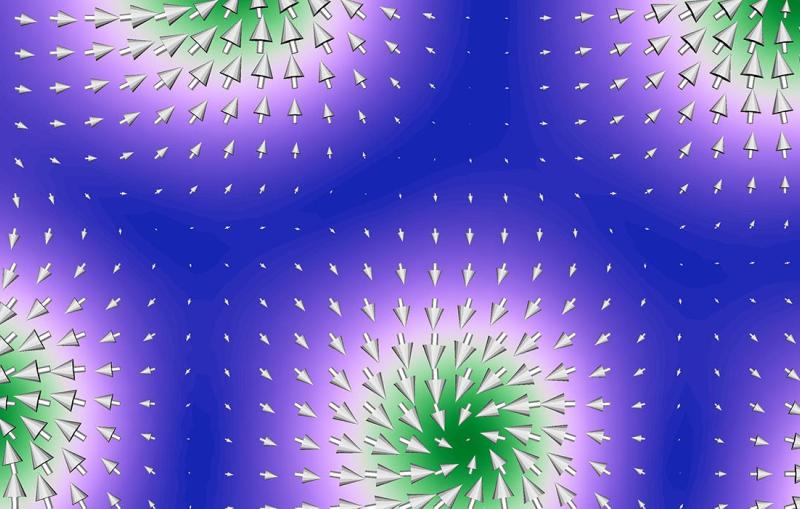
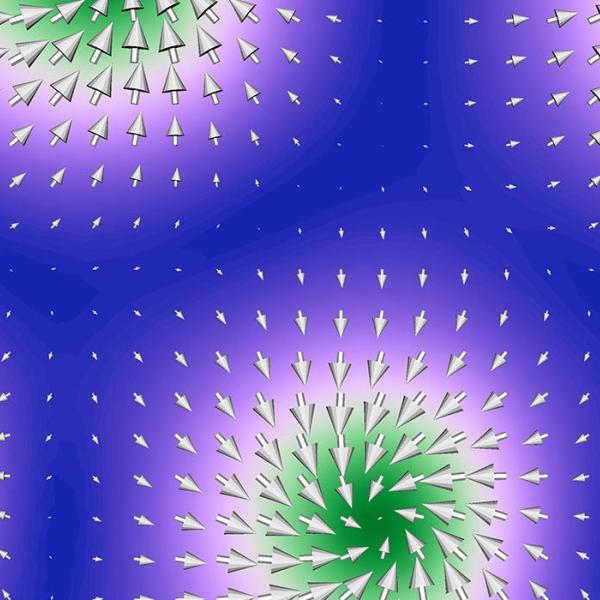
Spawned by the spins of electrons in magnetic materials, these tiny whirlpools behave like independent particles and could be the future of computing. Experiments...

Illustration of skyrmions -- little whirlpools of magnetism formed by the spins of atoms.
Feature

High-power lasers will work in concert with the lab’s X-ray laser to dramatically improve our understanding of matter in extreme conditions.

diamond rain
Feature

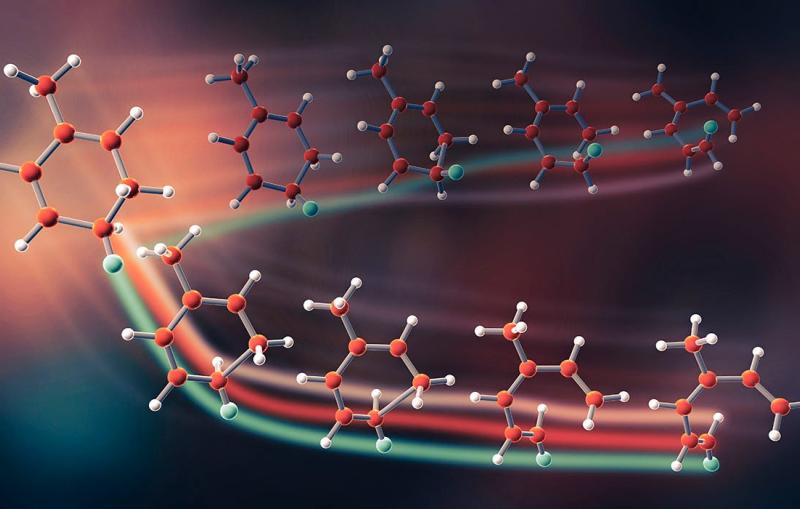
This is the first direct observation of a hydroxyl-hydronium complex – important for a wide range of chemical and biological processes from the tails...

ued ionized water
Feature

Much like crystallizing rock candy from sugar syrup, the new method grows 2D perovskites precisely layered with other 2D materials to produce crystals with...

Illustration of layers of 2D materials assembling themselves from chemicals tumbling in water
Feature

The chemically controlled chains reveal an ultrastrong attraction between electrons that may help cuprate superconductors carry electrical current with no loss at relatively high...

An illustration showing a 1D chain of carbon and oxygen molecules with red springs representing natural vibrations in their atomic lattice.
Feature

Three physicists talk about how they got started, their work at SLAC and what they would say to others considering a career in STEM.

Isleydys Silva Torrecilla, Emmanuel Aneke and Bhavna Nayak
Feature

Anchoring individual iridium atoms on the surface of a catalytic particle boosted its performance in carrying out a reaction that’s been a bottleneck for...

Illustration showing surface of a catalyst as a lattice work of atoms, with single iridium molecules held above it on tiny 8-sided structures to facilitate splitting of water molecules seen floating above
News Release

The work sheds light on the web of hydrogen bonds that gives water its strange properties, which play a vital role in many chemical...

UED Water
Feature

Their work aims to bridge two approaches to driving the reaction – one powered by heat, the other by electricity – with the goal...

A ball-and-stick illustration of a single nickel atom (green) bonded to nitrogen atoms (blue) on the surface of a carbon material. The arrangement allows the nickel atoms to catalyze two types of reactions involved in making fuel from CO2.
Feature

Teaching machine learning the basics of accelerator physics is particularly useful in situations where actual data don’t exist.

SSRL
Feature

Nickelate materials give scientists an exciting new window into how unconventional superconductors carry electric current with no loss at relatively high temperatures.

Illustration showing nickelate and cuprate superconductors as cartoon characters that are either close friends holding hands or neighbors talking over a fence.
Feature

Measuring the process in unprecedented detail gives them clues to how to minimize the problem and protect battery performance.

Illustration of oxygen atoms leaving a lithium-ion battery as lithium flows in alongside a battery whose energy is being sapped by this process