
SLAC topics

X-ray light sources and electron imaging RSS feed

X-ray light sources and electron imaging are advanced techniques used to study the structure and properties of materials. X-ray light sources use high-energy photons to produce X-rays, while electron imaging uses high-energy electrons to produce detailed images of samples. 

Browse tagged content

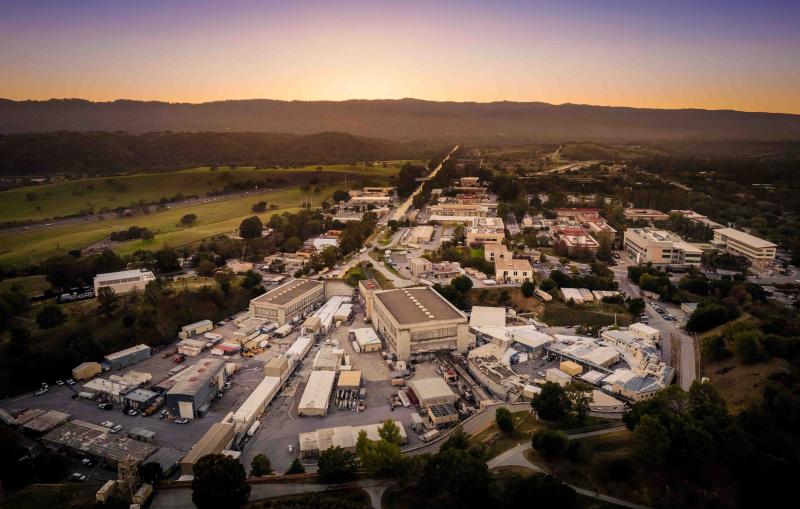
Aerial view of SLAC
Feature

SLAC’s Matt Garrett and Susan Simpkins talk about tech transfer that brings innovations from the national lab to the people, including advances for medical...

Tech Transfer
Feature

A laser compressing an aluminum crystal provides a clearer view of a material’s plastic deformation, potentially leading to the design of stronger nuclear fusion...

an abstract illustration of rippling waves made of shining dots
Feature

Researchers mimicked these extreme impacts in the lab and discovered new details about how they transform minerals in Earth’s crust.

meteor
Feature

Less than a millionth of a billionth of a second long, attosecond X-ray pulses allow researchers to peer deep inside molecules and follow electrons...

Illustration of attosecond coherent electron motions.
Feature

The results cap 15 years of detective work aimed at understanding how these materials transition into a superconducting state where they can conduct electricity...

Conceptual illlustration showing a beam of light entering from the right and hitting a material, ejecting a sphere representing an electron
Feature

High-speed X-ray free-electron lasers have unlocked the crystal structures of small molecules relevant to chemistry and materials science, proving a new method that could...

Crystallography illustrations
Feature

The ePix series of detectors is designed to keep pace with ever more demanding experiments at SLAC and elsewhere.

SLAC’s Chris Kenney holds a 16-module
Feature

Through her work with this nationwide program, Curry plans to make high-power laser facilities more accessible to researchers.

Chandra Breanne Curry
Feature

A better understanding of this process could inform the next generation of artificial photosynthetic systems that produce clean and renewable energy.

water droplets on plant
Feature

New observations of the atomic structure of iron reveal it undergoes "twinning" under extreme stress and pressure.

illustration of a hammer hitting the Earth's iron core
Feature

The results could lead to a better understanding of reactions with vital roles in chemistry and biology.

UED conformers
Feature

The early career award honors Sood for his research and leadership using the LCLS user facility at SLAC National Accelerator Laboratory.

Aditya Sood portrait