SLAC topics

X-ray light sources and electron imaging RSS feed

X-ray light sources and electron imaging are advanced techniques used to study the structure and properties of materials. X-ray light sources use high-energy photons to produce X-rays, while electron imaging uses high-energy electrons to produce detailed images of samples. 

Browse tagged content

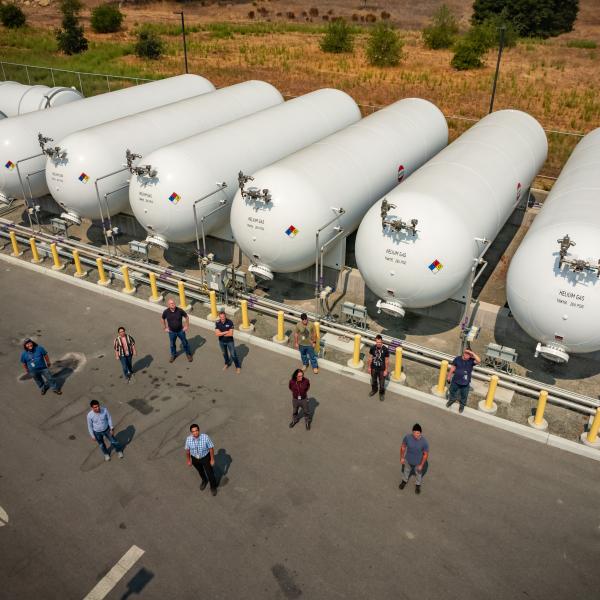
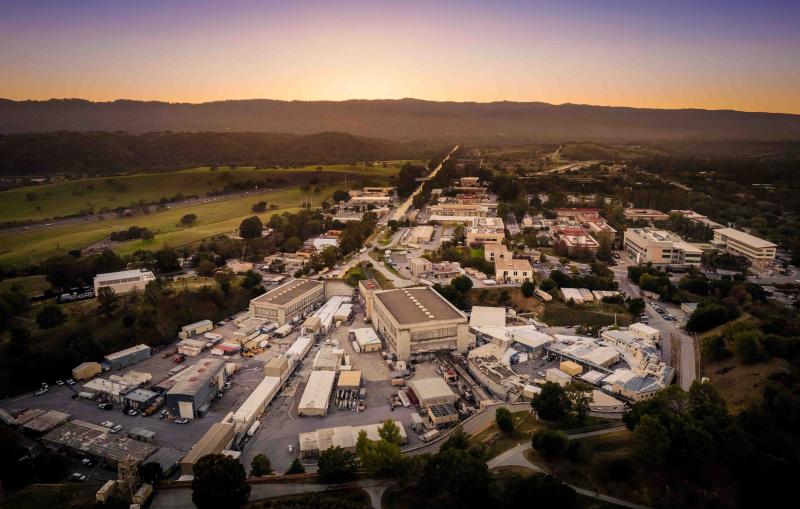
Aerial view of SLAC
Photograph
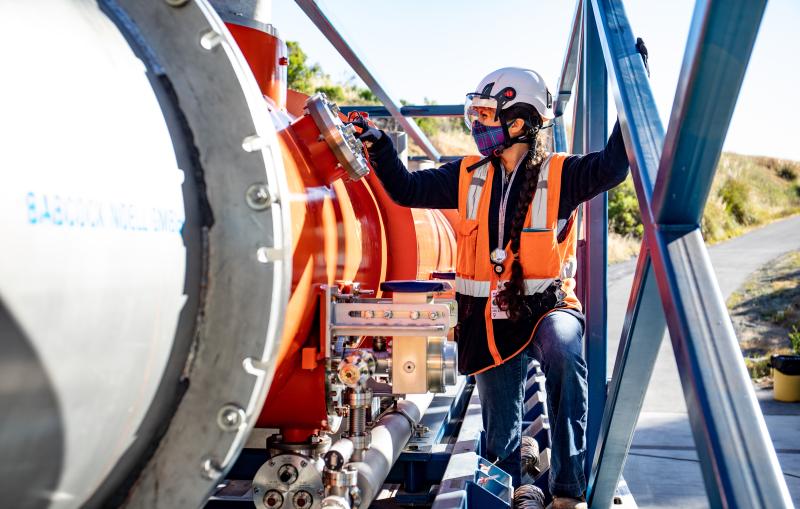
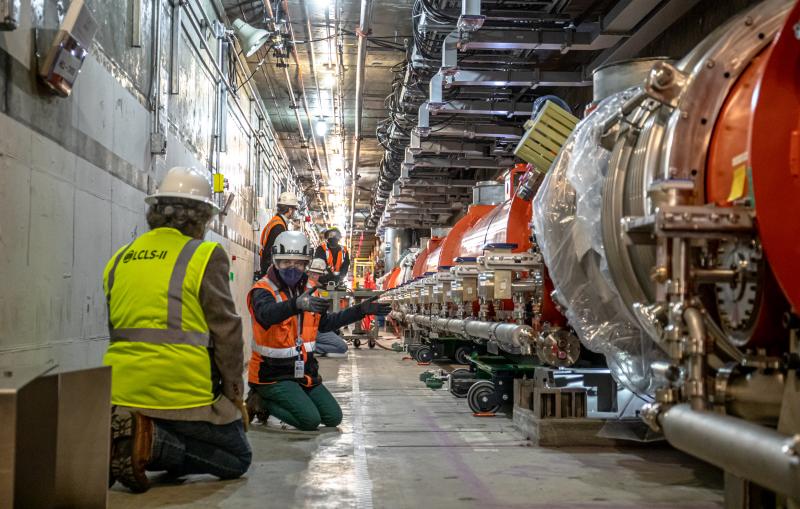
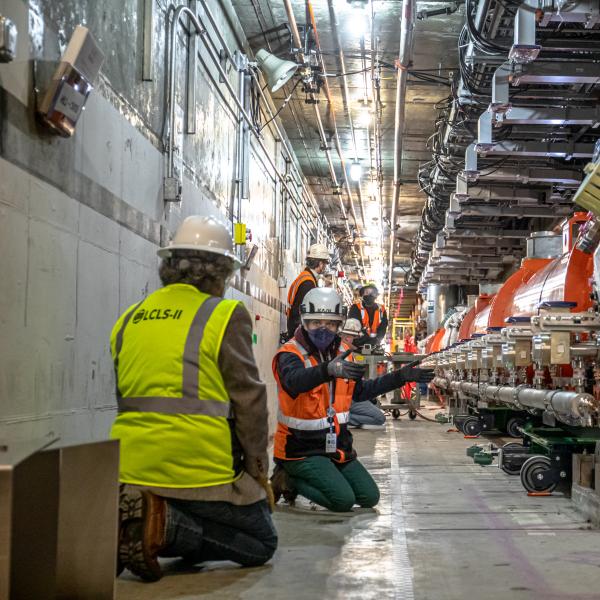
Cryomodule installation in the LCLS tunnel
News Release

Powerful X-rays from SLAC’s synchrotron reveal that our immune system’s primary wiring seems to be no match for a brutal SARS-CoV-2 protein.

SARS-CoV-2-NEMO
Illustration

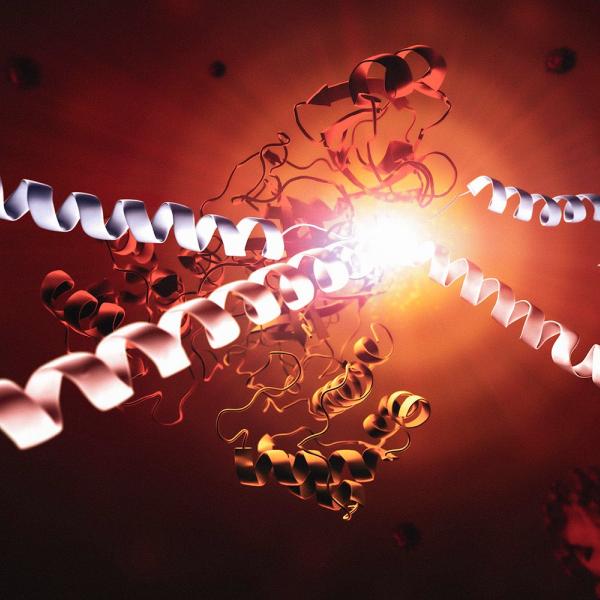
This image shows the SARS-CoV-2 virus's main protease, Mpro, and two strands of a human protein, called NEMO.
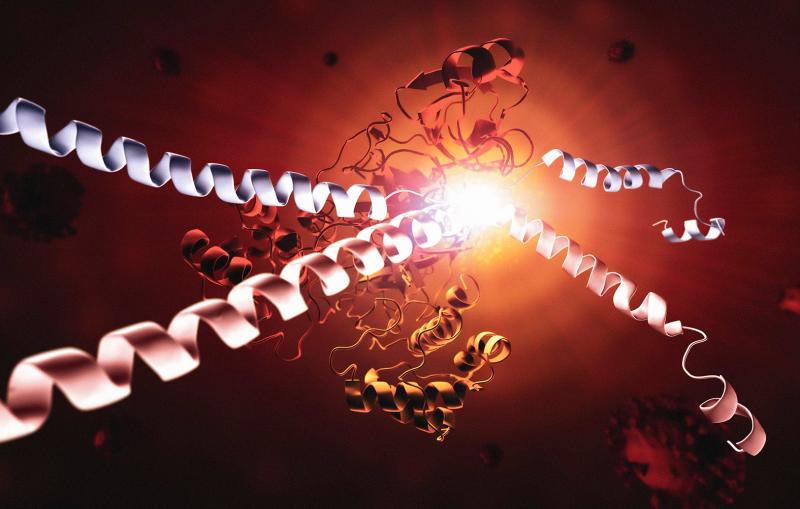
SARS-CoV-2-NEMO
News Release

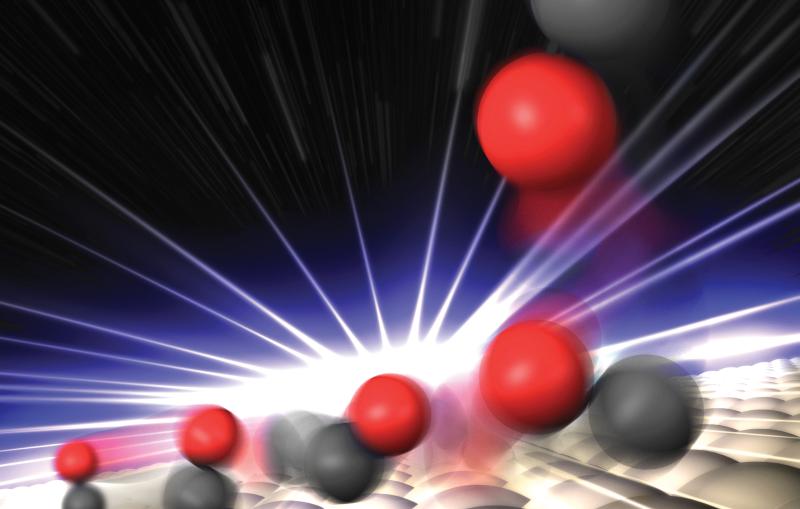
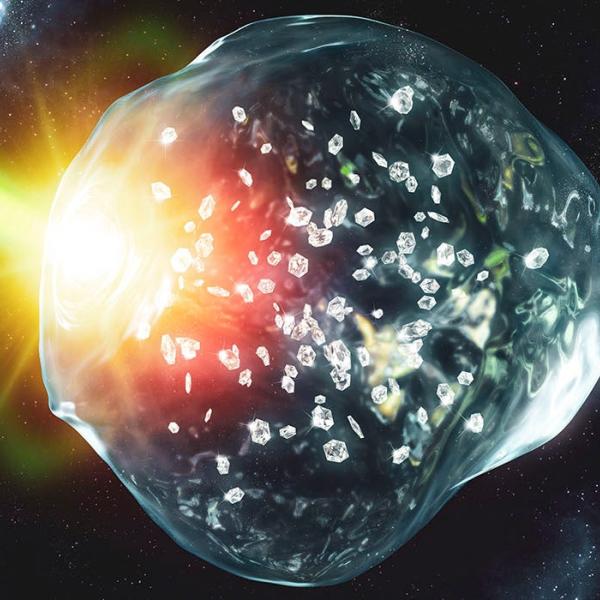
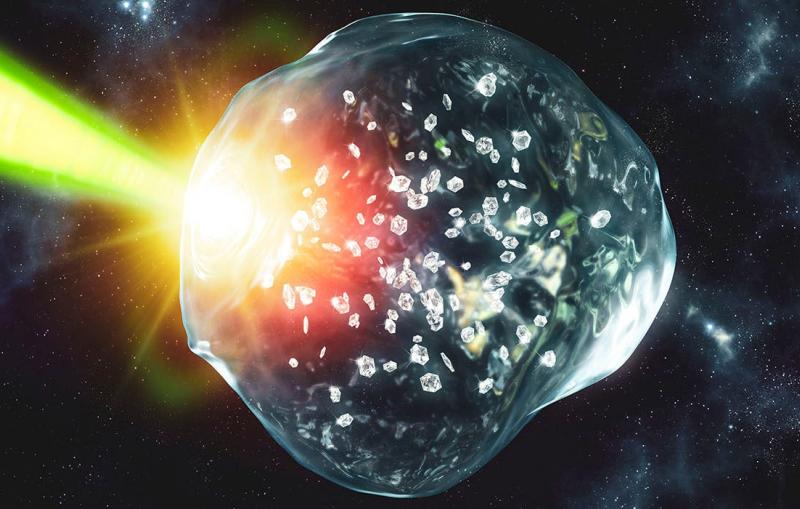
Studying a material that even more closely resembles the composition of ice giants, researchers found that oxygen boosts the formation of diamond rain.

Diamond rain formation
Video

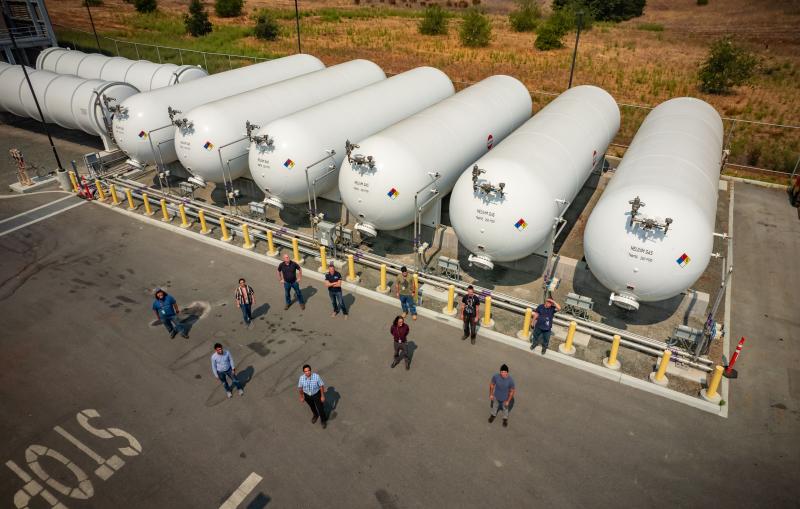
LCLS-II’s Eric Fauve explains how the team cools the accelerator to 2 kelvins. 

Cooling SLAC's linear accelerator to 2 kelvins
Video
Illustration
A cross section of the LCLS-II accelerator showing where liquid and gaseous helium flow in and out of the system.
Cross section showing pipes and liquid and gas helium
Feature

An extension of the Stanford Research Computing Facility will host several data centers to handle the unprecedented data streams that will be produced by...

SRCF-II
Feature

After almost two decades of synchrotron experiments, Caltech scientists have captured a clear picture of a cell’s nuclear pores, which are the doors and...

The nuclear pore and its components.
SLAC Science Explained

Molecular movie-making is both an art and a science; the results let us watch how nature works on the smallest scales.

Molecular movie filmstrip.
Feature

By revealing the chemistry of plant secretions, or exudates, these studies build a basis for better understanding and conserving art and tools made with...

Plant secretion from what is called "grass tree."
News Release

The facility, LCLS-II, will soon sharpen our view of how nature works on ultrasmall, ultrafast scales, impacting everything from quantum devices to clean energy.

LCLS-II cooldown
Animation
Now that the cavities have been cooled, the next step is to pump them with more than a megawatt of...
Cryomodule cavity animation