SLAC topics

X-ray scattering and diffraction RSS feed

X-ray scattering and diffraction are techniques used to study the atomic and molecular structure of materials. X-rays are directed at a sample, and the resulting scattering patterns provide information about the arrangement and movement of atoms in the sample. X-ray diffraction specifically analyzes the interference patterns that result from X-rays interacting with repeating structures in a material, enabling scientists to determine the precise arrangement of atoms and gain insights into the material's properties.
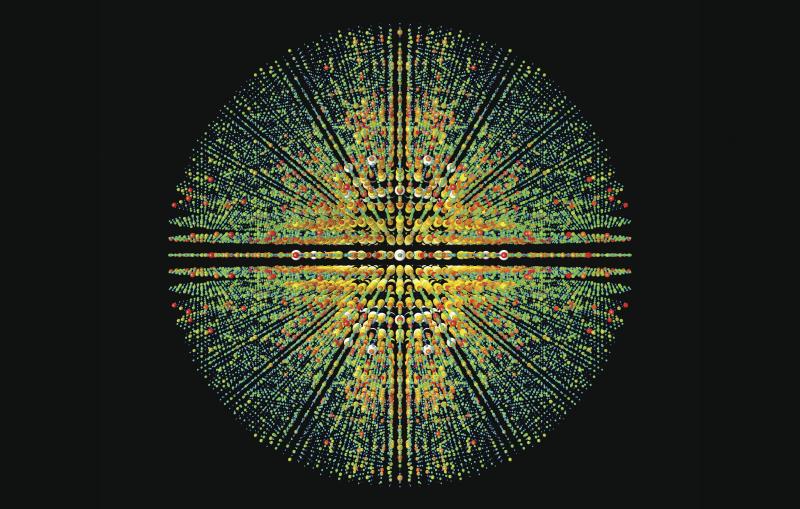
Illustration of LCLS diffraction protein crystals.
News Release

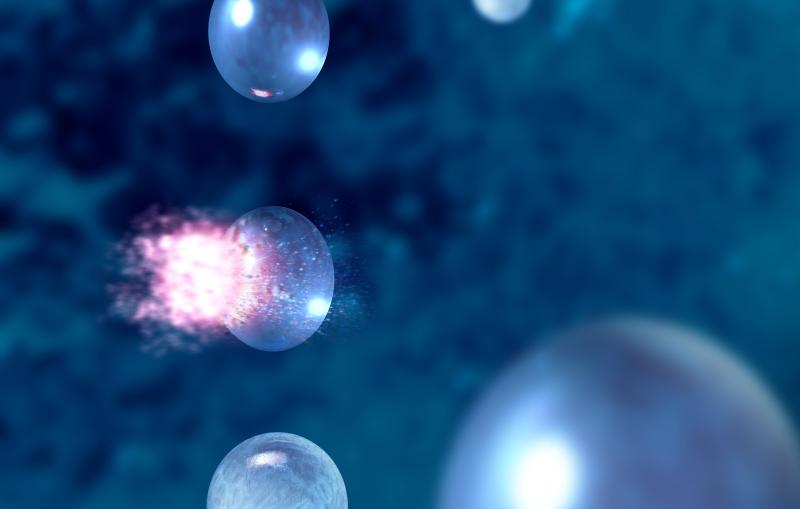
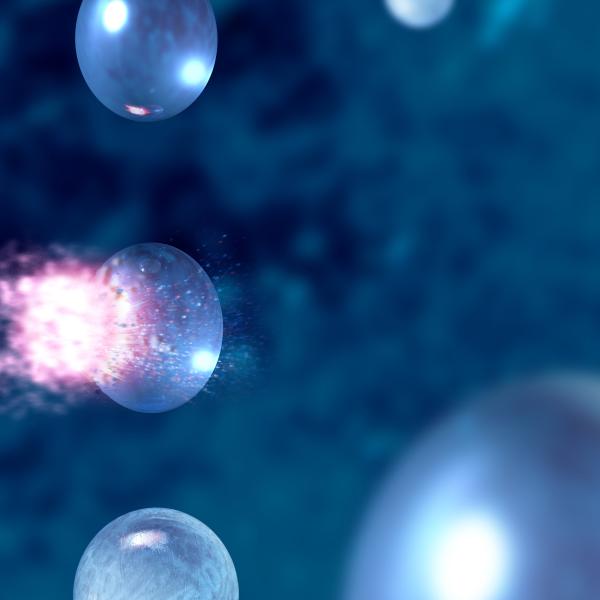
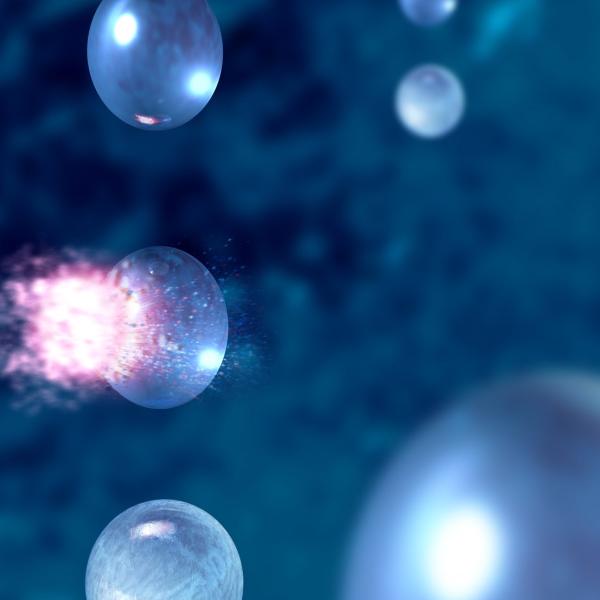
Scientists at the Department of Energy's SLAC National Accelerator Laboratory have made the first structural observations of liquid water at temperatures down to minus...

Artist's concept - see caption
Feature

Even in their infancy, X-ray lasers such as SLAC's Linac Coherent Light Source are notching a list of important discoveries, and a special issue...

Image - This illustration represents data derived from 175,000 X-ray diffraction patterns of Trapanosoma brucei cathepsin B, a protein relevant to African sleeping sickness, measured with X-ray pulses at SLAC's Linac Coherent Light Source. (CFEL)
Feature

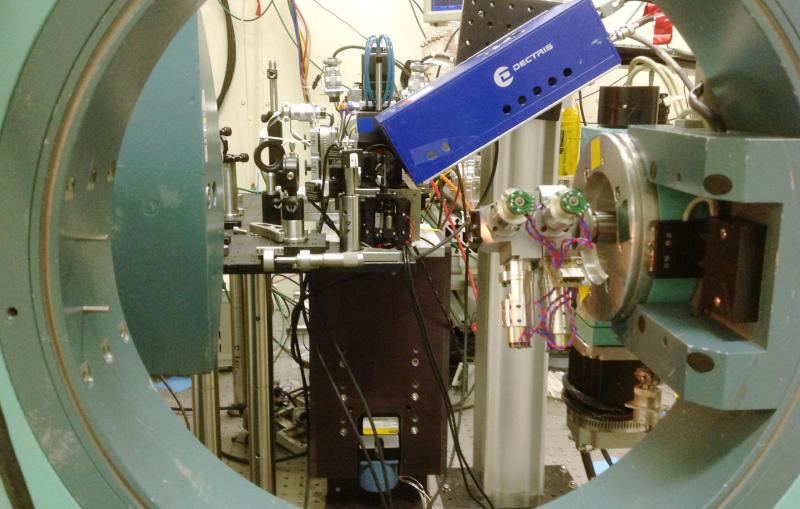
In a recent experiment at SLAC's Stanford Synchrotron Radiation Lightsource, scientists "tickled" atoms to explore the flow of heat and energy across materials at...

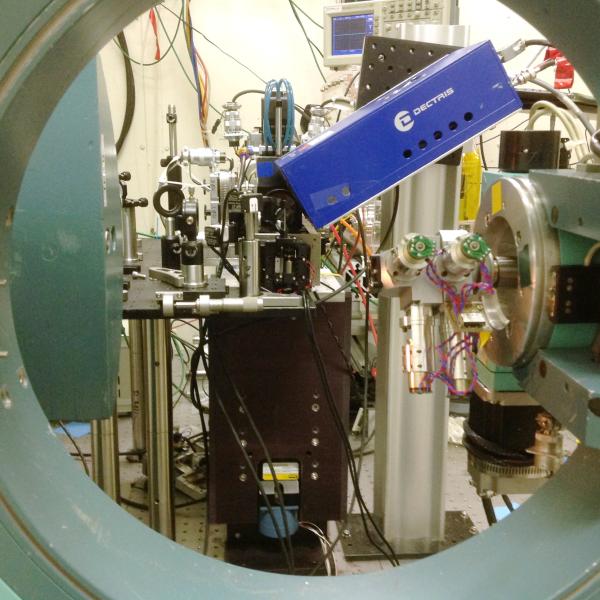
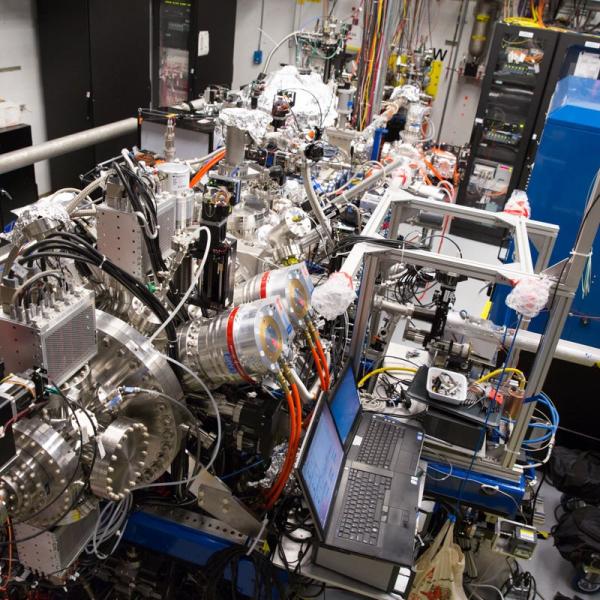
Photo - A view of a materials science experimental setup at SLAC's Stanford Synchrotron Radiation Lightsource (SSRL). The circular instrument that frames this photo is part of a diffractometer that was used to align samples and a detector with X-rays.
Feature

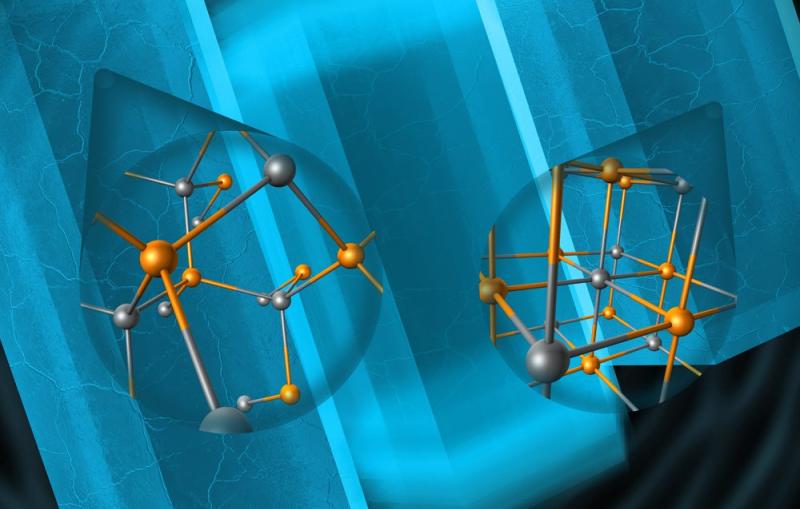
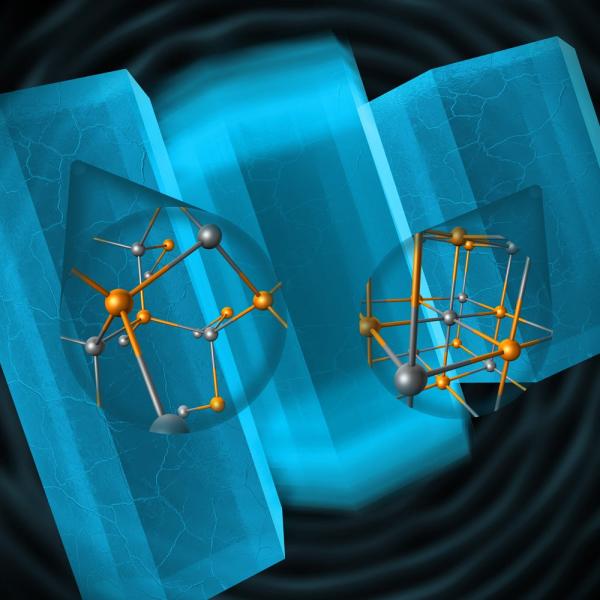
SLAC-led researchers have made the first direct measurements of a small, extremely rapid atomic rearrangement that dramatically changes the properties of many important materials.

The transformation of cadmium sulfide nanocrystals
Feature

Rolls-Royce researchers came to SLAC earlier this month as part of a team testing titanium and its alloys, such as those used in engine...

Photo - Despina Milathianaki, a staff scientist at SLAC's LCLS, holds a series of titanium alloy samples prepared for an experiment. The experiment was designed to study the laser-shocked state of the materials. (Fabricio Sousa/SLAC)
Feature

SLAC's Siegfried Glenzer has been selected to receive an Ernest Orlando Lawrence Award, presented by the U.S. Secretary of Energy to honor scientists across...

Photo - Siegfried Glenzer
Feature

Five years ago, the brightest source of X-rays on the planet lit up at SLAC. The Linac Coherent Light Source (LCLS) X-ray laser's scientific...

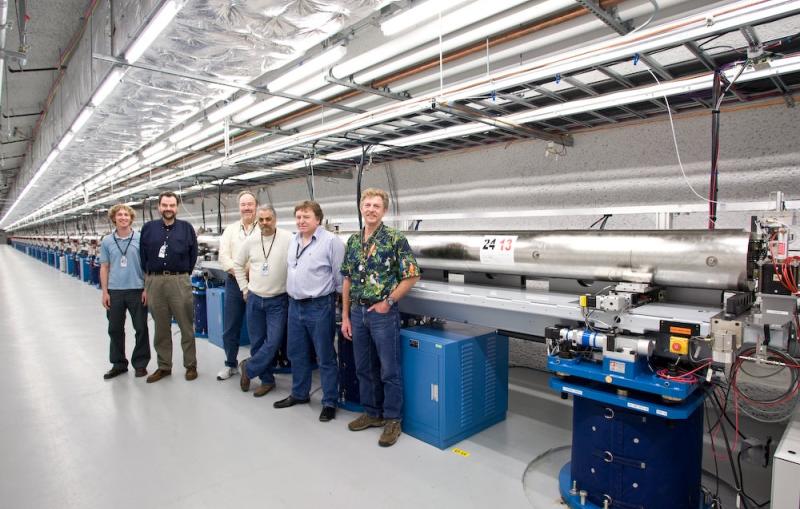
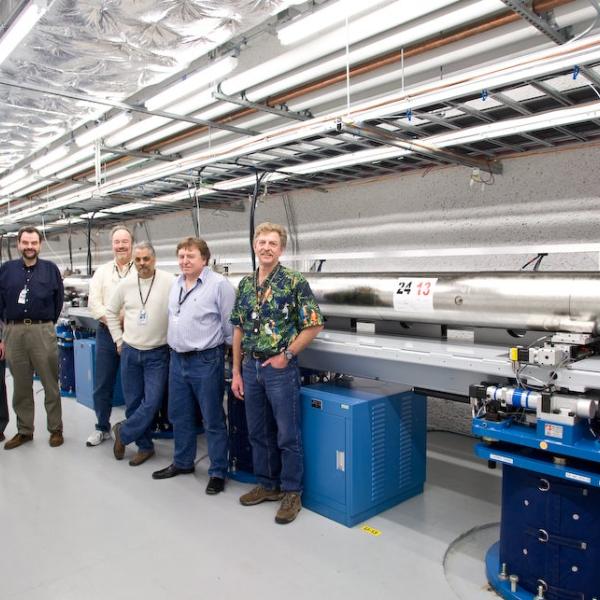
Image - Some of the LCLS team members stand by the newly installed undulators in this 2009 photo. From right: Mike Zurawel, Geoff Pile from Argonne National Laboratory, Paul Emma, Dave Schultz, Heinz-Dieter Nuhn and Don Schafer. (Brad Plummer)
Feature

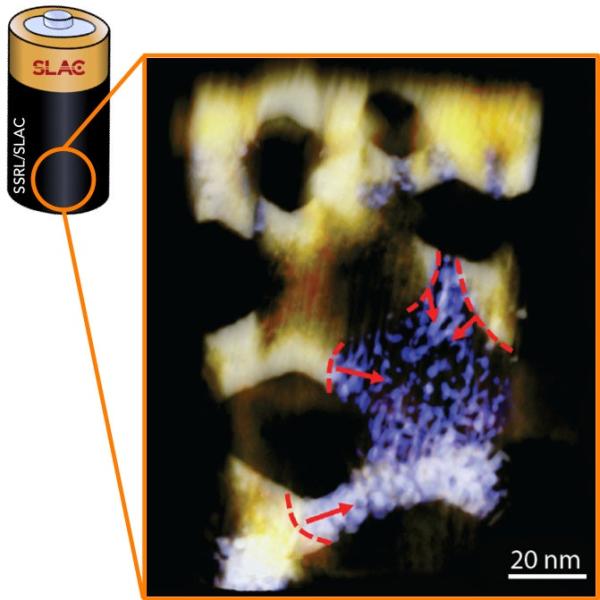
Windows that darken to filter out sunlight in response to electric current, function much like batteries. Now, X-ray studies at SLAC provide a crystal-clear...

lithium ions interact with an ultrathin sheet of nickel oxide
News Release

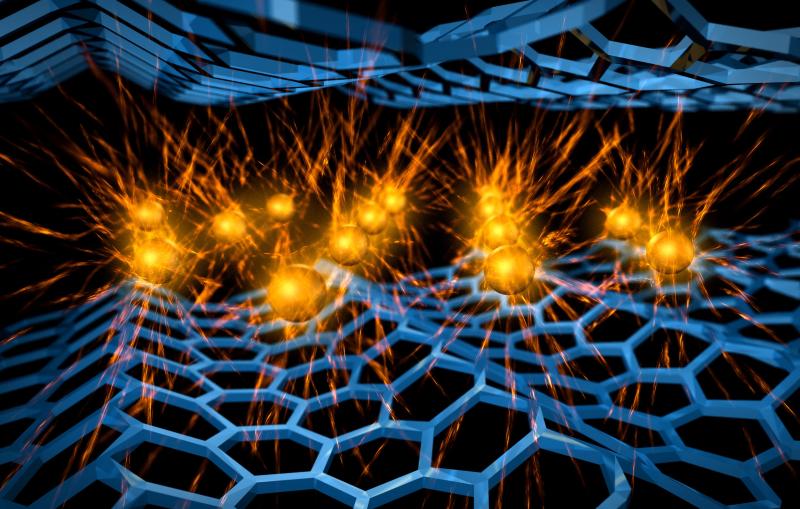
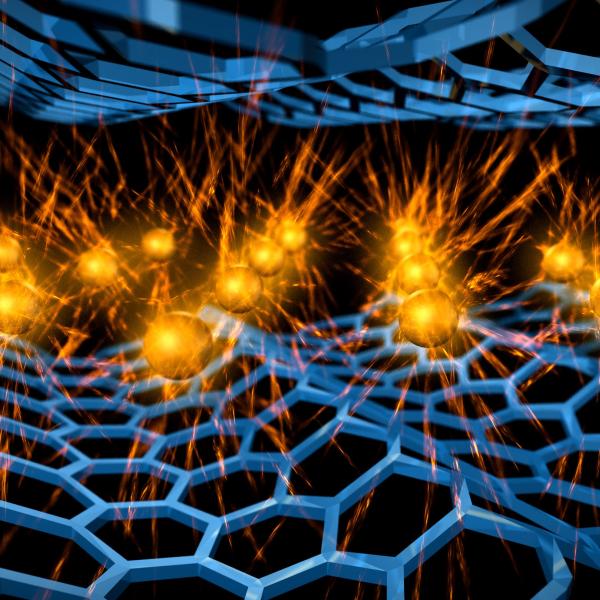
Scientists have discovered a potential way to make graphene – a single layer of carbon atoms with great promise for future electronics – superconducting...

Superconducting Graphene Layers
Feature

A new tool for analyzing mountains of data from SLAC’s Linac Coherent Lightsource (LCLS) X-ray laser can produce high-quality images of important proteins using...

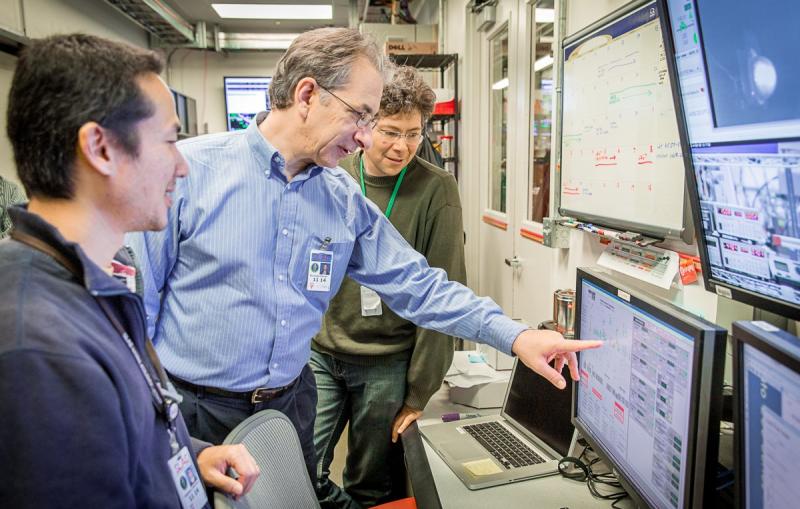
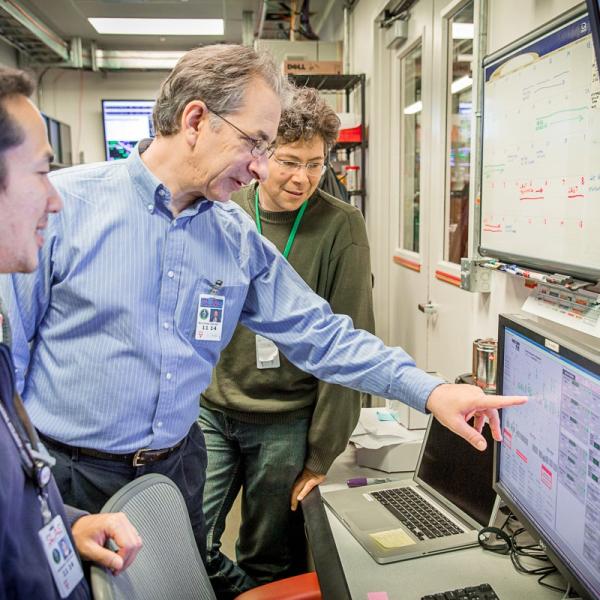
Photo - Nicholas Sauter, middle, points to a monitor during an experiment this month at SLAC's Linac Coherent Light Source X-ray laser.
Feature

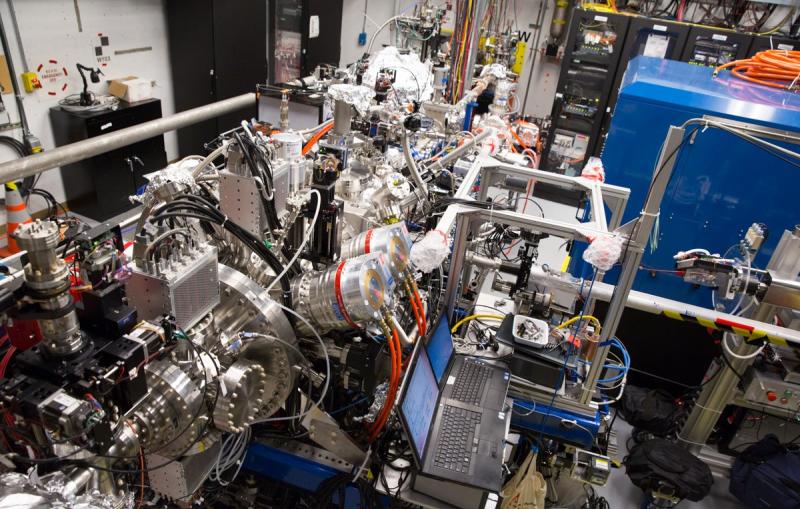
A 2-ton instrument the size of a compact car, now available at SLAC's X-ray laser, makes it possible to capture more detailed images of...

Photo - A view of the LAMP instrument at SLAC's Linac Coherent Light Source X-ray laser. (SLAC)
Feature

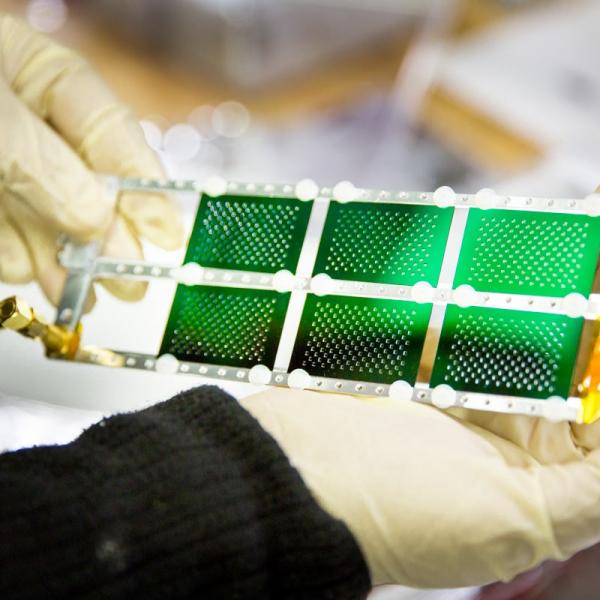
Teams from Stanford, SLAC and the University of Nebraska-Lincoln collaborate to make thin, transparent semiconductors that could become the foundation for cheap, high-performance displays.

See caption