SLAC topics

X-ray scattering and diffraction RSS feed

X-ray scattering and diffraction are techniques used to study the atomic and molecular structure of materials. X-rays are directed at a sample, and the resulting scattering patterns provide information about the arrangement and movement of atoms in the sample. X-ray diffraction specifically analyzes the interference patterns that result from X-rays interacting with repeating structures in a material, enabling scientists to determine the precise arrangement of atoms and gain insights into the material's properties.
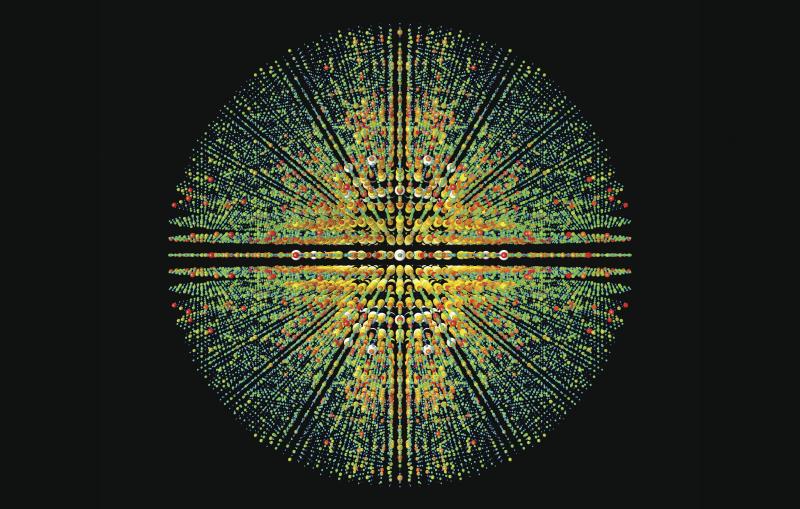
Illustration of LCLS diffraction protein crystals.
Feature

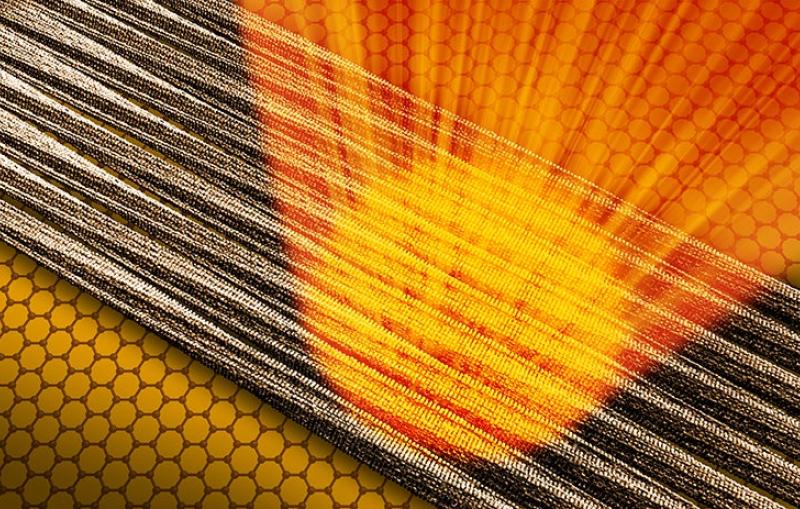
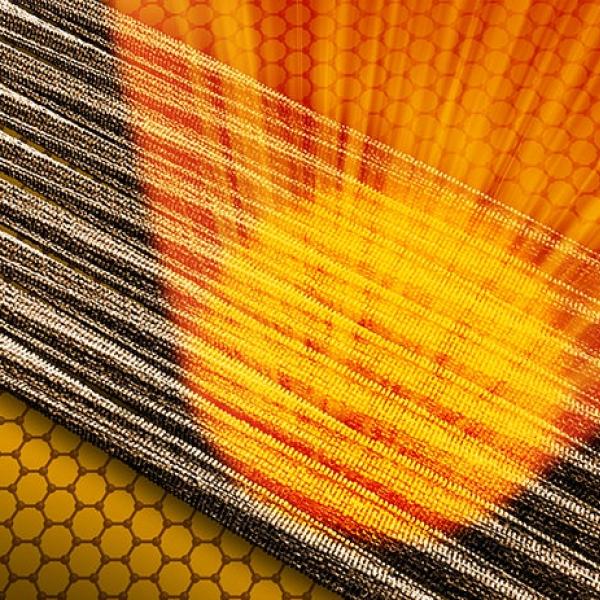
Like turning a snowball back into fluffy snow, a new technique turns high-density materials into a lower-density one by applying the chemical equivalent of...

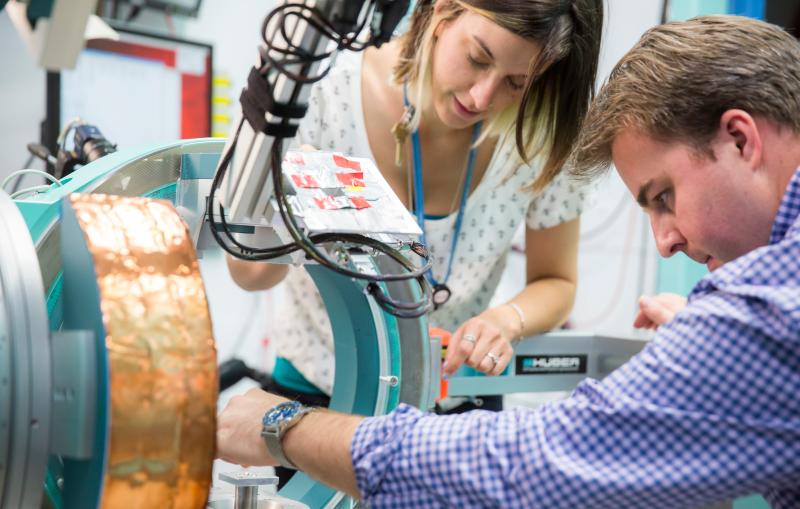
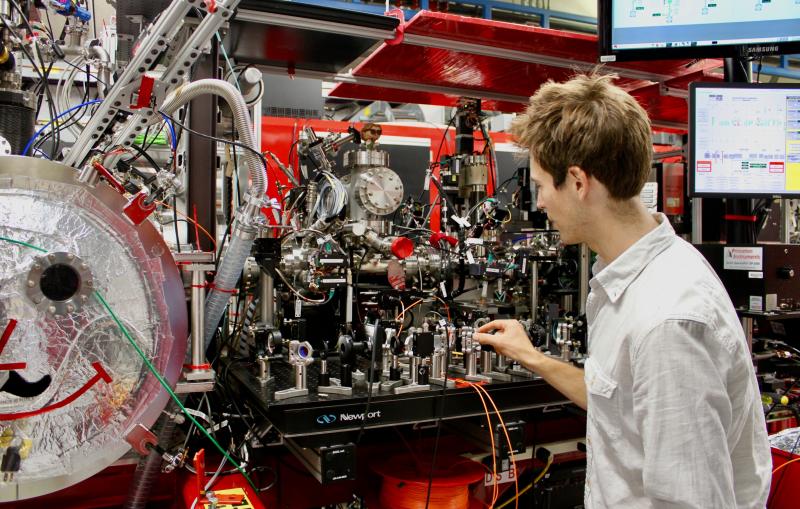
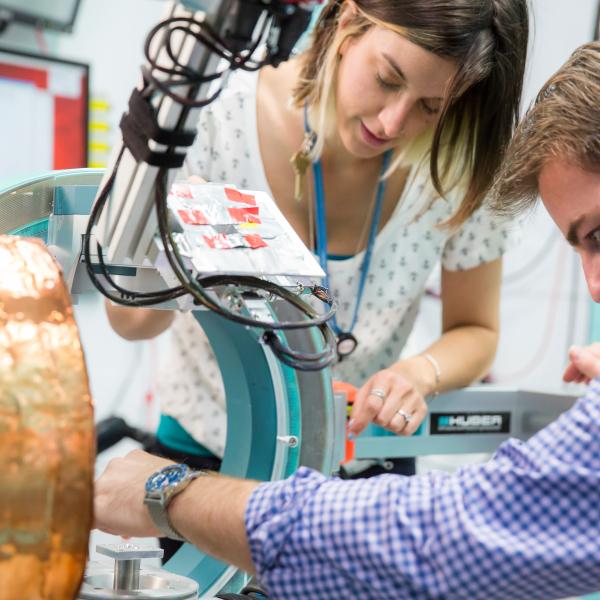
SLAC scientists working at SSRL experimental station
News Release

SLAC and its collaborators are transforming the way new materials are discovered. In a new report, they combine artificial intelligence and accelerated experiments to...

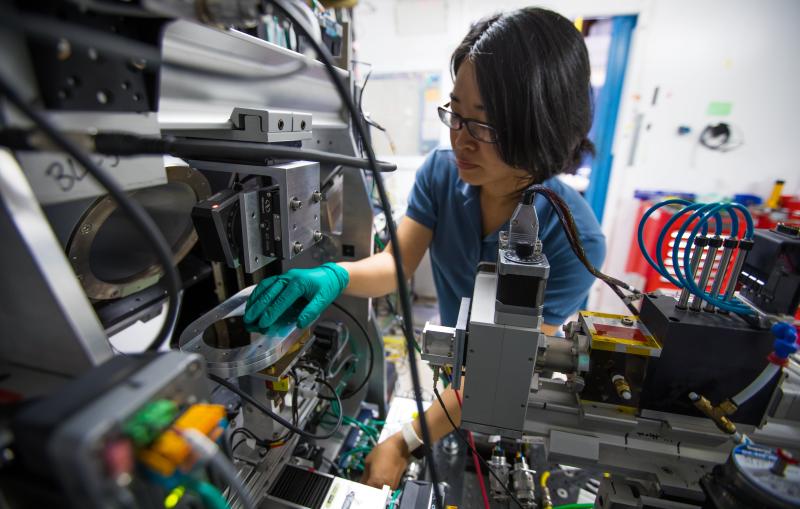
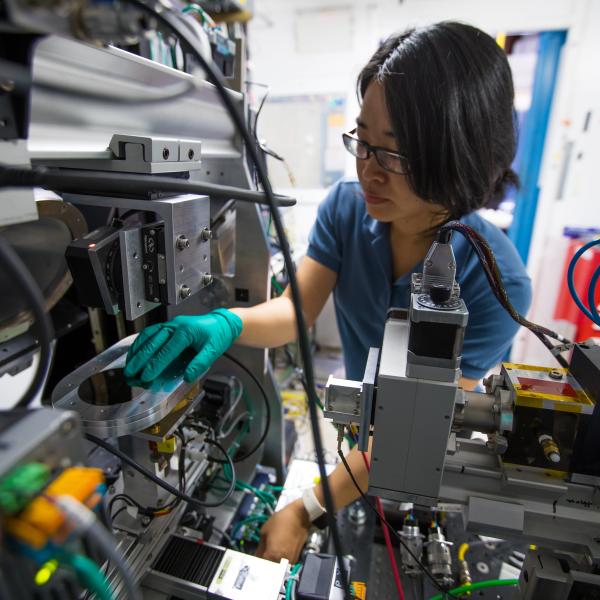
SLAC postdoctoral scholar Fang Ren at an SSRL beamline
Feature

Using SLAC’s X-ray laser, researchers have made detailed 3-D images of nanoscale biology, with future applications in the study of air pollution, combustion and...

Colorful image formed from multiple X-ray diffraction patterns.
Feature

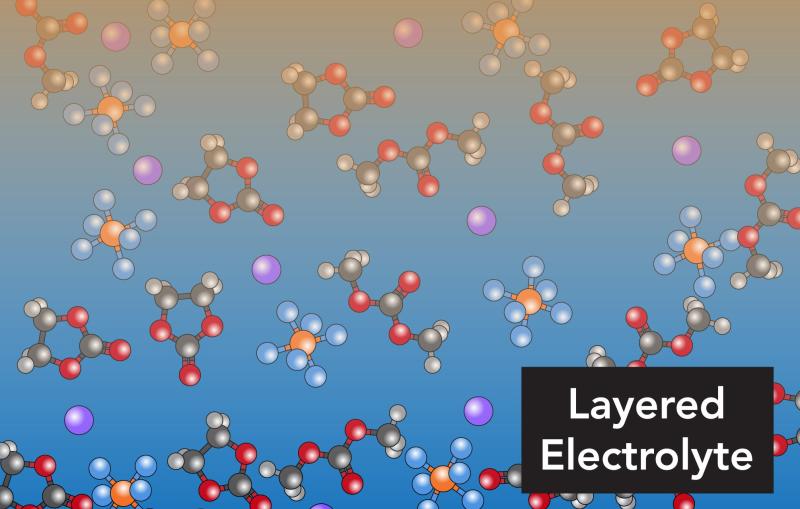
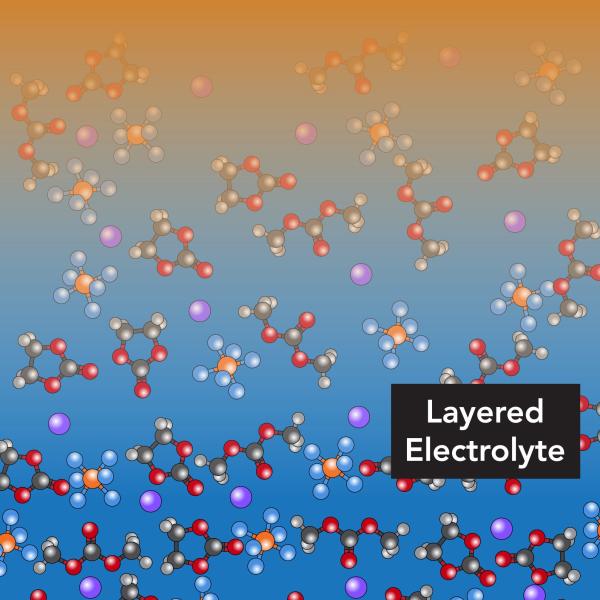
Streamlining their journey through the electrolyte could help lithium-ion batteries charge faster.

Illustration of molecular layers in battery electrolyte
Feature

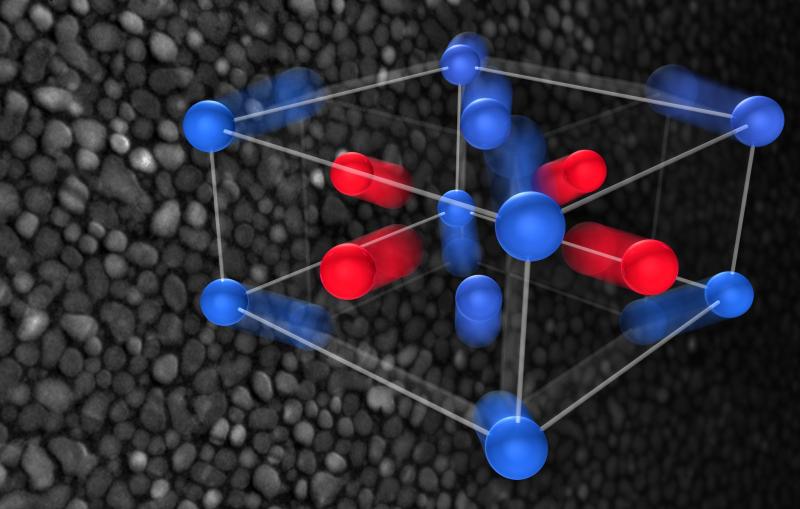
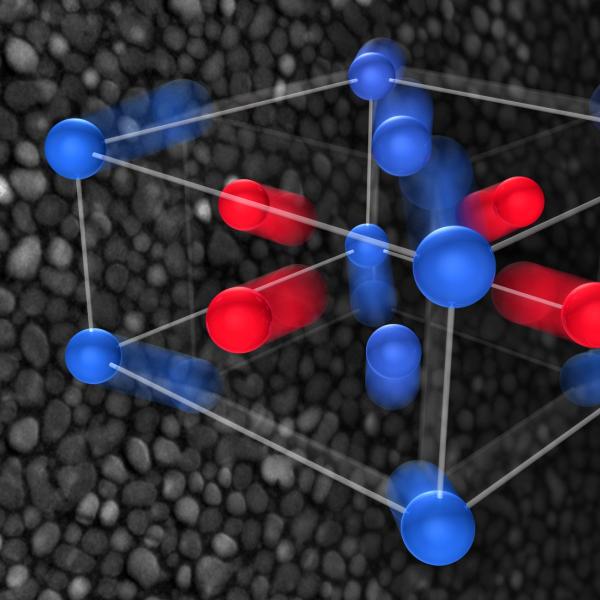
Combining X-ray and electron data from two cutting-edge SLAC instruments, researchers make the first observation of the rapid atomic response of iron-platinum nanoparticles to...

ultrafast electron diffraction on iron-platinum
Feature

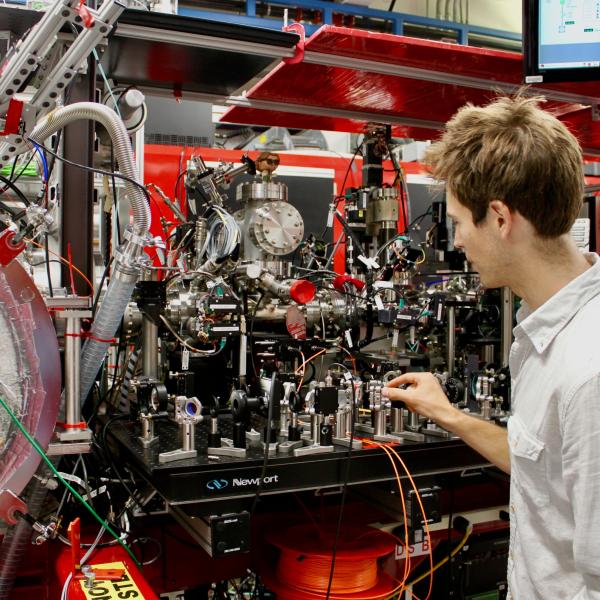
Biochemical 'action shots' with SLAC’s X-ray laser could help scientists develop synthetic enzymes for medicine and answer fundamental questions about how enzymes change during...

SLAC associate staff scientist Thomas Joseph Lane at the Coherent X-Ray Imaging instrument
Feature

A new way to observe this deformation as it happens can help study a wide range of phenomena, from meteor impacts to high-performance ceramics...

Image depicting an experiment at LCLS that shocks a tantalum sample
Feature

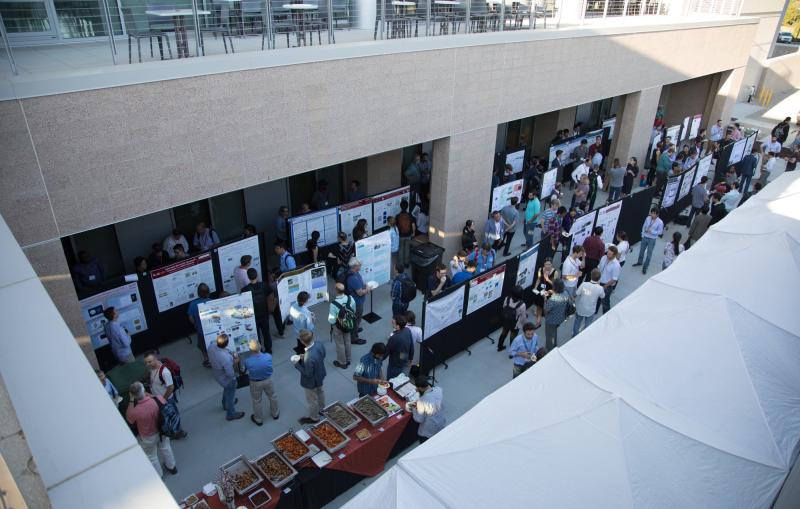
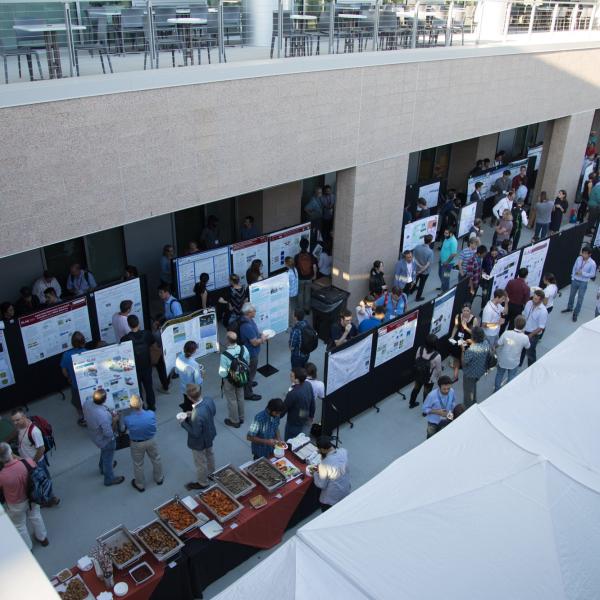
About 400 people attended the annual conference and workshops for scientists who conduct experiments at SLAC’s light sources.

Birds-eye view of the poster session
Feature

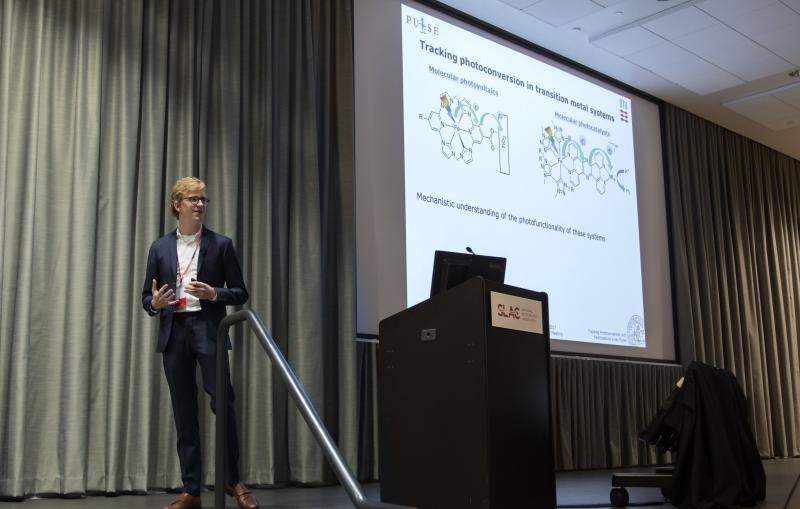
The early career award from SLAC’s X-ray laser recognizes Kjaer’s work in ultrafast X-ray science.

photo of Kasper Kjaer in Panofsky Auditorium
Feature

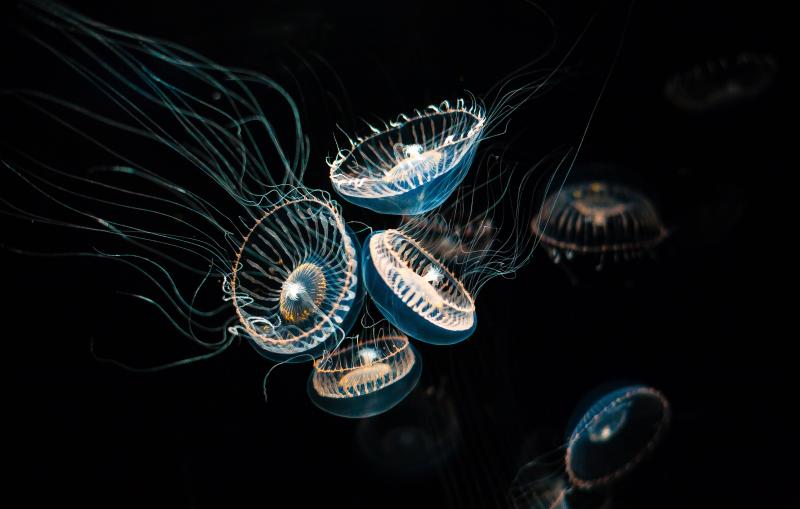
With SLAC’s X-ray laser, a research team captured ultrafast changes in fluorescent proteins between “dark” and “light” states. The insights allowed the scientists to...

Aequorea victoria, a bioluminescent jellyfish
News Release

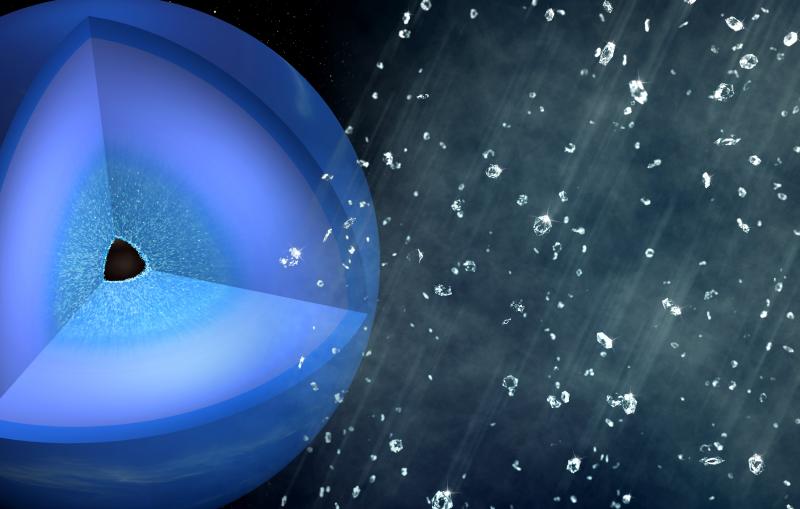
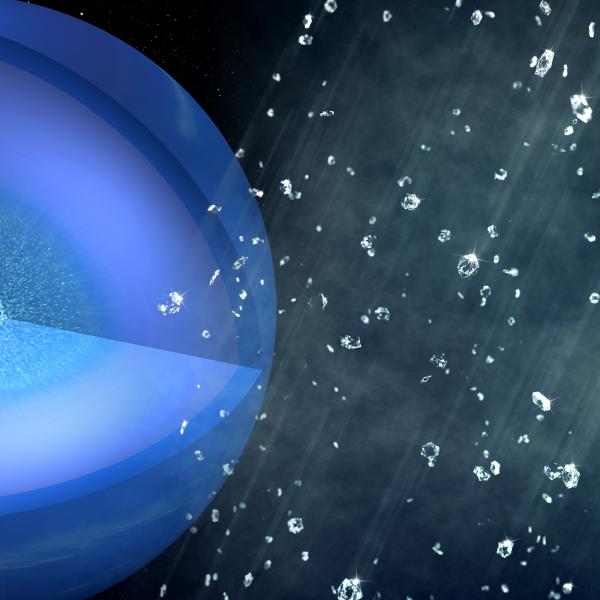
SLAC’s X-ray laser and Matter in Extreme Conditions instrument allow researchers to examine the exotic precipitation in real time as it materializes in the...

A cutaway depicts the interior of Neptune (right) and an illustration of diamond rain (left).
News Release

A serendipitous discovery lets researchers spy on this self-assembly process for the first time with SLAC’s X-ray synchrotron. What they learn will help them...

Illustration of nanocrystals forming into superlattices at SLAC's SSRL