
SLAC topics

X-ray scattering and diffraction RSS feed

X-ray scattering and diffraction are techniques used to study the atomic and molecular structure of materials. X-rays are directed at a sample, and the resulting scattering patterns provide information about the arrangement and movement of atoms in the sample. X-ray diffraction specifically analyzes the interference patterns that result from X-rays interacting with repeating structures in a material, enabling scientists to determine the precise arrangement of atoms and gain insights into the material's properties.
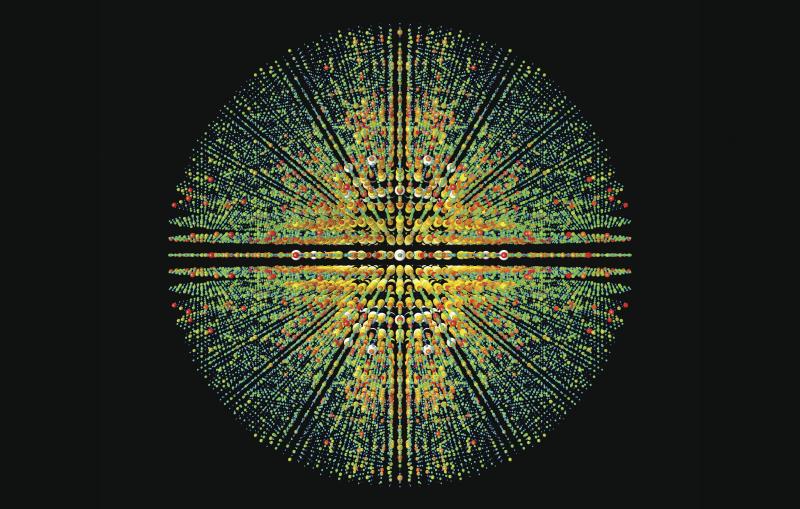

Illustration of LCLS diffraction protein crystals.
Feature

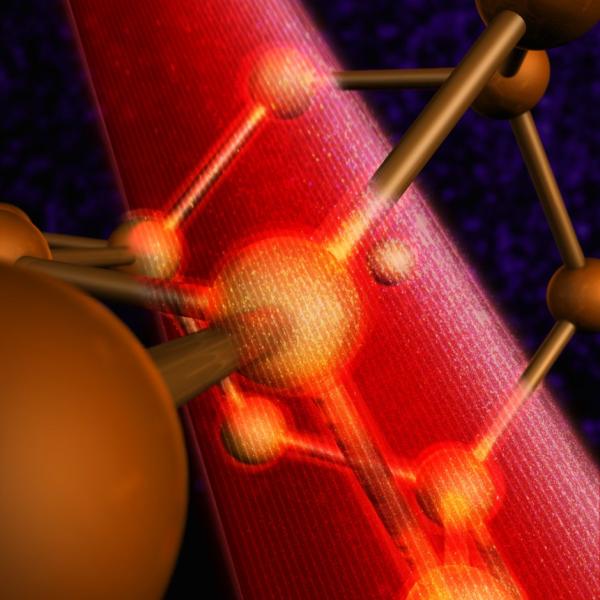
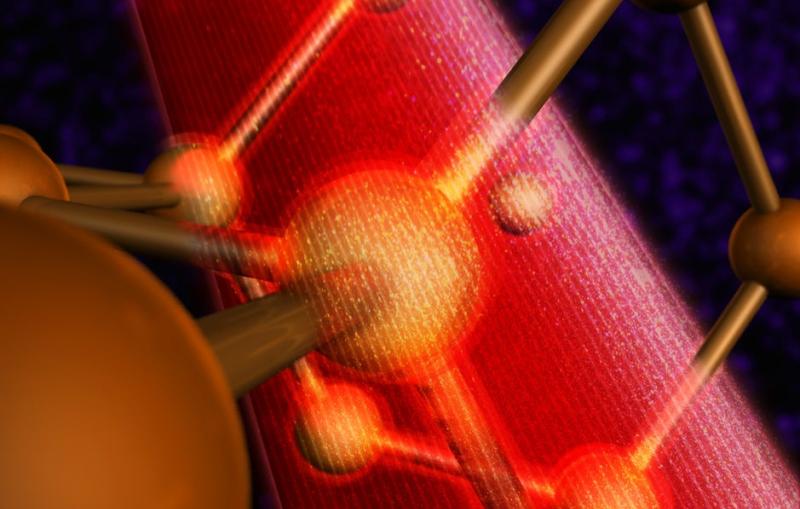
An international team led by scientists from two SLAC/Stanford institutes has devised a much faster and more accurate way of measuring subtle atomic vibrations...

Image showing laser beam energizing atoms in crystal lattic
Feature

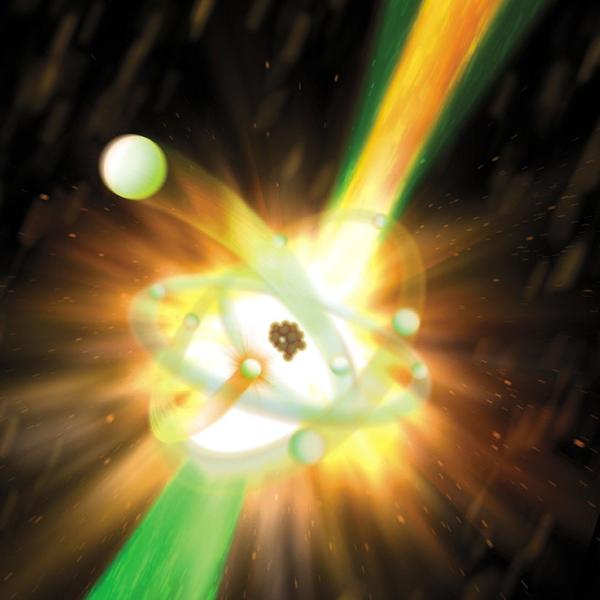
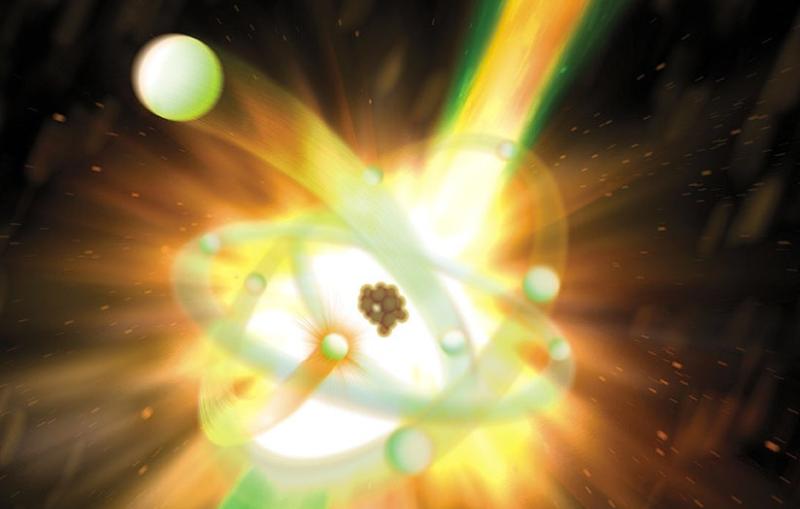
Researchers have found a new way to probe molecules and atoms with an X-ray laser, setting off cascading bursts of light that reveal precise...

Image - An X-ray pulse at SLAC's Linac Coherent Light Source strikes a neon atom, causing electrons to reshuffle and then re-emit light at a slightly different X-ray wavelength, and also stimulating a chain reaction of amplified light in neighboring atoms
News Release

A study shows for the first time that X-ray lasers can be used to generate a complete 3-D model of a protein without any...

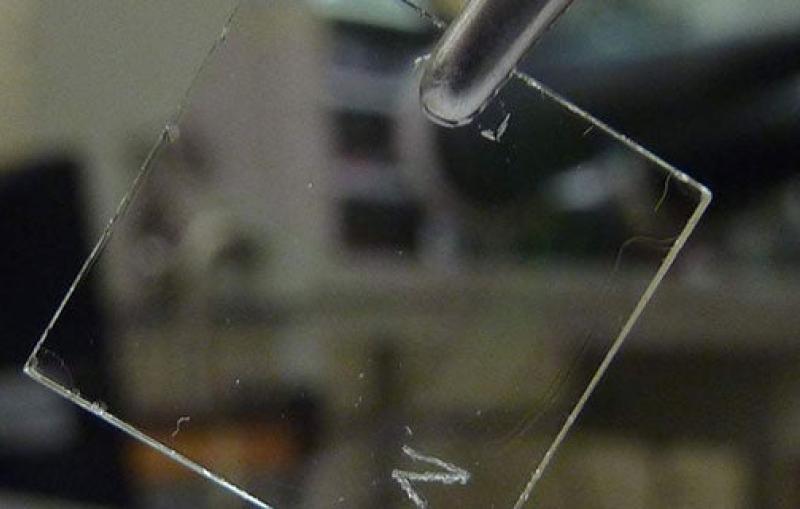
See caption
Feature

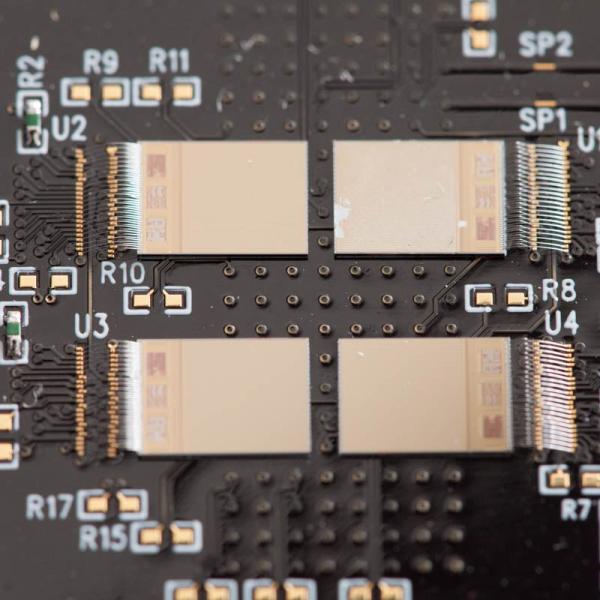
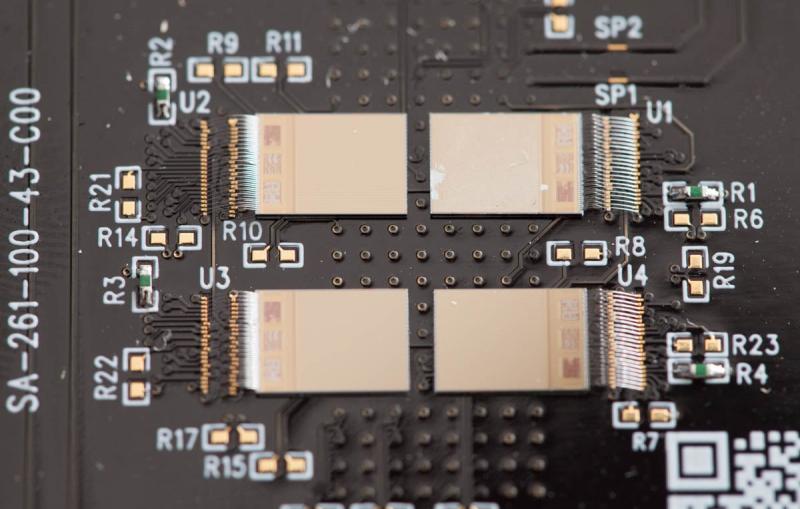
Scientists in SLAC's Integrated Circuits Department reach a new frontier in ultrafast X-ray science with intricately designed signal-processing chips that translate particles of light...

Four ePix100 prototype chips bonded in a test setup. (Brad Plummer/SLAC)
News Release

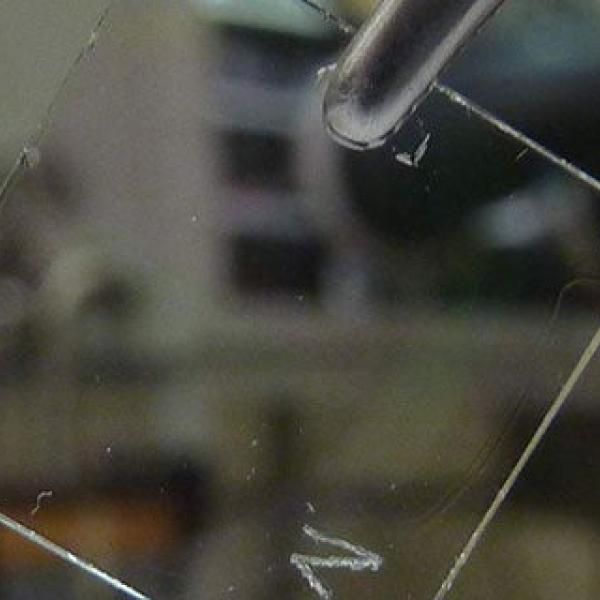
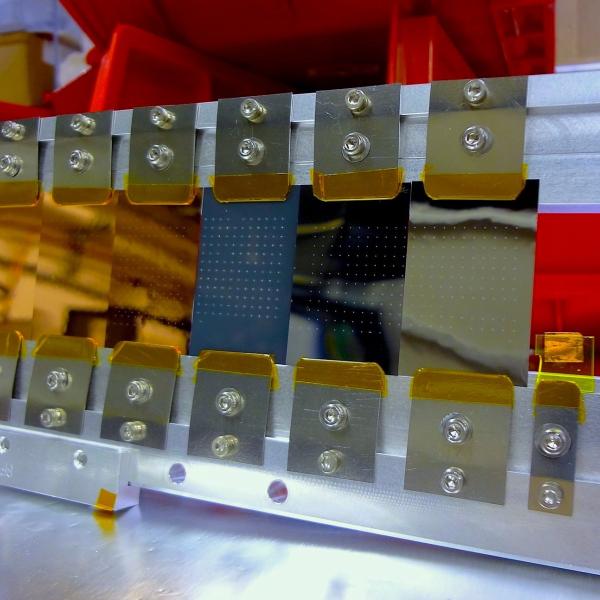
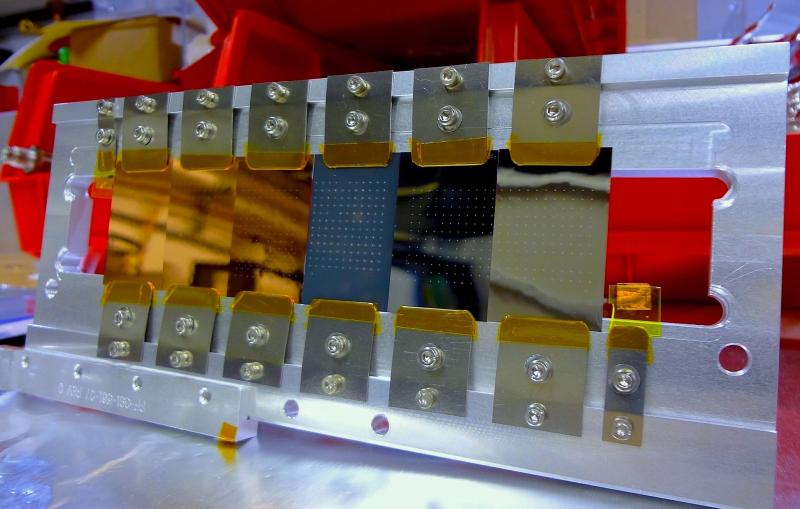
Scientists used the powerful X-ray laser at the U.S. Department of Energy's SLAC National Accelerator Laboratory to create movies detailing trillionths-of-a-second changes in the...

thin samples of copper, iron and titanium
Feature

Sean Brennan's decades of X-ray expertise keep pulling him back to SLAC even though he formally retired in 2008. During a recent visit to...

Photo - Sean Brennan is pictured here in 1997, his 20...
Feature

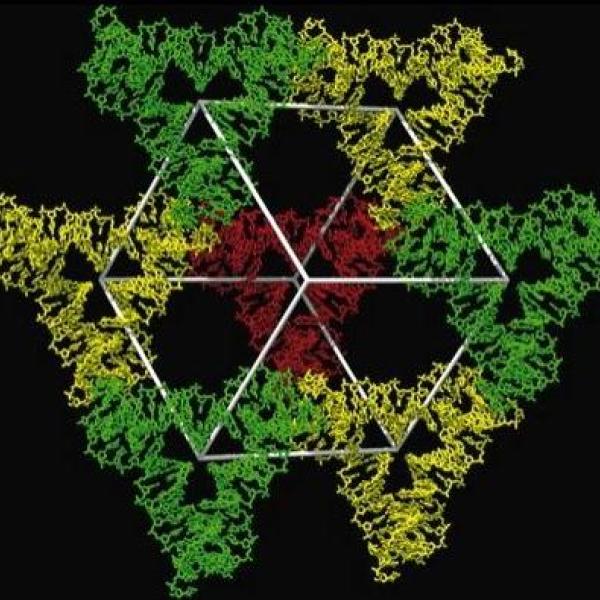
The founding father of DNA nanotechnology – a field that forges tiny geometric building blocks from DNA strands – recently came to SLAC to...

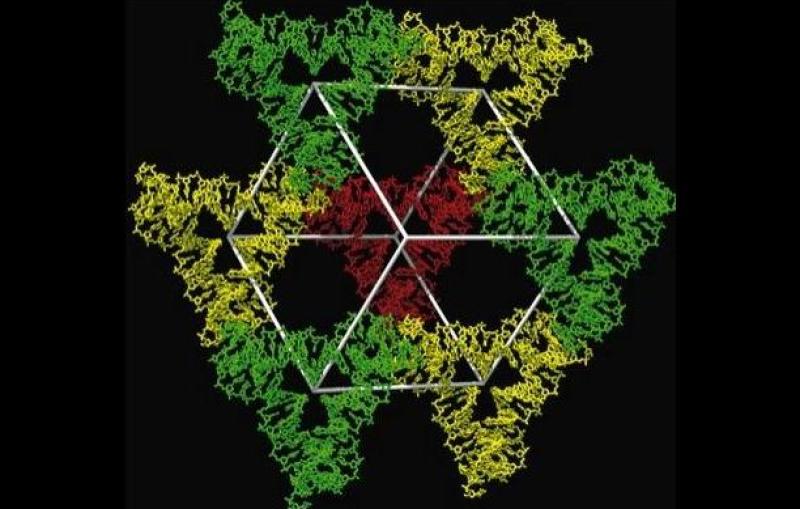
Image - Six-sided structure formed by DNA strands.
Feature

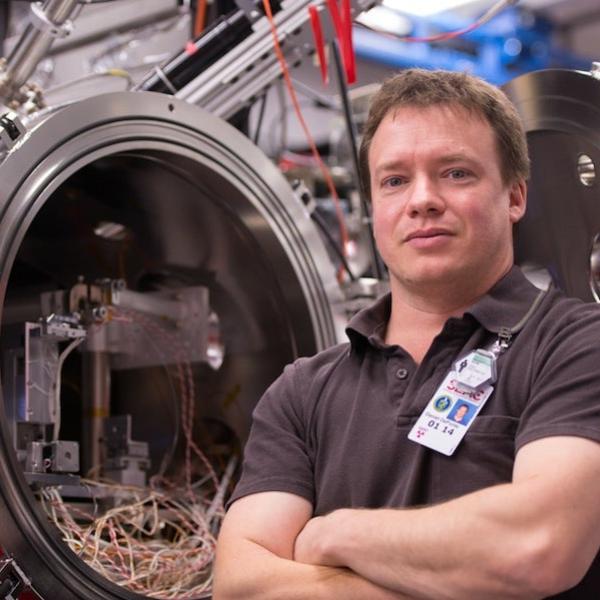
Daniel DePonte, a pioneer in finding ways to serve up a steady and precise supply of crystals, viruses and other precious samples for laser...

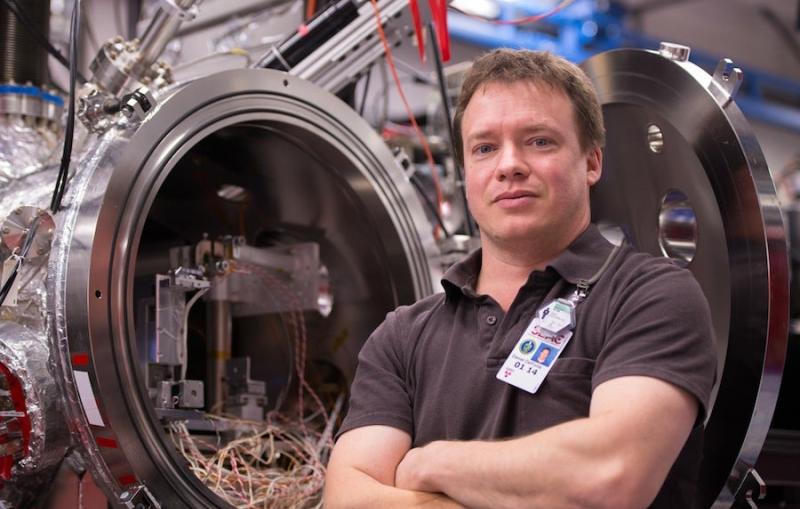
Photo - Daniel DePonte standing in experimental station.
Feature

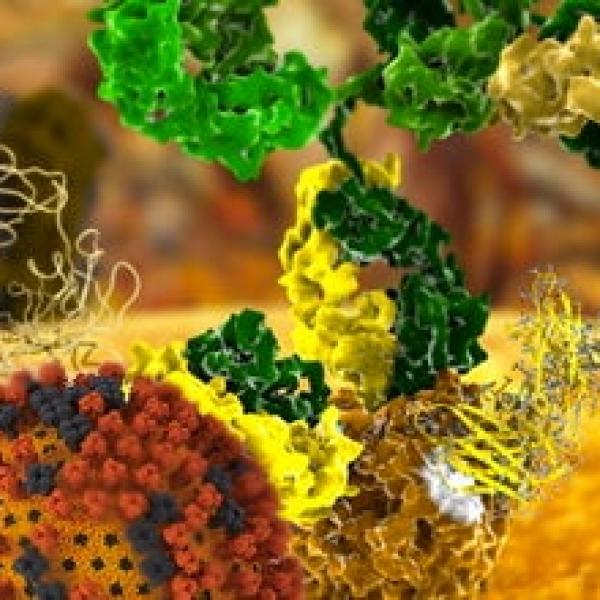
Understanding why proteins interact with certain specific molecules and not with the myriad others in their environment is a major goal of molecular biology.

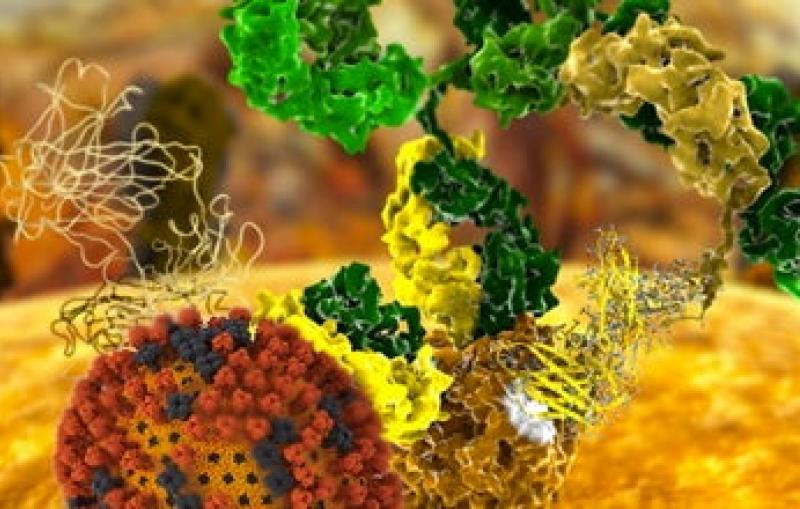
Conceptual art showing proteins and viruses
News Release

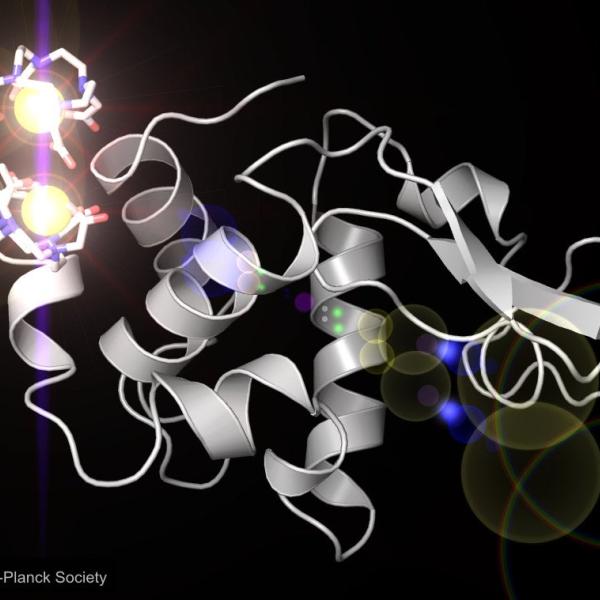
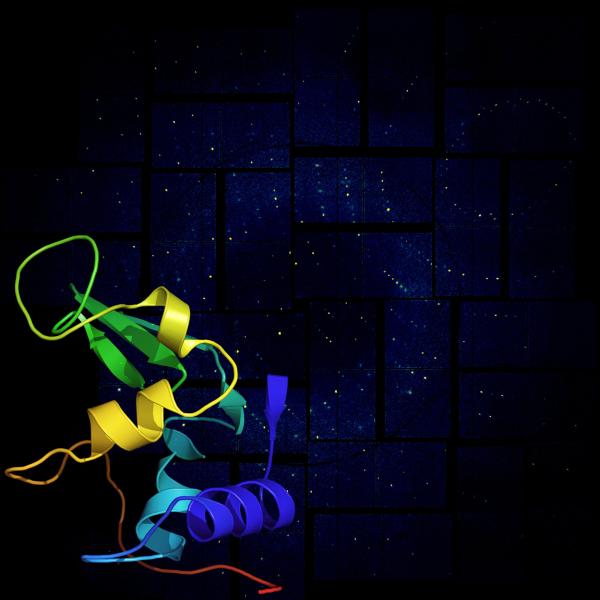
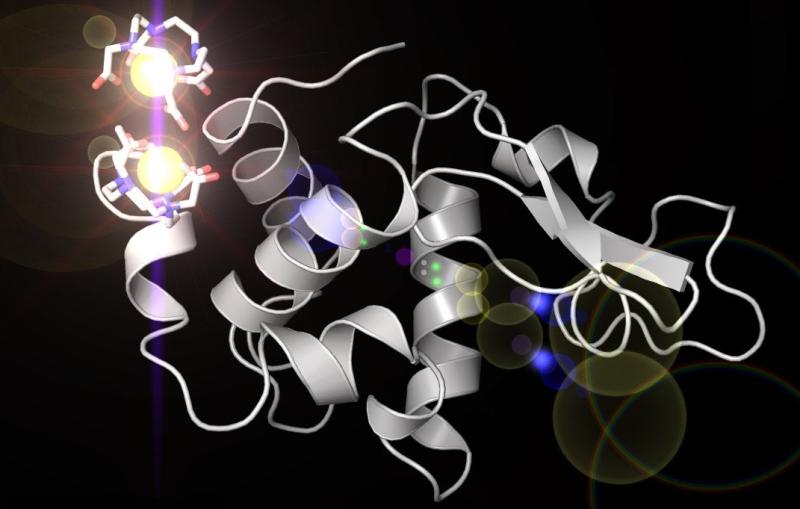
An international team led by the U.S. Department of Energy's (DOE) SLAC National Accelerator Laboratory has proved how the world's most powerful X-ray laser...

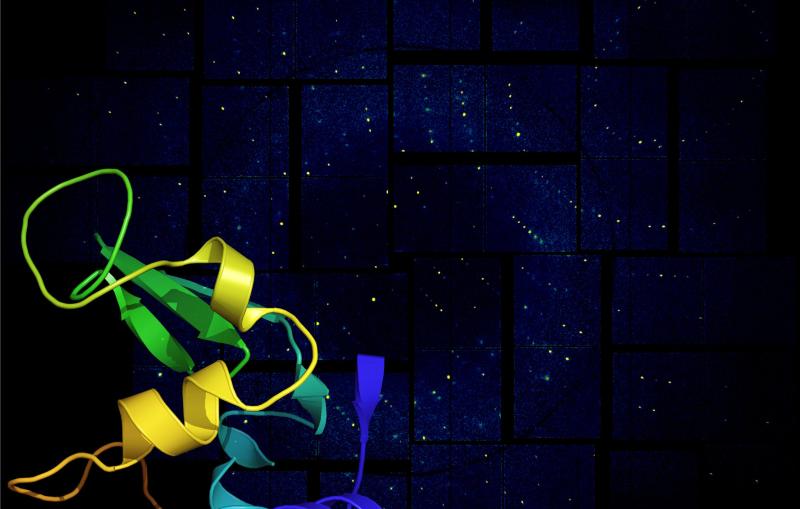
a lysozyme structural model against its X-ray diffraction pattern
Feature

If the excitement and enthusiasm of young scientists like Eric Verploegen could be pumped directly into the power grid, the world's energy problems could...

Eric Verploegen