SLAC topics

X-ray scattering and diffraction RSS feed

X-ray scattering and diffraction are techniques used to study the atomic and molecular structure of materials. X-rays are directed at a sample, and the resulting scattering patterns provide information about the arrangement and movement of atoms in the sample. X-ray diffraction specifically analyzes the interference patterns that result from X-rays interacting with repeating structures in a material, enabling scientists to determine the precise arrangement of atoms and gain insights into the material's properties.
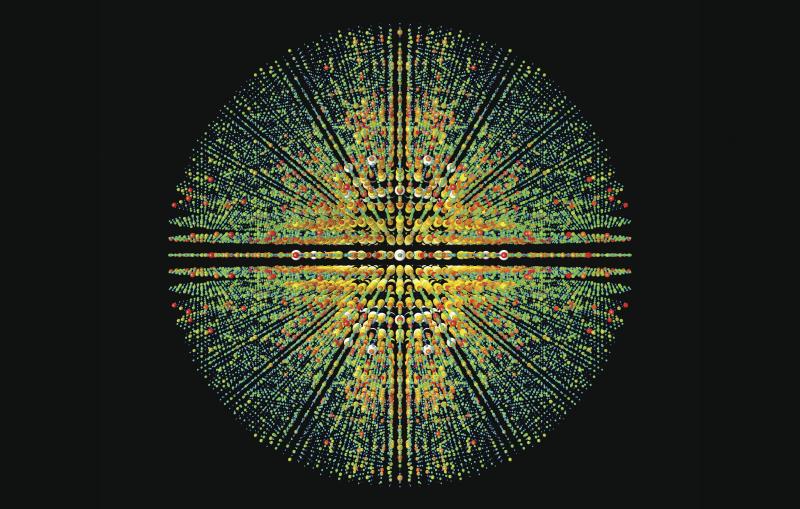
Illustration of LCLS diffraction protein crystals.
Feature

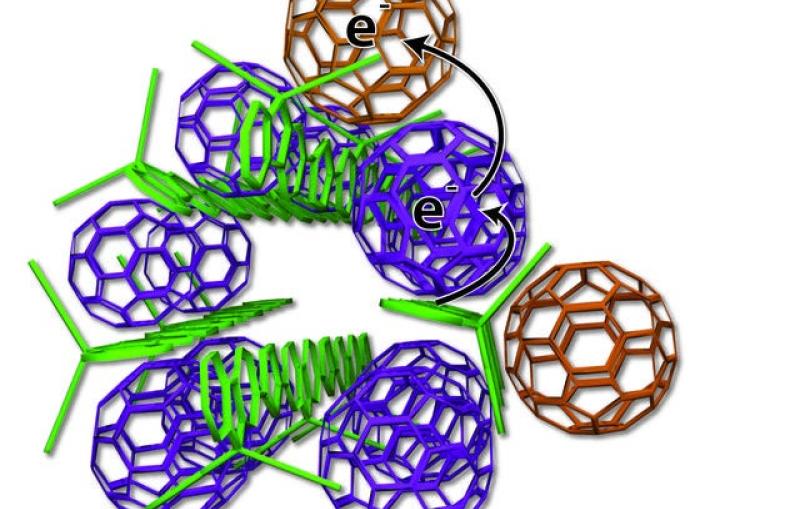
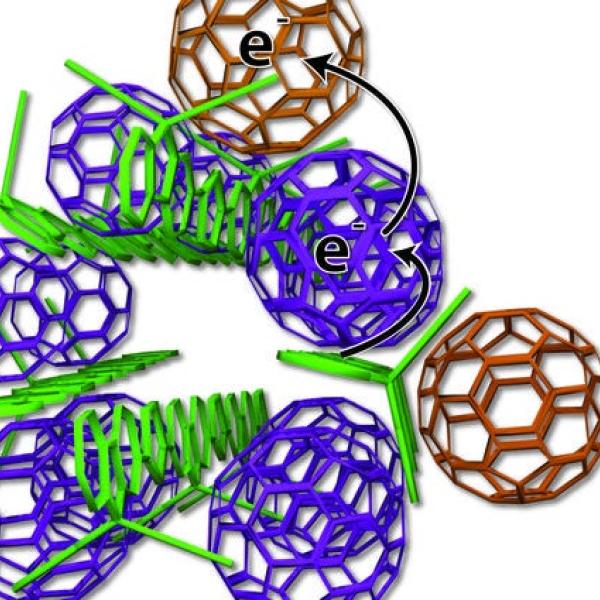
A new design tested in experiments at SLAC National Accelerator Laboratory could improve plastic solar panel materials.

Scientists devised a new arrangement of solar cell ingredients, with bundles of polymer donors (green rods) and neatly organized carbon molecules, also known as fullerenes or buckyballs, serving as acceptors (purple, tan). (UCLA)
News Release

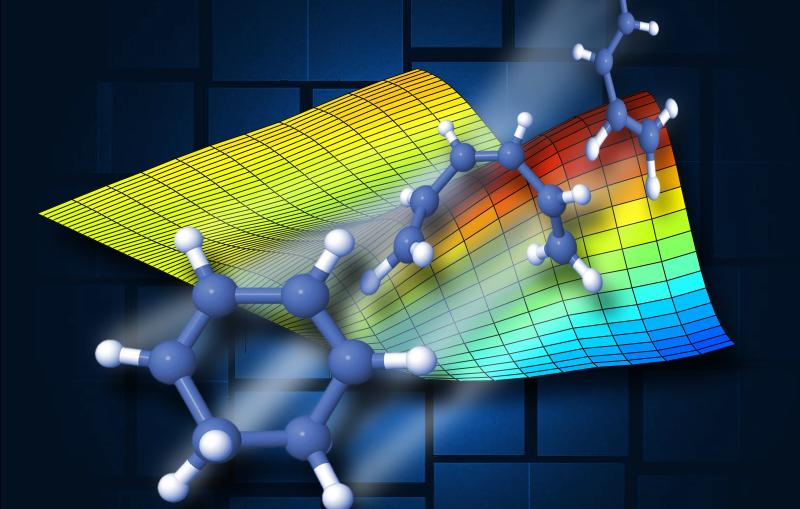
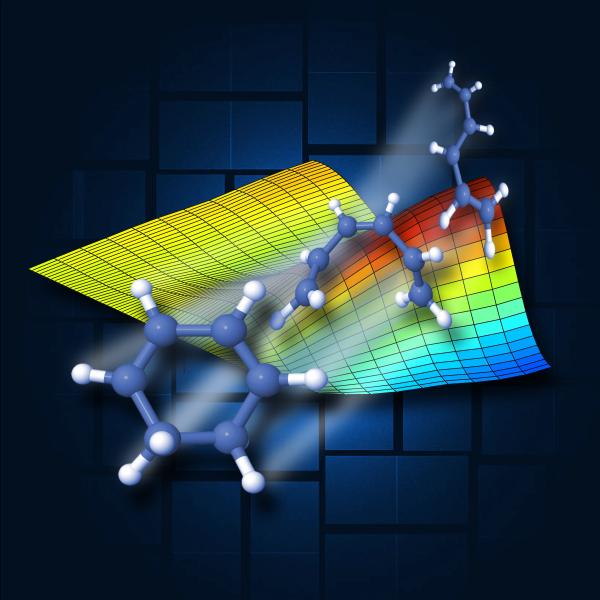
Scientists for the first time tracked ultrafast structural changes, captured in quadrillionths-of-a-second steps, as ring-shaped gas molecules burst open and unraveled.

Image - This illustration shows shape changes that occur in quadrillionths-of-a-second intervals in a ring-shaped molecule that was broken open by light. (SLAC)
Feature

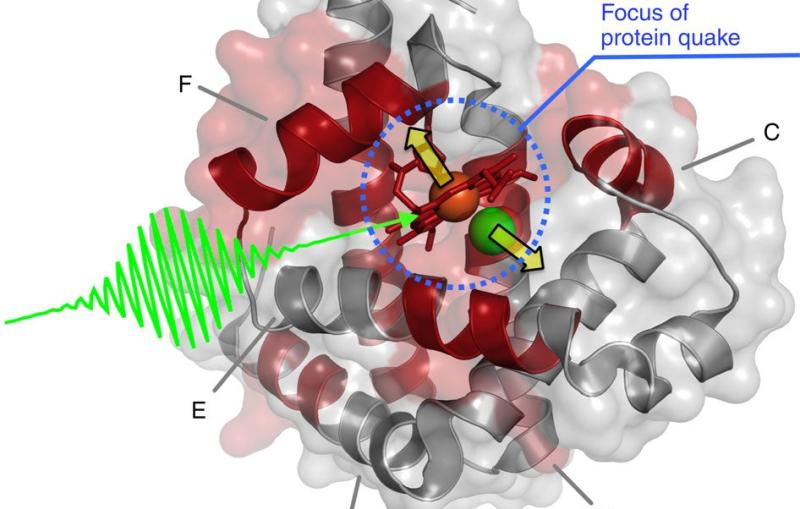
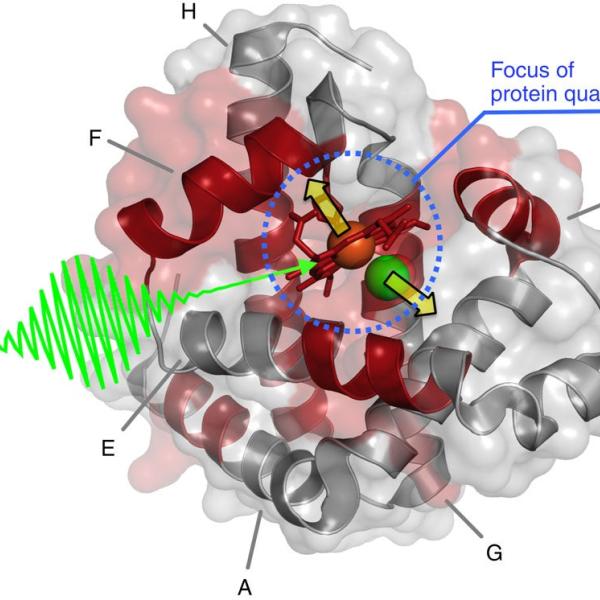
An experiment at SLAC’s X-ray laser provides new insight into the ultrafast motions of a muscle protein in a basic biochemical reaction.

Computerized rendering of 3-D structure of myoglobin. The jagged green line represents a pulse of la
Feature

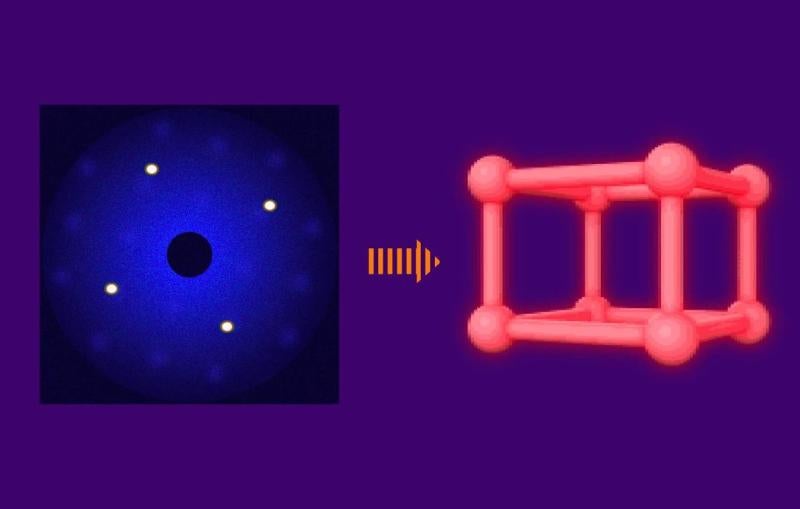
SLAC study of tiny nanocrystals provides new insight on the design and function of nanomaterials

Image - In this illustration, intense X-rays produced at SLAC's Linac Coherent Light Source strike nanowires to study an ultrafast "breathing" response in the crystals induced quadrillionths of a second earlier by pulses of optical laser light.
Feature

Scientists have used SLAC’s X-ray laser to produce detailed images of tiny cellular structures that play a major role in Earth’s life-sustaining carbon cycle.

Image - A geometric structure from a bacterial cell, called a carboxysome, is struck by an X-ray pulse (purple) at SLAC’s Linac Coherent Light Source. (SLAC National Accelerator Laboratory)
News Release

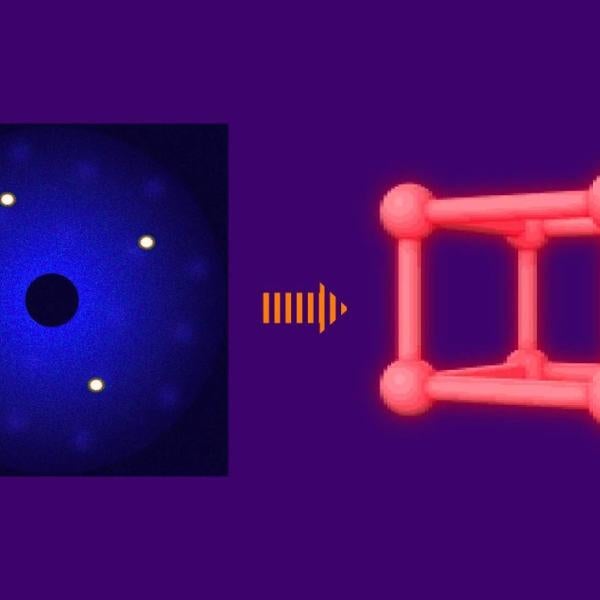
A study at the Department of Energy’s SLAC National Accelerator Laboratory suggests for the first time how scientists might deliberately engineer superconductors that work...

Feature

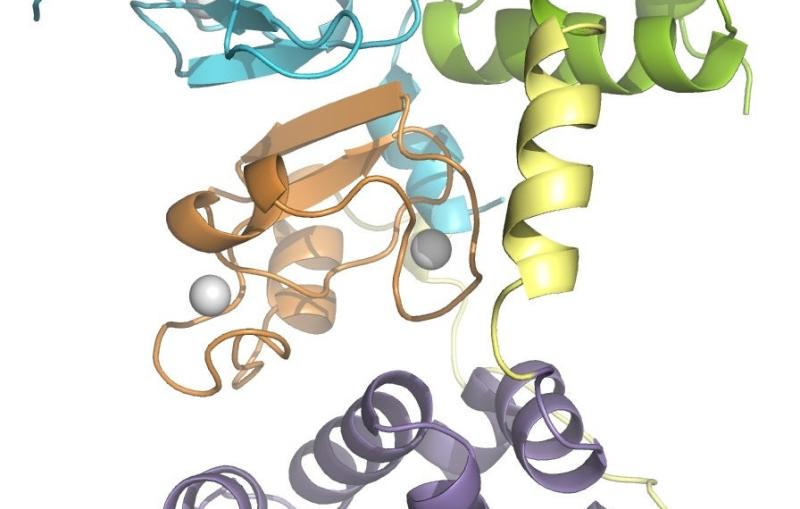
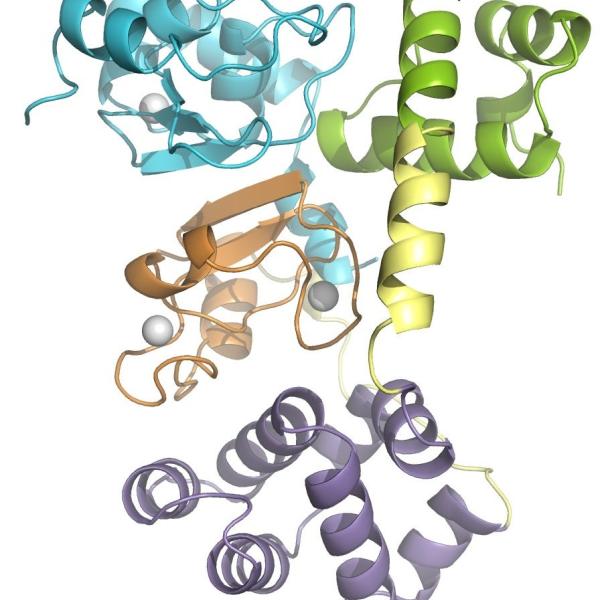
Scientists at Genentech and SLAC have watched a key human protein change from a form that protects cells to one that kills them, providing...

The structure of cellular inhibitor-of-apoptosis protein 1
Feature

Ultimate Goal: A Super-efficient Way to Conduct Electricity at Room Temperature

SLAC Staff Scientist Wei-sheng Lee
Feature

Lee comes from MIT, where his team recently discovered a fundamentally new type of magnetic behavior in a mineral called herbertsmithite.

SLAC and Stanford Professor Young S. Lee
Feature

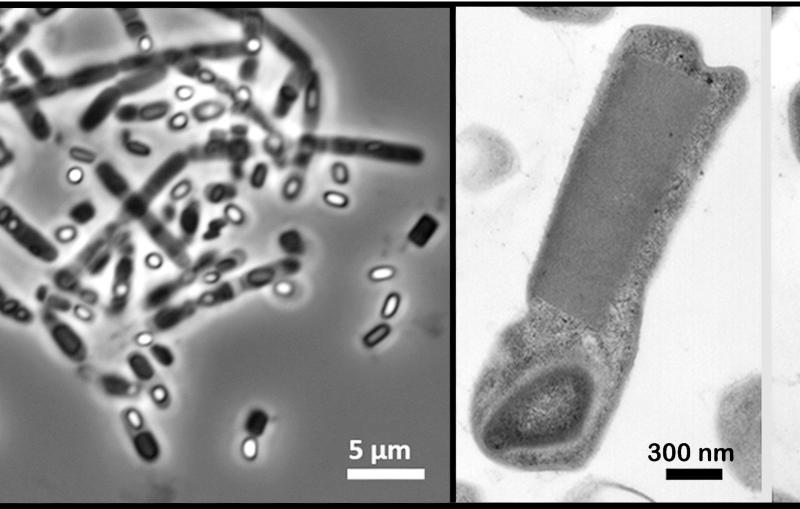
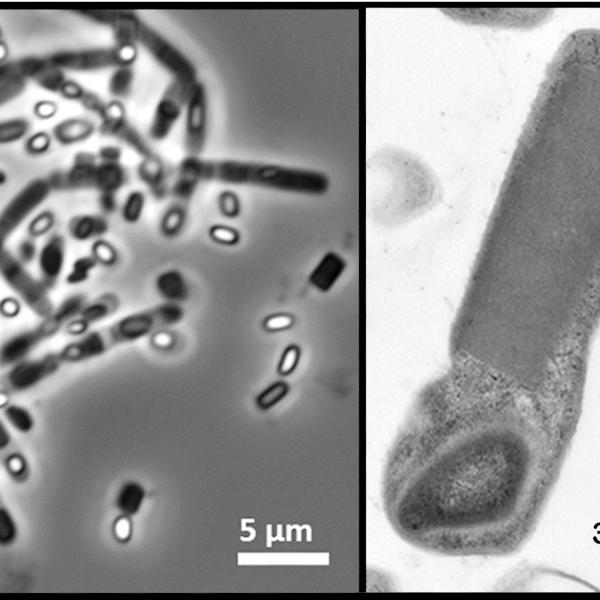
Experiment at SLAC's X-ray Laser Opens Door to Exploring Cell Interiors

Image - These micrograph images show rod-shaped bacterial cells suspended in pure water. The dark rectangular shapes inside the cells correspond to naturally occurring crystals within the cells.
Feature

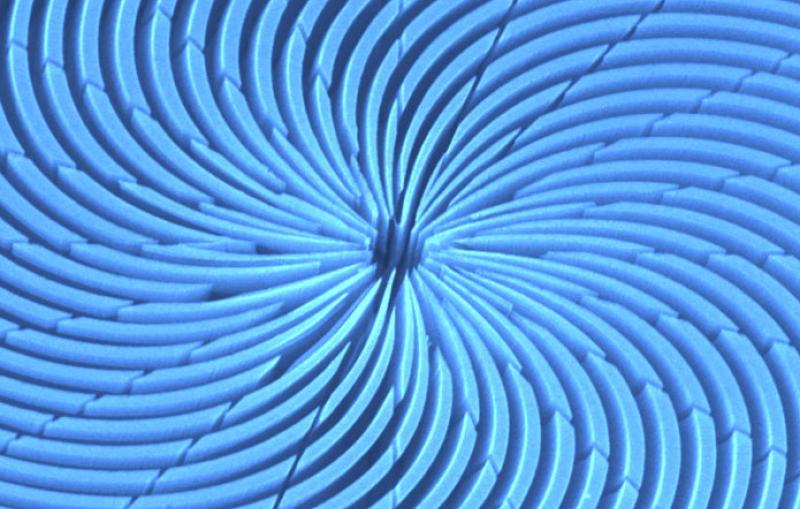
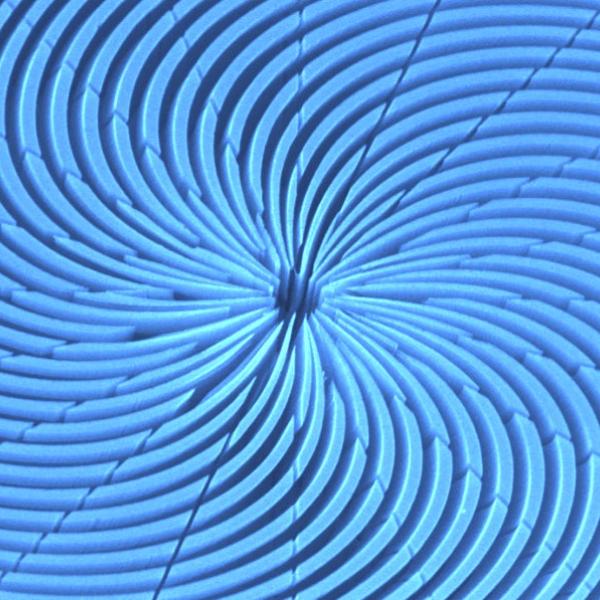
SLAC-invented Etching Process Builds Custom Nanostructures for X-ray Optics

Image - This colorized scanning electron microscope image shows a top-down view of a spiral zone plate, an X-ray optical device, created using a chemical etching technique developed at SLAC. (Chieh Chang, Anne Sakdinawat)
Illustration

X-ray laser pulses probe water droplets like these to discover water’s hidden (and sometimes bizarre) properties. 

X-ray laser pulses probe water droplets like these to discover water’s hidden (and sometimes bizarre) properties.