SLAC topics

X-ray scattering and diffraction RSS feed

X-ray scattering and diffraction are techniques used to study the atomic and molecular structure of materials. X-rays are directed at a sample, and the resulting scattering patterns provide information about the arrangement and movement of atoms in the sample. X-ray diffraction specifically analyzes the interference patterns that result from X-rays interacting with repeating structures in a material, enabling scientists to determine the precise arrangement of atoms and gain insights into the material's properties.
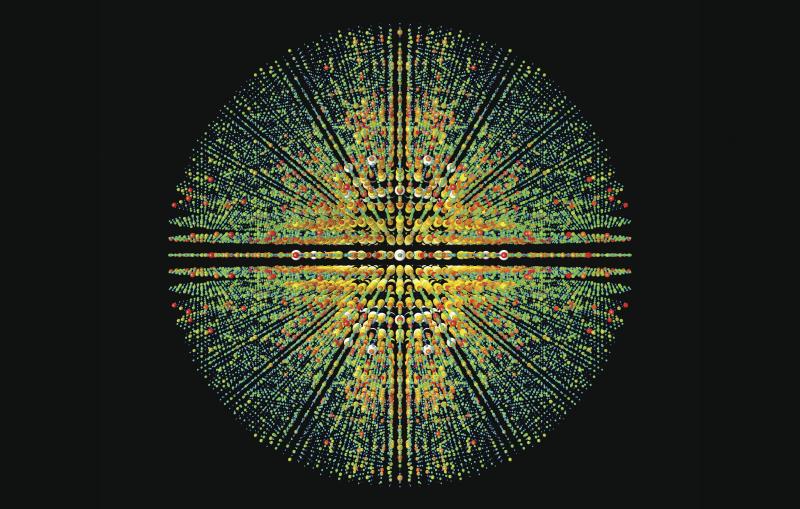
Illustration of LCLS diffraction protein crystals.
Feature

Early career award recognizes Mitrano’s work in ultrafast X-ray scattering.

Matteo Mitrano
Feature

Using SLAC’s X-ray synchrotron SSRL, Wang improves fundamental knowledge about how cells communicate, which could enable the development of more effective drugs.

Xinru Wang
Feature

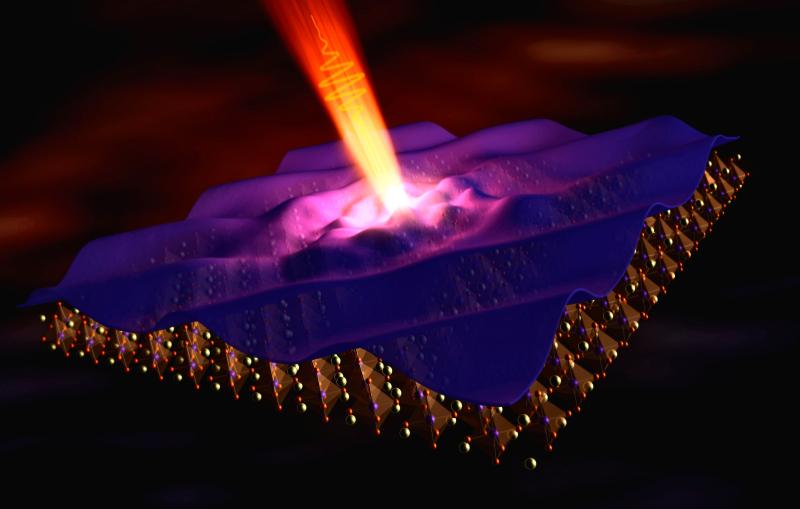
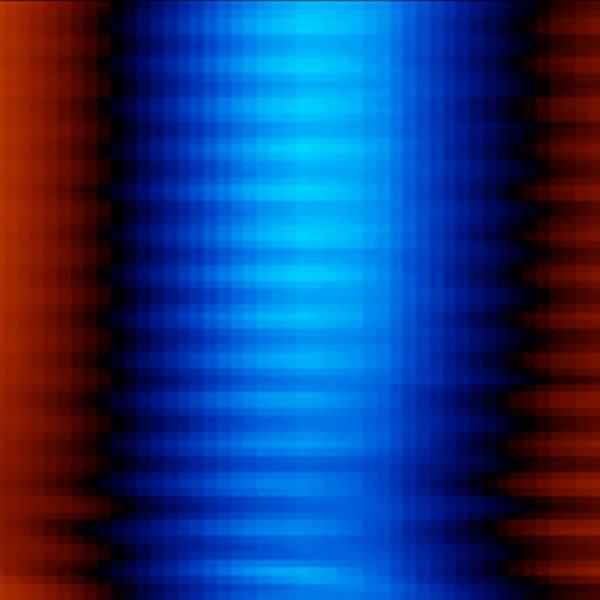
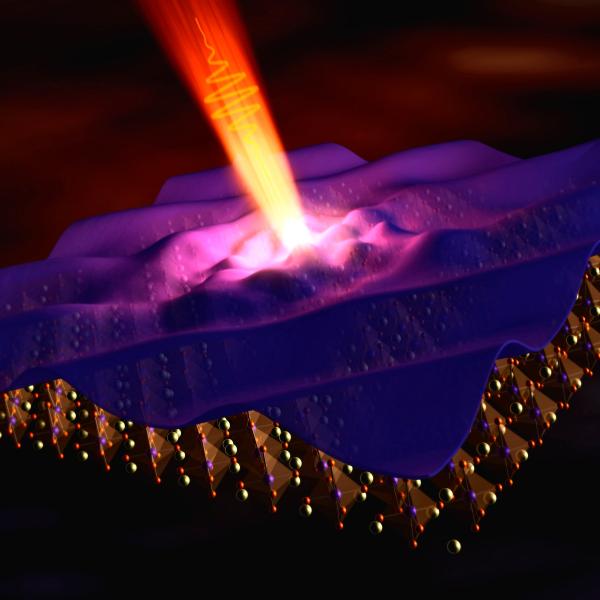
The studies could lead to a new understanding of how high-temperature superconductors operate.

fluctuating charge stripes
Feature

This early-career scientist has undertaken challenging projects with significant implications for lithium-ion batteries.

Hans-Georg Steinrück
Feature

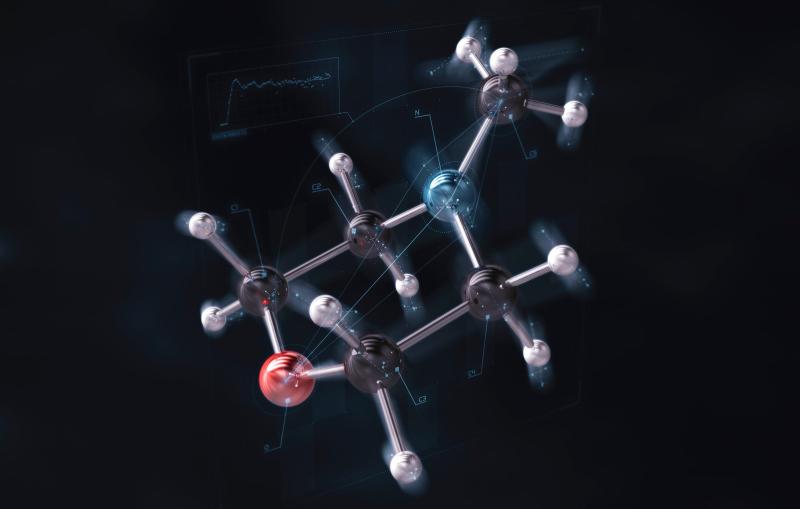
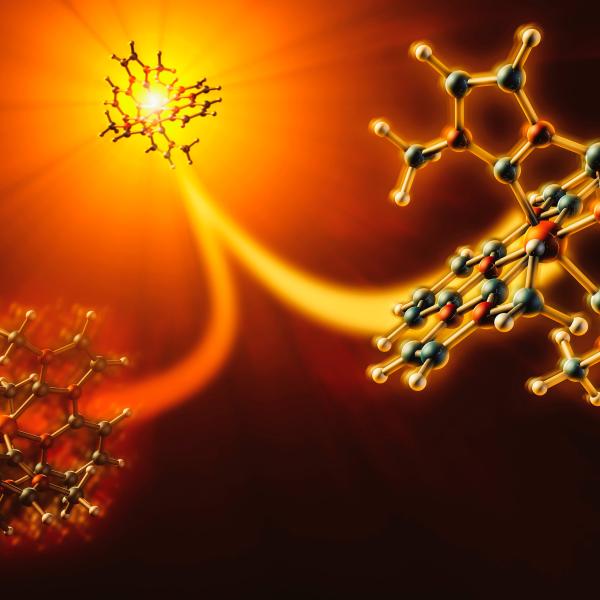
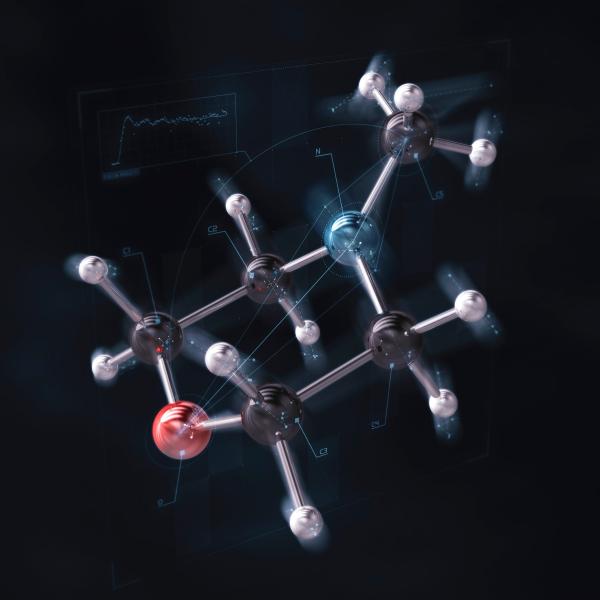
The technique can be used to study molecular phenomena and the forming and breaking of chemical bonds.

vibrating molecules
Feature

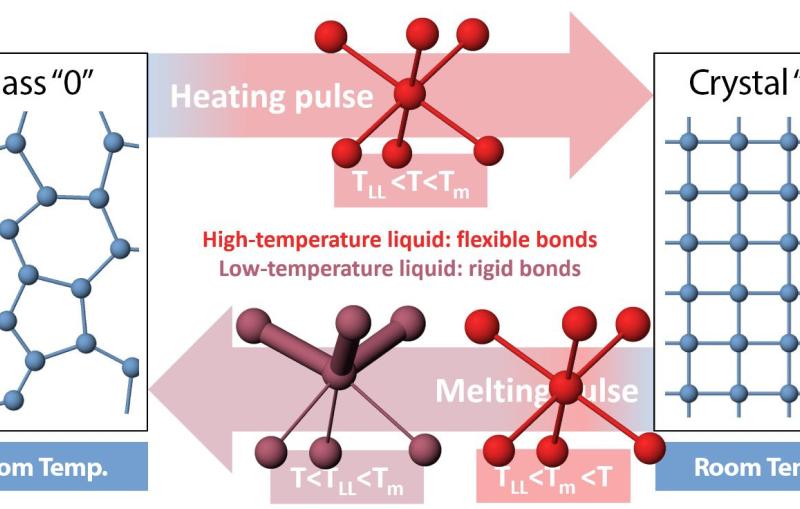
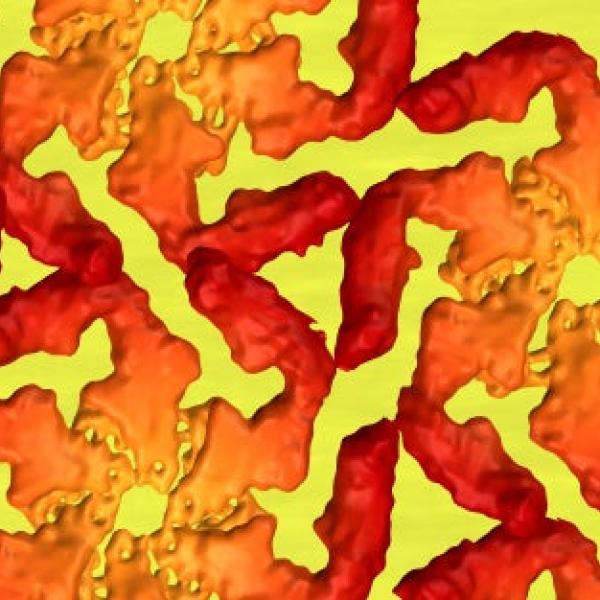
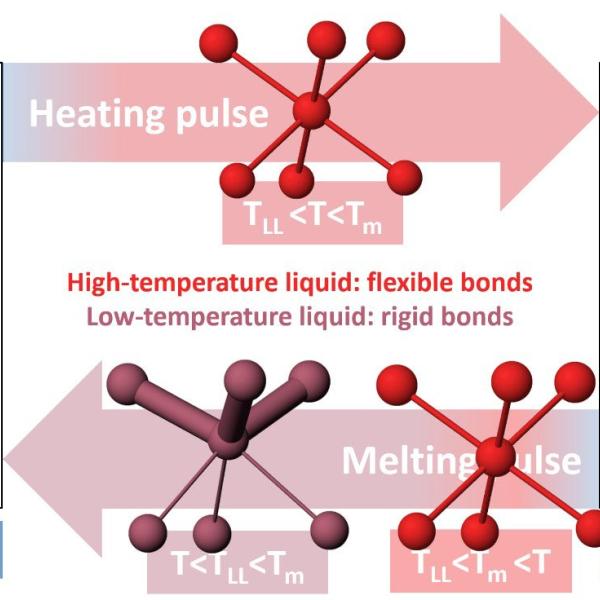
Experiments at SLAC’s X-ray laser reveal in atomic detail how two distinct liquid phases in these materials enable fast switching between glassy and crystalline...

Diagram of material switching between glassy and crystalline states
Feature

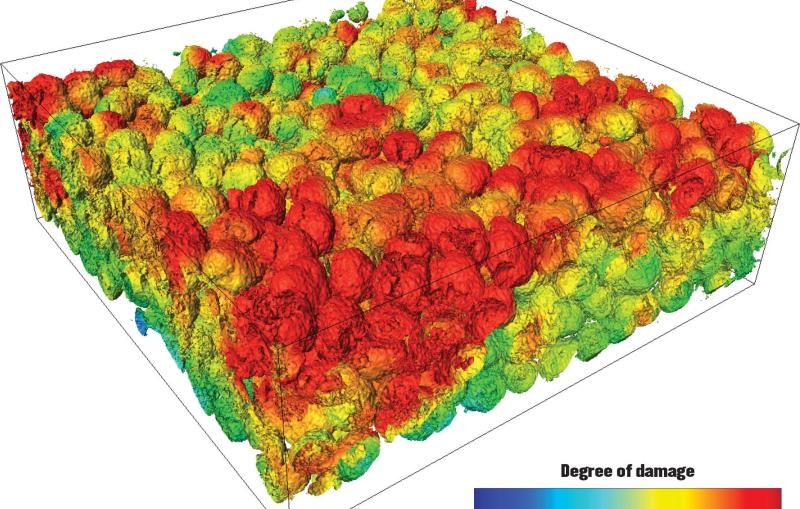
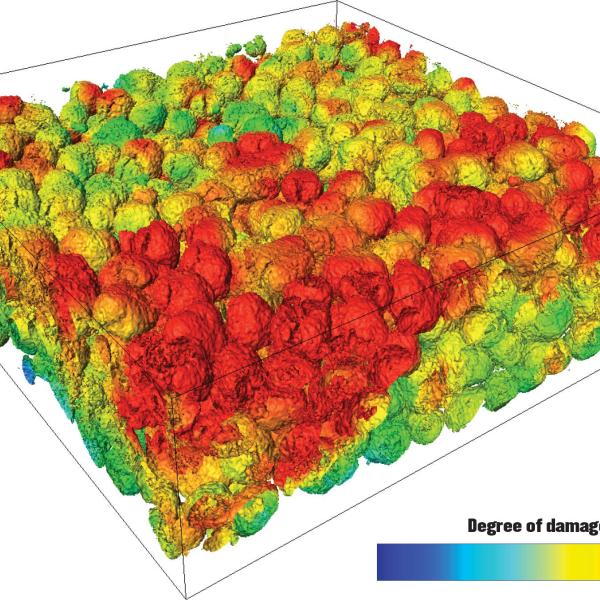
What they learned could help manufacturers design more reliable and longer-lasting batteries for smartphones and cars.

battery electrode damage
Feature

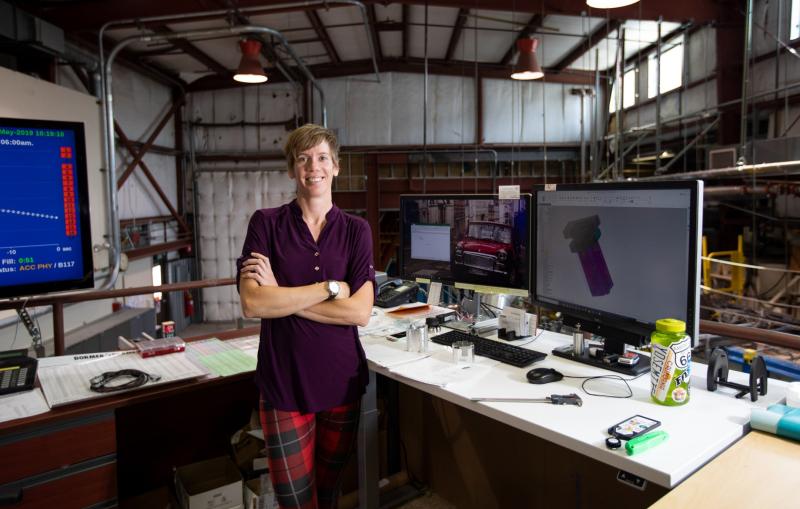
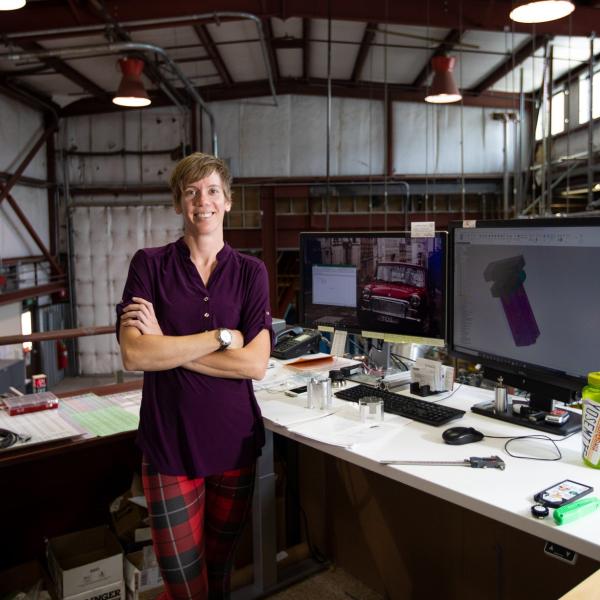
For mechanical engineer Sarah Edwards, SSRL is the ultimate classic car.

photo of Sarah Edwards
Feature

Scientists precisely control where single-atom catalysts sit on their support structures, and show how changing their position affects their reactivity.

Feature

A new method could be used to look at chemical reactions that other techniques can’t catch, for instance in catalysis, photovoltaics, peptide and combustion...

molecule
Feature

In the decade since LCLS produced its first light, it has pushed boundaries in countless areas of discovery.

Undulator Hall
Feature

SLAC researchers say their new method could make it easier to study interactions of ultrabright X-rays with matter

Ghost imaging illustration