SLAC develops materials to improve the performance of batteries, fuel cells and other energy technologies and set the stage for technologies of the future.
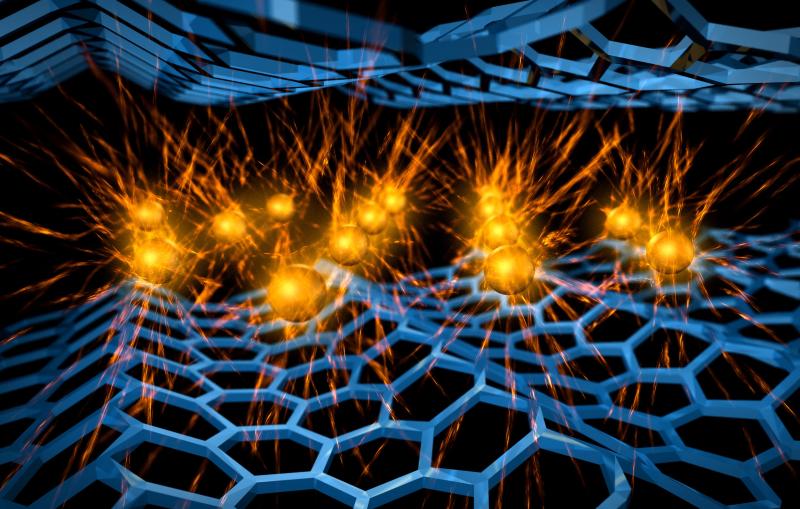
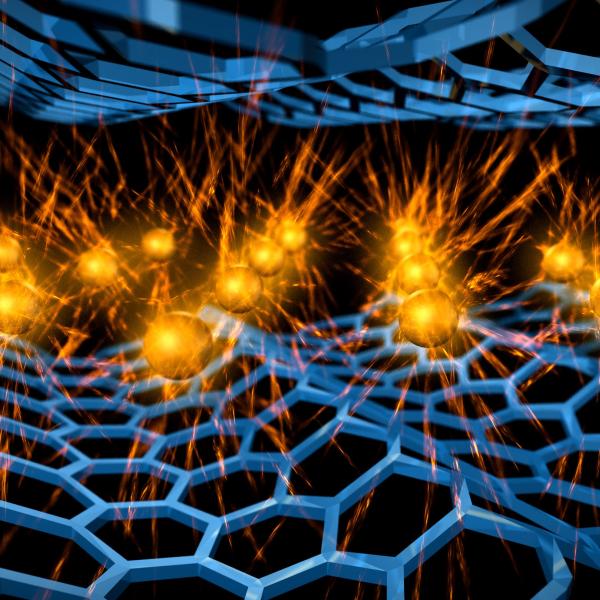
Scientists have discovered a potential way to make graphene – a single layer of carbon atoms with great promise for future electronics – superconducting...
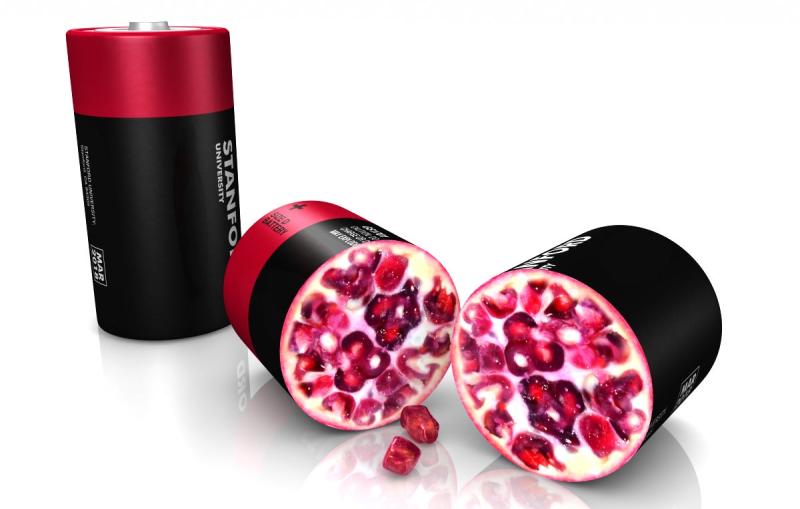
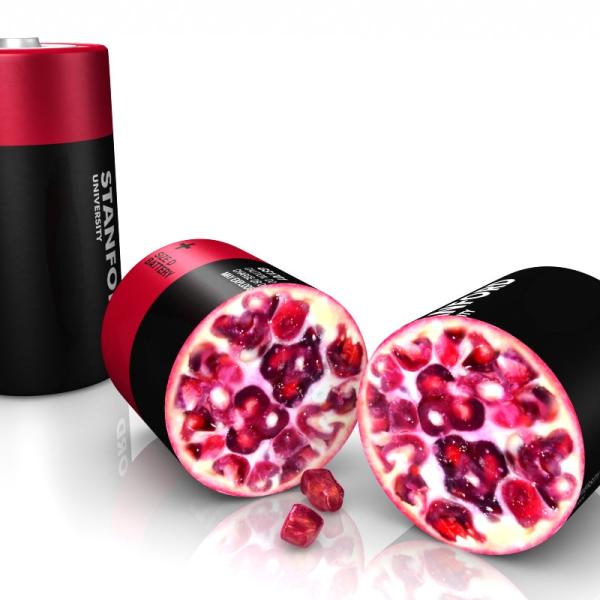
An electrode designed like a pomegranate – with silicon nanoparticles clustered like seeds in a tough carbon rind – overcomes several remaining obstacles to...
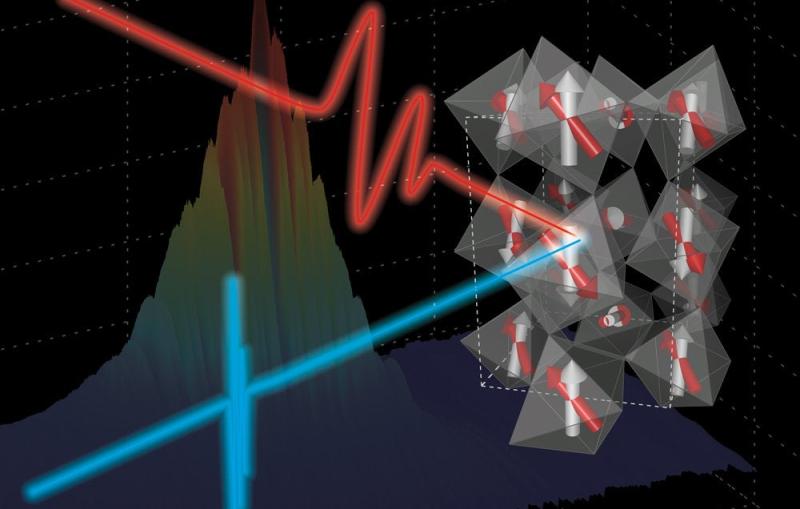
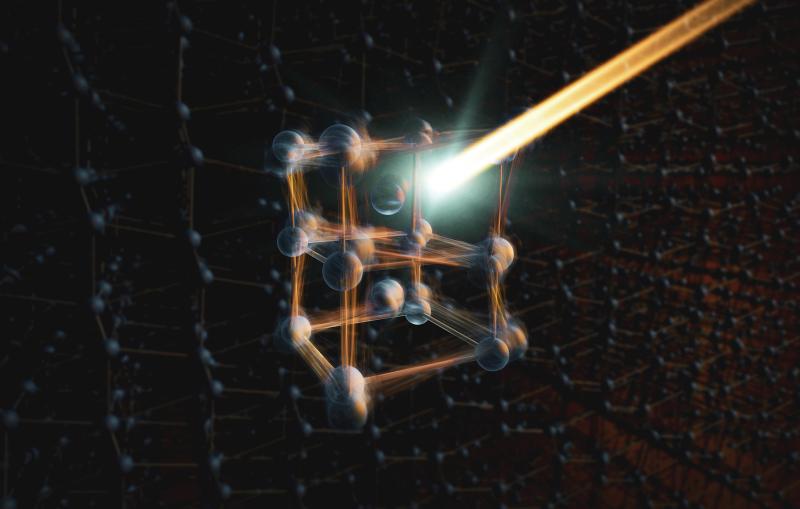
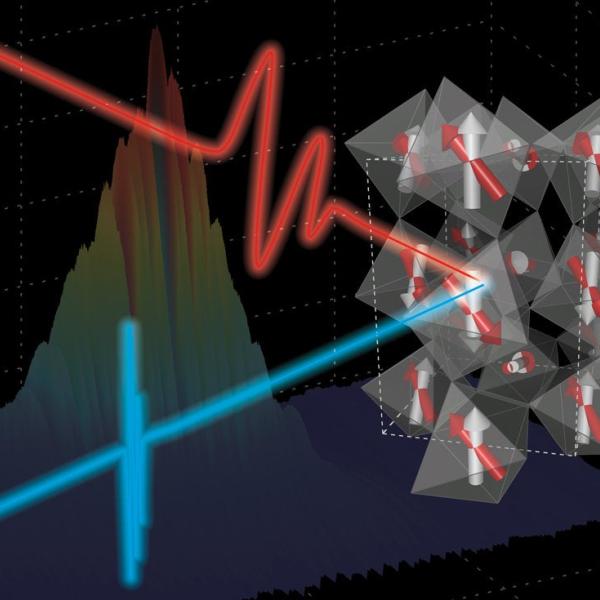
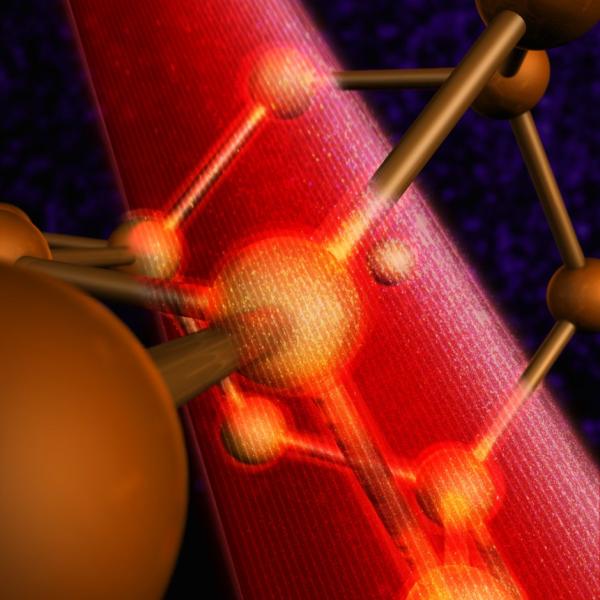
Jolting complex materials with bursts of energy from rapid-fire lasers can help scientists learn why some of these materials exhibit useful properties such as...
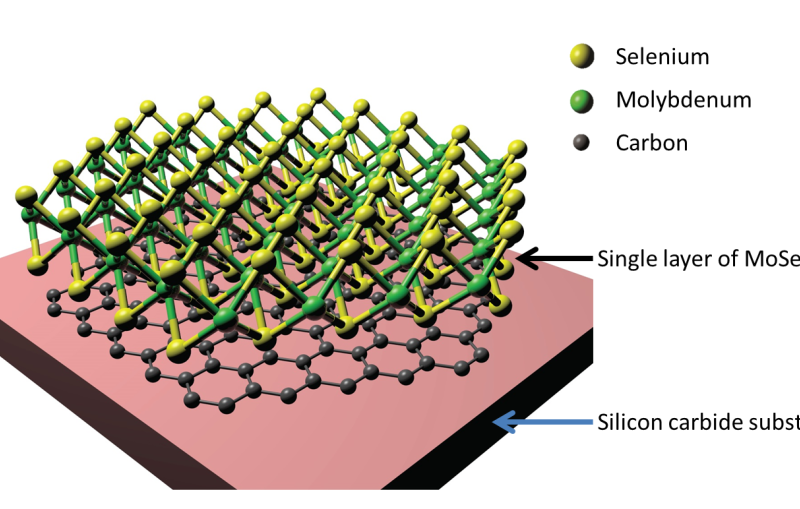
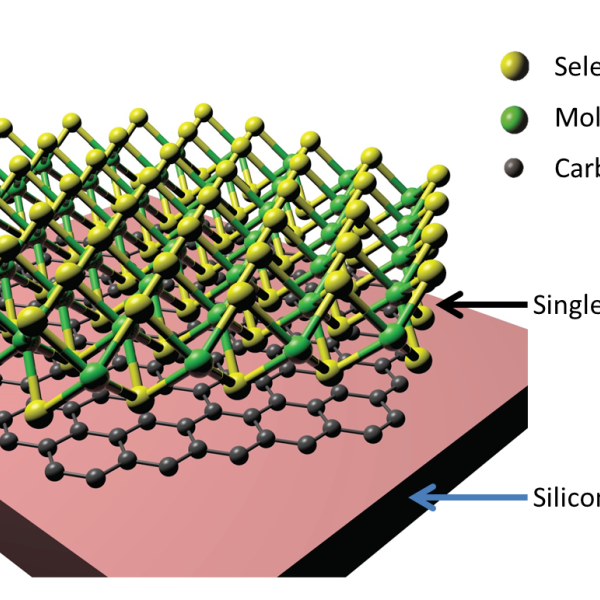
Crafted in a single atomic layer, it could be a natural fit for making thin, flexible light-based electronics, as well as futuristic 'spintronics' and...
Teams from Stanford, SLAC and the University of Nebraska-Lincoln collaborate to make thin, transparent semiconductors that could become the foundation for cheap, high-performance displays.
An international team led by scientists from two SLAC/Stanford institutes has devised a much faster and more accurate way of measuring subtle atomic vibrations...
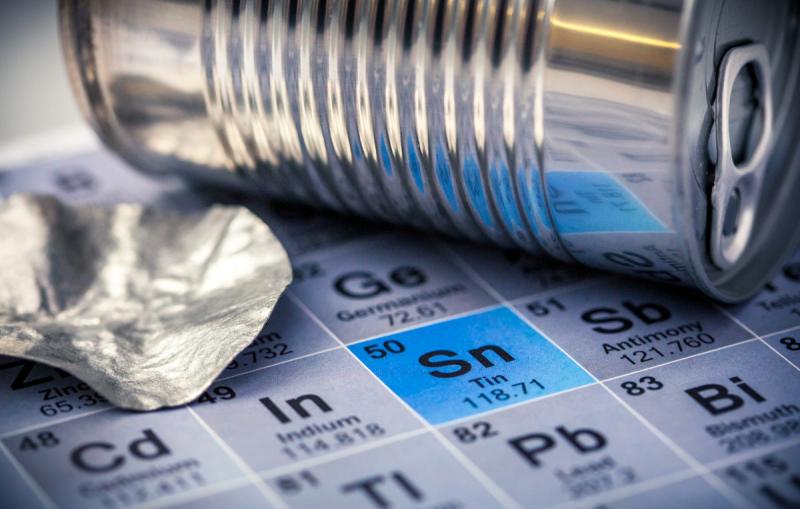
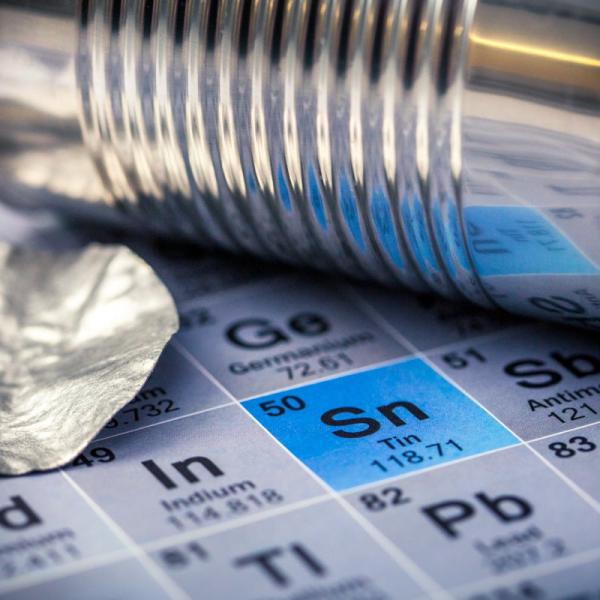
A single layer of tin atoms could be the world’s first material to conduct electricity with 100 percent efficiency at the temperatures that computer...
Researchers have made the first battery electrode that heals itself, opening a new and potentially commercially viable path for making the next generation of...
Scientists have discovered a potential way to make graphene – a single layer of carbon atoms with great promise for future electronics – superconducting, a state in which it would carry electricity with 100 percent efficiency.
An experiment at SLAC’s X-ray laser has revealed the first atomic-scale details of a new technique that could point the way to faster data storage in smartphones, laptops and other devices.
An electrode designed like a pomegranate – with silicon nanoparticles clustered like seeds in a tough carbon rind – overcomes several remaining obstacles to using silicon for a new generation of lithium-ion batteries, say its inventors at Stanford University and...
Jolting complex materials with bursts of energy from rapid-fire lasers can help scientists learn why some of these materials exhibit useful properties such as high-temperature superconductivity.
While this particular material is very unstable, the research shows it may be possible to find a material with the properties graphene has to offer in a thicker, sturdier form that’s easier to craft into electronic devices
Crafted in a single atomic layer, it could be a natural fit for making thin, flexible light-based electronics, as well as futuristic 'spintronics' and 'valleytronics.'
Teams from Stanford, SLAC and the University of Nebraska-Lincoln collaborate to make thin, transparent semiconductors that could become the foundation for cheap, high-performance displays.
An international team led by scientists from two SLAC/Stanford institutes has devised a much faster and more accurate way of measuring subtle atomic vibrations that underlie important hidden properties of materials.
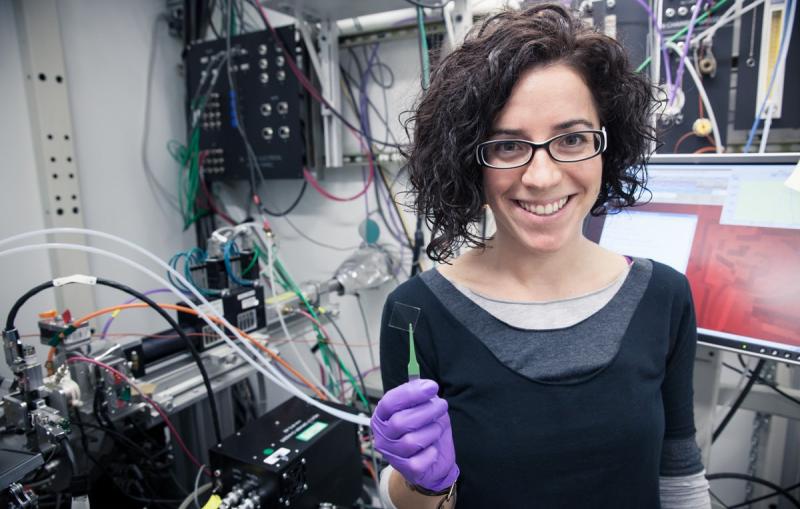
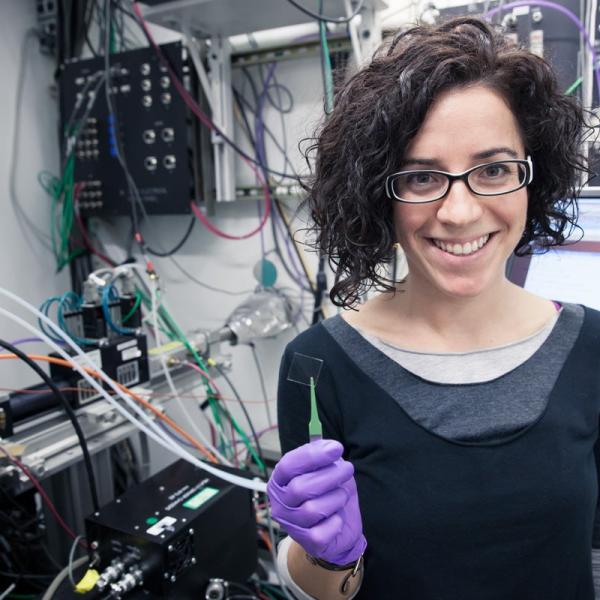
Anna Llordes from Berkeley Lab's Molecular Foundry uses SSRL's Beam Line 11-3 for clues about where the smart films her group creates for windows get their high energy IQ.
A single layer of tin atoms could be the world’s first material to conduct electricity with 100 percent efficiency at the temperatures that computer chips operate.
Researchers have made the first battery electrode that heals itself, opening a new and potentially commercially viable path for making the next generation of lithium ion batteries for electric cars, cell phones and other devices. National