SLAC develops materials to improve the performance of batteries, fuel cells and other energy technologies and set the stage for technologies of the future.
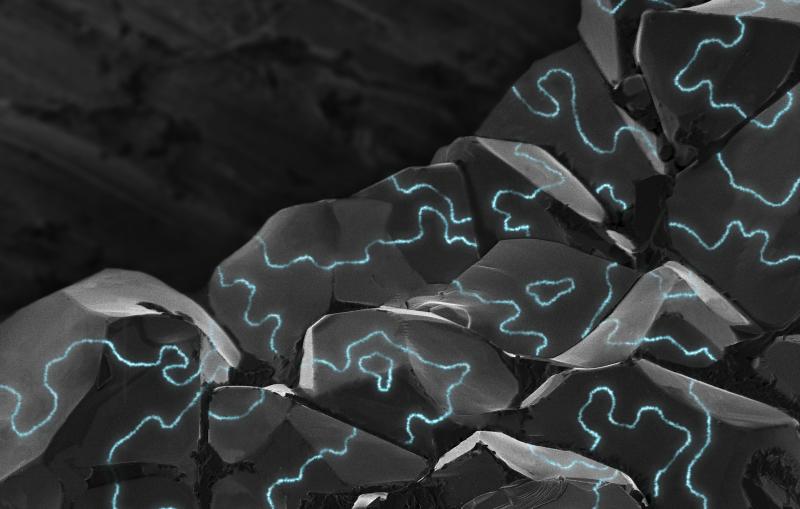
A Stanford/SLAC study of an exotic material known as a magnetic insulator found the walls between its magnetic regions are conductive, opening new approaches...
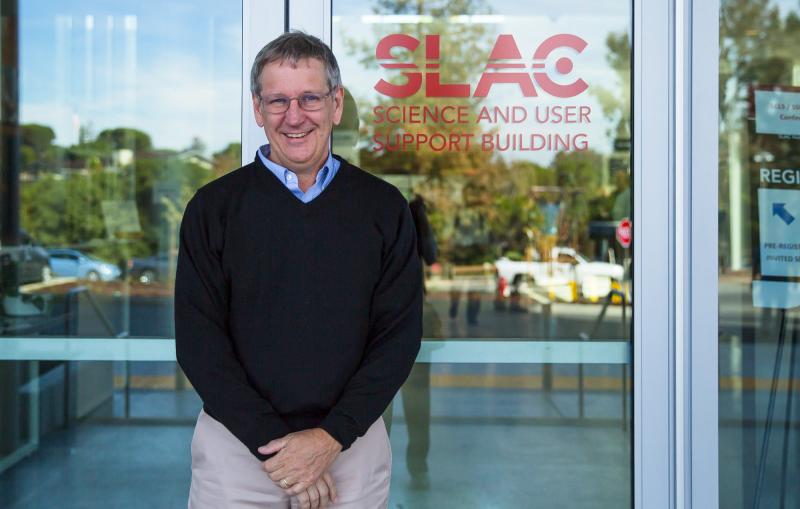
An all-day symposium recognized the professor emeritus for his many contributions to the scientific community, from pioneering synchrotron radiation research at SSRL to making...
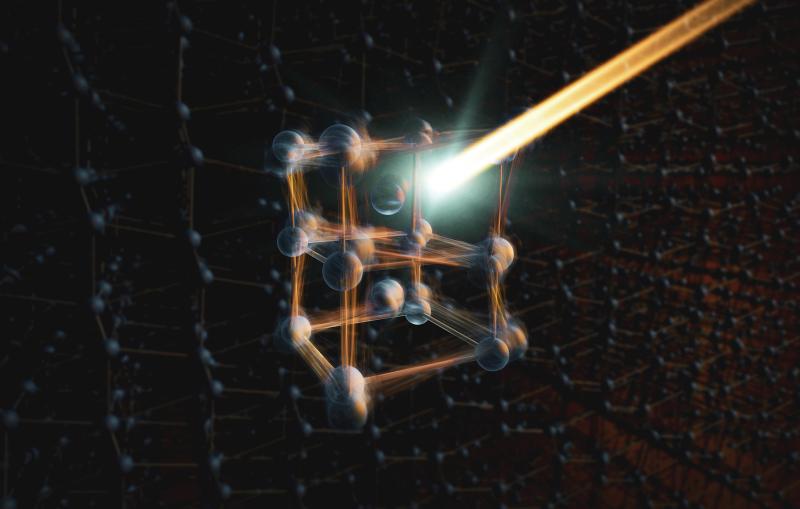
A physicist at Argonne National Laboratory has been recognized for pioneering experiments at SLAC that helped establish a new way to study the structure...
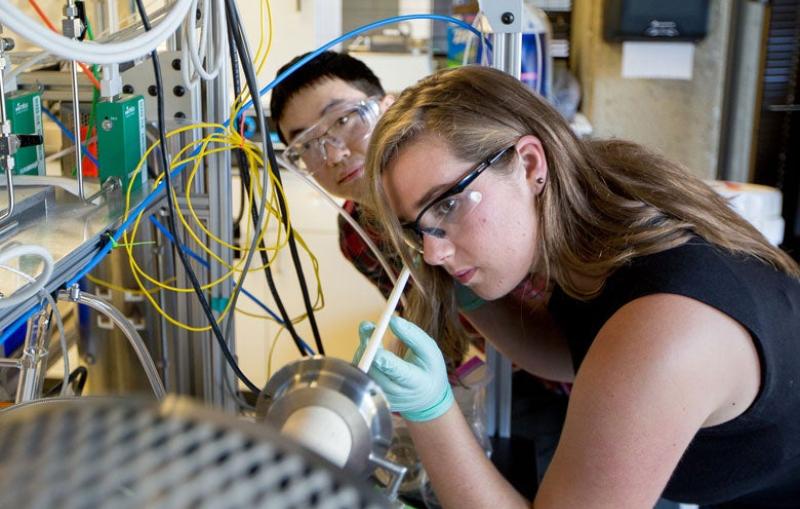
SIMES research, which confounds two decades of assumptions on lithium-ion battery design, could lead to better batteries with more power and greater capacity.
A researcher who performed a variety of X-ray experiments at SLAC’s synchrotron will receive an annual scientific award during a SLAC conference next month.
Researchers discovered that adding two chemicals to the electrolyte of a lithium metal battery prevents the formation of dendrites – “fingers” of lithium that...
A Stanford/SLAC study of an exotic material known as a magnetic insulator found the walls between its magnetic regions are conductive, opening new approaches to memory storage.
An all-day symposium recognized the professor emeritus for his many contributions to the scientific community, from pioneering synchrotron radiation research at SSRL to making science policies on Capitol Hill.
A physicist at Argonne National Laboratory has been recognized for pioneering experiments at SLAC that helped establish a new way to study the structure of complex materials.
SIMES research, which confounds two decades of assumptions on lithium-ion battery design, could lead to better batteries with more power and greater capacity.
A researcher who performed a variety of X-ray experiments at SLAC’s synchrotron will receive an annual scientific award during a SLAC conference next month.
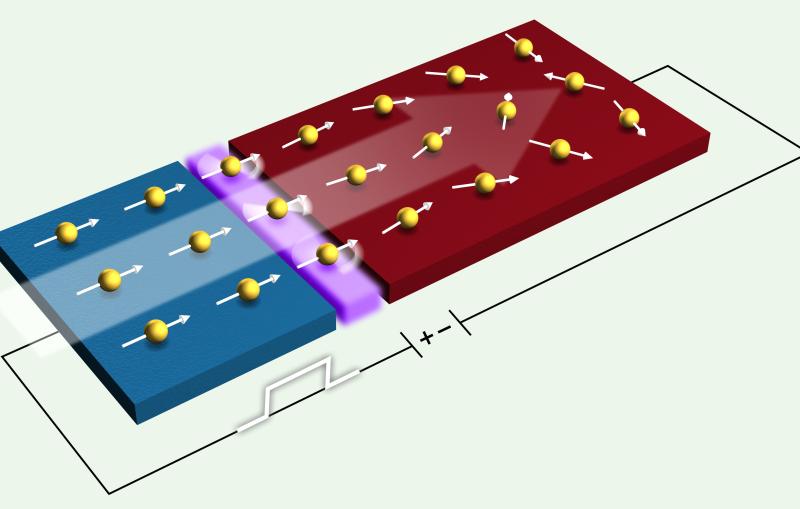
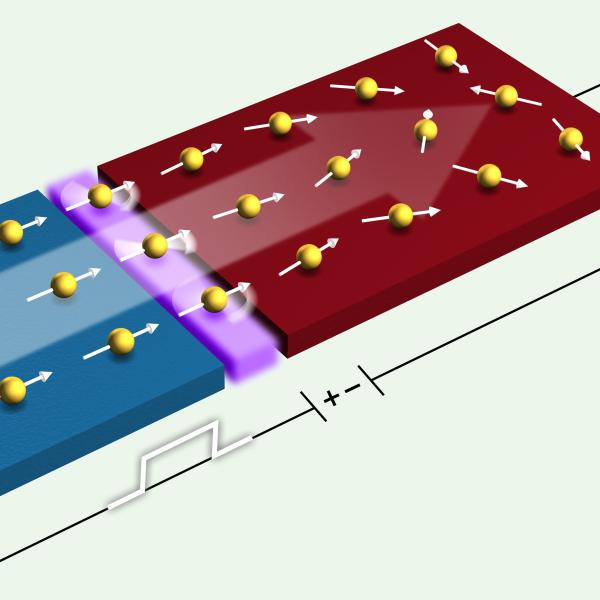
Researchers at SLAC have for the first time seen a spin current – an inherent magnetic property common to all electrons – as it travels across materials.
Researchers discovered that adding two chemicals to the electrolyte of a lithium metal battery prevents the formation of dendrites – “fingers” of lithium that pierce the barrier between the battery’s halves, causing it to short out, overheat and sometimes burst...