


SLAC topics

Materials science RSS feed

 SLAC develops materials to improve the performance of batteries, fuel cells and other energy technologies and set the stage for technologies of the future.

Related link: Energy sciences
Browse tagged content below

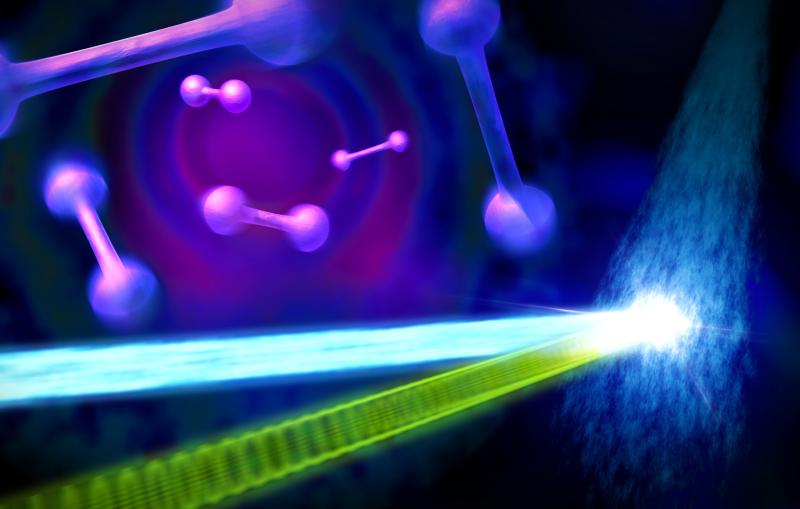
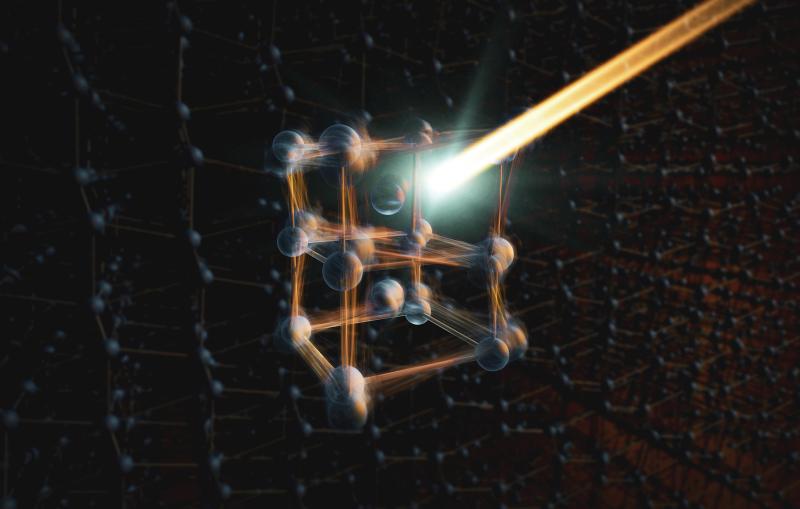
In materials hit with light, individual atoms and vibrations take disorderly paths.
Feature

Liu acknowledged for wide-ranging work in energy materials, catalysis, carbon sequestration, material in extreme conditions and scientific big data mining.

News Release

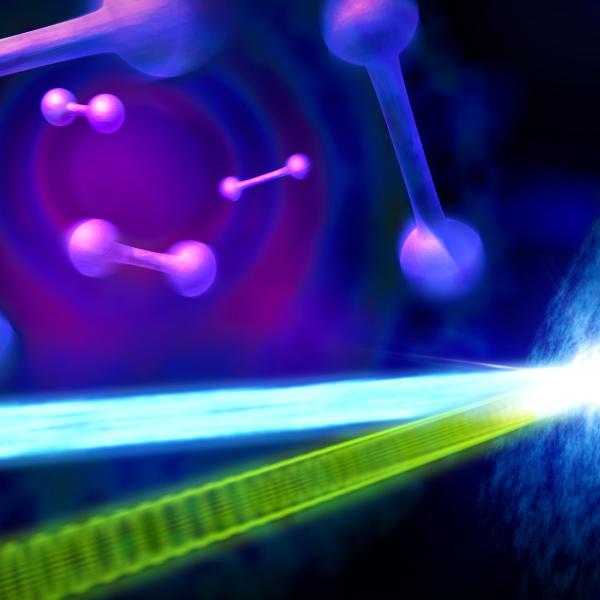
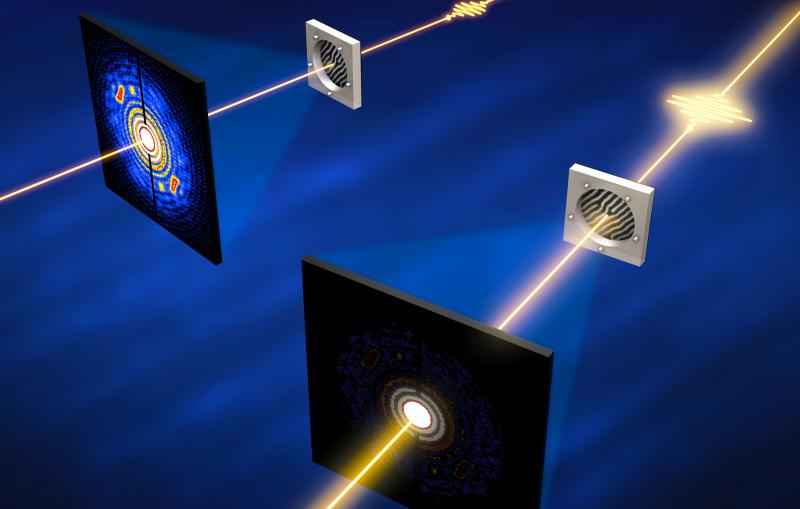
Method creates new opportunities for studies of extremely fast processes in biology, chemistry and materials science.

Feature

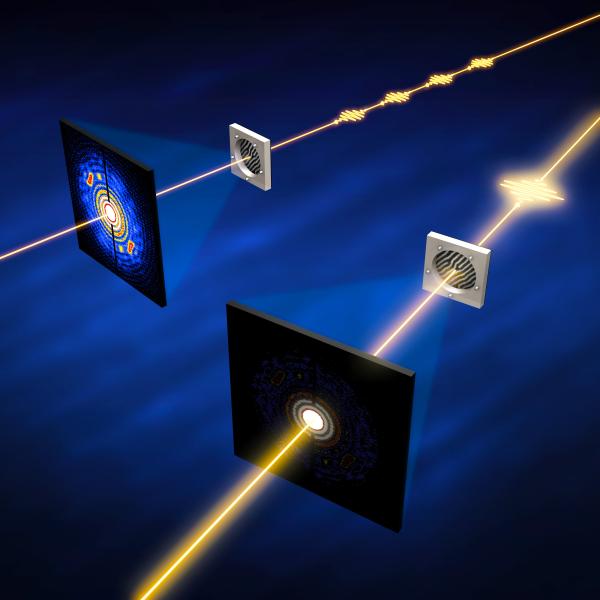
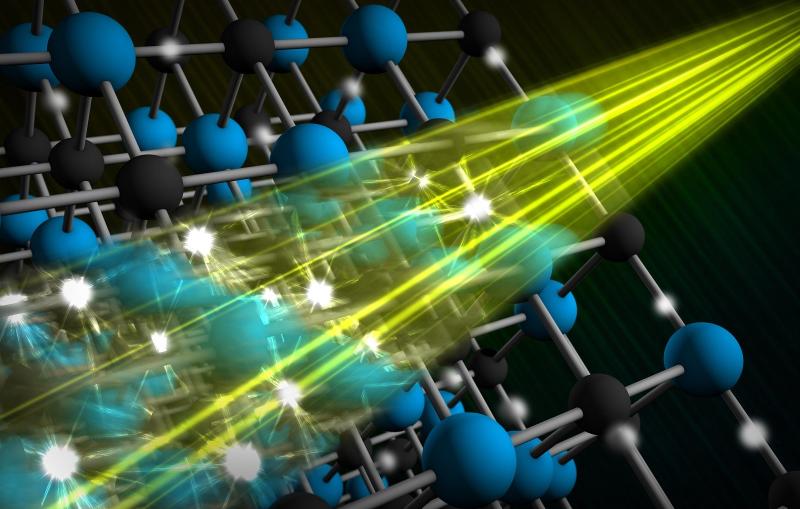
A ‘nonlinear’ phenomenon that seemingly turns materials transparent is seen for the first time in X-rays at SLAC’s Linac Coherent Light Source.

Illustration of an LCLS experiment in which a sample seemed to disapper
News Release

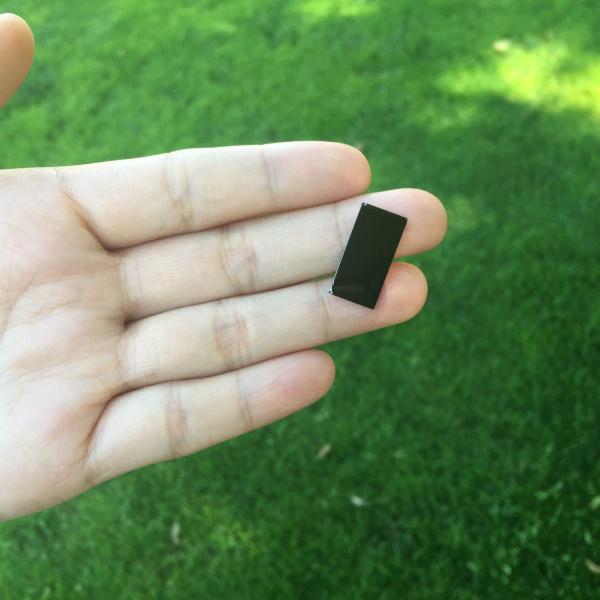
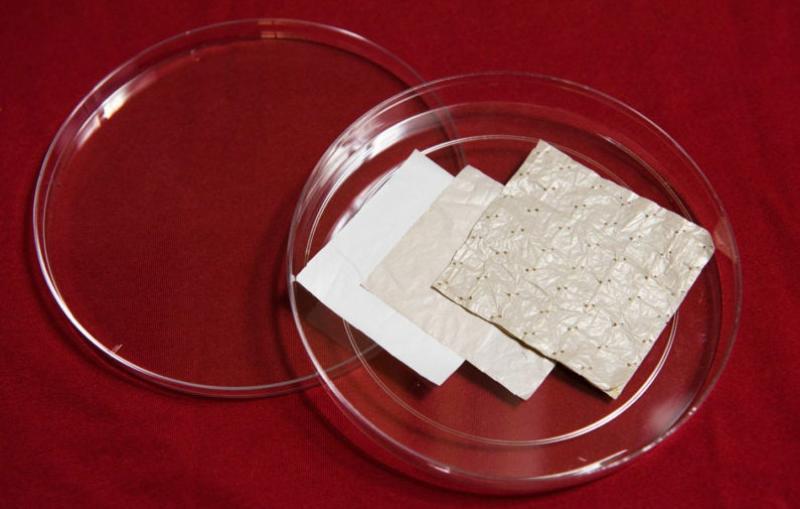
Researchers at SLAC and Stanford have created a nanostructured device, about half the size of a postage stamp, that harnesses more of the sun's...

A researcher holds a tiny device that uses sunlight to disinfect water.
Feature

Silicon chips can store data in billionths of a second, but phase-change memory could be 1,000 times faster, while using less energy and requiring...

Feature

The White House announced $50 million in funding for ‘Battery500’, a five year effort, as part of a package of initiatives to accelerate adoption...

An electric vehicle at a charging station
Feature

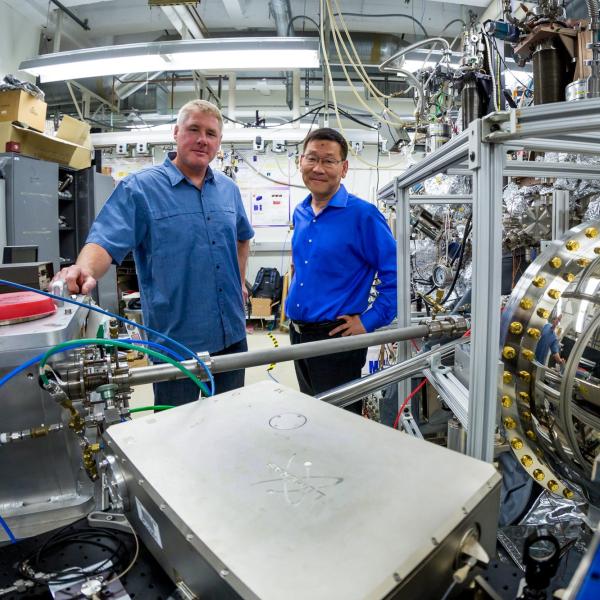
Now the startup, Lumeras LLC, has a viable commercial product, and scientists have a new tool for studying the behavior of complex materials.

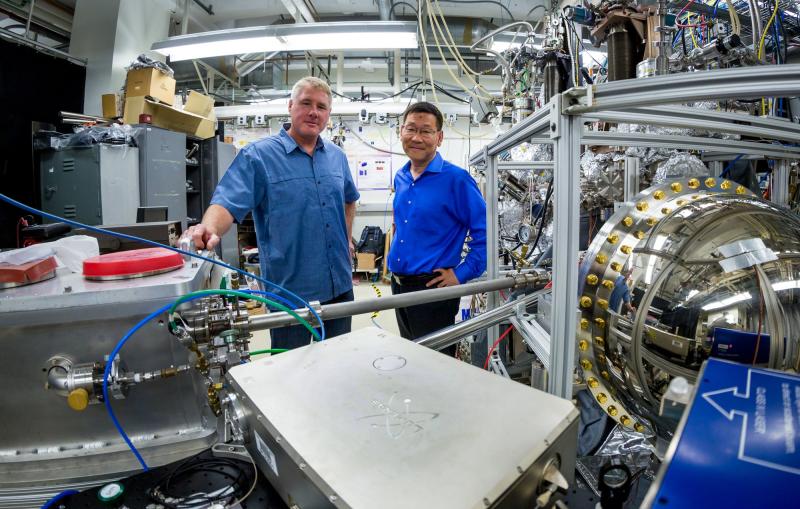
Lumeras founder Andrew Merriam, left, and SLAC/Stanford Professor Zhi-Xun Shen with a tabletop laser the company developed
Feature

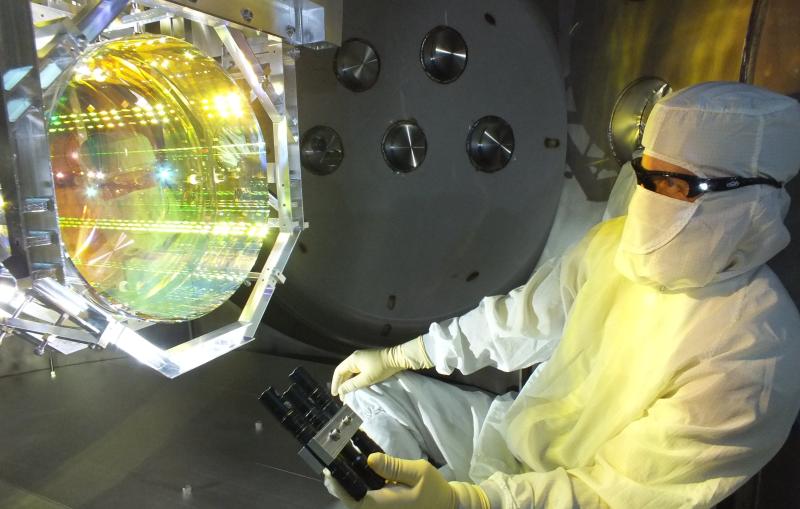
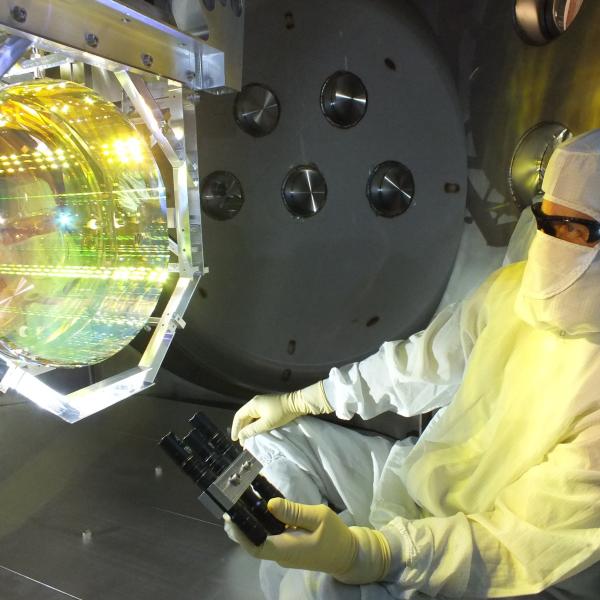
The goal: Develop high-tech coatings that make the detector’s mirrors less “noisy”.

Feature

Yi Cui and colleagues have developed new ways to improve hydrogen production and rechargeable zinc batteries.

Animation

The side-to-side motion of electrons in a beam can be circular, elliptical, or linear, depending on the position of the Delta undulator's magnet rows...

A graphic of the Delta undulator showing circular, elliptical and linear polarization of light.
Feature

A new device at the Department of Energy’s SLAC National Accelerator Laboratory allows researchers to explore the properties and dynamics of molecules with circularly...

Electrons spiral through the Delta undulator.
Feature

A SLAC/Stanford study opens a new path to producing laser pulses that are just billionths of a billionth of a second long by inducing...

Stanford graduate student Georges Ndabashimiye in the PULSE Institute laser lab