SLAC develops materials to improve the performance of batteries, fuel cells and other energy technologies and set the stage for technologies of the future.
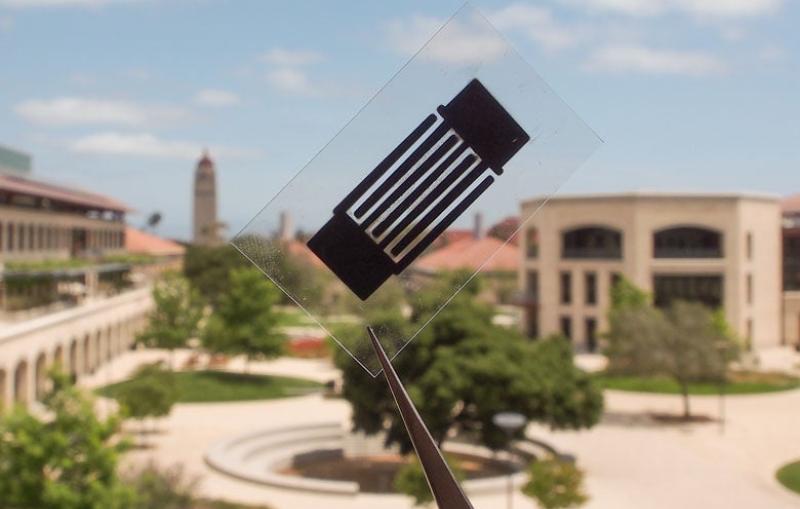
SLAC and the SUNCAT Center for Interface Science and Catalysis supported creation of a new carbon material that significantly improves the performance of batteries...
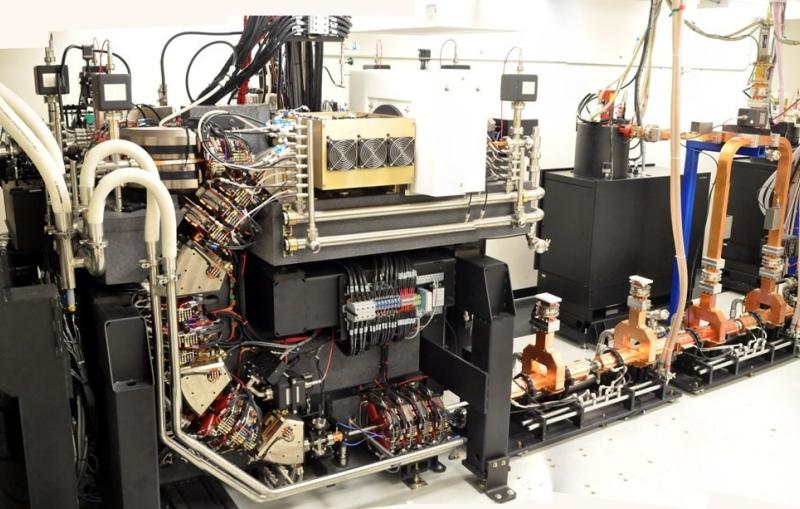
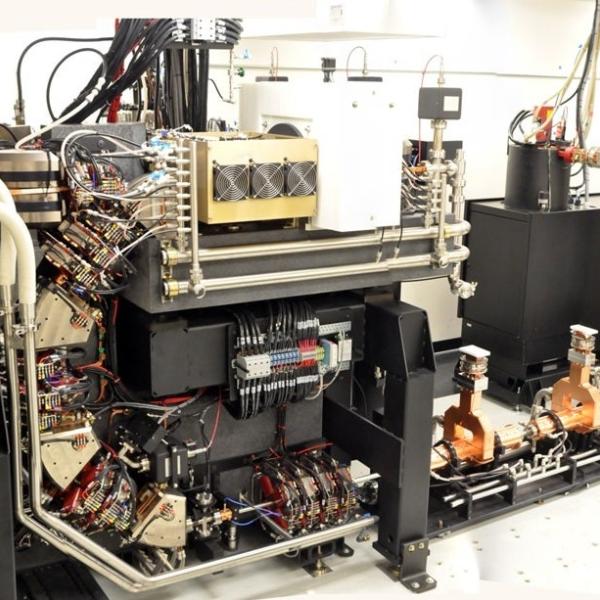
A commercial X-ray source with roots in SLAC research enables multi-mode computer tomography scans that outperform routine scans in hospitals. The technique could potentially...
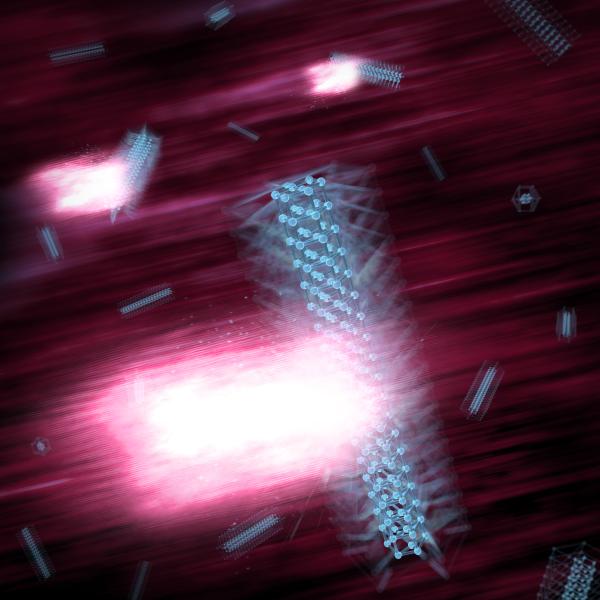
Two new research projects support the Stanford Institute for Materials and Energy Sciences in the study of exotic new materials that could enable future...
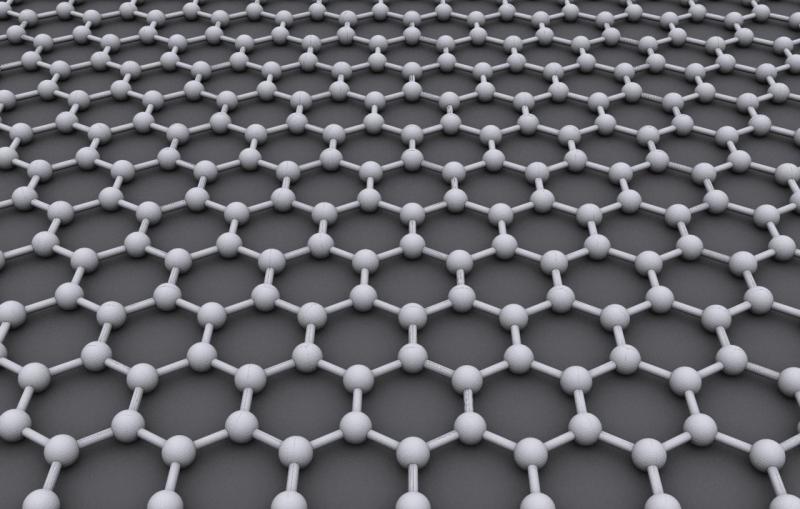
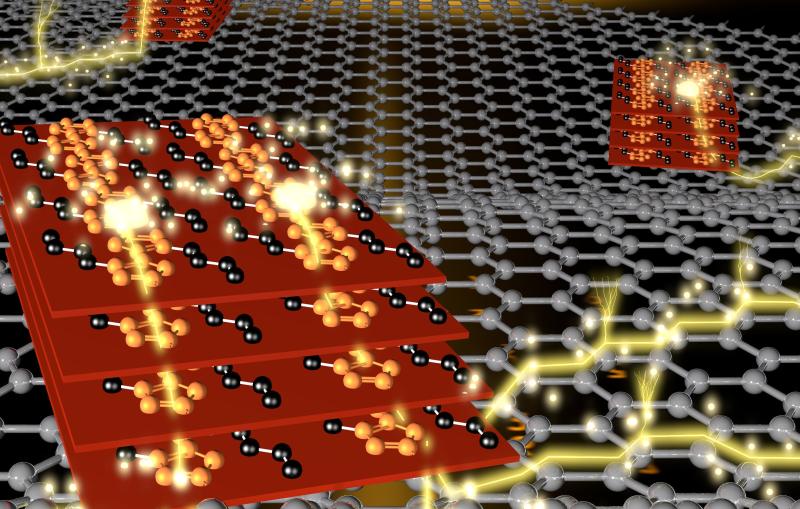
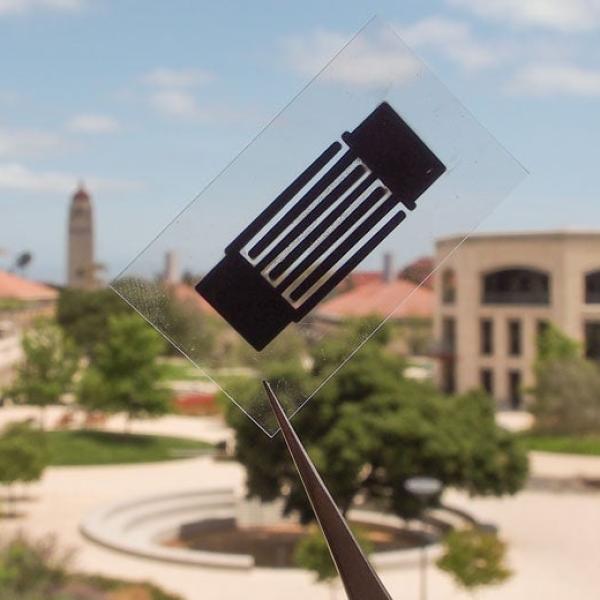
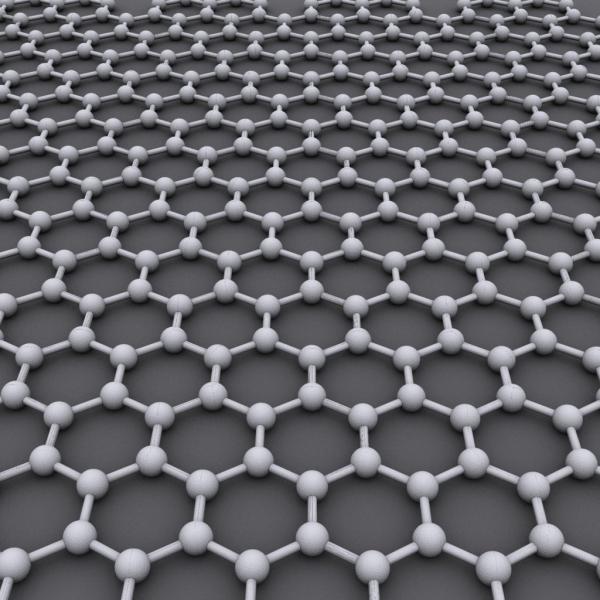
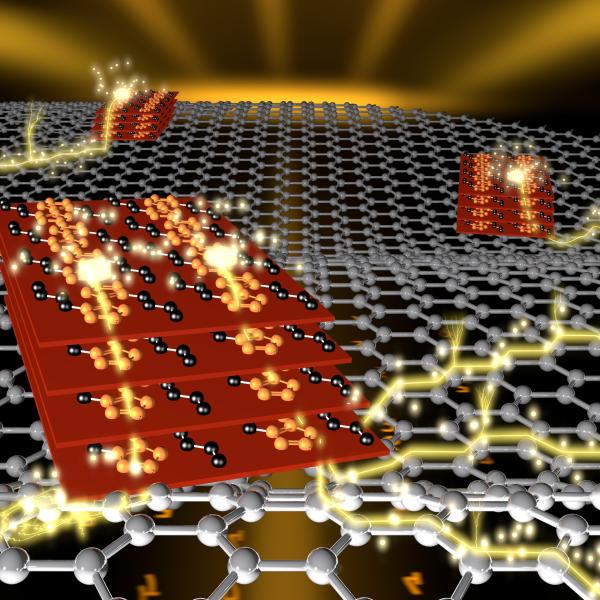
Recent experiments at SLAC's SSRL reveal that an organic semiconductor transports electrical charge more efficiently when combined with the wonder material graphene.
Stanford and SLAC engineers observed electrons at work during catalytic reactions. Their findings challenge long-held theories about some catalysts, opening the door to new...
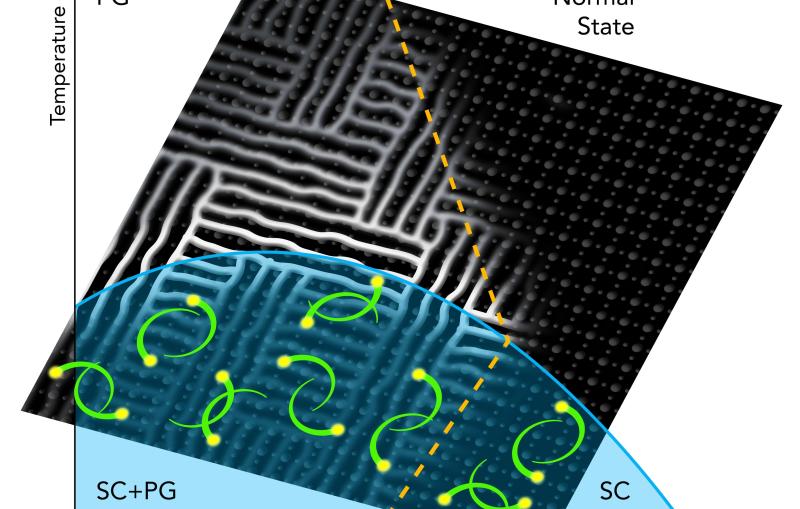
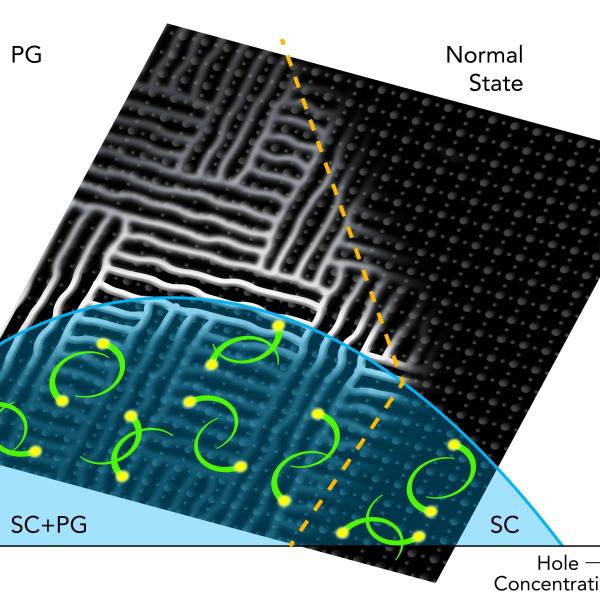
SLAC study shows the so-called ‘pseudogap’ hoards electrons that otherwise might pair up to carry current through a material with 100 percent efficiency.
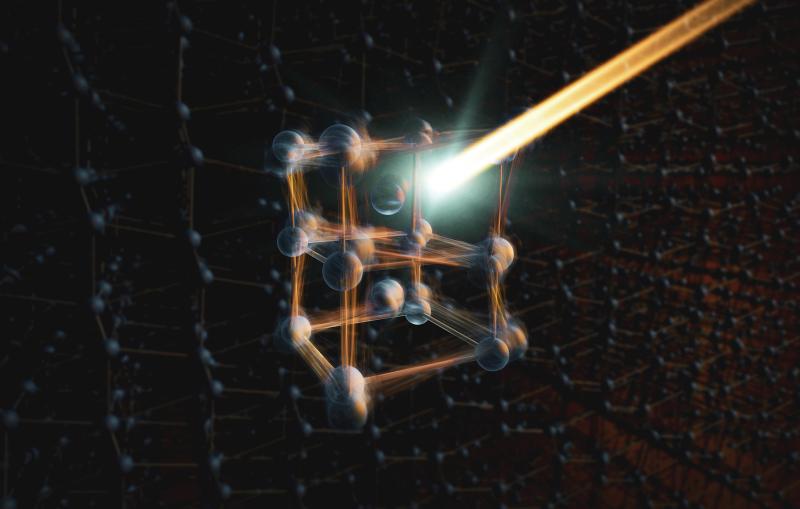
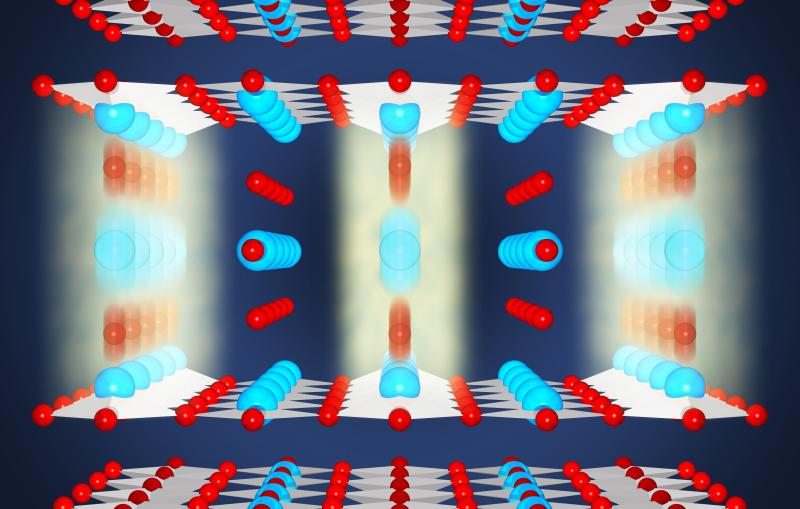
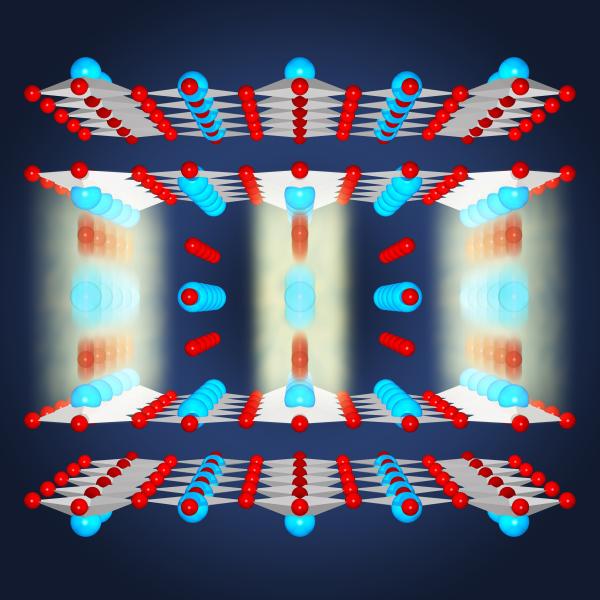
An experiment at SLAC provided the first fleeting glimpse of the atomic structure of a material as it entered a state resembling room-temperature superconductivity...
SLAC and the SUNCAT Center for Interface Science and Catalysis supported creation of a new carbon material that significantly improves the performance of batteries and supercapacitors.
A commercial X-ray source with roots in SLAC research enables multi-mode computer tomography scans that outperform routine scans in hospitals. The technique could potentially find widespread use in medicine and other fields.
Two new research projects support the Stanford Institute for Materials and Energy Sciences in the study of exotic new materials that could enable future innovative electronic and photonic applications.
Recent experiments at SLAC's SSRL reveal that an organic semiconductor transports electrical charge more efficiently when combined with the wonder material graphene.
Stanford and SLAC engineers observed electrons at work during catalytic reactions. Their findings challenge long-held theories about some catalysts, opening the door to new or improved renewable energy applications.
SLAC study shows the so-called ‘pseudogap’ hoards electrons that otherwise might pair up to carry current through a material with 100 percent efficiency.
An experiment at SLAC provided the first fleeting glimpse of the atomic structure of a material as it entered a state resembling room-temperature superconductivity – a long-sought phenomenon in which materials might conduct electricity with 100 percent efficiency under everyday...