




SLAC topics

Materials science RSS feed

 SLAC develops materials to improve the performance of batteries, fuel cells and other energy technologies and set the stage for technologies of the future.

Related link: Energy sciences

Browse tagged content below

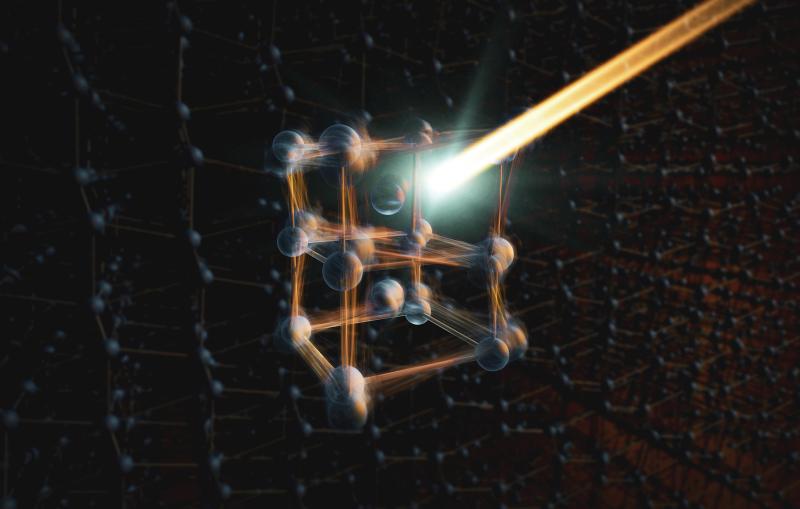
In materials hit with light, individual atoms and vibrations take disorderly paths.
News Release

Join us for five days of ultrafast science from April 17 to 21.

Feature

TIMES applies the power of theory to the search for novel materials with remarkable properties that could revolutionize technology.

Feature

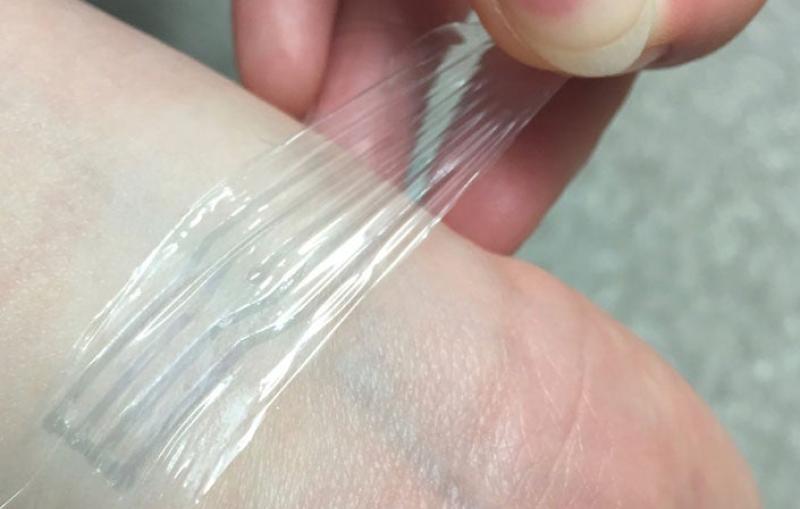
Paving the way for flexible electronics, engineers have developed a plastic electrode that stretches like rubber but carries electricity like wires.

Feature

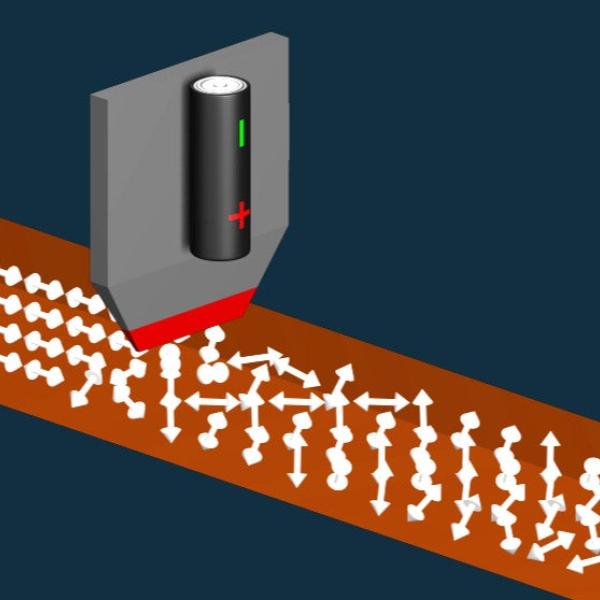
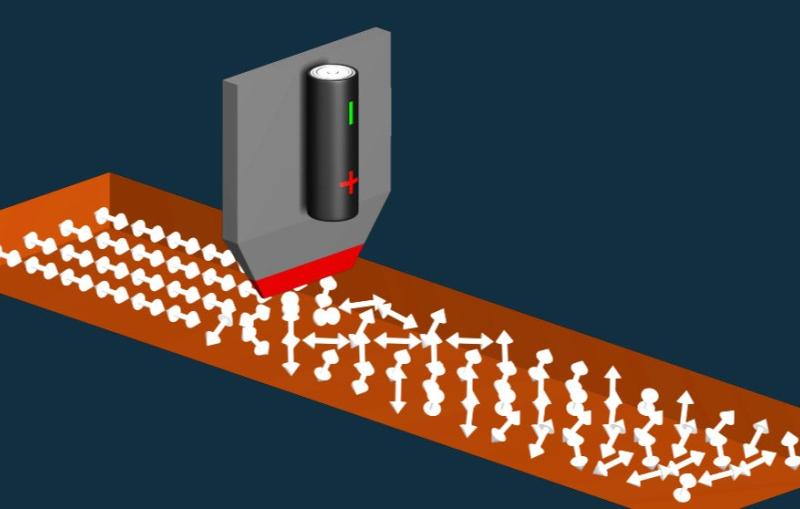
Using an electric field, researchers drew magnetic designs in nonmagnetic material. These efforts could lead to new types of storage devices.

Animation

The electric field aligns the spins of the electrons in the nonmagnetic material, and the ordering creates magnetic properties.
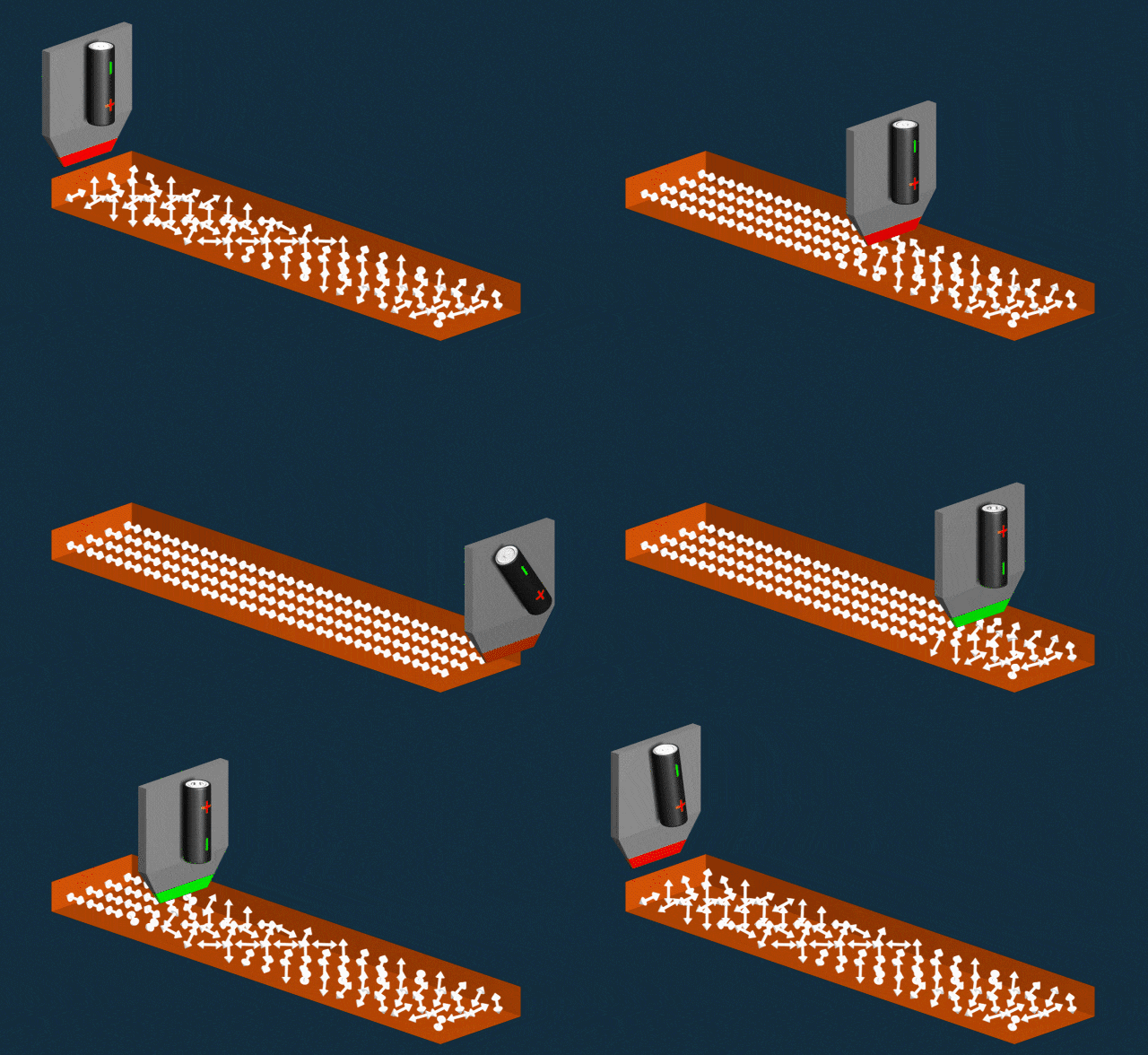
The electric field aligns the spins of the electrons in the nonmagnetic material, and the ordering creates magnetic properties.

Feature

Computer simulations by SLAC physicists show how light pulses can create channels that conduct electricity with no resistance in some atomically thin semiconductors.

News Release

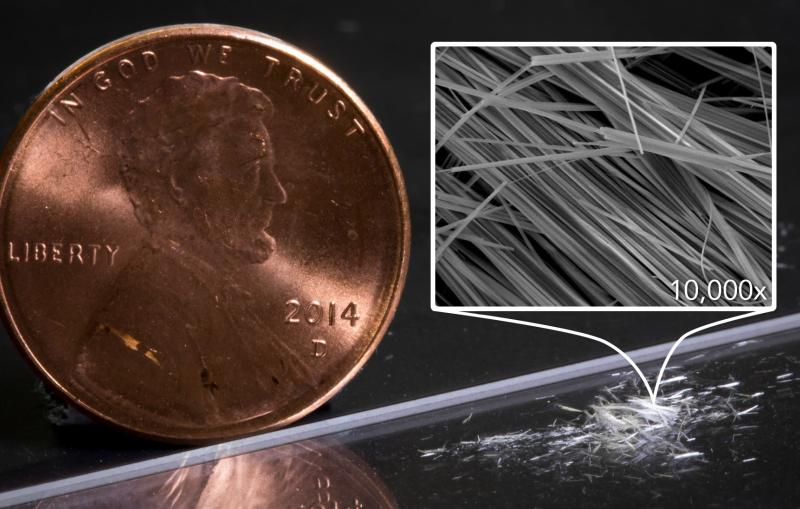
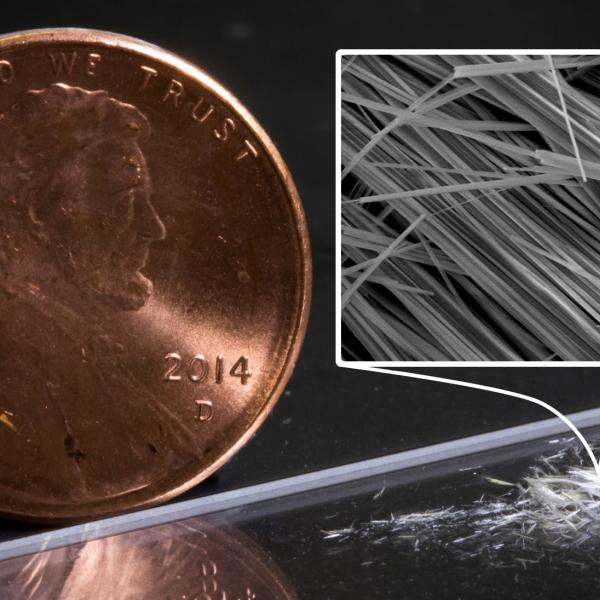
Scientists at Stanford and SLAC use diamondoids – the smallest possible bits of diamond – to assemble atoms into the thinnest possible electrical wires.

Diamondoids on a lab bench and under microscope, with penny for scale
Feature

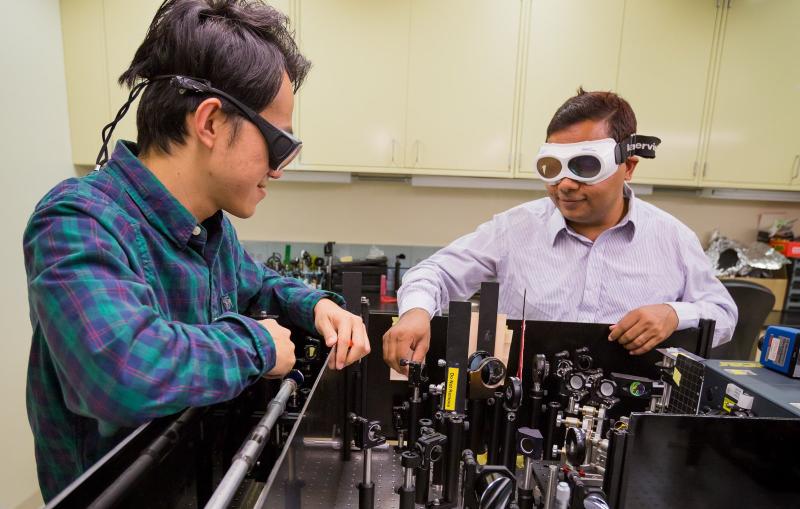
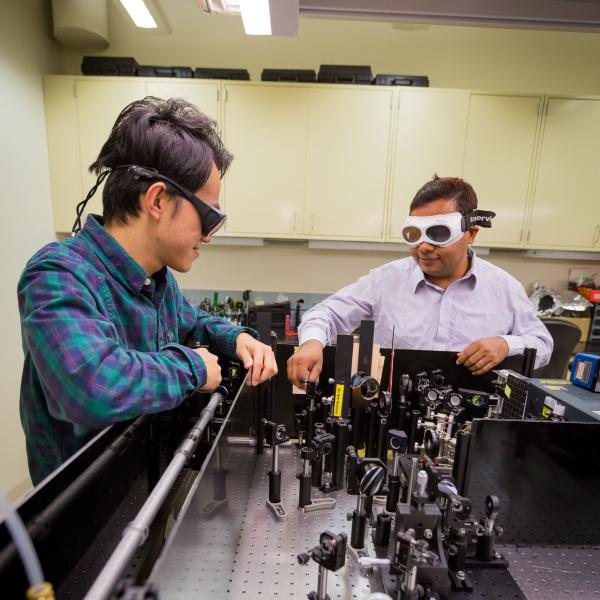
SLAC experiments demonstrate a new way to access valence electrons, which are important in forming chemical bonds and determine many of a material’s properties.

Yong Sing You and Shambhu Ghimire in the PULSE laser laboratory
Feature

Award honors accomplishments in condensed matter physics and electrochemistry at SSRL.

Trevor Petach
Feature

Understanding how a material’s electrons interact with vibrations of its nuclear lattice could help design and control novel materials, from solar cells to high-temperature...

Feature

The goal of the DuraMat consortium is to make solar modules last longer, and thus drive down the cost of solar energy.

Image of solar panels
Feature

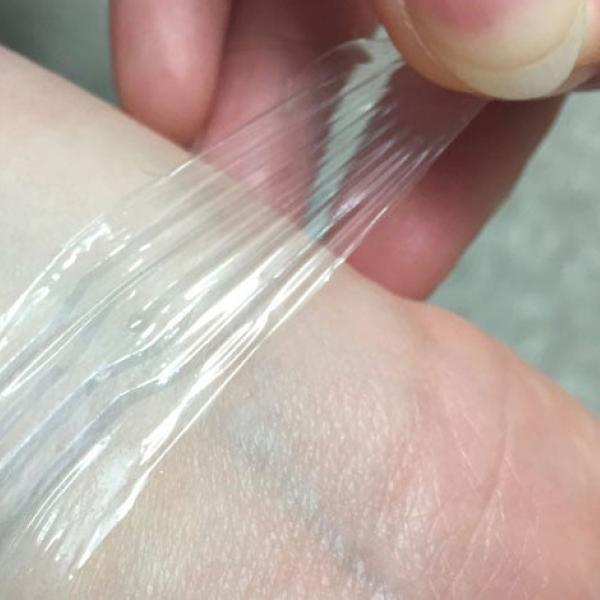
Researchers have engineered a low-cost plastic material that could become the basis for clothing that cools the wearer, reducing the need for energy-consuming air...