

SLAC topics

Materials science RSS feed

 SLAC develops materials to improve the performance of batteries, fuel cells and other energy technologies and set the stage for technologies of the future.

Related link: Energy sciences
Browse tagged content below

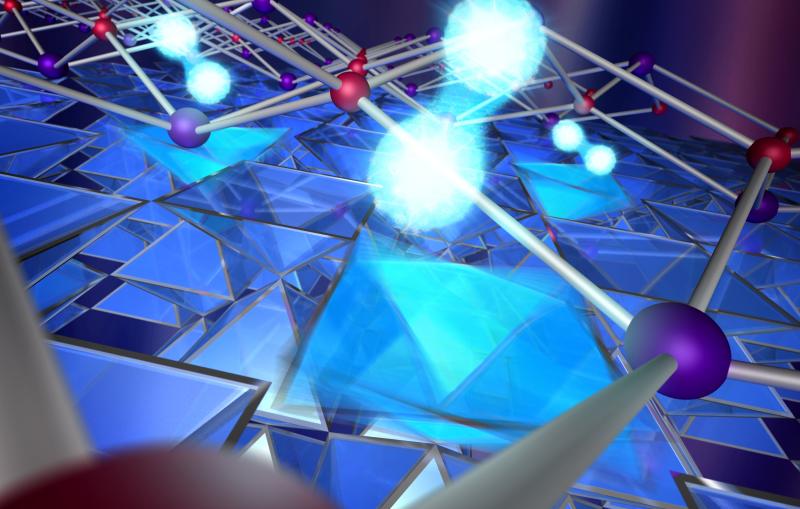
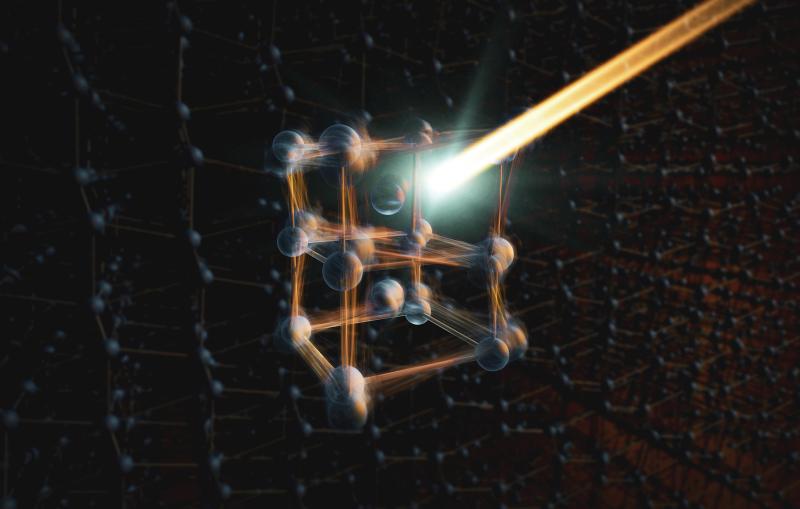
In materials hit with light, individual atoms and vibrations take disorderly paths.
Feature

SLAC scientists are among the researchers to receive funding to advance solar cells, batteries, renewable fuels and bioenergy.

News Release

Rapid Charging and Draining Doesn’t Damage Lithium Ion Electrode as Much as Thought

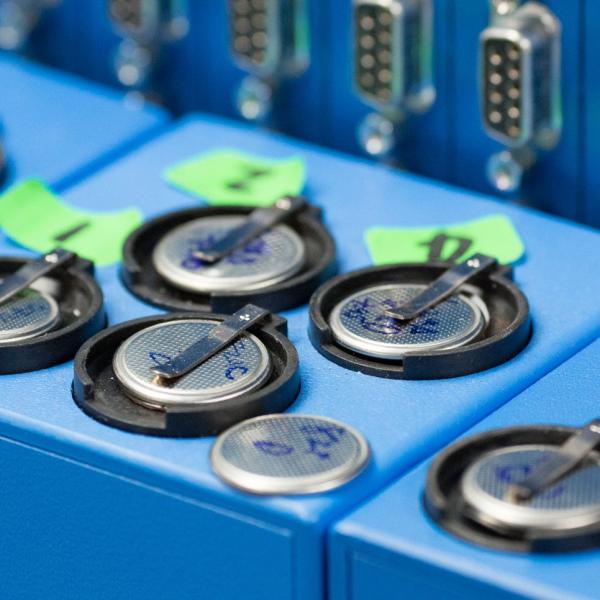
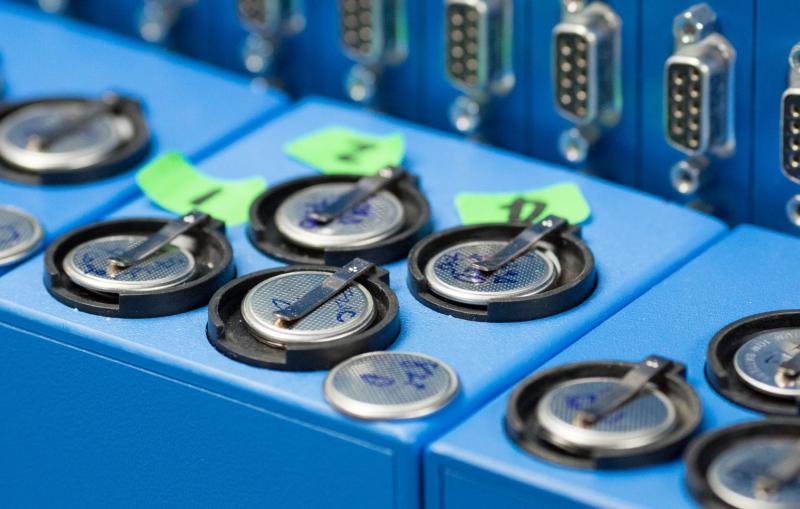
Photo - battery cycler
Feature

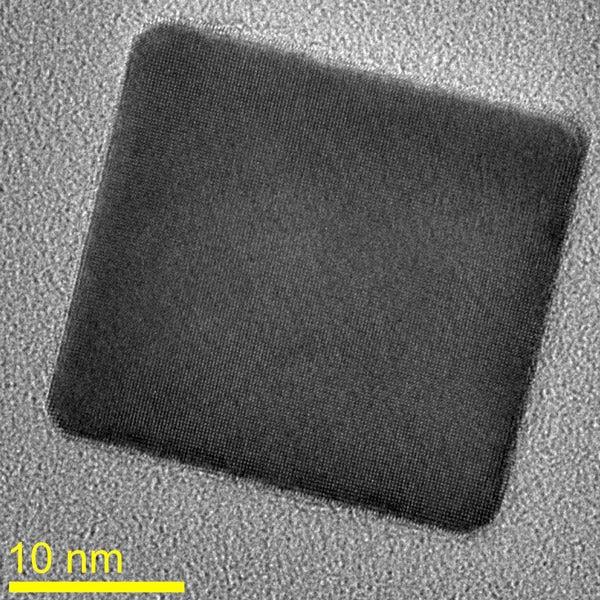
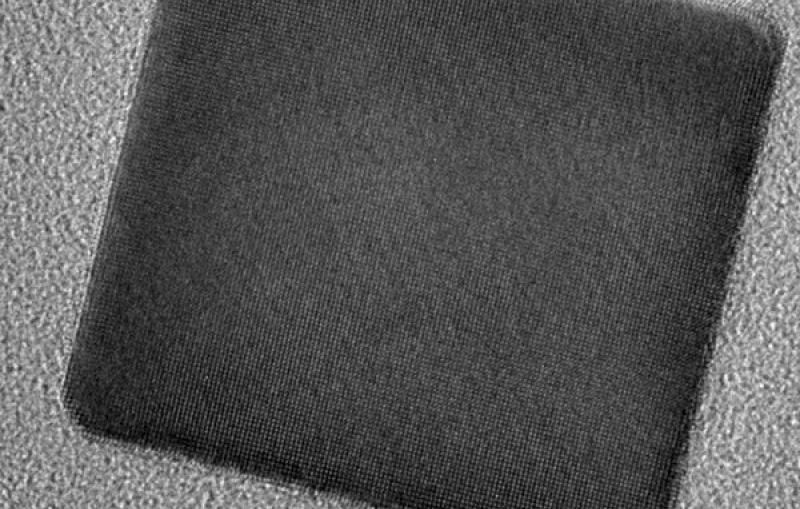
By observing how hydrogen is absorbed into individual palladium nanocubes, Stanford materials scientists have detailed a key step in storing energy and information in...

Feature

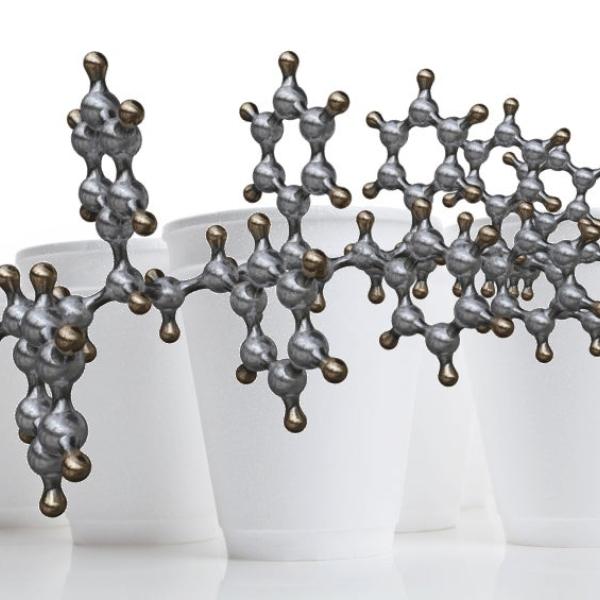
Experiment Shows Potential of X-ray Laser to Study Complex, Poorly Understood Materials

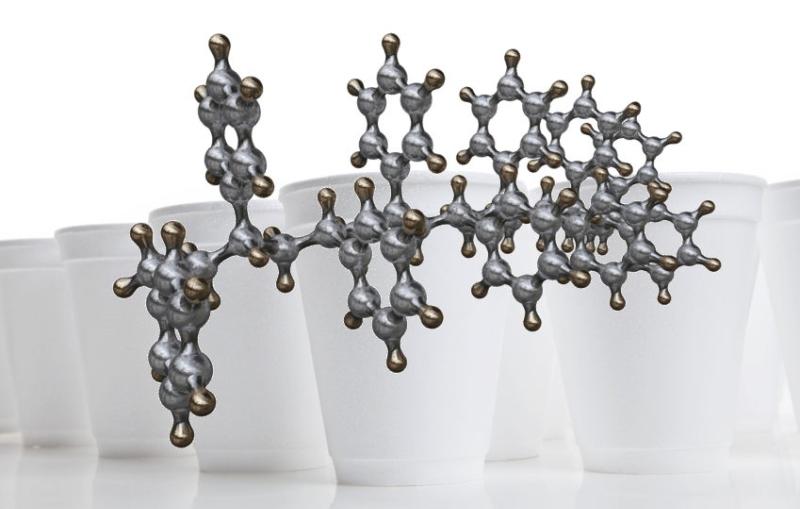
Illustration of a polystrene molecular chain and Styrofoam cups, which are made of polystyrene.
News Release

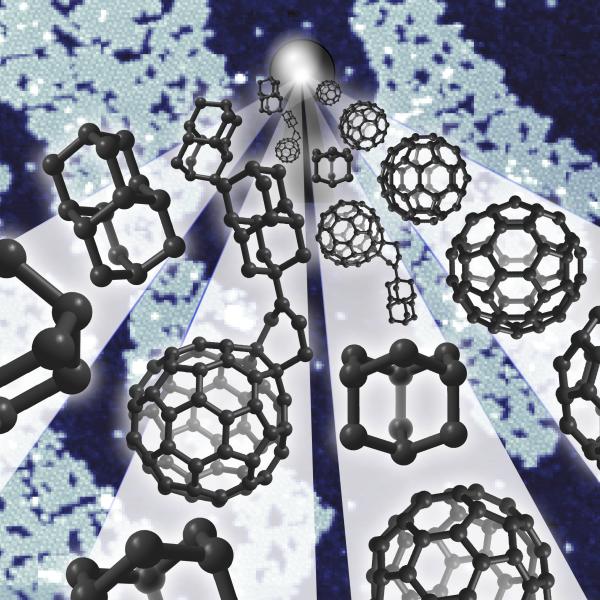
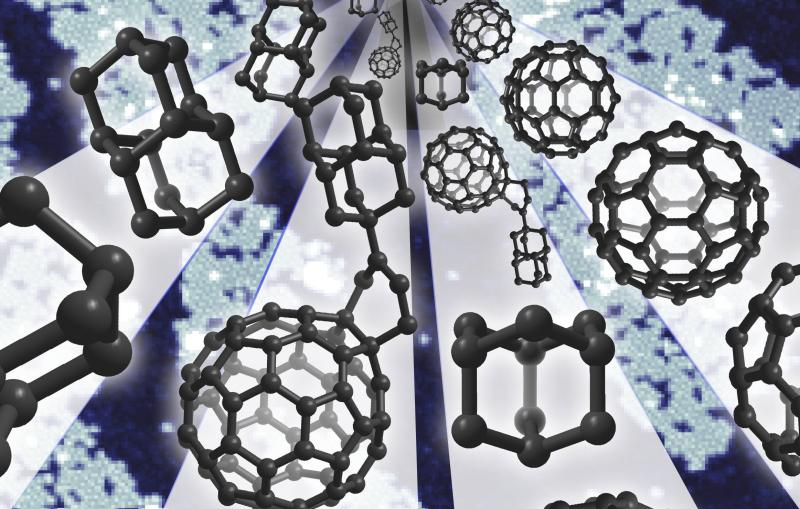
  Scientists Craft Two Exotic Forms of Carbon into a Molecule for Steering Electron Flow

Feature

Lee comes from MIT, where his team recently discovered a fundamentally new type of magnetic behavior in a mineral called herbertsmithite.

SLAC and Stanford Professor Young S. Lee
Feature

SIMES Researcher Developed Innovative Printing Process

Image - Ying Diao
Feature

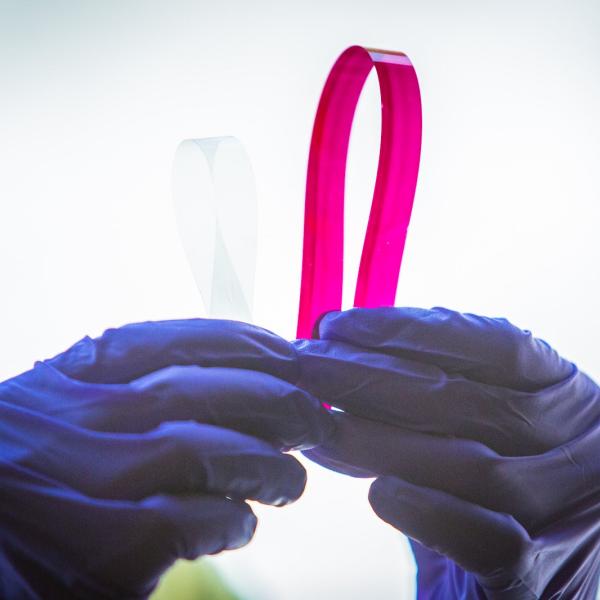
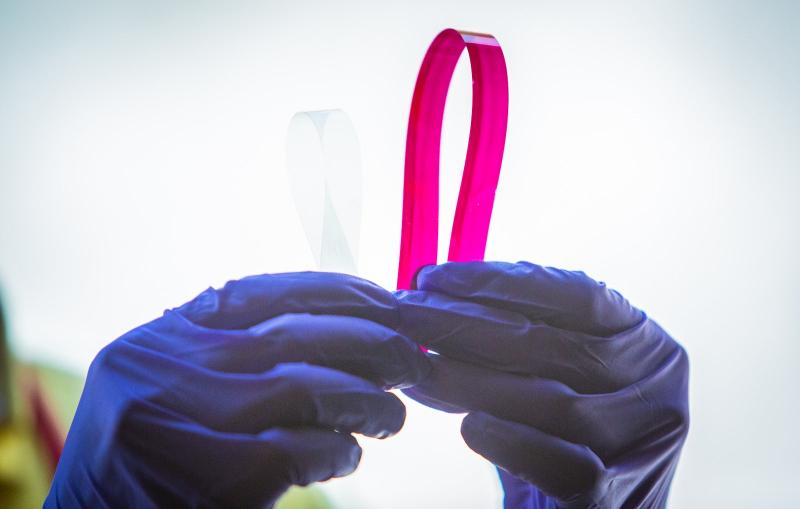
X-ray Studies will Explore Hybrid Materials for Solar Energy, Efficient Lighting and Other Uses

Image - A researcher at SLAC's Stanford Synchrotron Radiation Lightsource holds up a thin strip of material printed with an ink (magenta) relevant to solar-energy conversion.
Feature

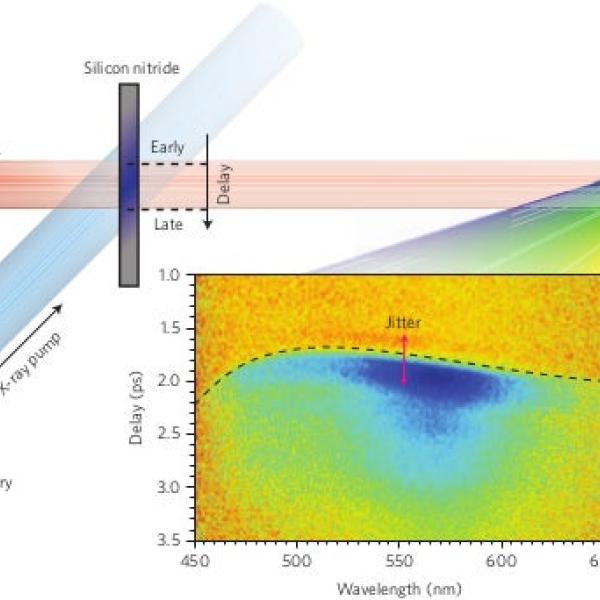
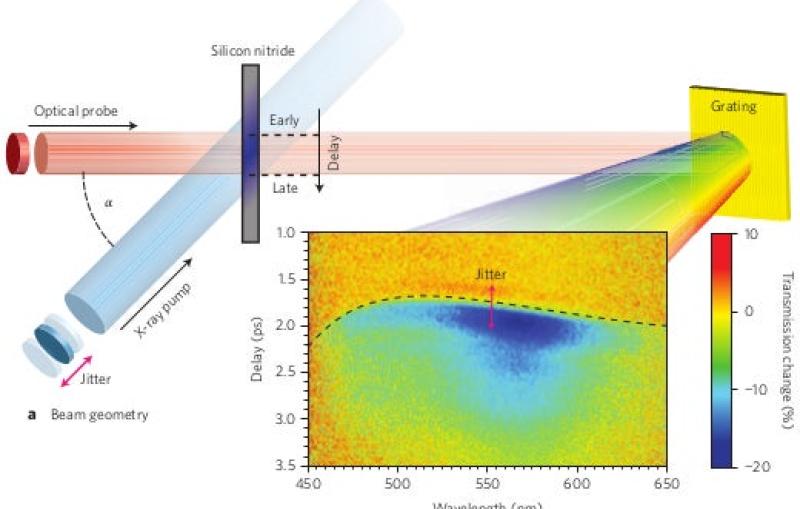
Laser-timing Tool Works at the Speed of Electrons

Image - An illustration of the setup used to test an "attosecond" timing tool at SLAC's Linac Coherent Light Source X-ray laser. The dashed line represents the arrival time of the X-ray laser.
News Release

SLAC, Stanford Advance Will Benefit Thousands of Computational Studies in Wide Range of Fields

Feature

Researchers from Oxford, SIMES and Berkeley Lab say cadmium arsenide could yield practical devices with the same extraordinary electronic properties as 2-D graphene.

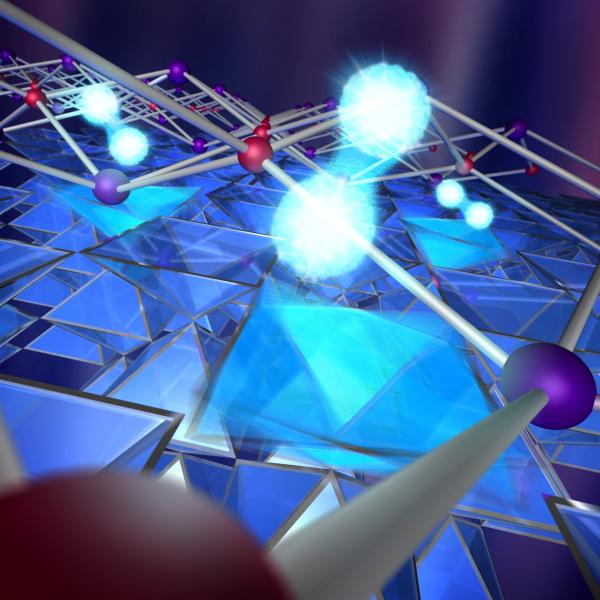
This illustration depicts fast-moving, massless electrons inside the material.
Feature

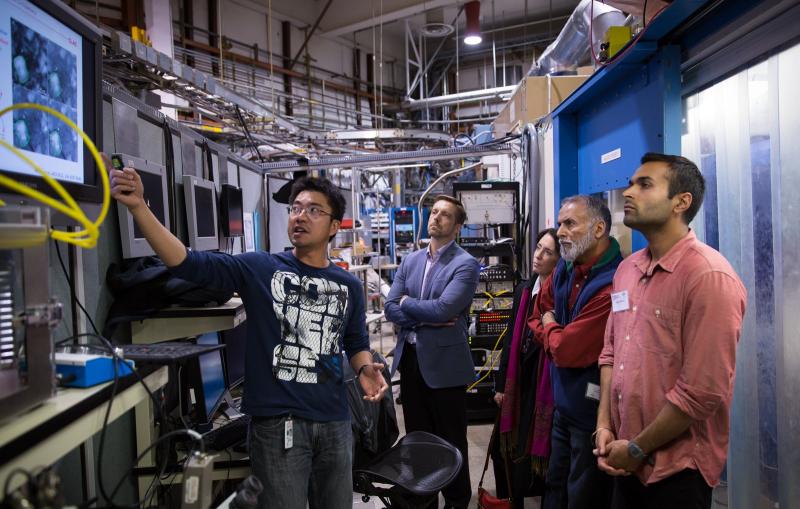
In a recent experiment at SLAC's Stanford Synchrotron Radiation Lightsource, scientists "tickled" atoms to explore the flow of heat and energy across materials at...

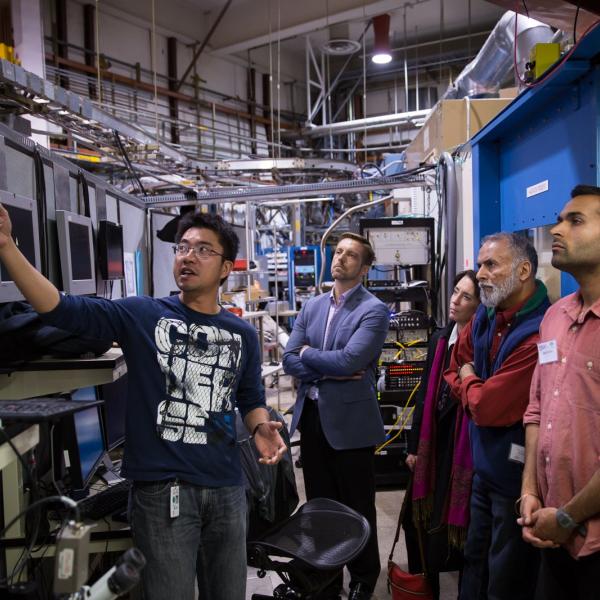
Photo - A view of a materials science experimental setup at SLAC's Stanford Synchrotron Radiation Lightsource (SSRL). The circular instrument that frames this photo is part of a diffractometer that was used to align samples and a detector with X-rays.