

SLAC topics

Stanford Synchrotron Radiation Lightsource (SSRL) RSS feed

SSRL is a pioneering synchrotron radiation facility known for outstanding science, technological innovation and user support. It provides extremely bright X-rays that scientists use for a wide range of research that probes matter on the scales of atoms and molecules.
Visit SSRL website

Browse tagged content

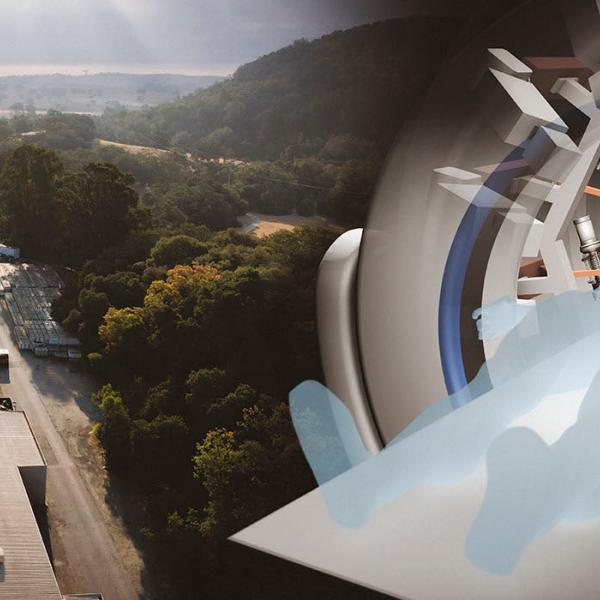
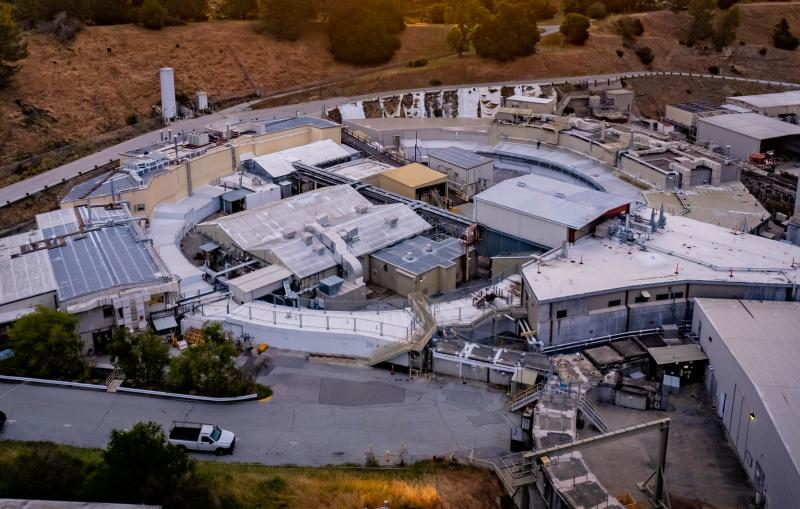
Aerial view of Stanford Synchrotron Radiation Lightsource (SSRL)
Feature

SLAC’s Matt Garrett and Susan Simpkins talk about tech transfer that brings innovations from the national lab to the people, including advances for medical...

Tech Transfer
Feature

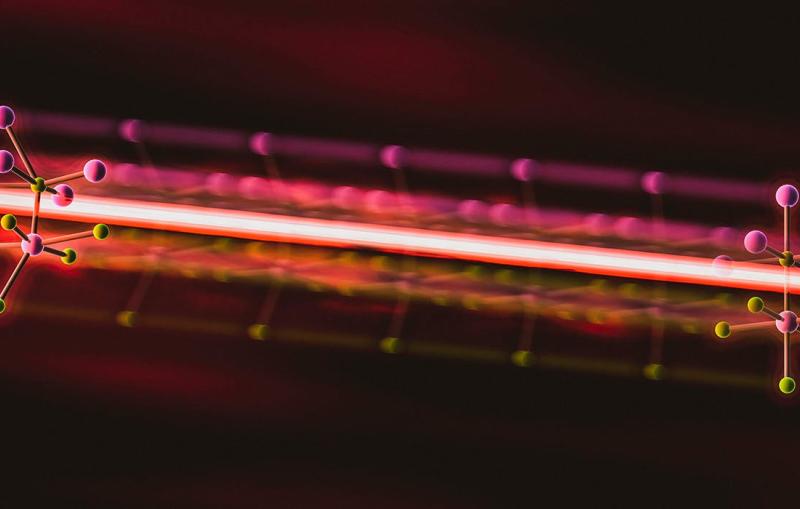
X-ray laser experiments show that intense light distorts the structure of a thermoelectric material in a unique way, opening a new avenue for controlling...

Illustration shows two ball-and-stick molecules in pink and red separated by a blurred streak representing how the first structure is slightly deformed into the second.
Illustration
Illustration shows two ball-and-stick molecules in pink and red separated by a blurred streak representing how the first structure is slightly deformed into the second.
Feature

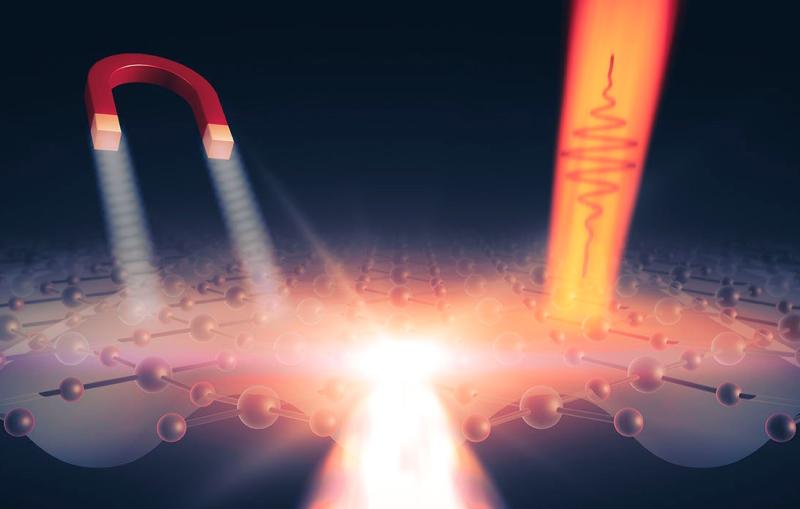
Scientists discover that triggering superconductivity with a flash of light involves the same fundamental physics that are at work in the more stable states...

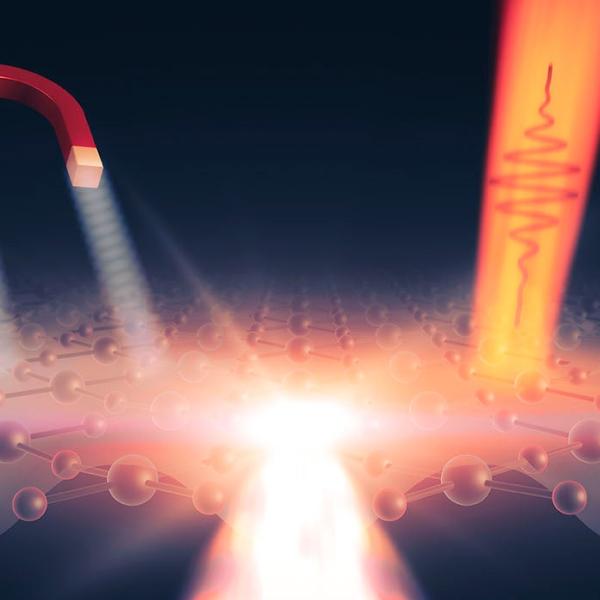
Exposing the material to a magnetic field
Feature

The results cap 15 years of detective work aimed at understanding how these materials transition into a superconducting state where they can conduct electricity...

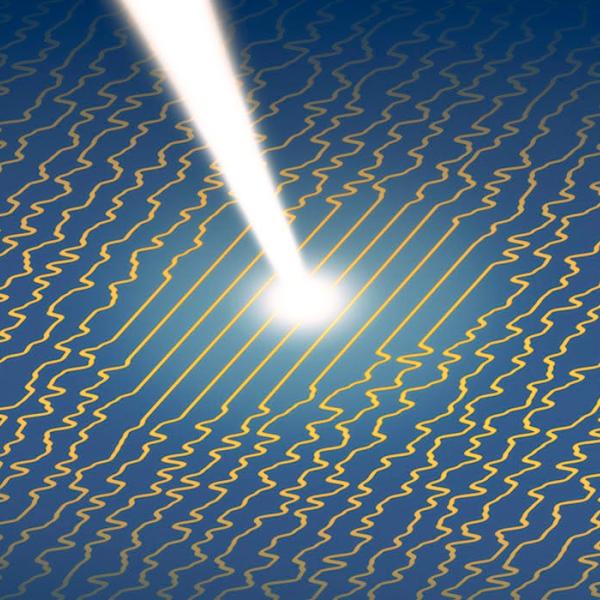
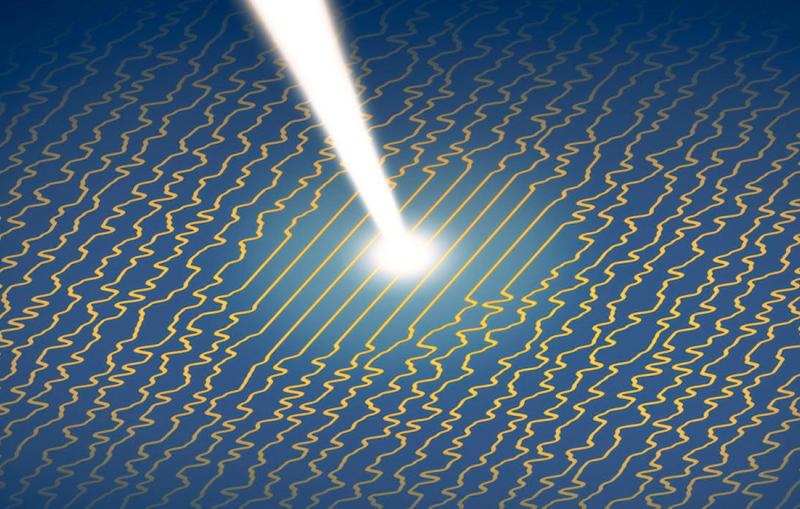
Conceptual illlustration showing a beam of light entering from the right and hitting a material, ejecting a sphere representing an electron
Feature

New research questions ‘whiff of oxygen’ in Earth’s early history.

Blue and purple image showing cracks where arsenic and copper entered a shale sample.
News Brief

Recently developed methods now in use at SLAC’s X-ray synchrotron helped a team of chemists better understand how certain bacteria turn light into chemical...

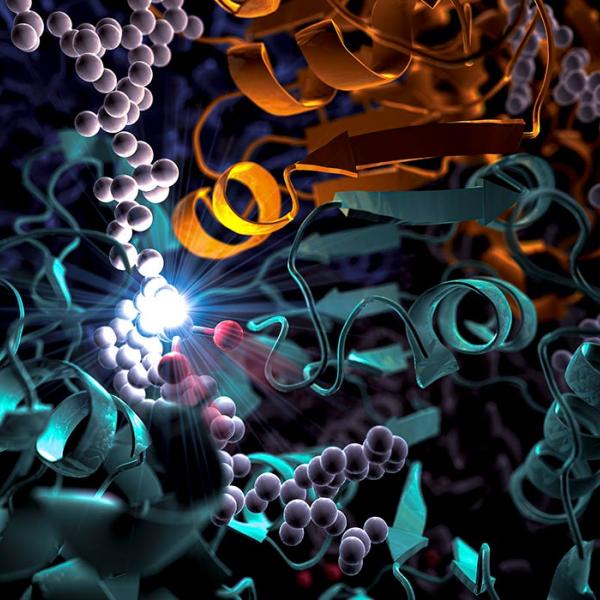
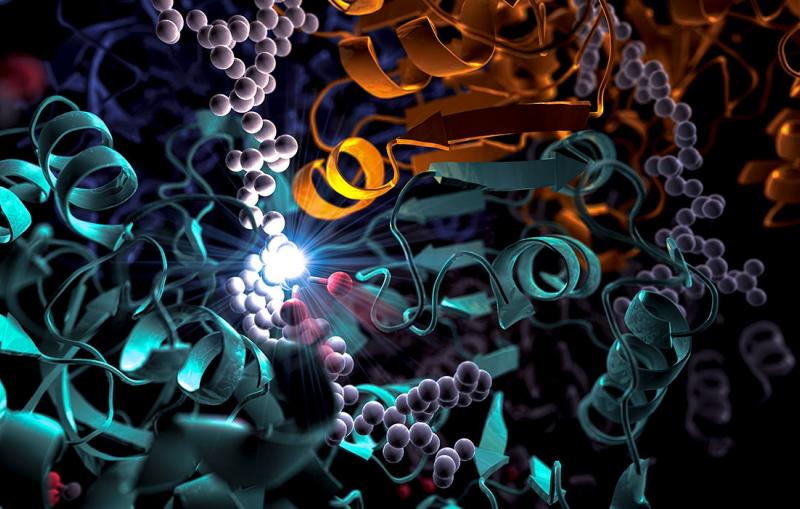
A diagram of a protein molecule with white spirals and multicolored webs indicating key parts of the molecule.
Feature

A better understanding of this process could inform the next generation of artificial photosynthetic systems that produce clean and renewable energy.

water droplets on plant
Feature

In two new papers, researchers used X-ray crystallography and cryogenic electron microscopy to reveal new details of the structure and function of molecular assembly...

A model of the Lsd14 molecule
News Brief

Scientists who perform experiments at SLAC’s lightsources gathered online for research talks, workshops and discussions.

Aerial view of industrial-looking research buildings
Feature

The award recognizes her research and service at the Stanford Synchrotron Radiation Lightsource.

Feature

The chemically controlled chains reveal an ultrastrong attraction between electrons that may help cuprate superconductors carry electrical current with no loss at relatively high...

An illustration showing a 1D chain of carbon and oxygen molecules with red springs representing natural vibrations in their atomic lattice.