
SLAC topics

Stanford Synchrotron Radiation Lightsource (SSRL) RSS feed

SSRL is a pioneering synchrotron radiation facility known for outstanding science, technological innovation and user support. It provides extremely bright X-rays that scientists use for a wide range of research that probes matter on the scales of atoms and molecules.

Visit SSRL website

Browse tagged content

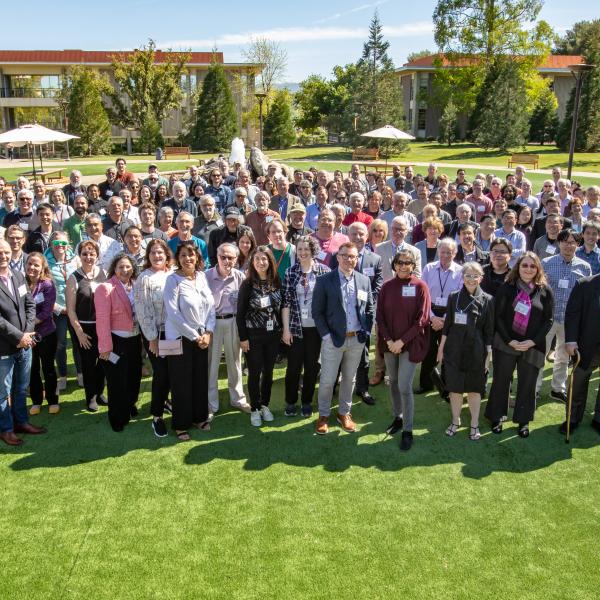
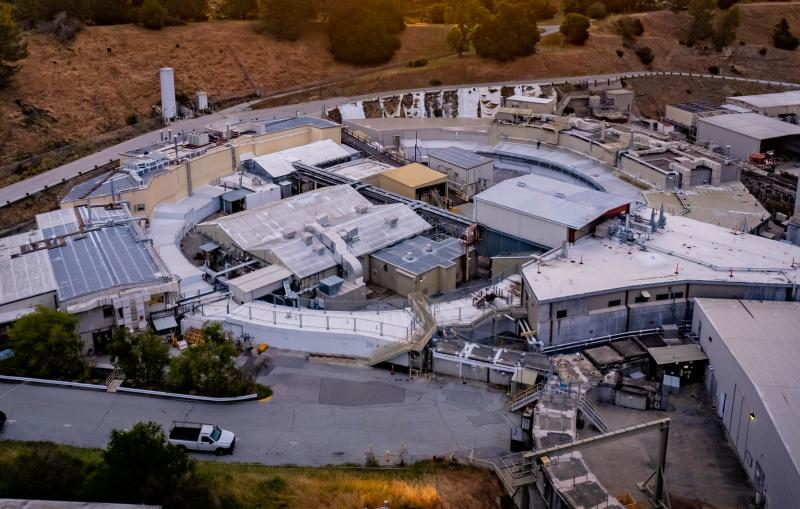
Aerial view of Stanford Synchrotron Radiation Lightsource (SSRL)
News Release

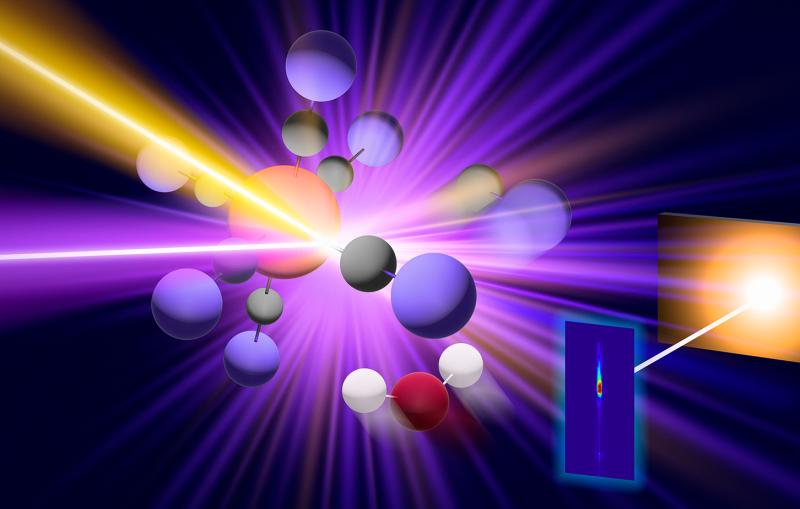
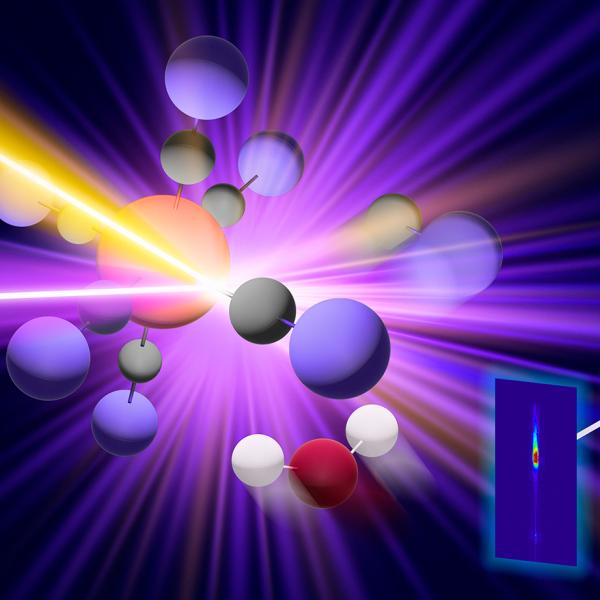
After decades of effort, scientists have finally seen the process by which nature creates the oxygen we breathe using SLAC’s X-ray laser.

Photosystem II
Animation

In photosystem II, the water-splitting center cycles through four stable states
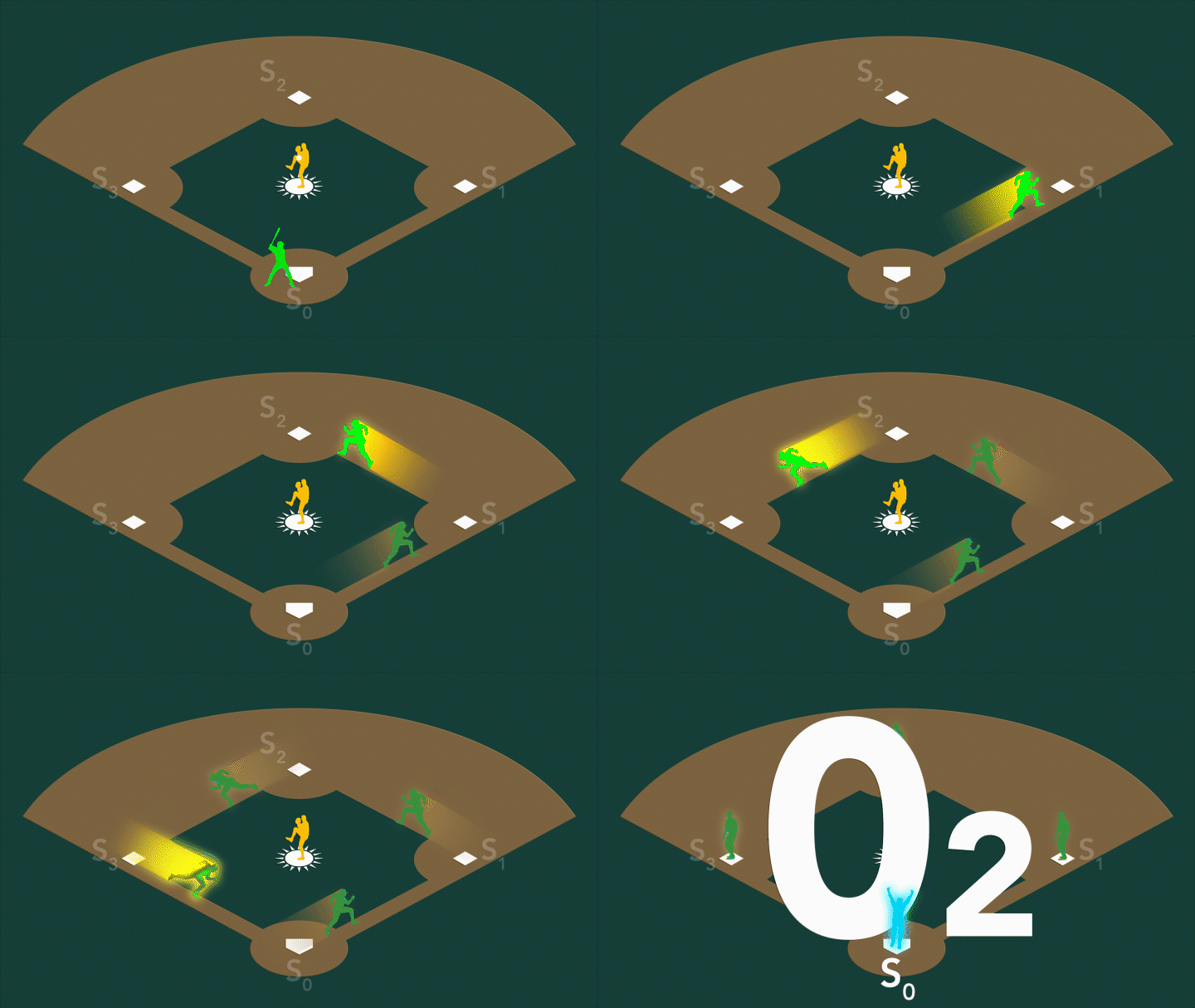
Photosystem II baseball
Past Event

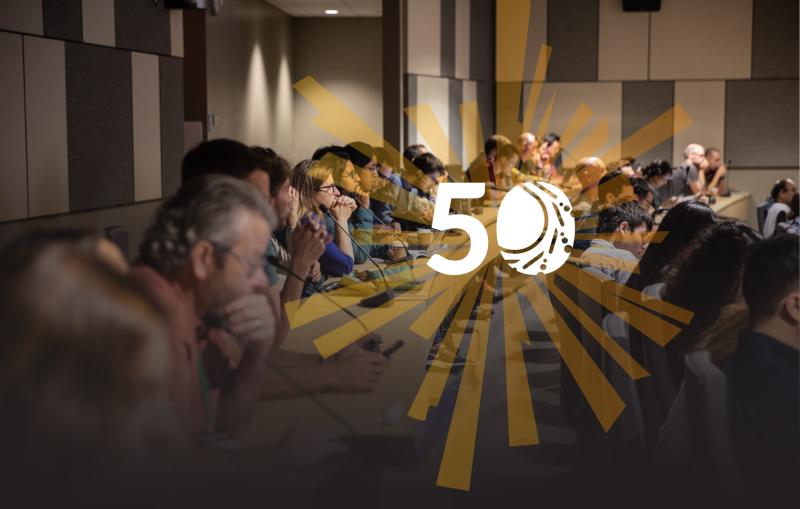
Join us for a full day of talks and panel discussions looking at the past, present and future of the Stanford Synchrotron Radiation Lightsource...

Panofsky auditorium with SSRL 50th graphic
Video
Watch the history of SLAC's Stanford Radiation Light Source celebrating 50 years in 2023. 
Stillframe for SSRL history video
Video
News Release

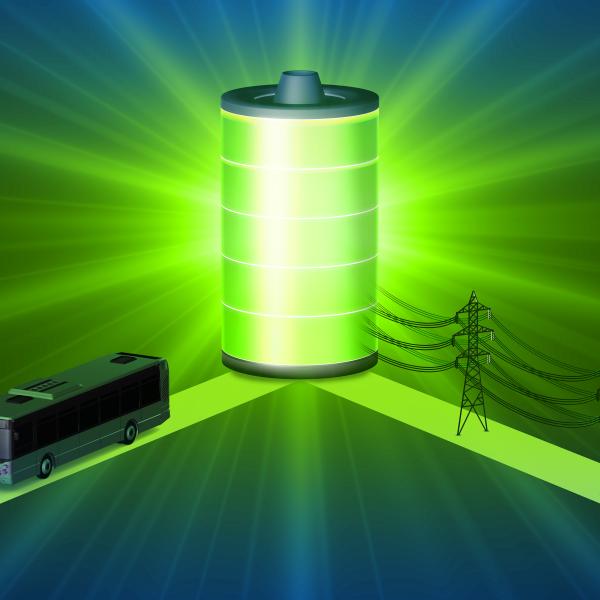
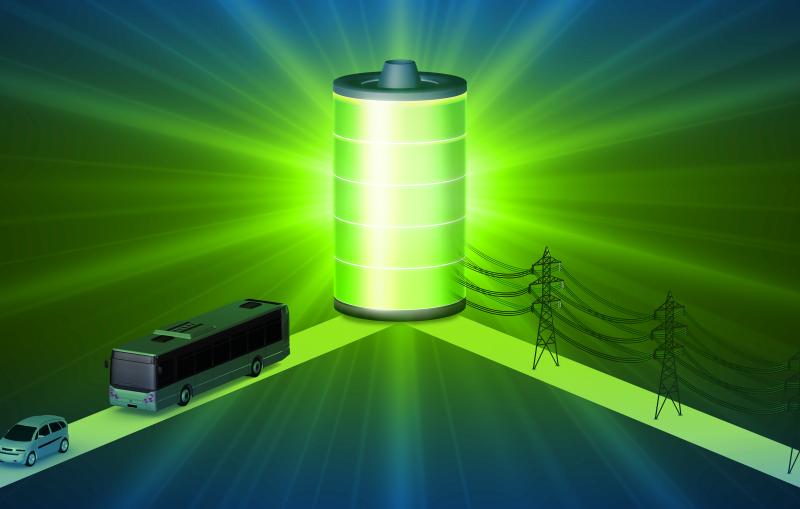
New SLAC-Stanford Battery Center bridges the gaps between discovering, manufacturing and deploying innovative energy storage solutions. 

Illustration showing a battery researcher at left, a battery at center and a grid of battery applications at right.
Illustration

The new SLAC-Stanford Battery Center aims to bridge the gaps between discovering, manufacturing and deploying innovative energy storage solutions. 

Illustration showing a battery researcher at left, a battery at center and a grid of battery applications at right.
Feature

A molecule with hooks that can grip and disable the virus’s pesky protease shows potential for fighting infection.

This graphic illustration shows how a SARS-CoV-2 protease attaches to a new molecule. The new molecule is meant to slow the virus inside an infected person.
Feature

SLAC researcher Sadasivan Shankar talks about a new environmental effort starting at the lab – building a roadmap that will help researchers improve the...

Sadasivan Shankar
News Brief

His work has led to new treatments for advanced lung cancer and a better understanding of dangerous parasites.

Blaine Mooers
Feature

The Stanford Board of Trustees held its first meeting of the 2022-23 academic year Oct. 17-18. Trustees toured the SLAC National Accelerator Laboratory and...

Aerial photo of SLAC research yard
Feature

Encapsulating precious-metal catalysts in a web-like alumina framework could reduce the amount needed in catalytic converters – and our dependency on these scarce metals.

A web of red material encapsulates blue polyhedrons.