
SLAC topics

Stanford Synchrotron Radiation Lightsource (SSRL) RSS feed

SSRL is a pioneering synchrotron radiation facility known for outstanding science, technological innovation and user support. It provides extremely bright X-rays that scientists use for a wide range of research that probes matter on the scales of atoms and molecules.

Visit SSRL website

Browse tagged content

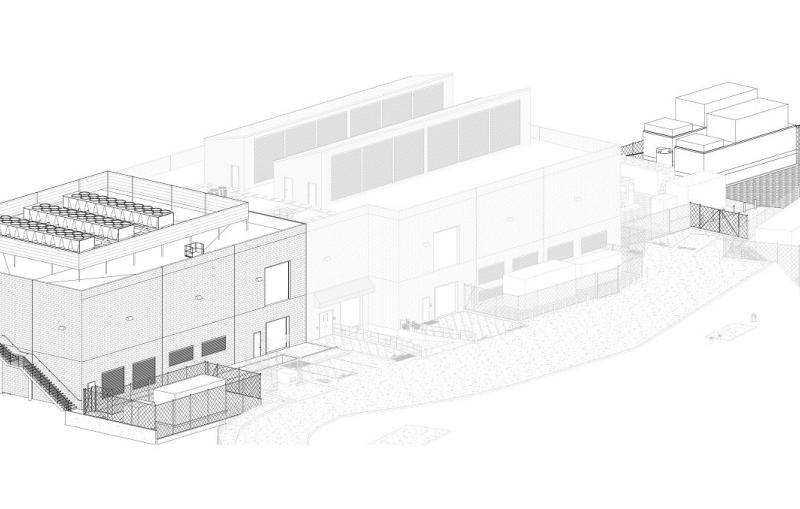
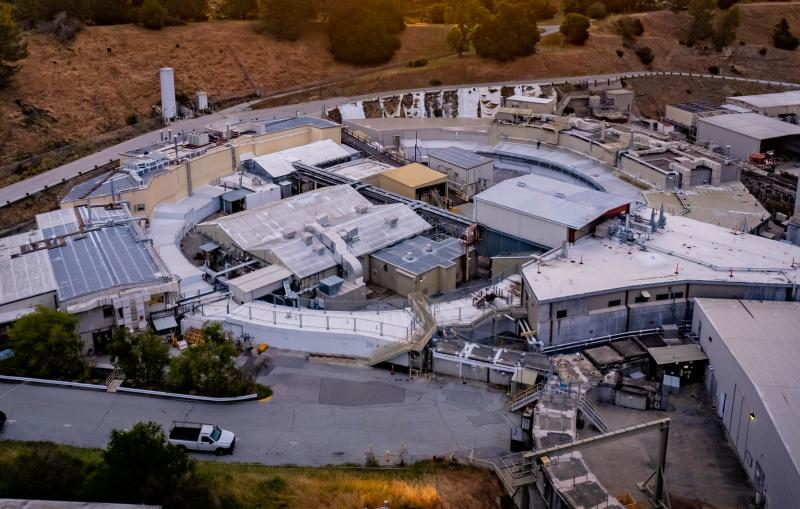
Aerial view of Stanford Synchrotron Radiation Lightsource (SSRL)
Feature

After decades of experience in the DOE lab system and as director of a leading synchrotron light source, he’s back to where he earned...

Stephen Streiffer
Feature

By revealing the chemistry of plant secretions, or exudates, these studies build a basis for better understanding and conserving art and tools made with...

Plant secretion from what is called "grass tree."
Feature

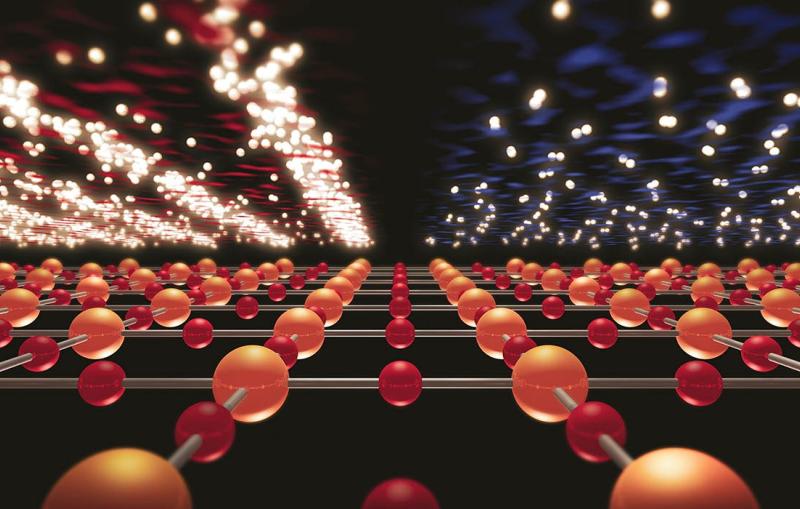
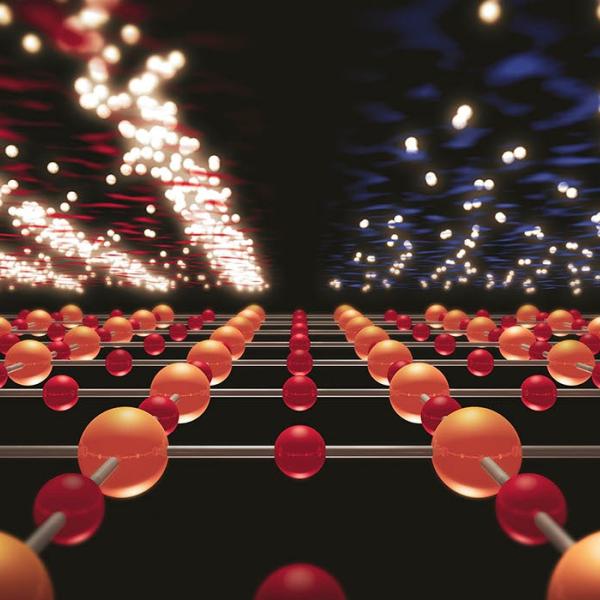
Scientists discover superconductivity and charge density waves are intrinsically interconnected at the nanoscopic level, a new understanding that could help lead to the next...

A beam of light lands on a series of squiggly lines. Where the beam lands, the lines are straight.
Feature

Researchers discover that a spot of molecular glue and a timely twist help a bacterial enzyme convert carbon dioxide into carbon compounds 20 times...

An illustration shows the pocket in an enzyme called ECR where the carbon fixing reaction takes place.
Feature

How quickly a battery electrode decays depends on properties of individual particles in the battery – at first. Later on, the network of particles...

A group of particles, some highlighted in reds and oranges to show which have begun to break apart.
Feature

A physical chemist and a diverse group of his students are working on applications with nanoscopic diamonds.

Three side-by-side portraits.
Feature

SLAC’s Matt Garrett and Susan Simpkins talk about tech transfer that brings innovations from the national lab to the people, including advances for medical...

Tech Transfer
Feature

X-ray laser experiments show that intense light distorts the structure of a thermoelectric material in a unique way, opening a new avenue for controlling...

Illustration shows two ball-and-stick molecules in pink and red separated by a blurred streak representing how the first structure is slightly deformed into the second.
Illustration
Illustration shows two ball-and-stick molecules in pink and red separated by a blurred streak representing how the first structure is slightly deformed into the second.
Feature

Scientists discover that triggering superconductivity with a flash of light involves the same fundamental physics that are at work in the more stable states...

Exposing the material to a magnetic field
Feature

The results cap 15 years of detective work aimed at understanding how these materials transition into a superconducting state where they can conduct electricity...

Conceptual illlustration showing a beam of light entering from the right and hitting a material, ejecting a sphere representing an electron
Feature

New research questions ‘whiff of oxygen’ in Earth’s early history.

Blue and purple image showing cracks where arsenic and copper entered a shale sample.