SLAC topics

Stanford Synchrotron Radiation Lightsource (SSRL) RSS feed

SSRL is a pioneering synchrotron radiation facility known for outstanding science, technological innovation and user support. It provides extremely bright X-rays that scientists use for a wide range of research that probes matter on the scales of atoms and molecules.

Visit SSRL website

Browse tagged content

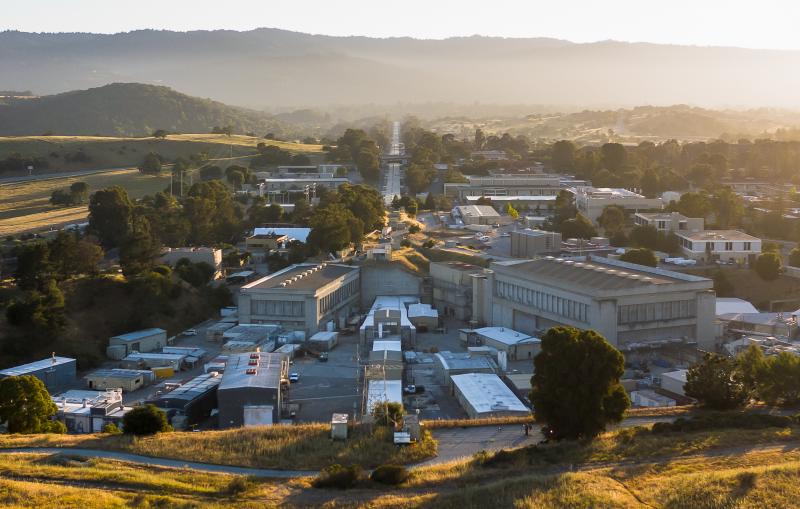
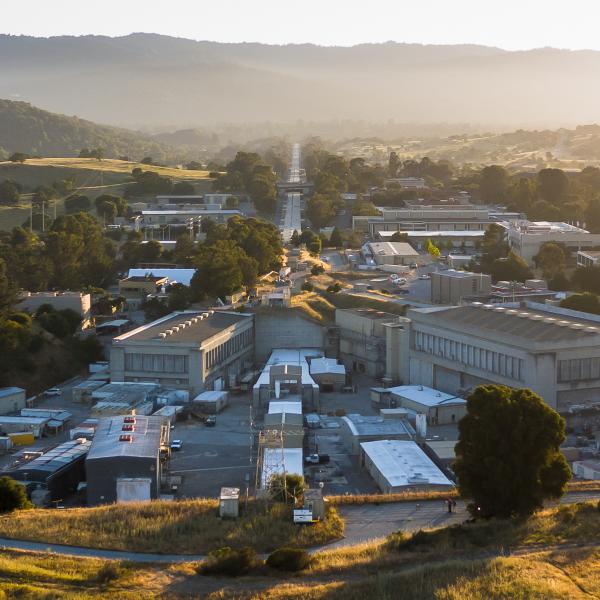
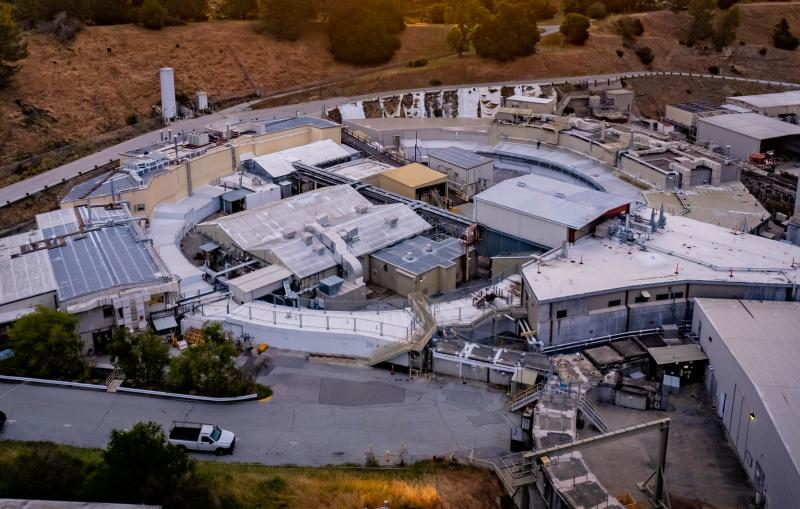
Aerial view of Stanford Synchrotron Radiation Lightsource (SSRL)
Photograph

Facilities at SLAC with SPEAR3 at Stanford Synchrotron Radiation Lightsource (SSRL) to the left and Matter in Extreme Conditions (MEC) hutch to the right. 

Facilities at SLAC with SPEAR3 at Stanford Synchrotron Radiation Lightsource (SSRL) to the left and Matter in Extreme Conditions (MEC) hutch to the right.
Video

Watch this video for a simple explanation of what a synchrotron is and why there are 60 around the world today.

video still frame of synchrotron explainer
Video
Illustration

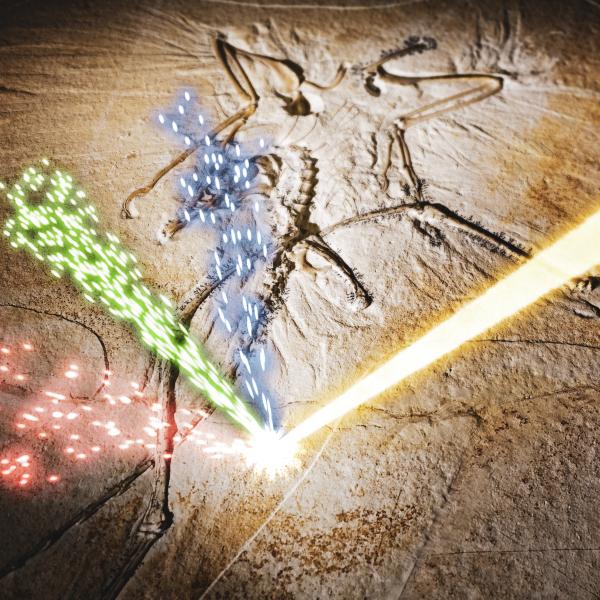
By detecting minute traces of original pigments in fossils, X-ray imaging at synchrotrons has given scientists the chemical evidence needed to discover the actual...
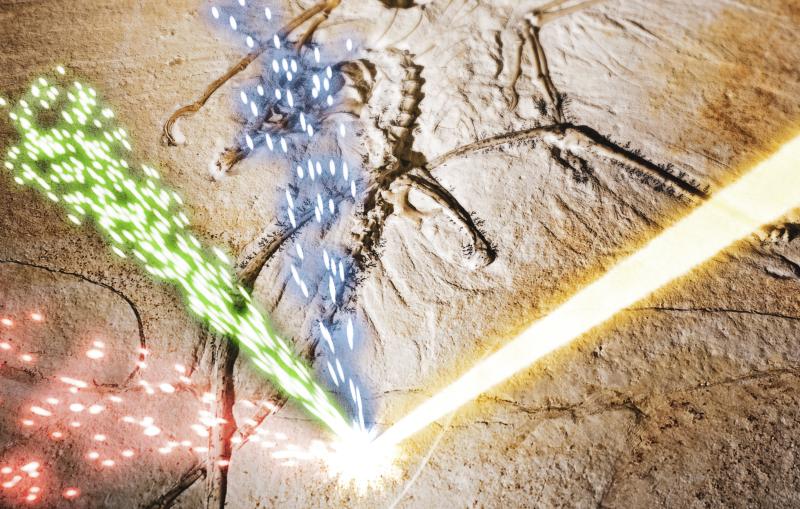
X-ray imaging at synchrotrons has given scientists the chemical evidence needed to discover the actual colors of ancient life forms.
Photograph

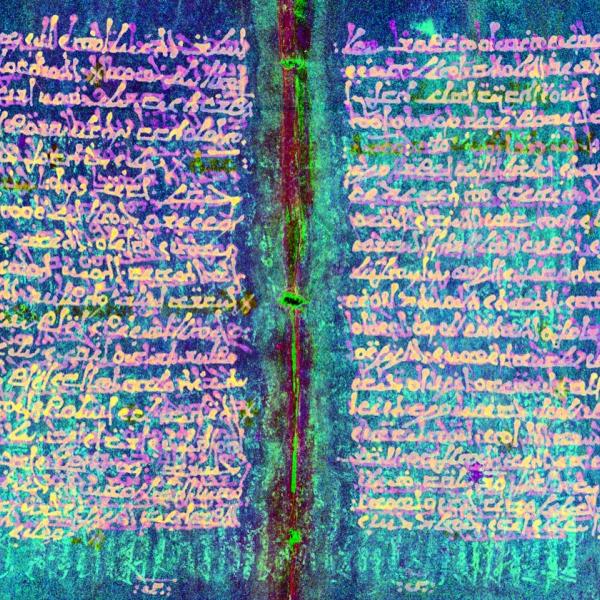
SSRL’s X-rays  uncovered a 6th century translation of a book by the Greek-Roman doctor Galen, allowing the hidden text to be read for the...

X-ray of ancient medical manuscript at the Stanford Synchrotron Radiation Lightsource (SSRL)
Photograph

Cryo-EM and SSRL training workshop at SLAC.

Cryo-EM and SSRL training workshop
Photograph

Roberto Alonso Mori (right) and Dimosthenis Sokaras work on a spectrometer at SLAC's Stanford Synchrotron Radiation Lightsource.

A spectrometer at SLAC's Stanford Synchrotron Radiation Lightsource
Photograph

Cryo-EM image processing workshop at SSRL

Cryo-EM image processing workshop at SSRL
Video

Sunrise timelapse of SSRL (Stanford Synchrotron Radiation Lightsource)

Front Page - SSRL
Video
Photograph
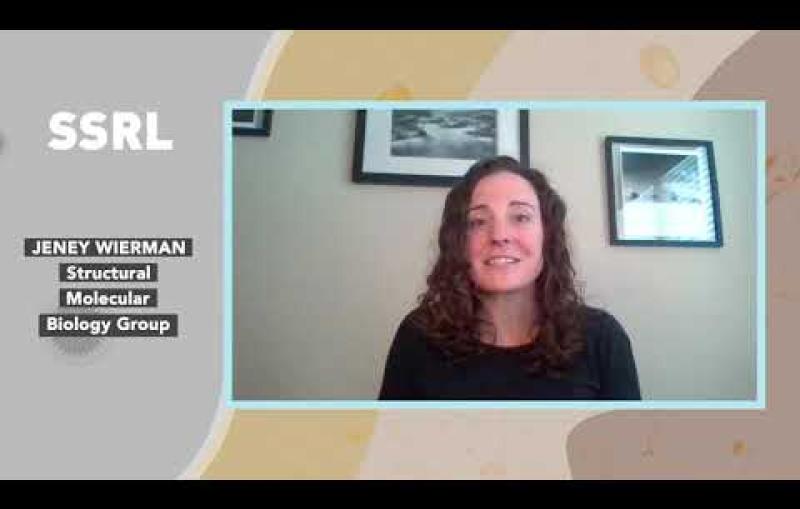
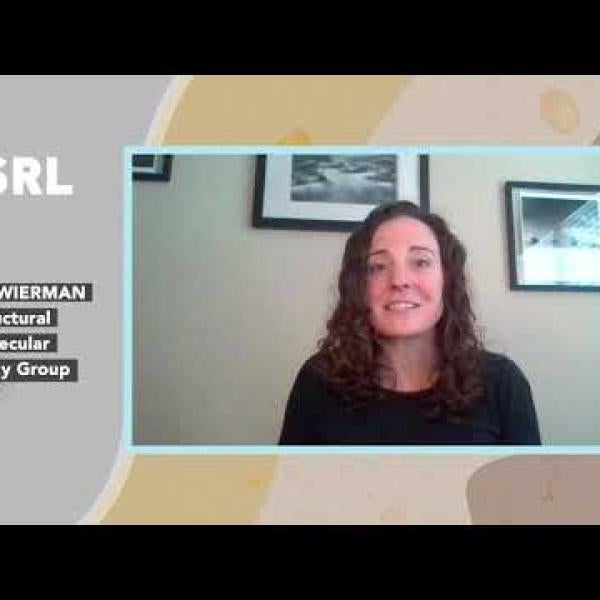
Jeney Wierman stands in the control room of SSRL. She, along with other members of the Structural Molecular Biology team...
Jeney Wierman of SLAC’s Structural Molecular Biology team
News Brief

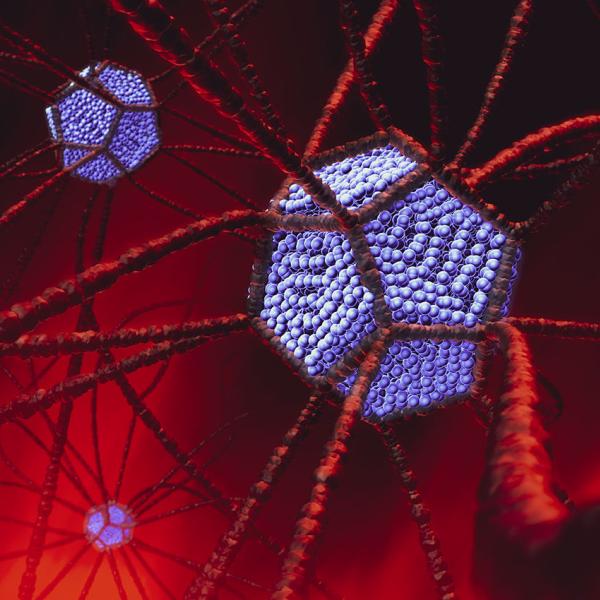
The protein could play a key role in soil carbon cycling and soil decomposition.

A three-dimensional structure of the soil virus AMG product, an enzyme known as a chitosanase.
News Brief

Fan’s X-ray crystallography work at SLAC’s synchrotron moves us closer to a more protective coronavirus vaccine and a better understanding of how vital materials...

Fan wins this year's Klein award from SSRL.
News Release

Powerful X-rays from SLAC’s synchrotron reveal that our immune system’s primary wiring seems to be no match for a brutal SARS-CoV-2 protein.

SARS-CoV-2-NEMO