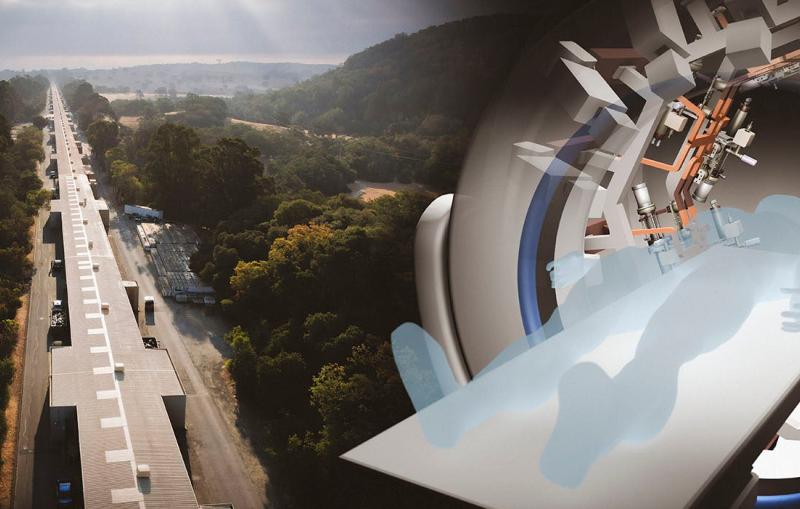
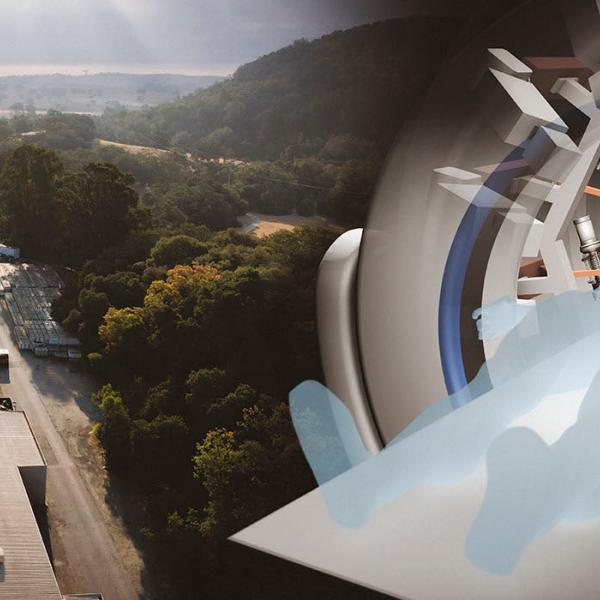
SLAC’s Matt Garrett and Susan Simpkins talk about tech transfer that brings innovations from the national lab to the people, including advances for medical...
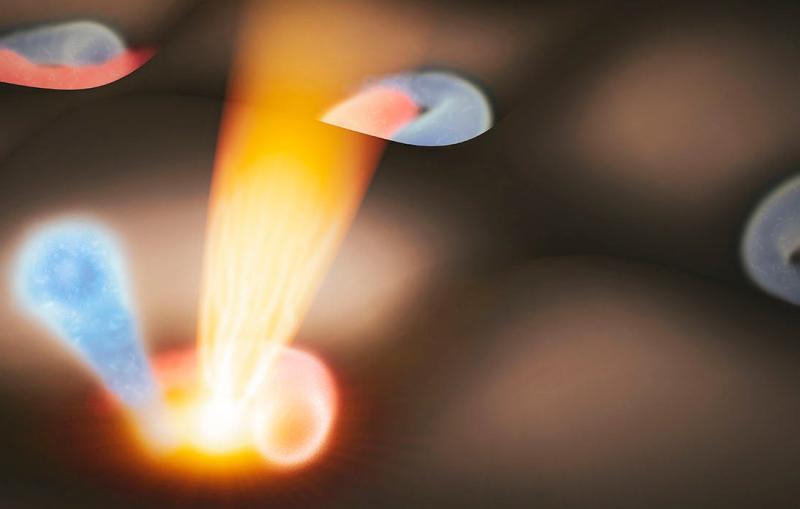
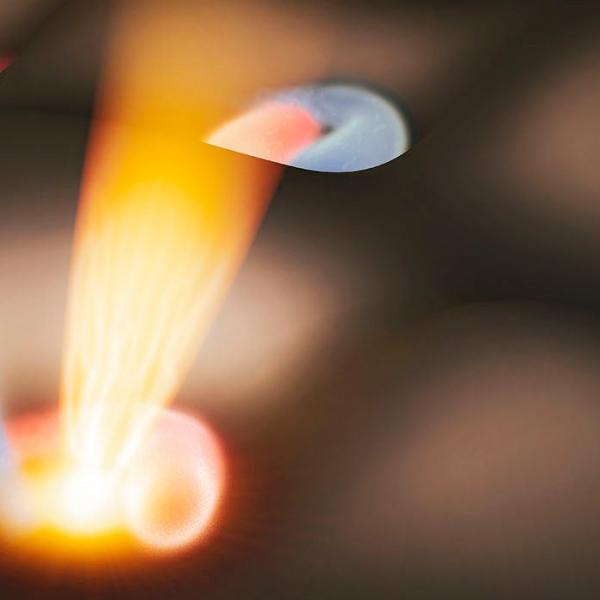
X-ray laser experiments show that intense light distorts the structure of a thermoelectric material in a unique way, opening a new avenue for controlling...
The results cap 15 years of detective work aimed at understanding how these materials transition into a superconducting state where they can conduct electricity...
Cryo-EM snapshots of the solid-electrolyte interphase, or SEI, reveal its natural swollen state and offer a new approach to lithium-metal battery design.
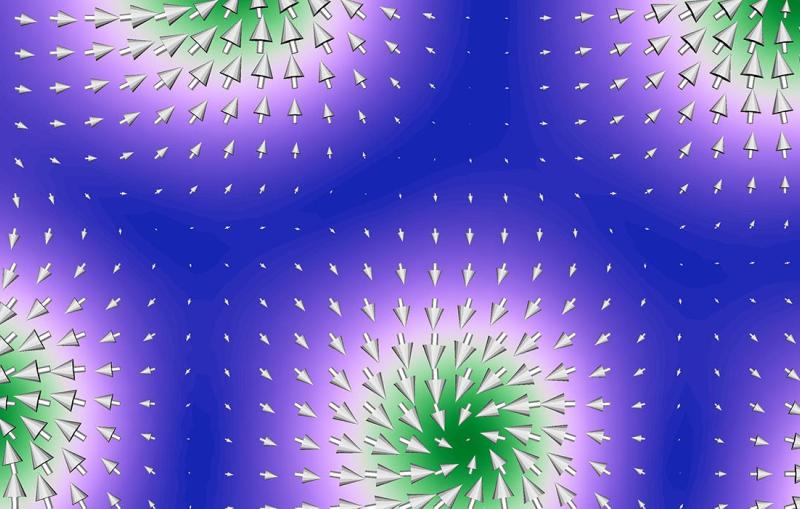
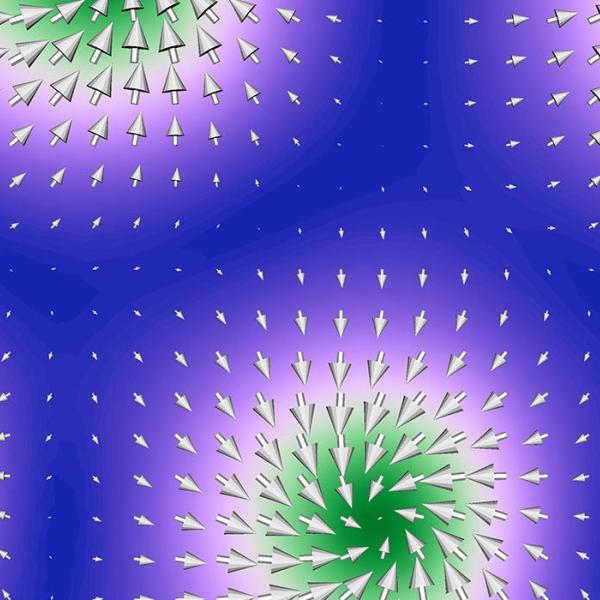
Spawned by the spins of electrons in magnetic materials, these tiny whirlpools behave like independent particles and could be the future of computing. Experiments...
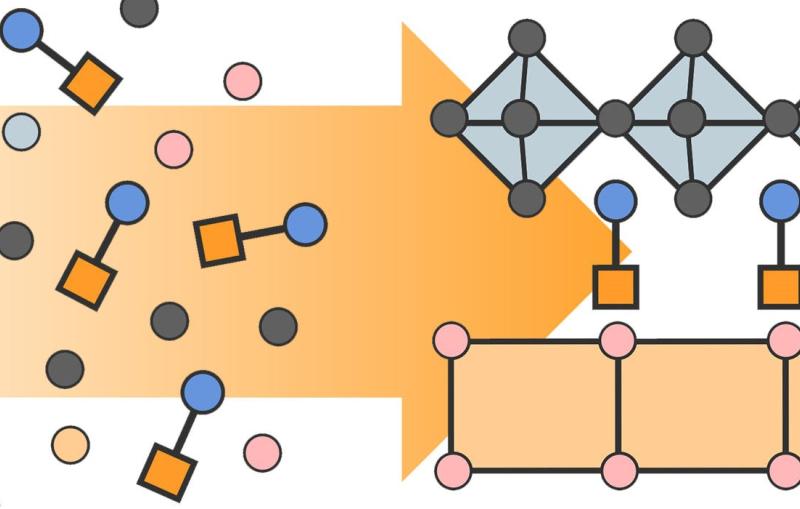
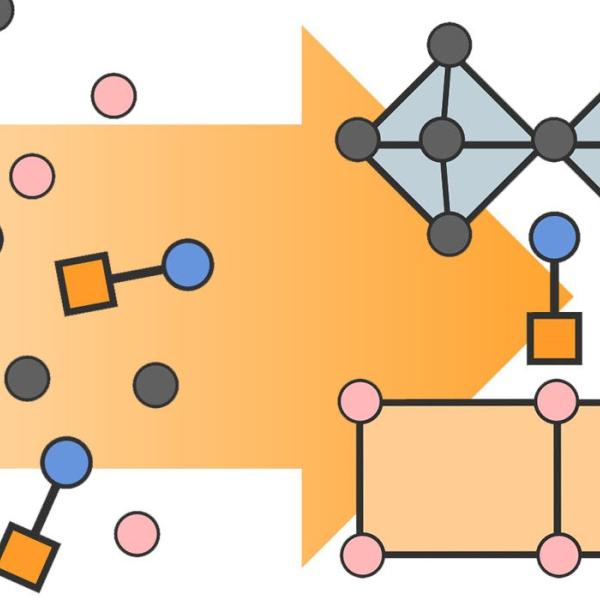
Much like crystallizing rock candy from sugar syrup, the new method grows 2D perovskites precisely layered with other 2D materials to produce crystals with...
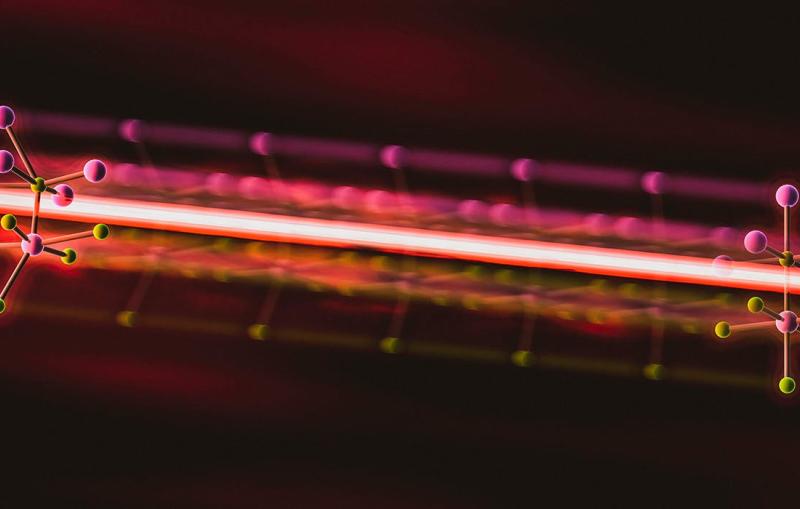
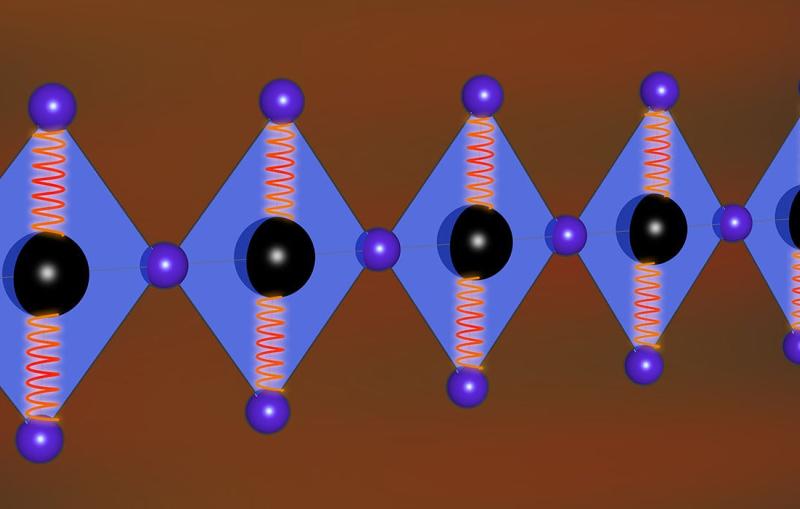
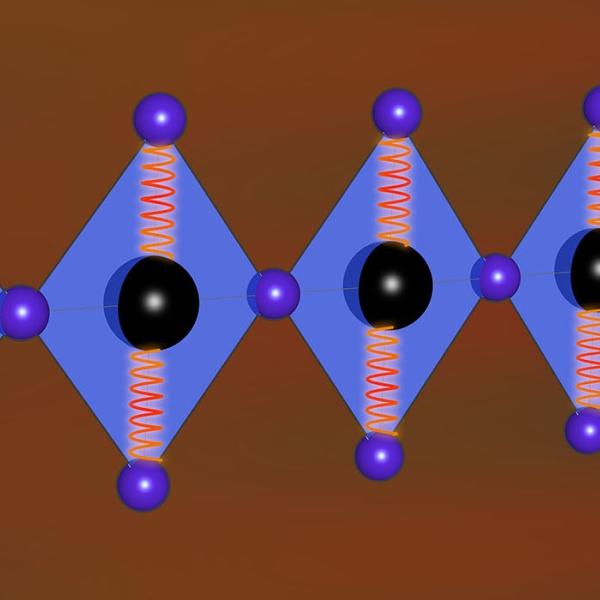
The chemically controlled chains reveal an ultrastrong attraction between electrons that may help cuprate superconductors carry electrical current with no loss at relatively high...
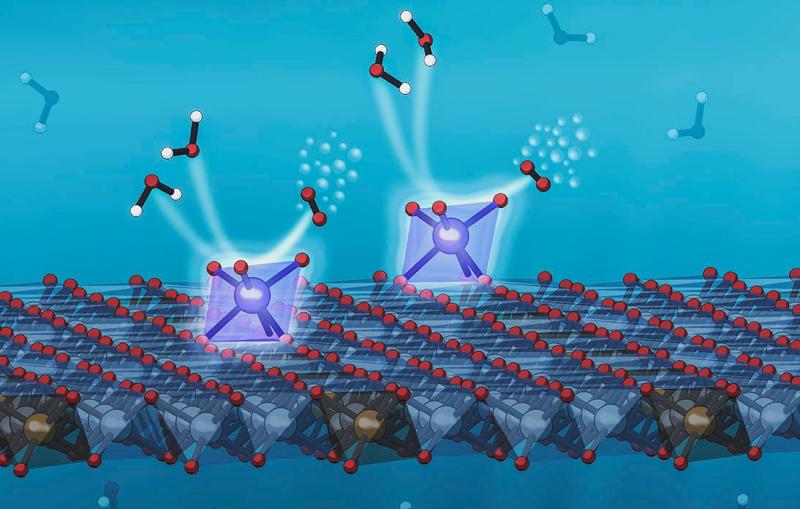
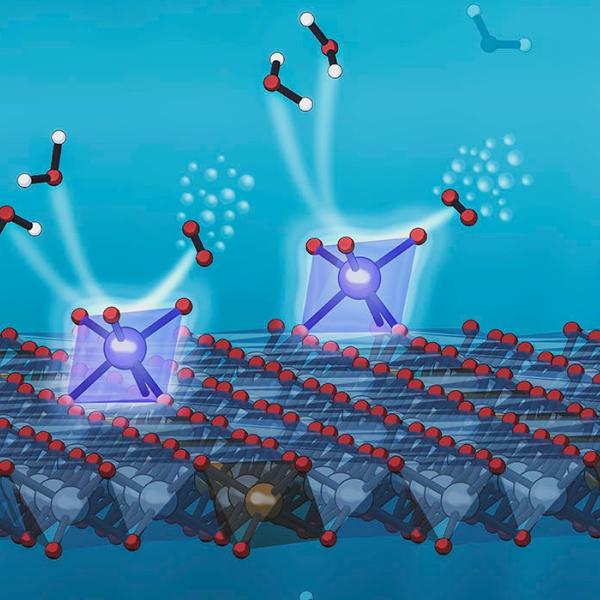
Anchoring individual iridium atoms on the surface of a catalytic particle boosted its performance in carrying out a reaction that’s been a bottleneck for...
SLAC’s Matt Garrett and Susan Simpkins talk about tech transfer that brings innovations from the national lab to the people, including advances for medical devices and self-driving vehicles.
X-ray laser experiments show that intense light distorts the structure of a thermoelectric material in a unique way, opening a new avenue for controlling the properties of materials.
The results cap 15 years of detective work aimed at understanding how these materials transition into a superconducting state where they can conduct electricity with no loss.
Cryo-EM snapshots of the solid-electrolyte interphase, or SEI, reveal its natural swollen state and offer a new approach to lithium-metal battery design.
Spawned by the spins of electrons in magnetic materials, these tiny whirlpools behave like independent particles and could be the future of computing. Experiments with SLAC’s X-ray laser are revealing their secrets.
Much like crystallizing rock candy from sugar syrup, the new method grows 2D perovskites precisely layered with other 2D materials to produce crystals with a wide range of electronic properties.
The chemically controlled chains reveal an ultrastrong attraction between electrons that may help cuprate superconductors carry electrical current with no loss at relatively high temperatures.
Anchoring individual iridium atoms on the surface of a catalytic particle boosted its performance in carrying out a reaction that’s been a bottleneck for sustainable energy production.