The lab’s contributions to the national AI initiative are bolstered by its breakthrough scientific tools, unprecedented data and unique partnerships that help illuminate nature...
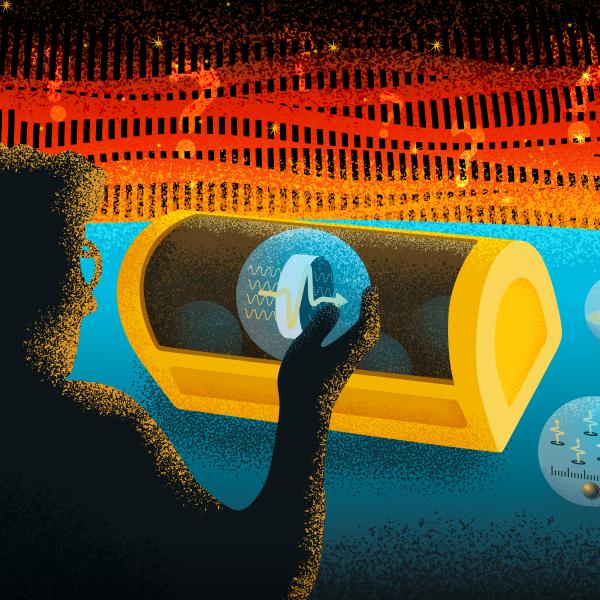
As QuantISED enters its next phase in its effort to develop quantum technologies capable of exploring some of the universe’s biggest unanswered questions, scientists...
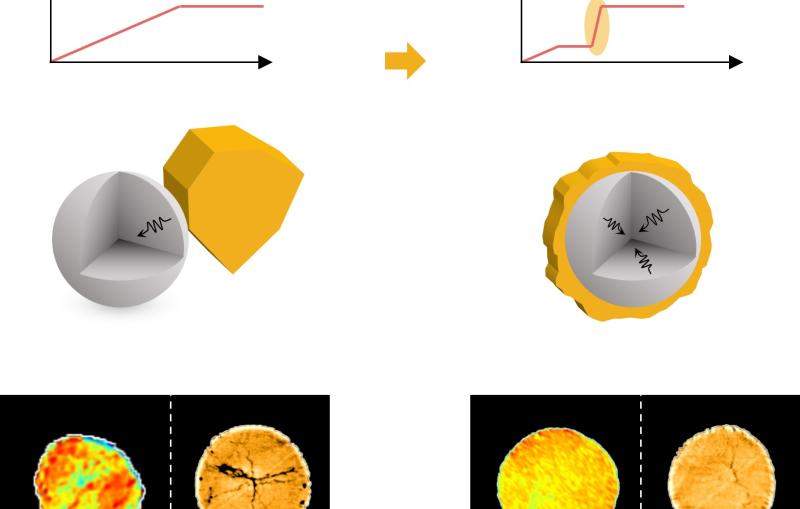
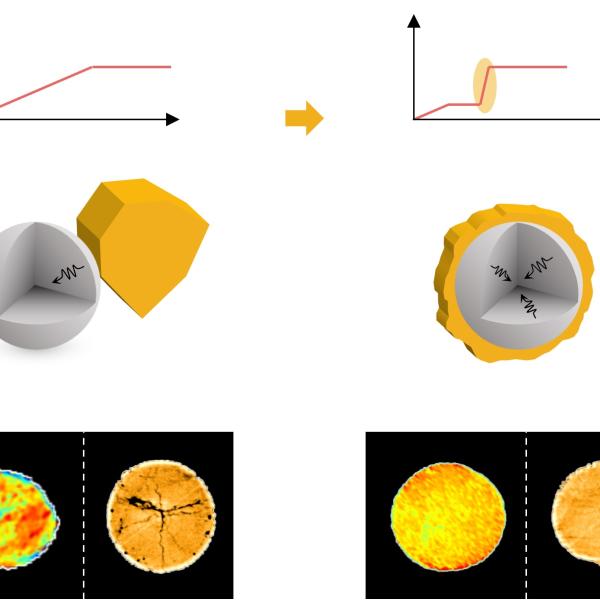
By adjusting the heating process when making lithium-ion cathodes, the team created batteries that retained nearly 93% of their energy after 500 cycles.
Batteries power everything from medical devices to electronic devices, yet the core technology hasn't fundamentally changed in decades. At the SLAC-Stanford Battery Center, scientists...
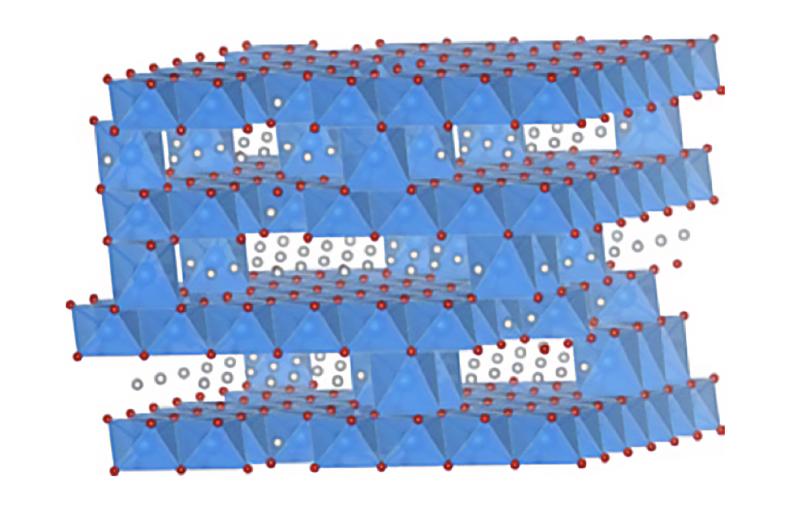
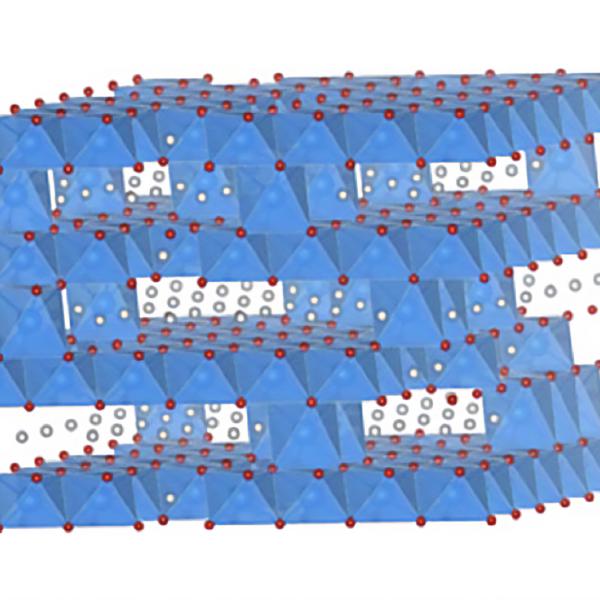
By instigating atomic disorder in lithium-ion battery materials, researchers created more stable materials that don’t expand, contract and degrade like traditional materials do.
Researchers reveal why trace amounts of alloy added to some catalysts keep them performing better over time. The study suggests models that could boost...
SLAC and Stanford researchers have developed a breakthrough technique that quantifies energy dissipation in complex, small systems, offering insights into energy use, efficiency, and...
Imaging at SLAC's synchrotron demonstrates the twisted structures’ exotic properties that could benefit the development of superconductors and quantum materials.
The lab’s contributions to the national AI initiative are bolstered by its breakthrough scientific tools, unprecedented data and unique partnerships that help illuminate nature from the expansion of the universe to the motions of electrons.
As QuantISED enters its next phase in its effort to develop quantum technologies capable of exploring some of the universe’s biggest unanswered questions, scientists reflect on what the first round made possible and what comes next.
By adjusting the heating process when making lithium-ion cathodes, the team created batteries that retained nearly 93% of their energy after 500 cycles.
Batteries power everything from medical devices to electronic devices, yet the core technology hasn't fundamentally changed in decades. At the SLAC-Stanford Battery Center, scientists are working with industry to change that.
By instigating atomic disorder in lithium-ion battery materials, researchers created more stable materials that don’t expand, contract and degrade like traditional materials do.
Researchers reveal why trace amounts of alloy added to some catalysts keep them performing better over time. The study suggests models that could boost manufacturing.
SLAC and Stanford researchers have developed a breakthrough technique that quantifies energy dissipation in complex, small systems, offering insights into energy use, efficiency, and speed in computers and other devices.
Imaging at SLAC's synchrotron demonstrates the twisted structures’ exotic properties that could benefit the development of superconductors and quantum materials.
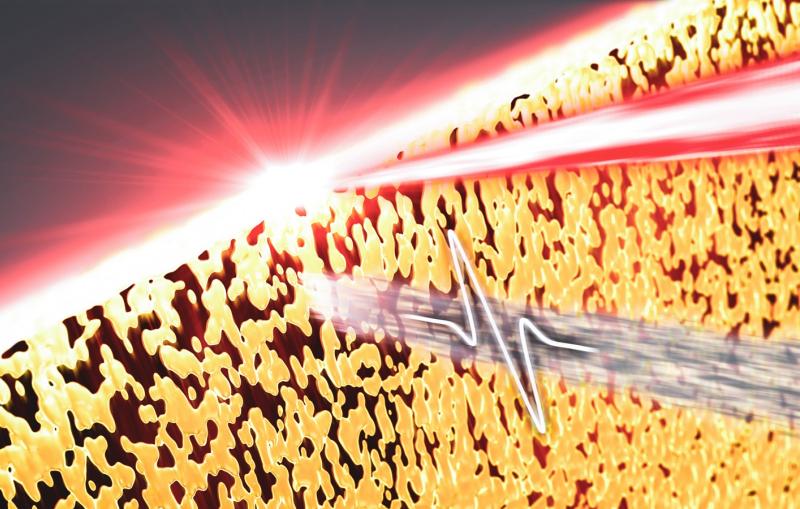
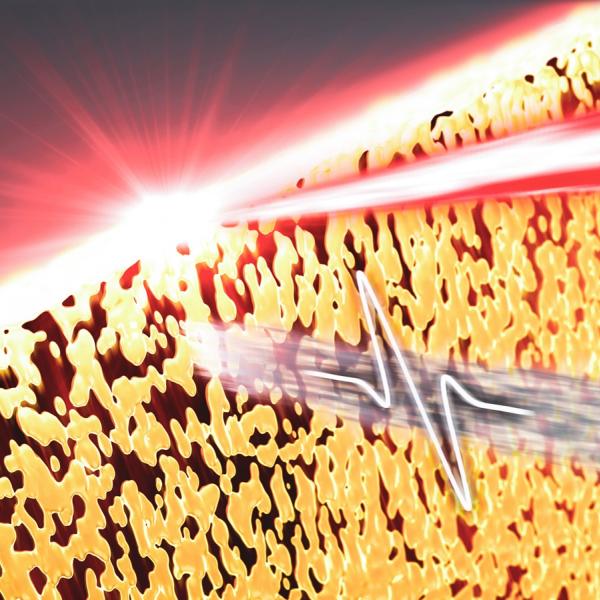
With a new method that could be extended to study Earth’s core and nuclear fusion, they identify and explain jumps in the electrical conductivity of aluminum under extreme conditions.