SLAC topics

Lasers RSS feed

SLAC builds and uses various kinds of lasers to do scientific research. 

Browse tagged content

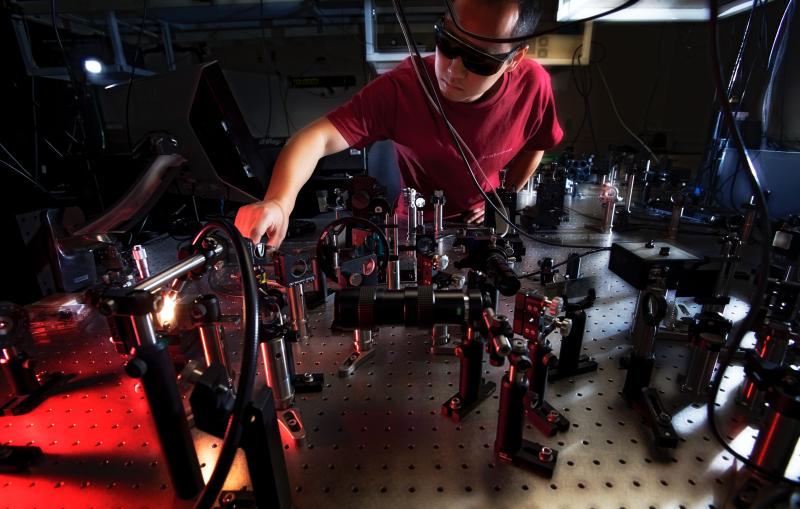
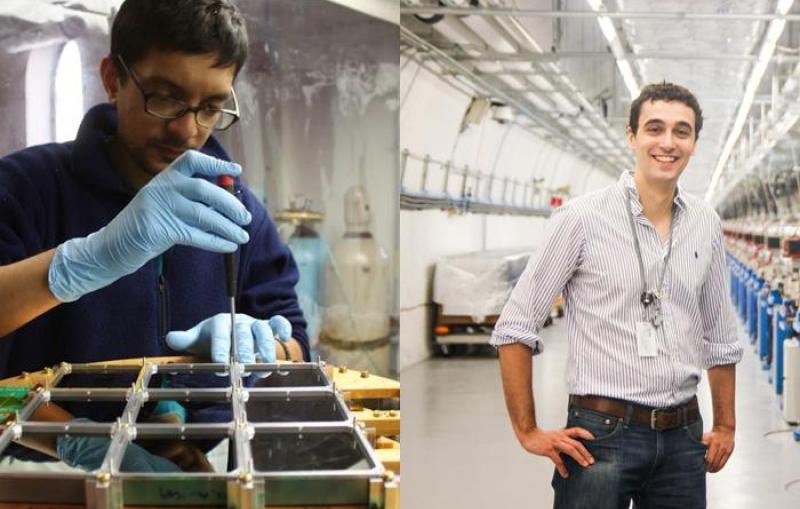
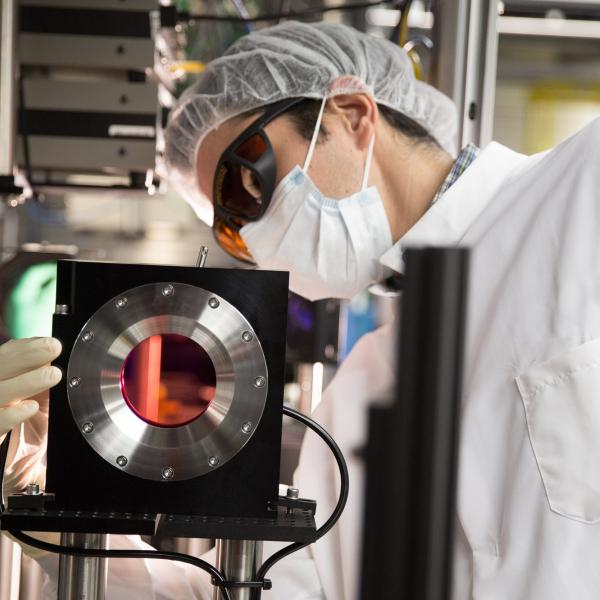
PULSE graduate student Jian Chen in a laser lab at SLAC.
Feature

A major international effort at SLAC is focused on improving our views of intact viruses, living bacteria and other tiny samples using the brightest...

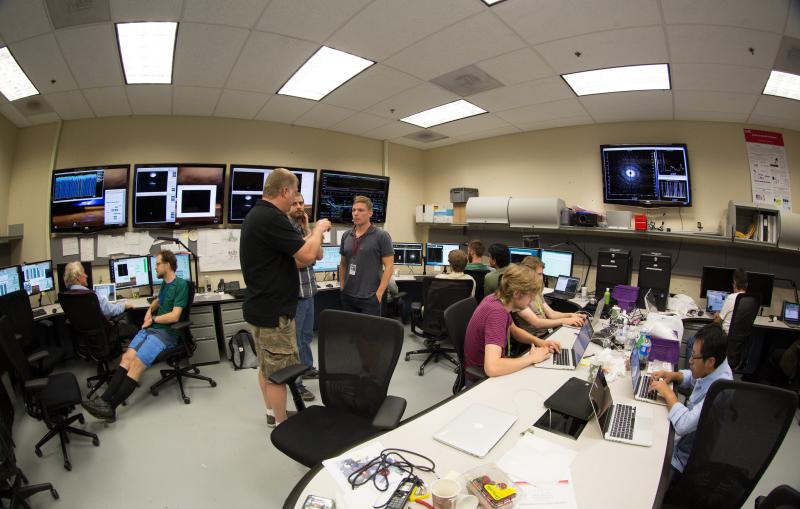
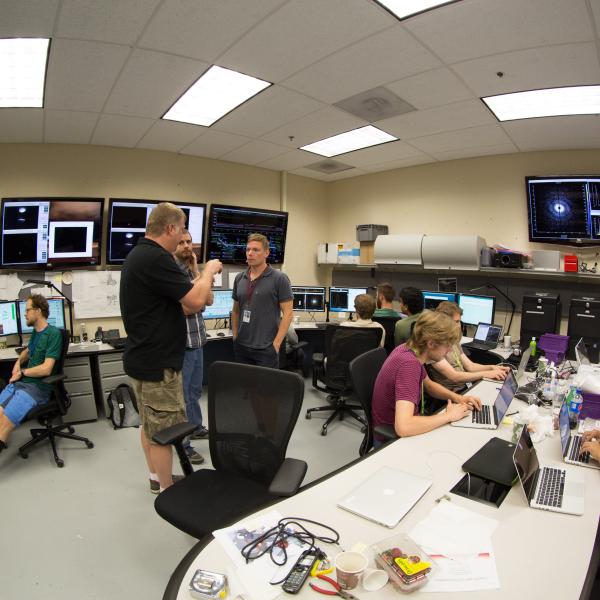
Researchers monitor the performance of a single particle imaging experiment
News Release

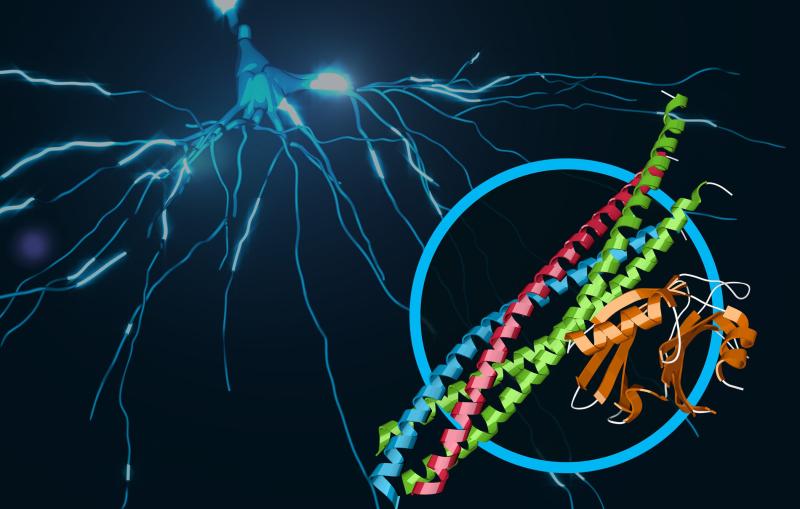
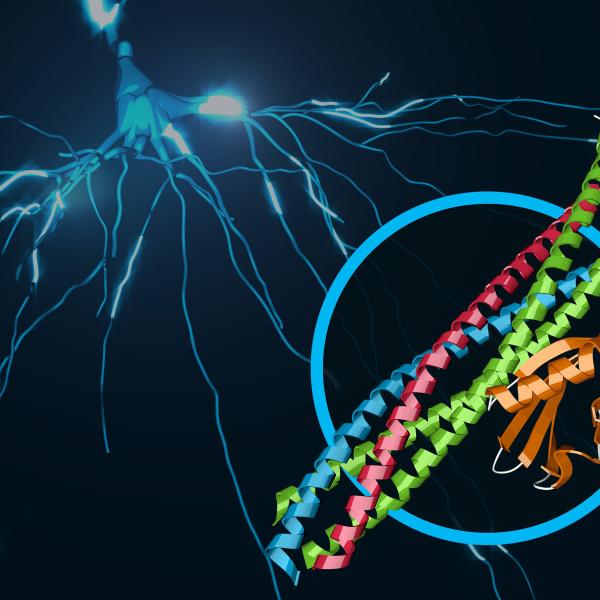
Scientists have revealed never-before-seen details of how our brain sends rapid-fire messages between its cells using SLAC's X-ray laser.

Image - This illustration shows a protein complex at work in brain signaling. Its structure, which contains joined protein complexes known as SNARE and synaptotagmin-1, is shown in the foreground. (SLAC National Accelerator Laboratory)
News Release

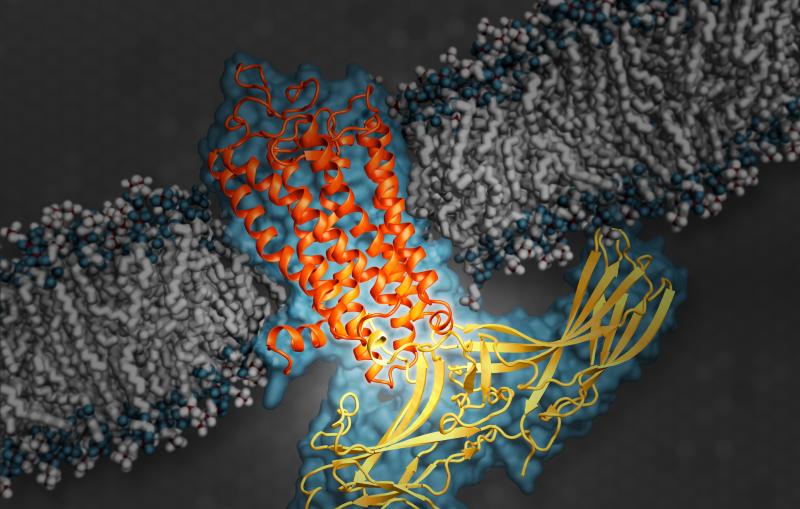
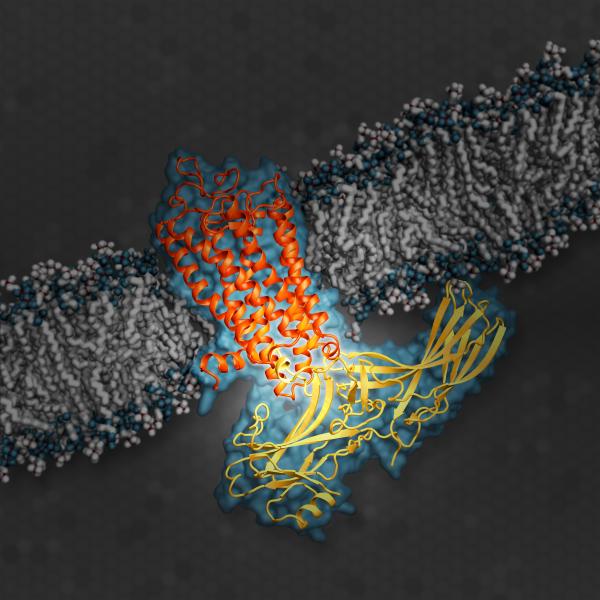
A biomedical breakthrough reveals never-before-seen details of the human body’s cellular switchboard that regulates sensory and hormonal responses.

 Illustration shows arrestin (yellow), an important type of signaling protein, while docked with rhodopsin (orange).
Feature

The fellowship will support their research on new capabilities for the lab's X-ray free-electron lasers and new telescope technology to look for signs of...

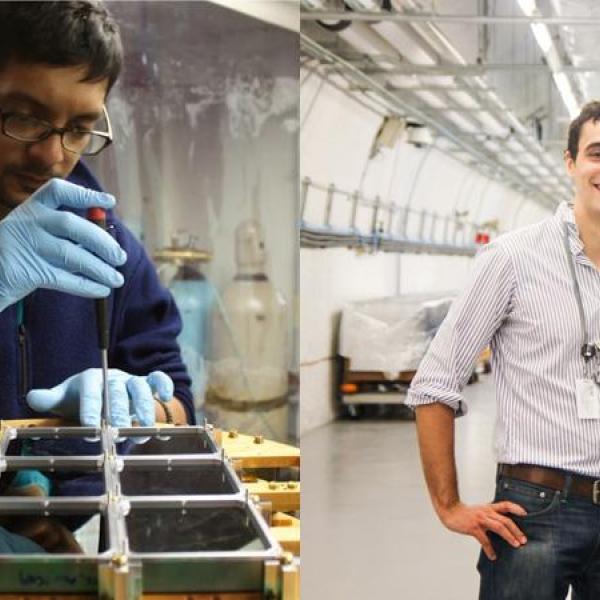
Zeeshan Ahmed and Agostino Marinelli, SLAC's 2015 Panofsky Fellows
Feature

SLAC visiting scientist and consulting professor Claudio Pellegrini is honored for contributions to free-electron laser science.

Image - Claudio Pellegrini stands in the Linac Coherent Light Source Beam Transport Hall. The accelerated electron beam passes through here to the Undulator Hall, where electron bunches generate X-rays. (Michelle McCarron)
Feature

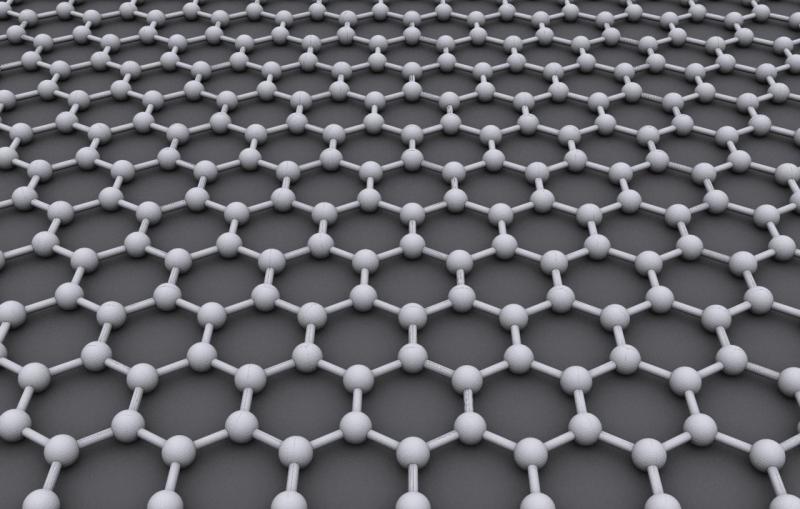
Results from SIMES theorists pave the way for experiments that create and control new forms of matter with light.

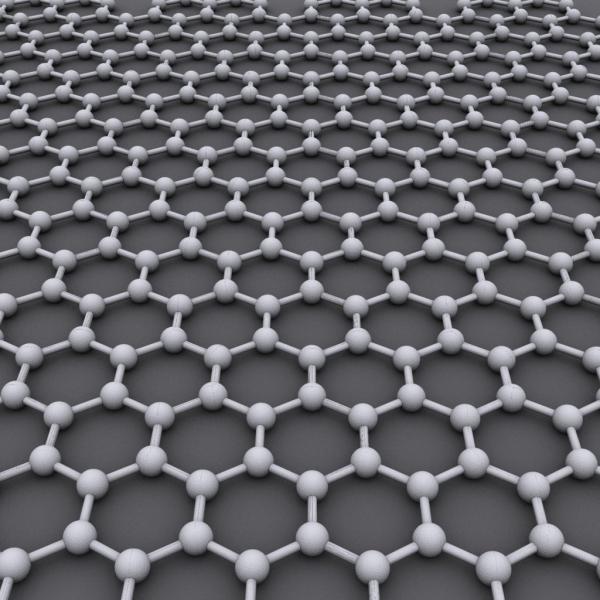
Depiction of carbon atoms arranged in a honeycomb pattern to form graphene
Feature

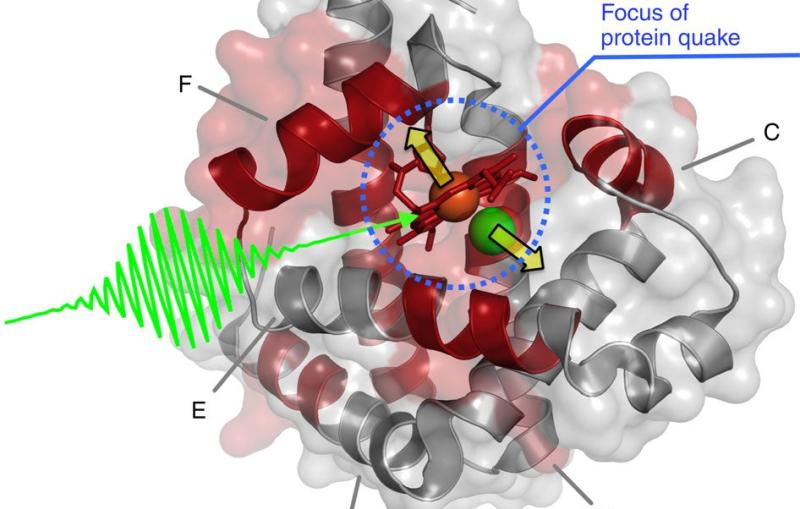
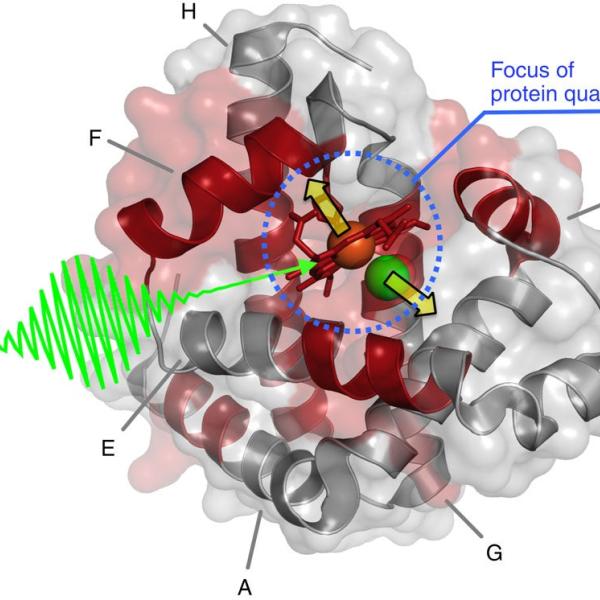
An experiment at SLAC’s X-ray laser provides new insight into the ultrafast motions of a muscle protein in a basic biochemical reaction.

Computerized rendering of 3-D structure of myoglobin. The jagged green line represents a pulse of la
Feature

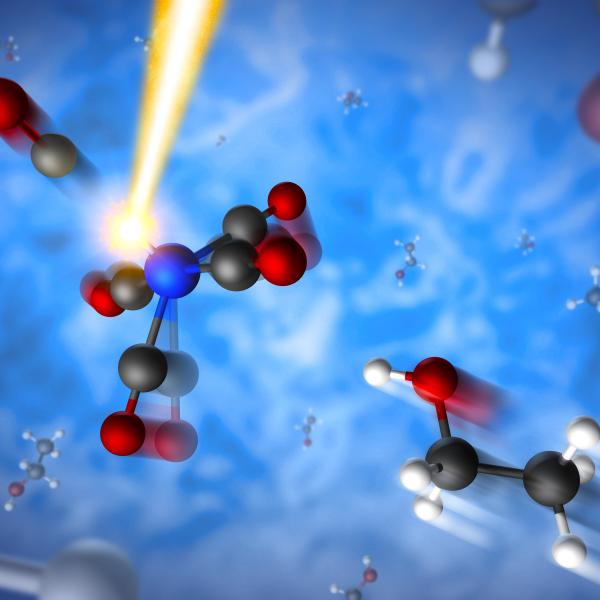
Researchers use X-ray laser at SLAC to track light-triggered chemical reactions in a molecule that serves as a simple model for the conversion of...

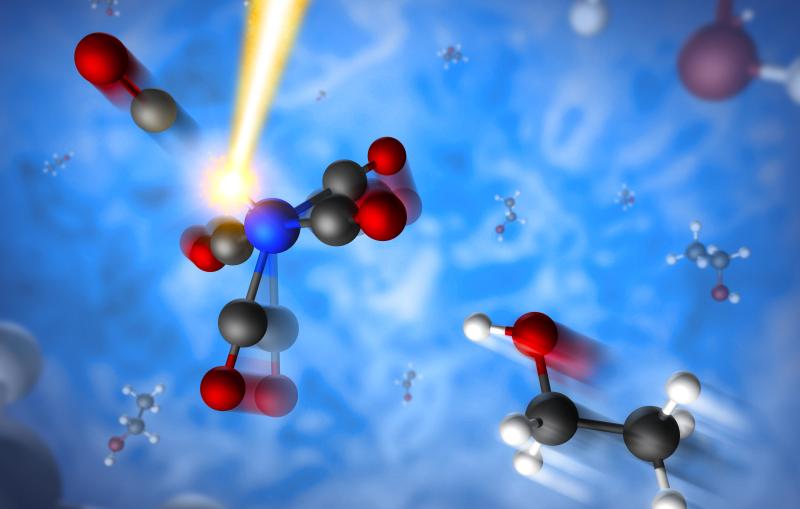
IMAGE - Artistic rendering of a molecule severed by laser light, with a separate molecule (bottom right) from a solvent rushing in to bond with the just-split molecule. (SLAC National Accelerator Laboratory)
News Release

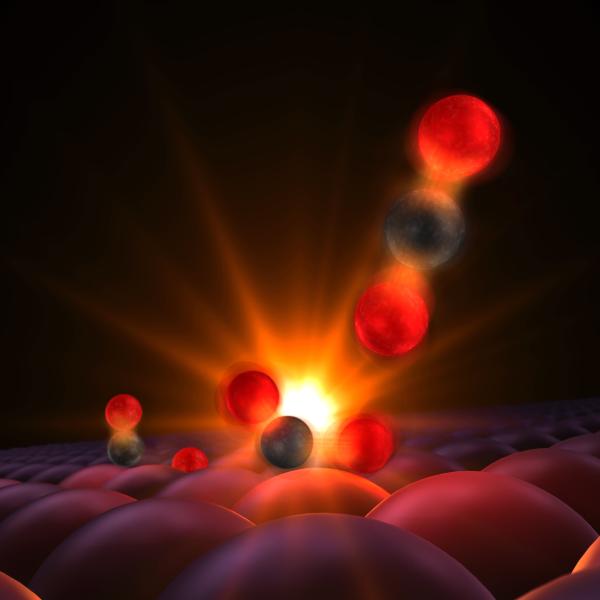
Scientists have used an X-ray laser at SLAC to get the first glimpse of the transition state where two atoms begin to form a...

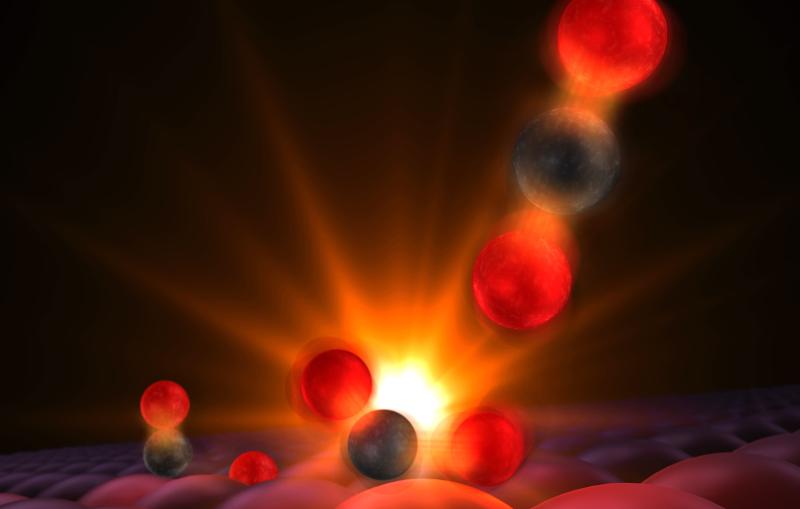
Illustration of a transition state in a chemical reaction.
News Release

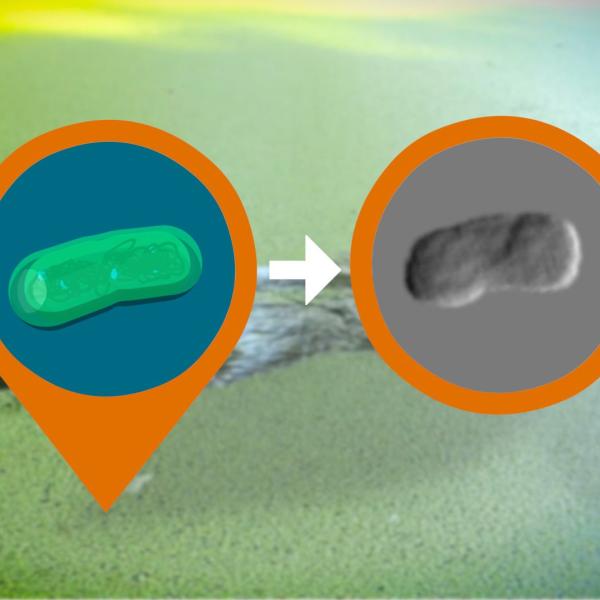
Technique Could Allow Study of Viral Infections, Cell Division and Photosynthesis in New Detail

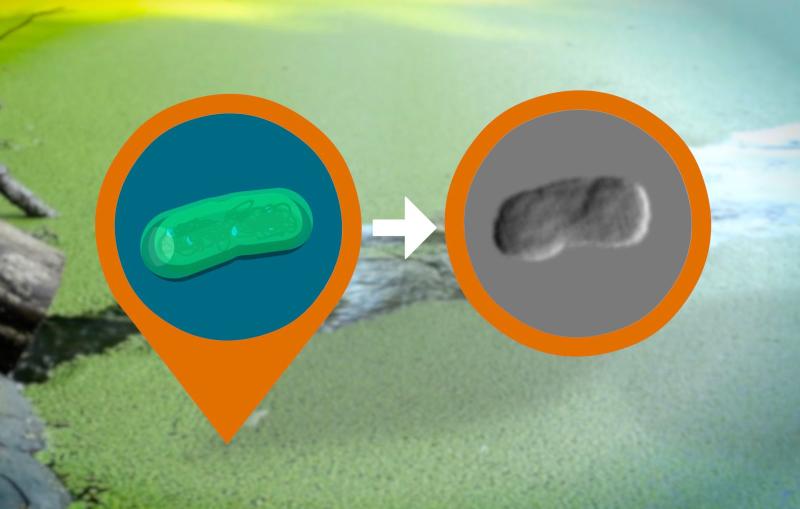
A pond containing a visible bloom of cyanobacteria, with an artistic rendering of an individual cell
Feature

Scientists have assembled an exotic toolbox for experiments that tap into the brightest X-rays on the planet.

Image - This illustration shows a cutaway view of a type of sample system used at the Linac Coherent Light Source X-ray laser that jets samples in a superthin liquid or gel stream into its X-ray pulses. This system is known as a gas dynamic virtual nozzle

In this lecture, SLAC’s Ryan Coffee explains how researchers are beginning to use pattern recognition and machine learning to study chemical reactions at the...