In this lecture, SLAC’s Ryan Coffee explains how researchers are beginning to use pattern recognition and machine learning to study chemical reactions at the...
SLAC scientists have found a new way to produce bright pulses of light from accelerated electrons that could shrink "light source" technology used around...
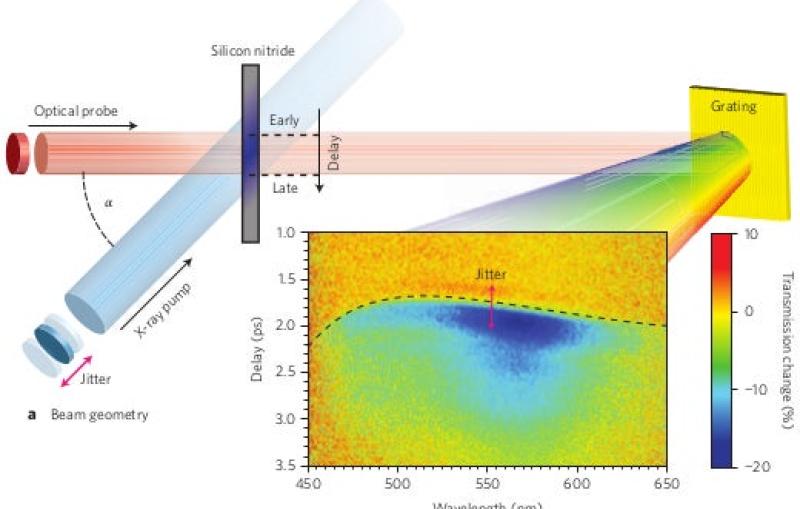
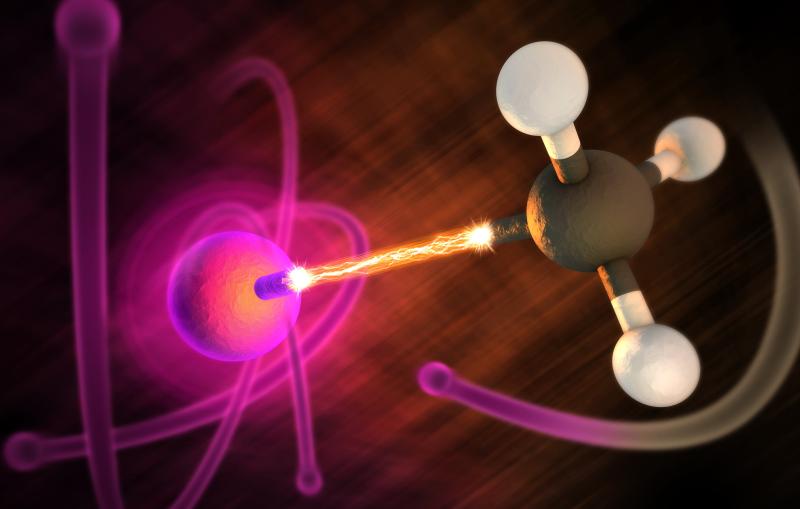
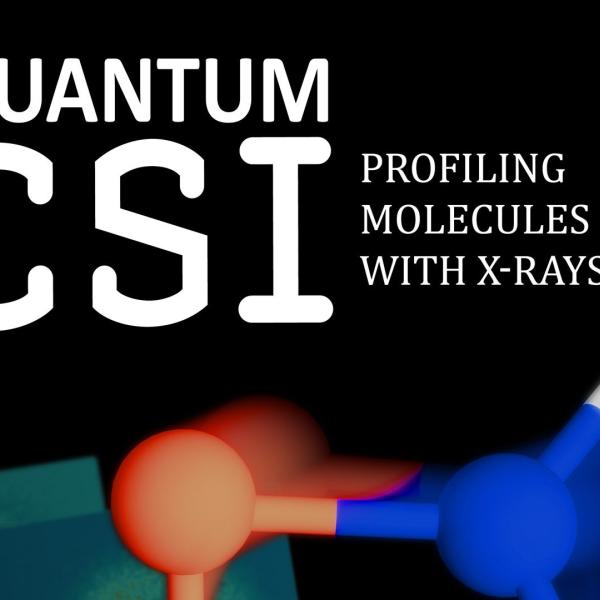
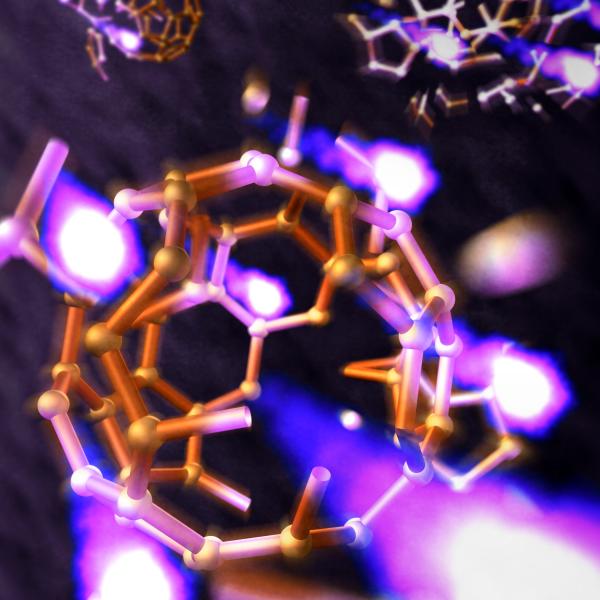
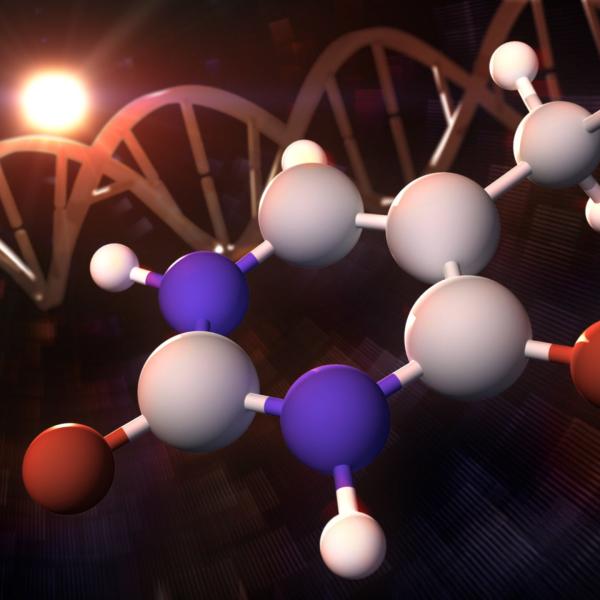
In this lecture, SLAC’s Ryan Coffee explains how researchers are beginning to use pattern recognition and machine learning to study chemical reactions at the level of atoms and molecules with the LCLS X-ray laser.
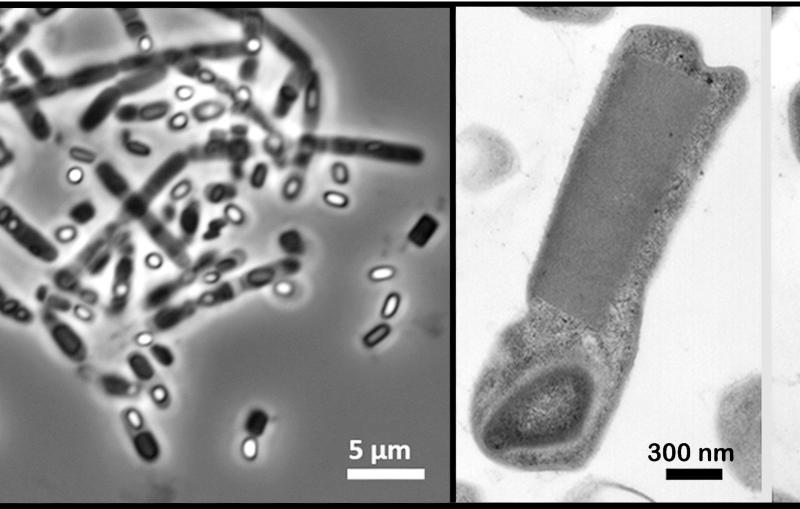
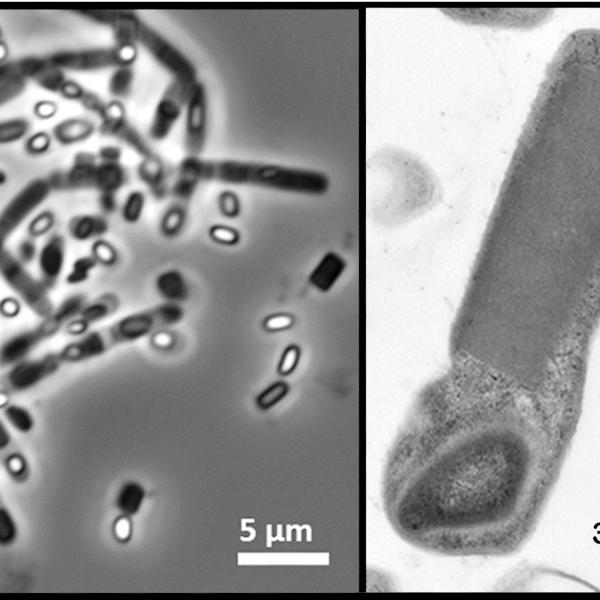
Even in their infancy, X-ray lasers such as SLAC's Linac Coherent Light Source are notching a list of important discoveries, and a special issue of a scientific journal highlights their unique contributions to biological sciences.
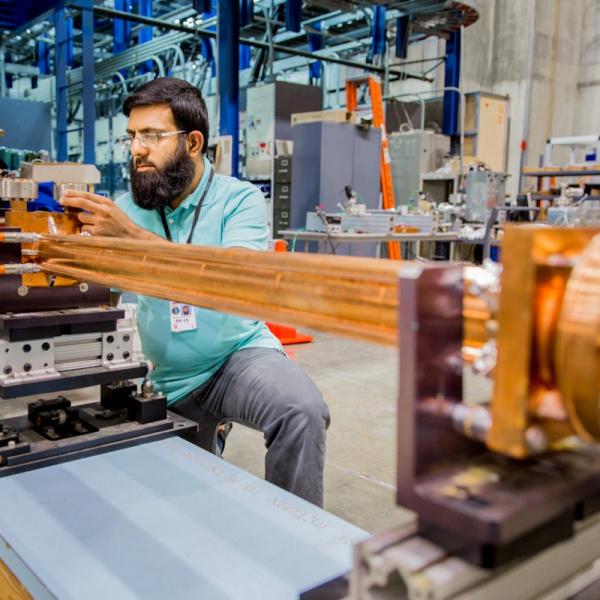
SLAC scientists have found a new way to produce bright pulses of light from accelerated electrons that could shrink "light source" technology used around the world since the 1970s to examine details of atoms and chemical reactions.