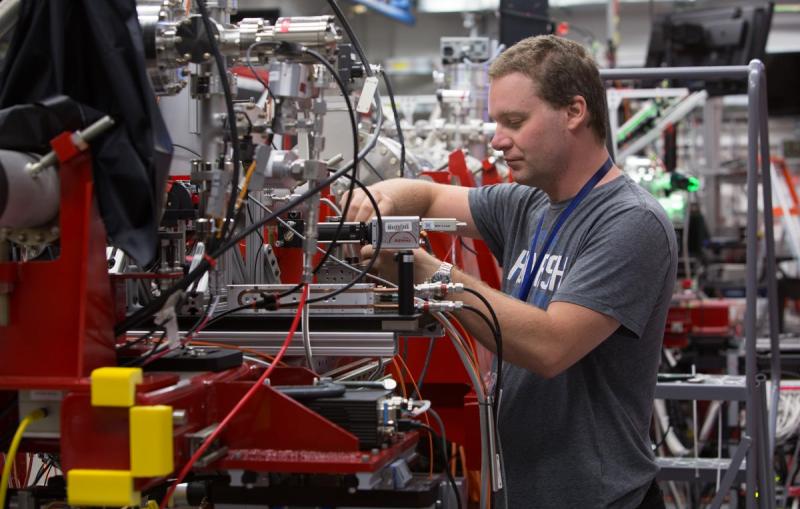
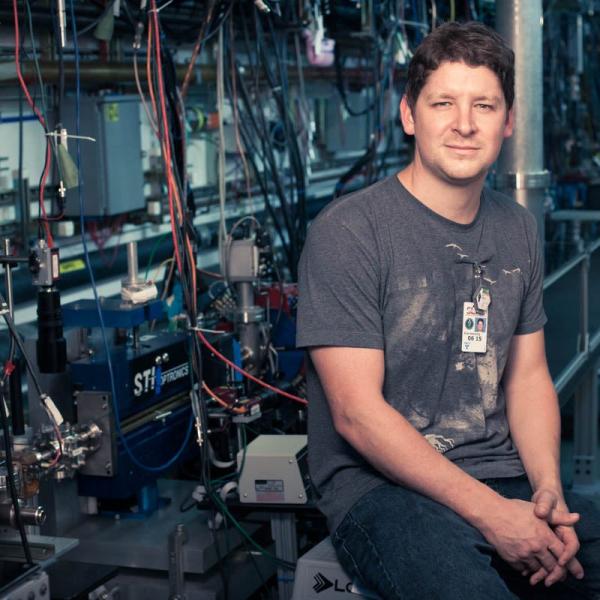
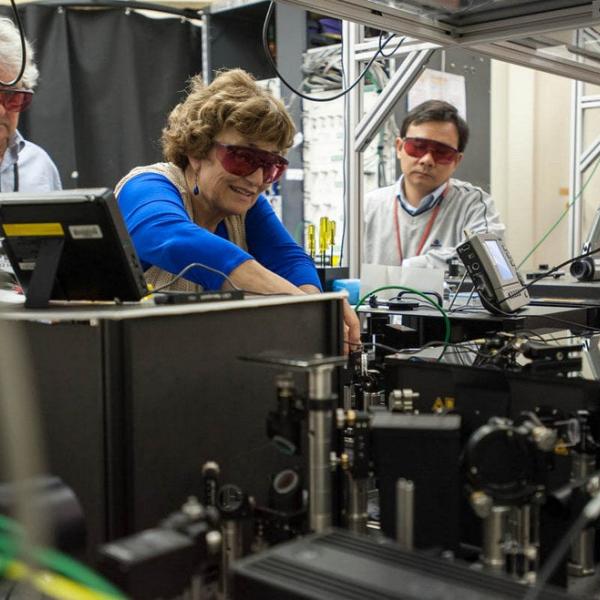
Marc Messerschmidt, a staff scientist at the Coherent X-ray Imaging (CXI) experimental station at SLAC's Linac Coherent Light Source X-ray laser, describes his daily...
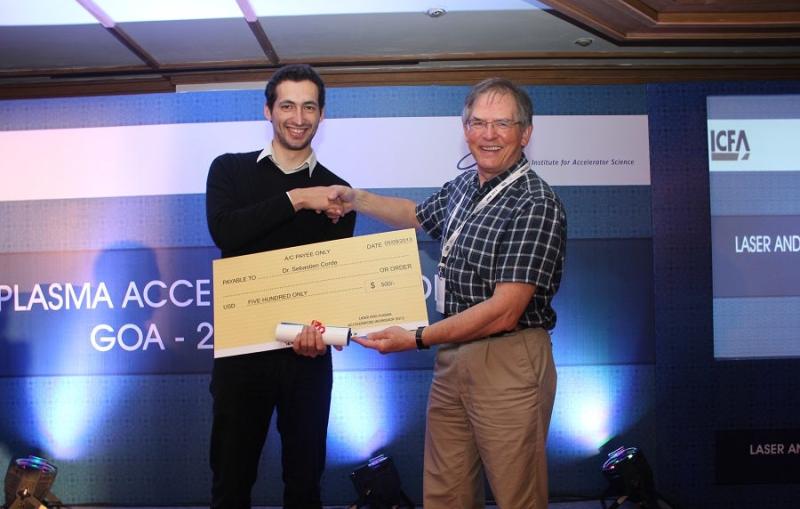
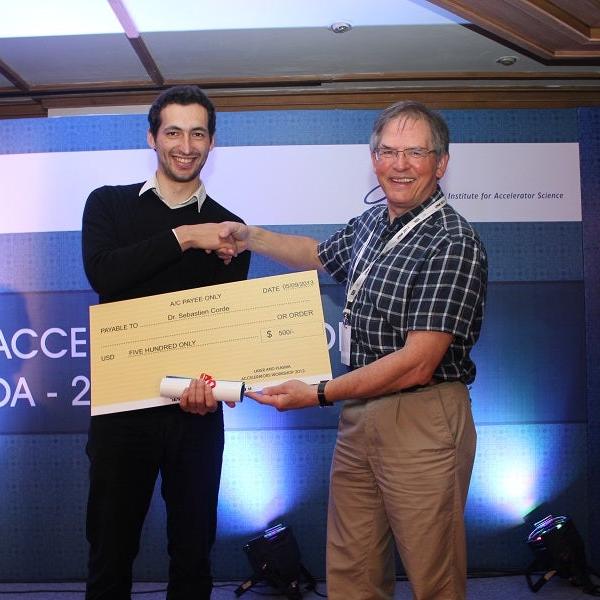
FACET postdoc Sébastien Corde has been recognized not once, not twice, not three times, but four times for his research into developing small, economical...
Scientists used the powerful X-ray laser at the U.S. Department of Energy's SLAC National Accelerator Laboratory to create movies detailing trillionths-of-a-second changes in the...
Crews will install a powerful new instrument, start assembling a new "self-seeding" system that will focus soft X-ray laser pulses into a bright, narrow...
In a new state-of-the-art lab at SLAC National Accelerator Laboratory, components of ribosomes – tiny biological machines that make new proteins and play a...
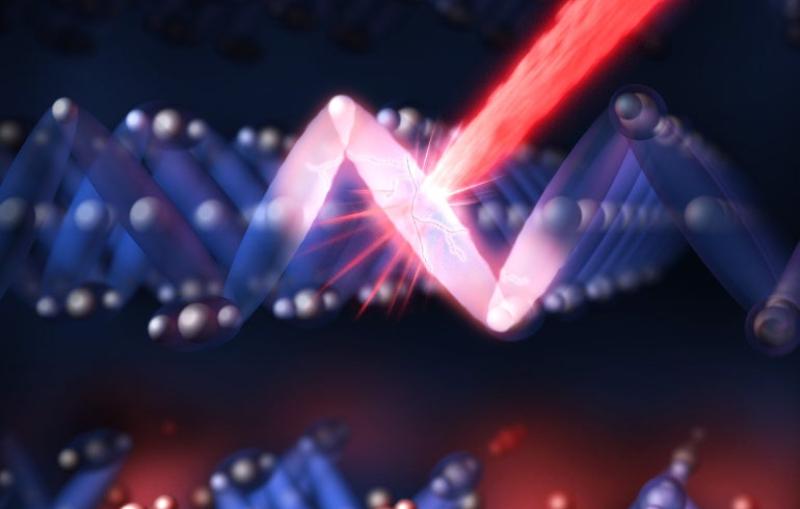
Researchers from the U.S. Department of Energy's (DOE) SLAC National Accelerator Laboratory have clocked the fastest-possible electrical switching in magnetite, a naturally magnetic mineral...
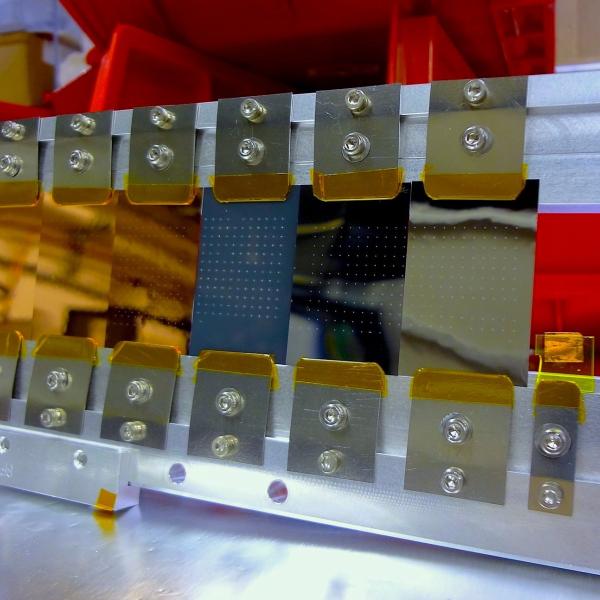
A tool developed half a century ago for sorting subatomic particles has been redesigned to measure X-ray laser pulses at SLAC's Linac Coherent Light...
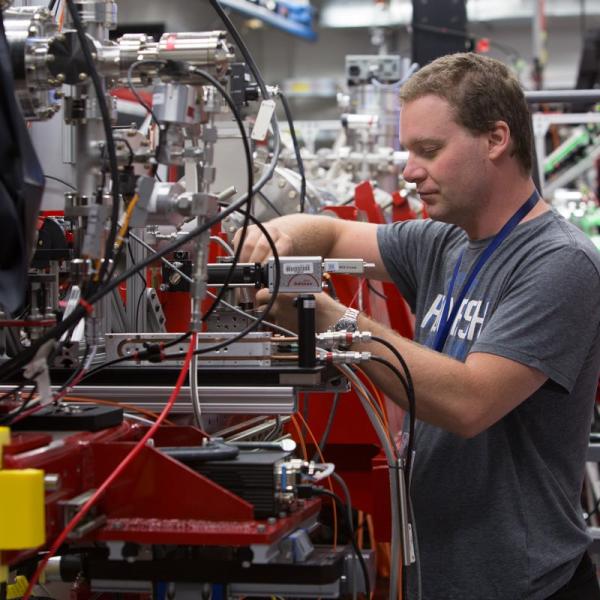
Marc Messerschmidt, a staff scientist at the Coherent X-ray Imaging (CXI) experimental station at SLAC's Linac Coherent Light Source X-ray laser, describes his daily work, which is far from routine.
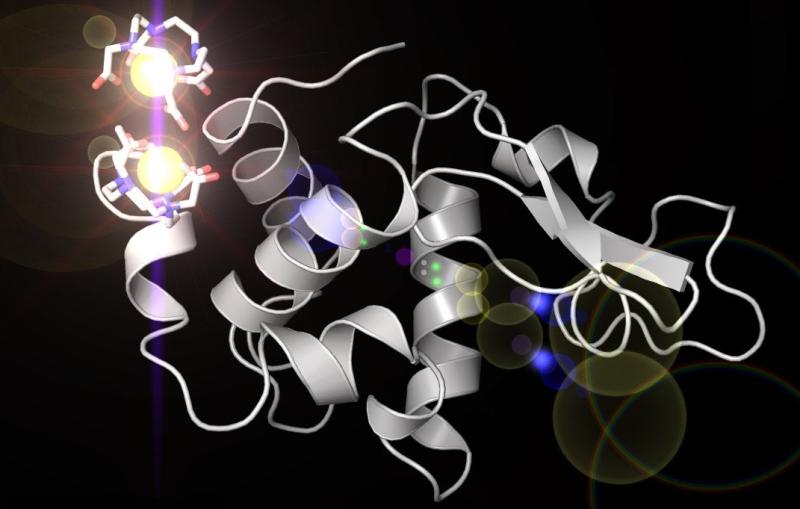
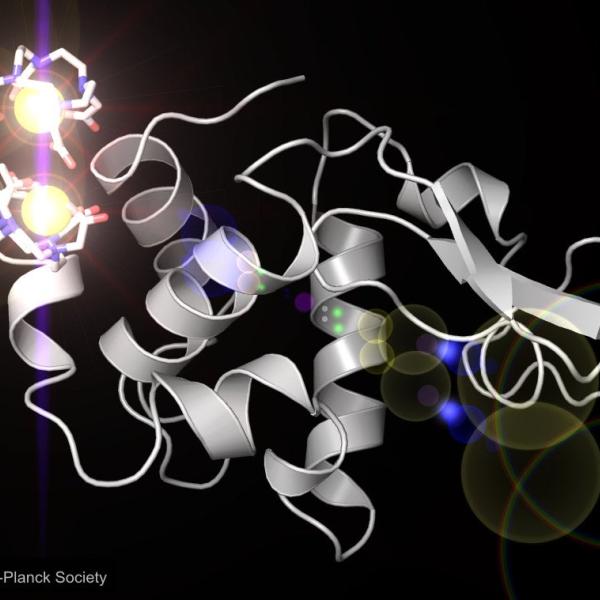
A study shows for the first time that X-ray lasers can be used to generate a complete 3-D model of a protein without any prior knowledge of its structure.
FACET postdoc Sébastien Corde has been recognized not once, not twice, not three times, but four times for his research into developing small, economical sources of X-rays using laser-plasma interactions.
Scientists used the powerful X-ray laser at the U.S. Department of Energy's SLAC National Accelerator Laboratory to create movies detailing trillionths-of-a-second changes in the arrangement of copper atoms after an extreme shock.
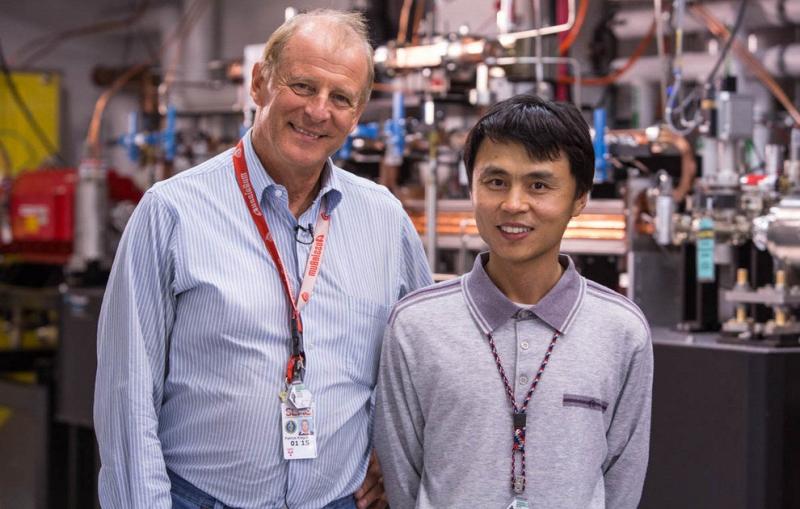
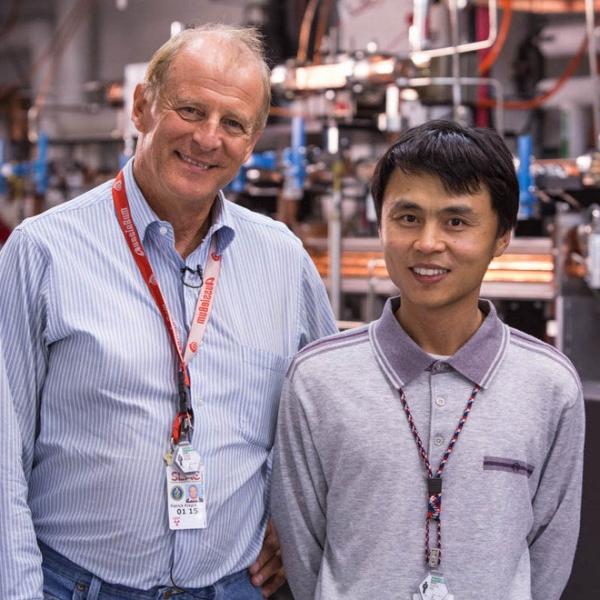
Dao Xiang, a SLAC accelerator physicist, has received an international award for his work on a technique for tuning an electron beam with a laser to produce X-ray pulses with more uniform and predictable properties.
Crews will install a powerful new instrument, start assembling a new "self-seeding" system that will focus soft X-ray laser pulses into a bright, narrow band of colors, and upgrade several laser systems during two months of routine downtime at SLAC's...
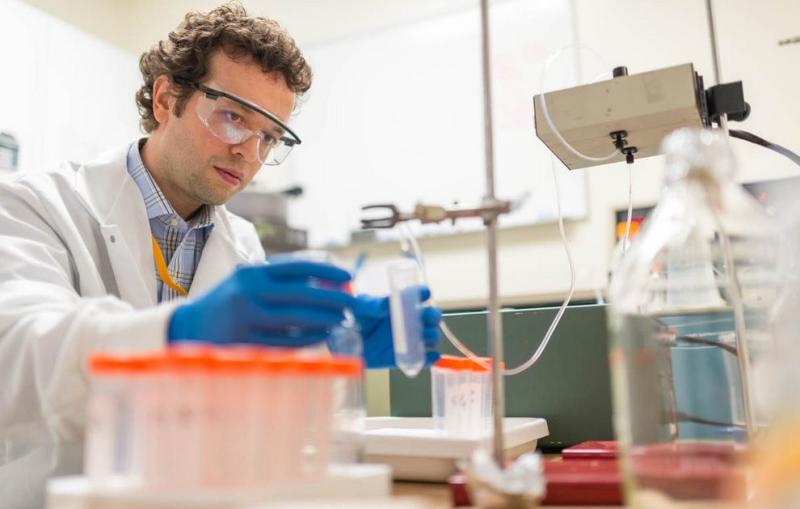
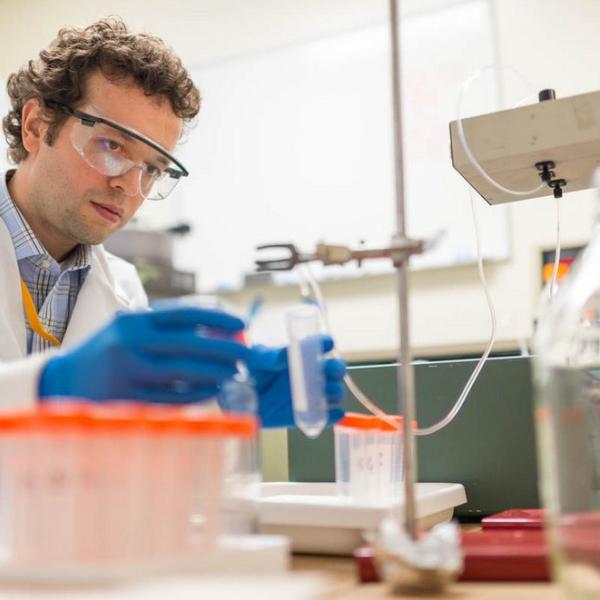
In a new state-of-the-art lab at SLAC National Accelerator Laboratory, components of ribosomes – tiny biological machines that make new proteins and play a vital role in gene expression and antibiotic treatments – form crystals in a liquid solution.
A high-energy SLAC laser that creates shock waves and superhot plasmas needs to cool for about 10 minutes between shots. In the meantime, the rapid-fire pulses produced by SLAC's Linac Coherent Light Source X-ray laser, which probes the extreme states...
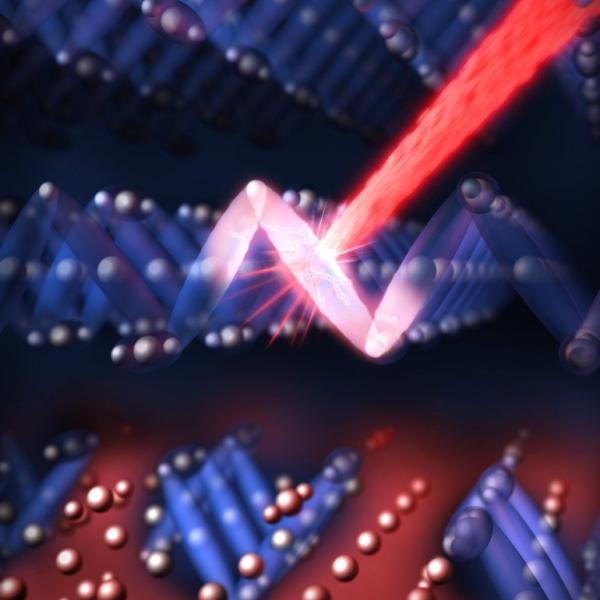
Researchers from the U.S. Department of Energy's (DOE) SLAC National Accelerator Laboratory have clocked the fastest-possible electrical switching in magnetite, a naturally magnetic mineral. Their results could drive innovations in the tiny transistors that control the flow of electricity across...
A tool developed half a century ago for sorting subatomic particles has been redesigned to measure X-ray laser pulses at SLAC's Linac Coherent Light Source (LCLS).