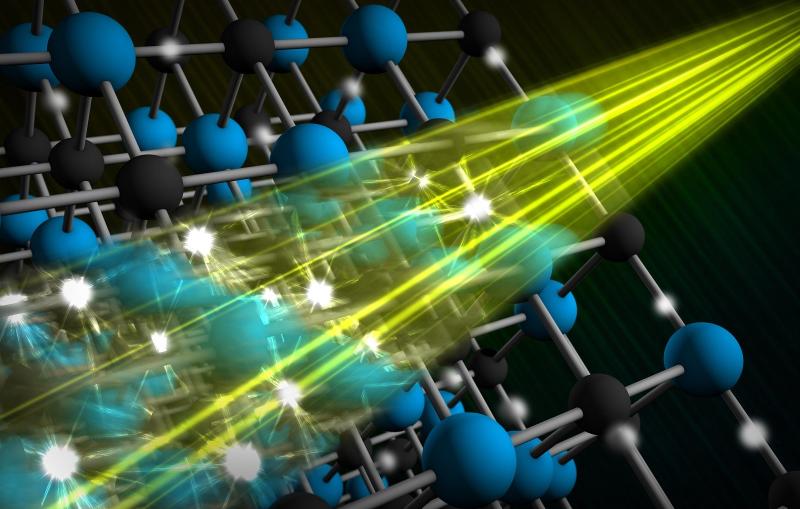
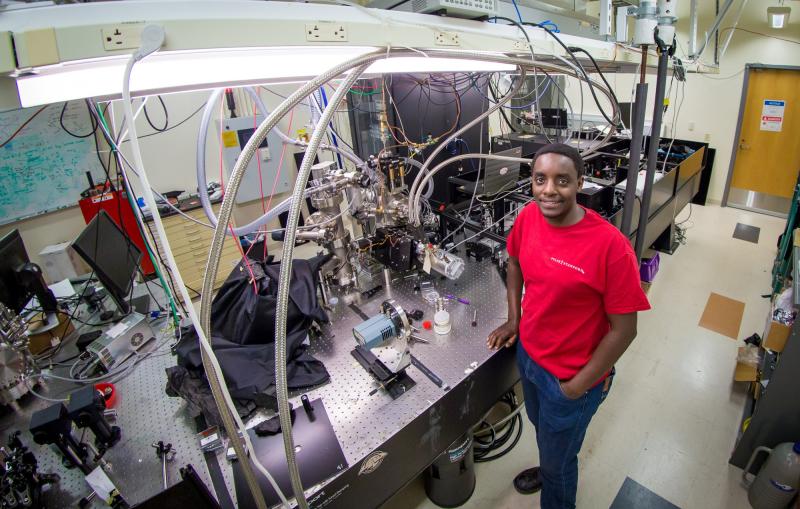
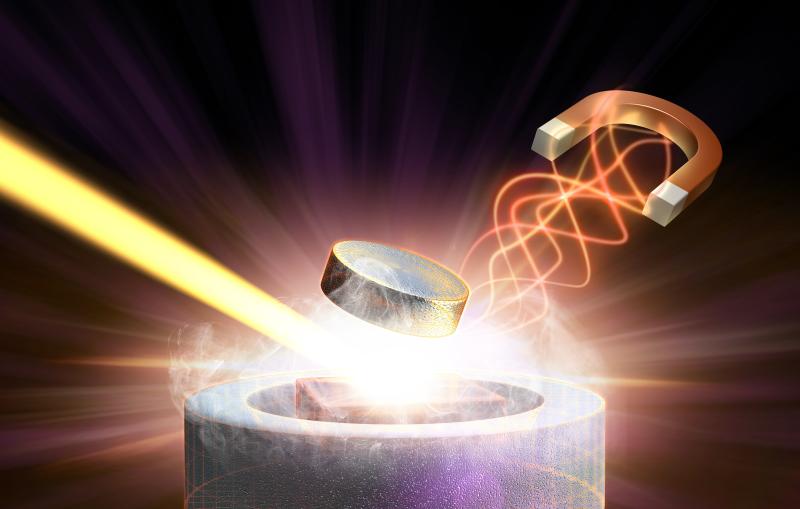
SLAC experiments demonstrate a new way to access valence electrons, which are important in forming chemical bonds and determine many of a material’s properties.
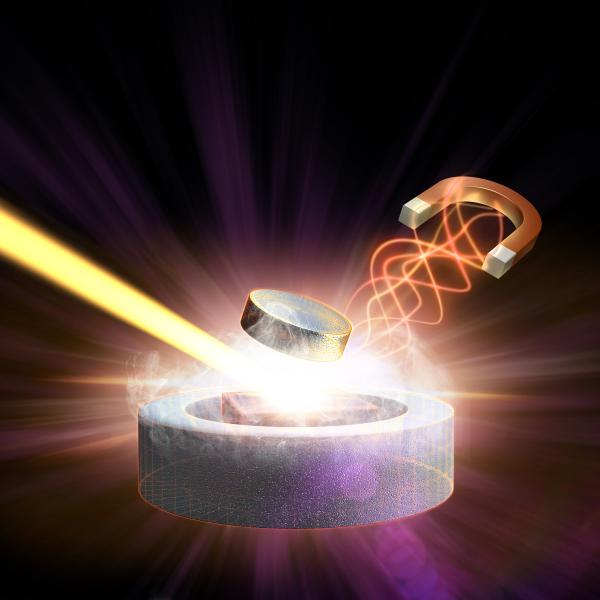
Understanding how a material’s electrons interact with vibrations of its nuclear lattice could help design and control novel materials, from solar cells to high-temperature...
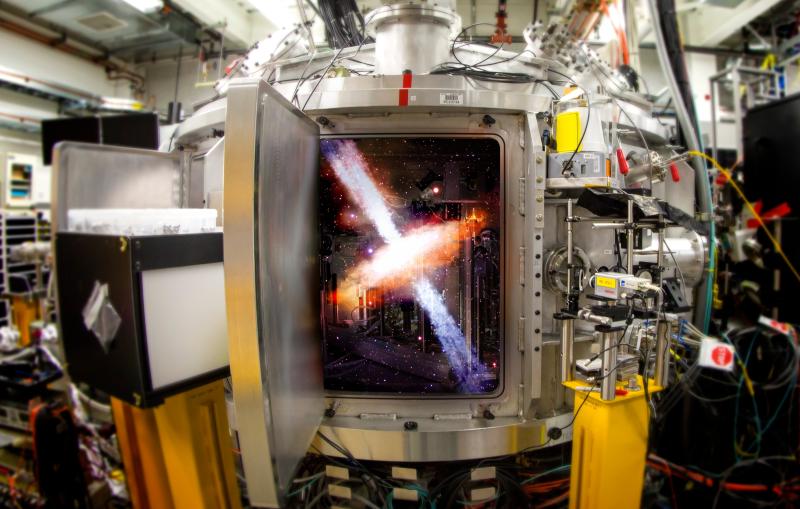
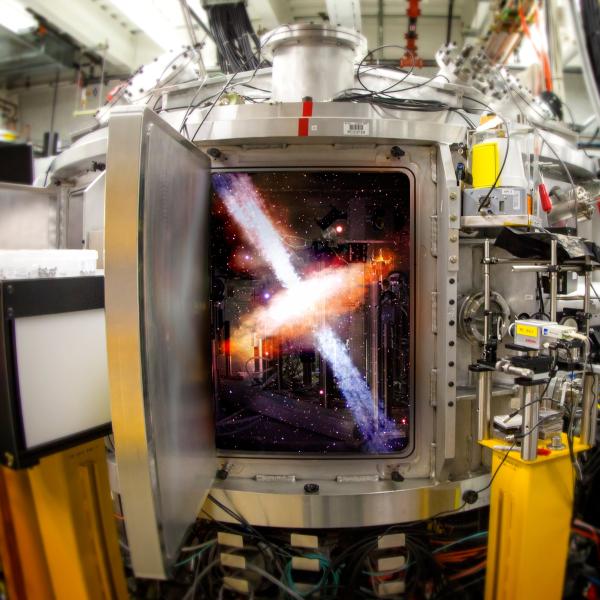
Computer simulations and lab experiments help researchers understand the violent universe and could potentially lead to new technologies that benefit humankind.
SLAC experiments demonstrate a new way to access valence electrons, which are important in forming chemical bonds and determine many of a material’s properties.
Understanding how a material’s electrons interact with vibrations of its nuclear lattice could help design and control novel materials, from solar cells to high-temperature superconductors.
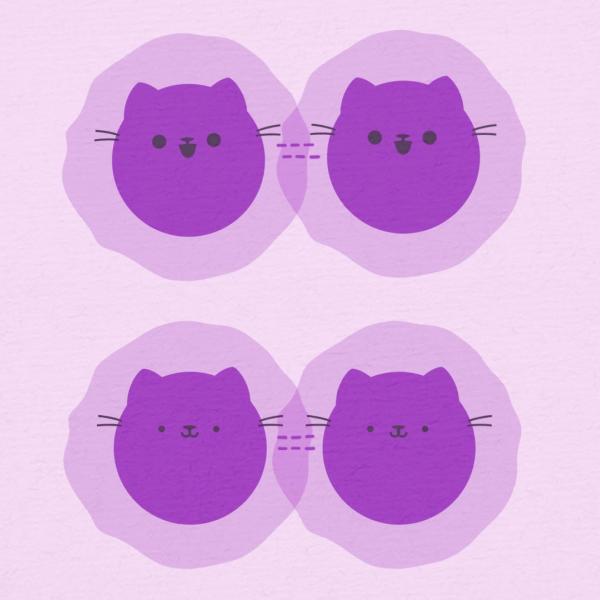
Just as Schroedinger's Cat is both alive and dead, an atom or molecule can be in two different states at once. Now scientists have exploited this behavior to make X-ray movies of atomic motion with much more detail than ever...
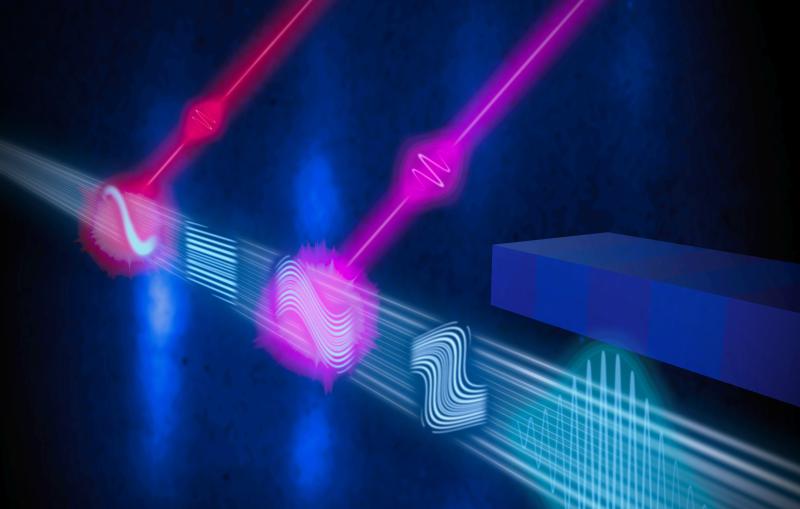
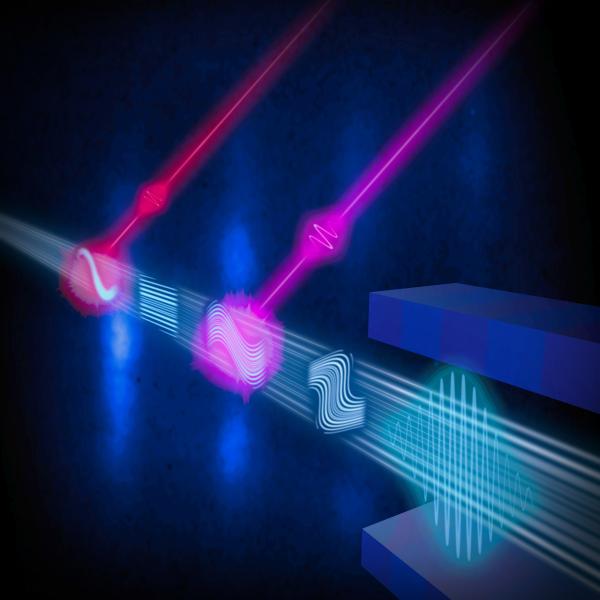
A SLAC/Stanford study opens a new path to producing laser pulses that are just billionths of a billionth of a second long by inducing ‘high harmonic generation’ in a solid.
Computer simulations and lab experiments help researchers understand the violent universe and could potentially lead to new technologies that benefit humankind.
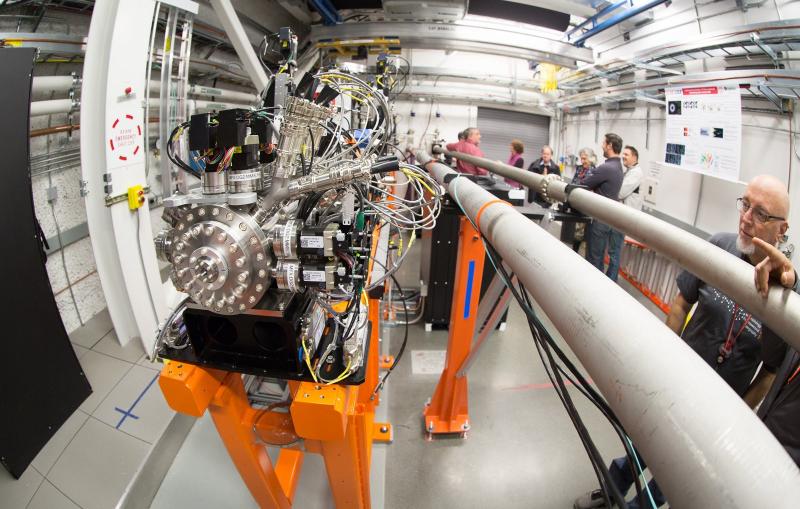
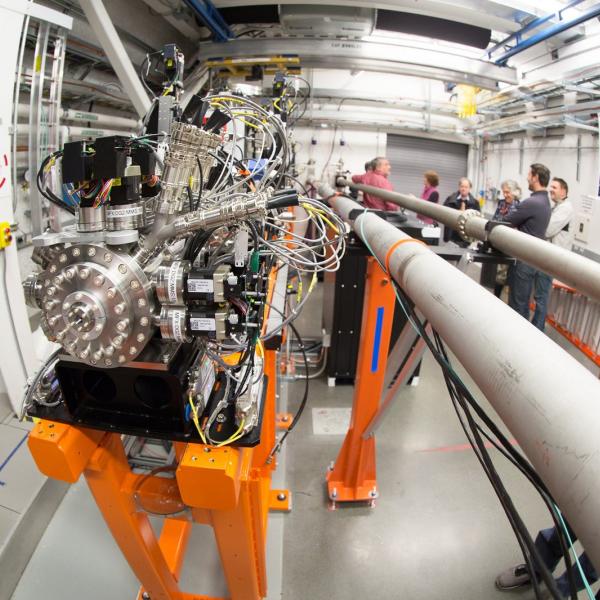
For the first time in three years, LCLS has added a new instrument to its set of experimental stations. See photos of the brand new MFX hutch, LCLS’s seventh instrument.
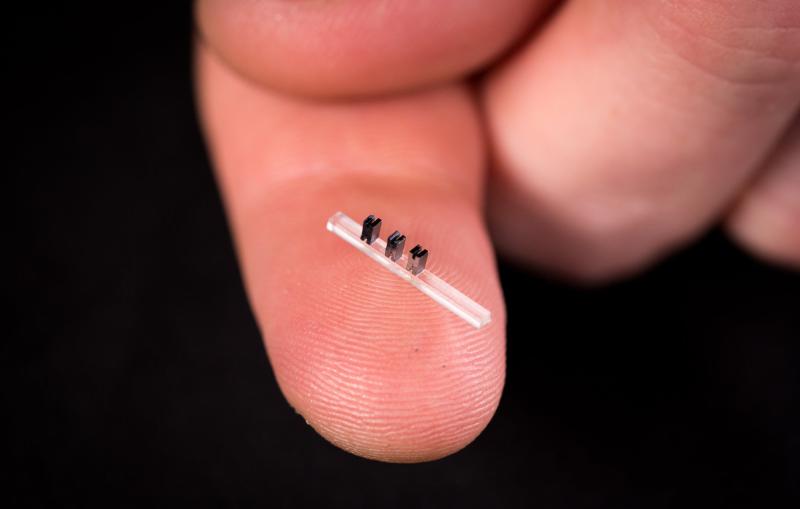
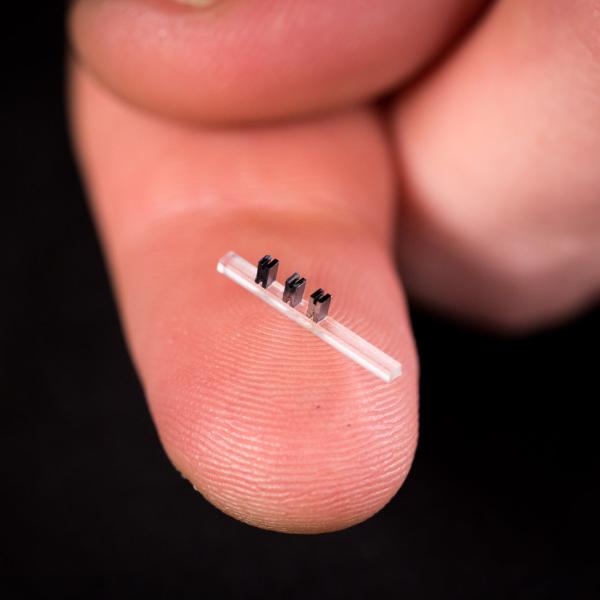
The Gordon and Betty Moore Foundation has awarded $13.5 million for an international effort to build a working particle accelerator the size of a shoebox based on an innovative technology known as “accelerator on a chip.”
A team led by SLAC scientists combined powerful magnetic pulses with some of the brightest X-rays on the planet to discover a surprising 3-D effect that appears linked to a mysterious phenomenon known as high-temperature superconductivity.