SLAC topics

Lasers RSS feed

SLAC builds and uses various kinds of lasers to do scientific research. 

Browse tagged content

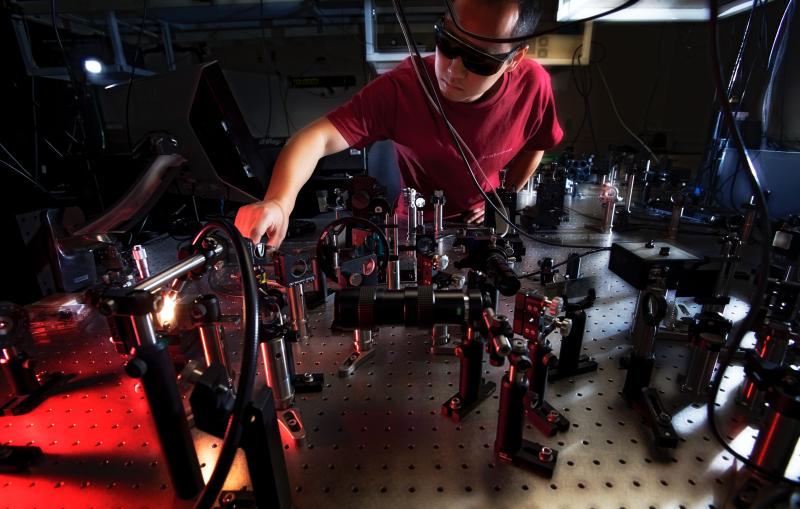
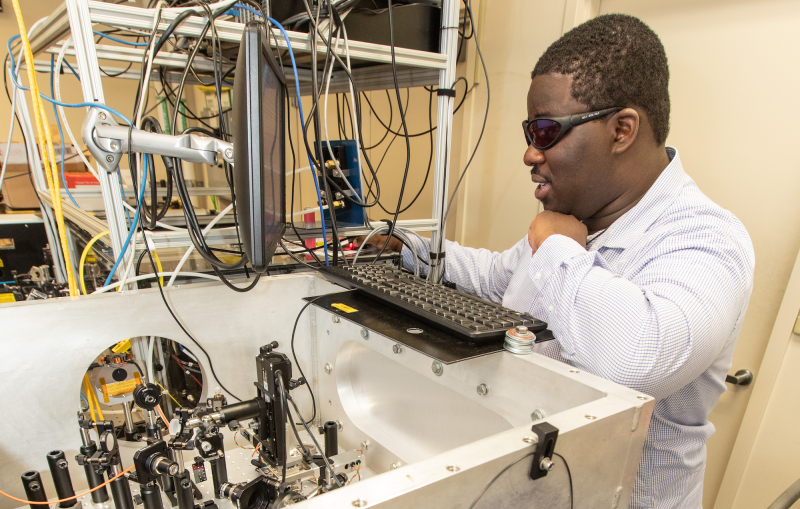
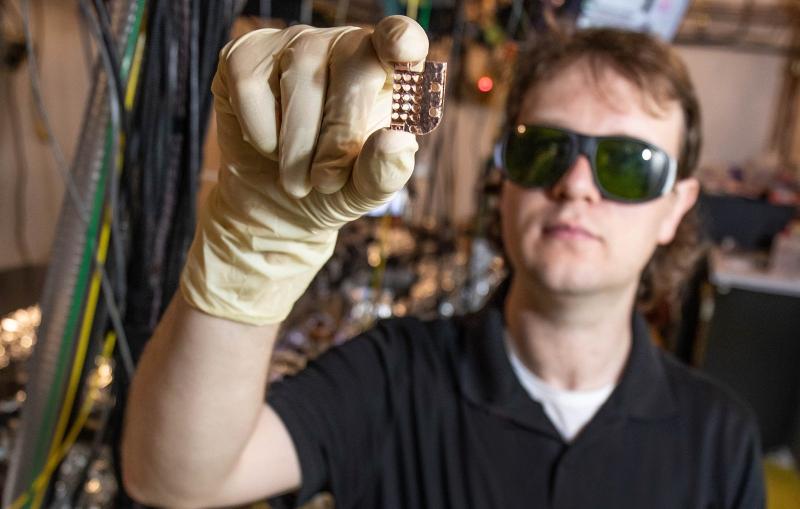
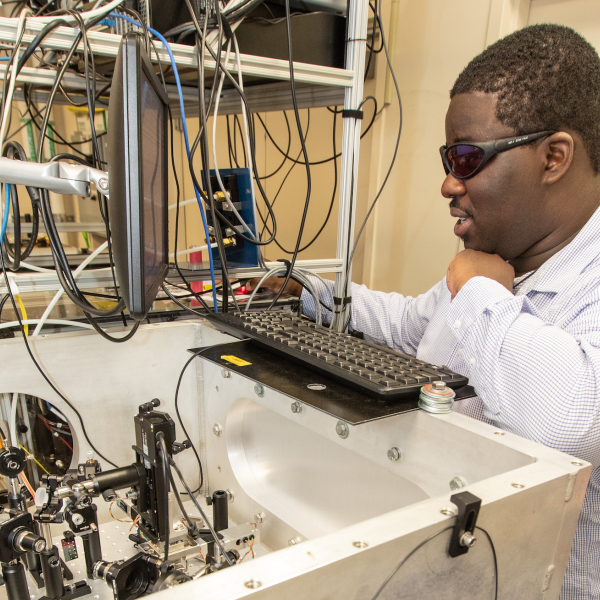
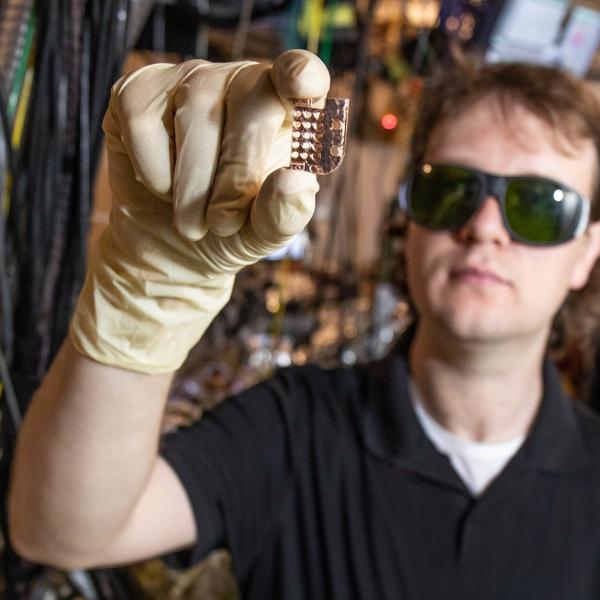
PULSE graduate student Jian Chen in a laser lab at SLAC.
News Brief

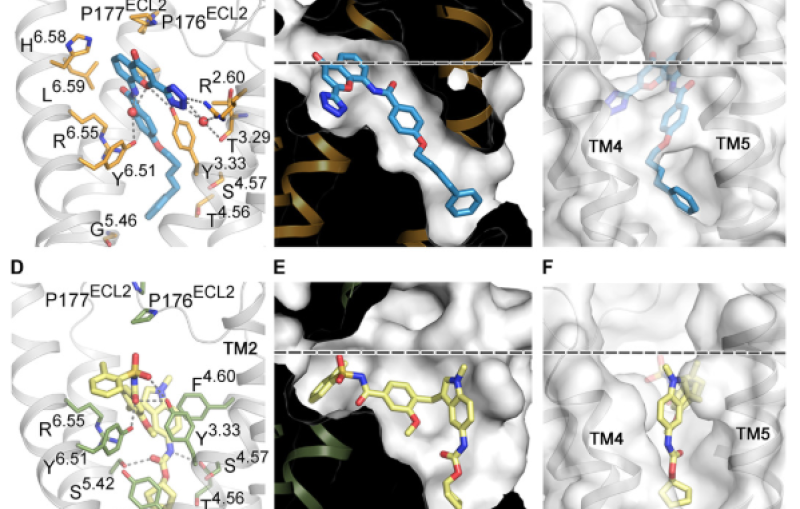
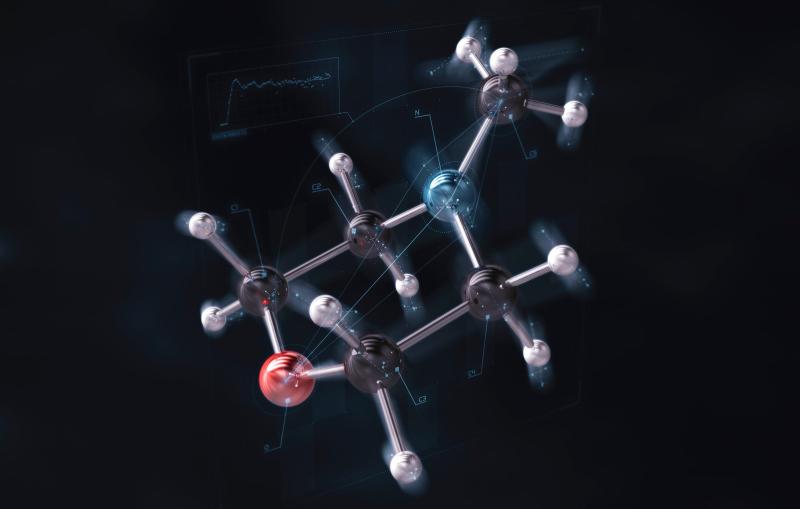
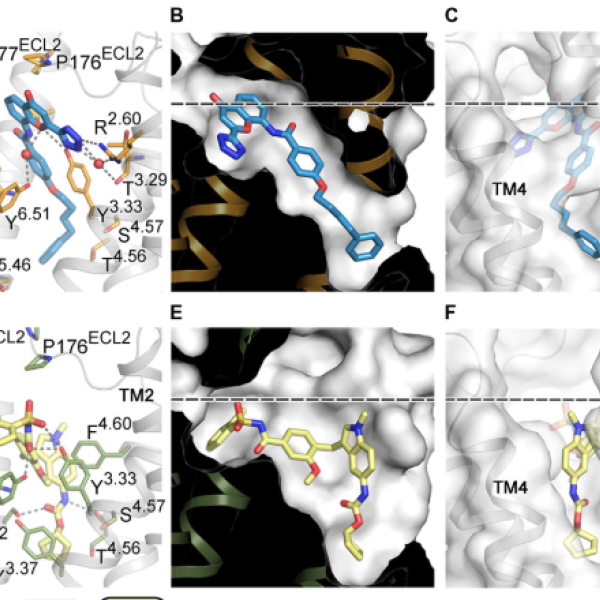
A new study uncovers how a critical protein binds to drugs used to treat asthma and other inflammatory diseases.

Anti-asthmatic drugs
News Release

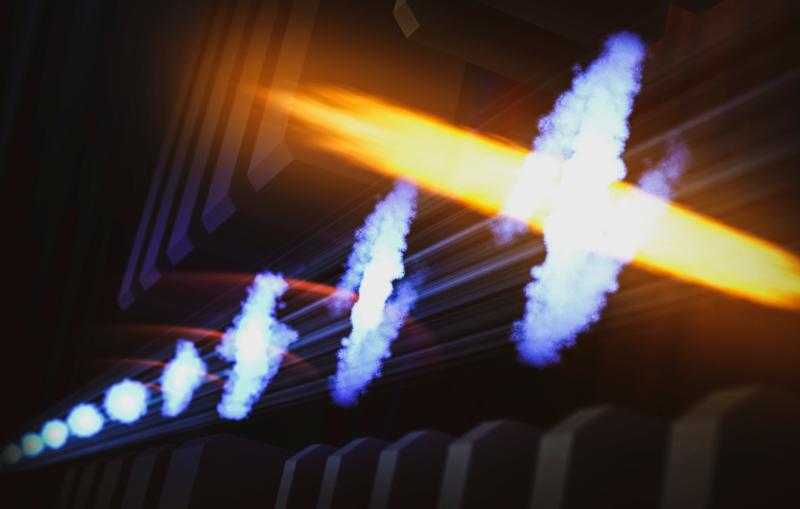
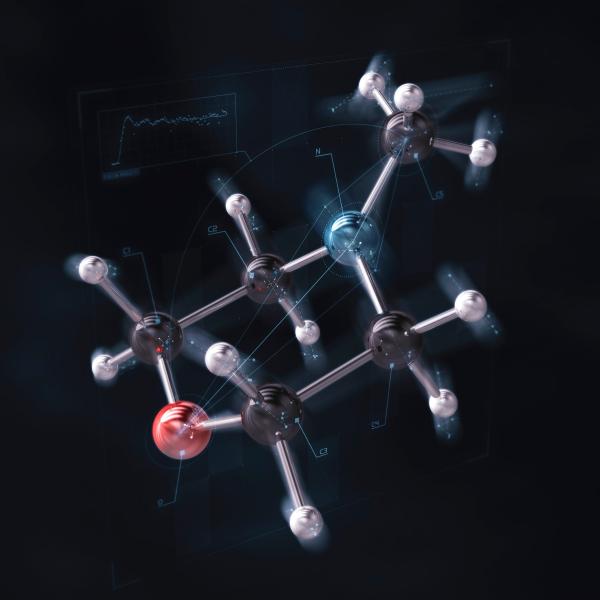
Called XLEAP, the new method will provide sharp views of electrons in chemical processes that take place in billionths of a billionth of a...

XLEAP illustration.
Feature

Chemist Ben Ofori-Okai investigates what happens to matter under extreme conditions at microscopic scales to better understand its behavior at massive scales, such as...

Ben Ofori-Okai
Feature

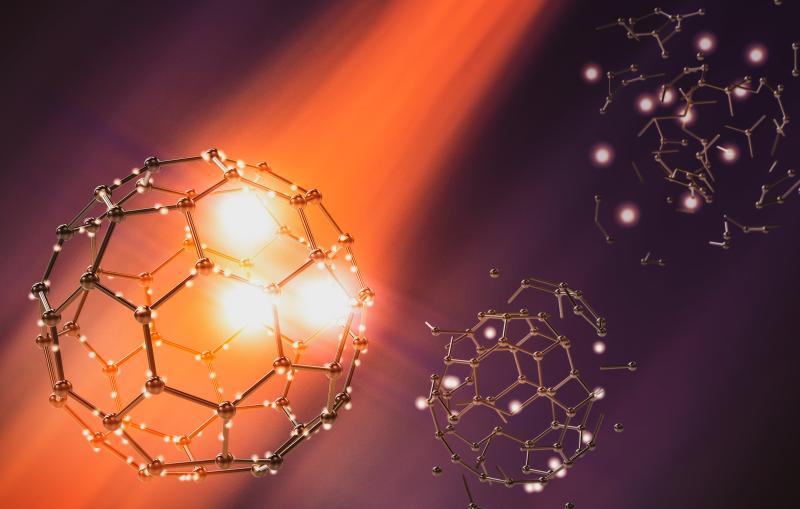
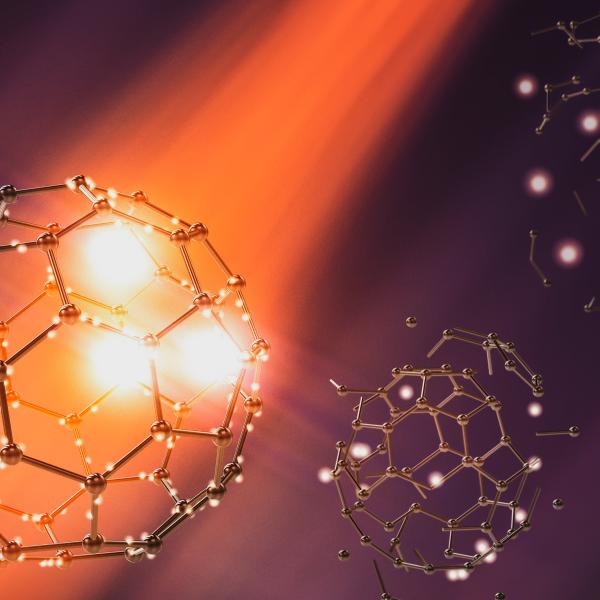
A new study shows how soccer ball-shaped molecules burst more slowly than expected when blasted with an X-ray laser beam.

Buckyballs
Feature

Early career award recognizes Mitrano’s work in ultrafast X-ray scattering.

Matteo Mitrano
Feature

The SLAC scientists will each receive $2.5 million for their research on fusion energy and advanced radiofrequency technology.

Gleason-Gamzina-ECA2019
Feature

The technique can be used to study molecular phenomena and the forming and breaking of chemical bonds.

vibrating molecules
Feature

Combined with the lab’s LCLS X-ray laser, it’ll provide unprecedented atomic views of some of nature’s speediest processes.

Alex Reid, ultrafast electron diffraction (UED)
Feature

Its electron beams will drive the generation of up to a million ultrabright X-ray flashes per second.

LCLS-II first electron beam
Feature

SLAC’s ‘electron camera’ films rapidly melting tungsten and reveals atomic-level material behavior that could impact the design of future reactors.

Tungsten melting
Feature

Researchers produced an underwater sound with an intensity that eclipses that of a rocket launch while investigating what happens when they blast tiny jets...

Underwater sound
Feature

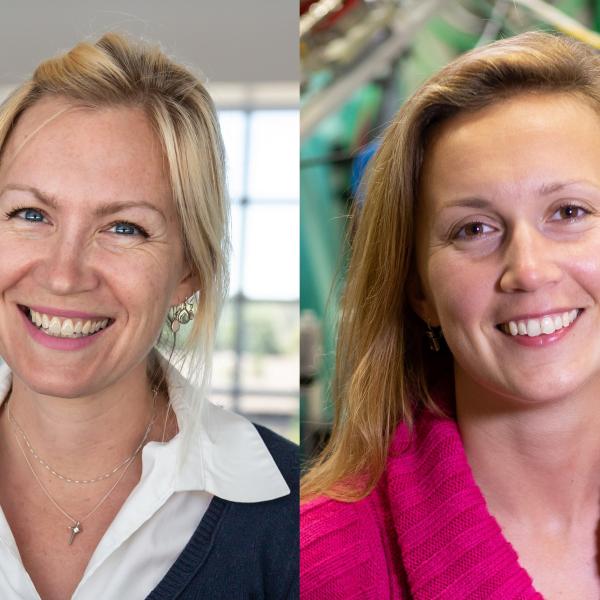
Monika Schleier-Smith and Kent Irwin explain how their projects in quantum information science could help us better understand black holes and dark matter.

QIS-Schleier-Smith-Irwin