SLAC topics

Lasers RSS feed

SLAC builds and uses various kinds of lasers to do scientific research. 

Browse tagged content

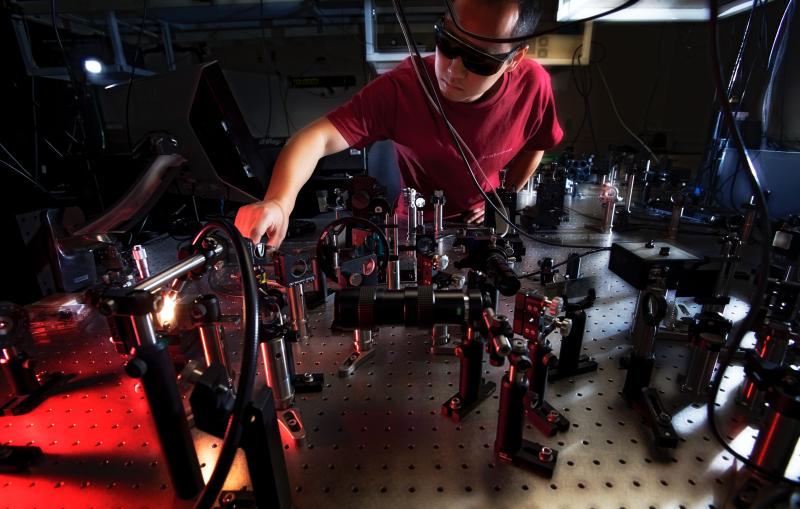
PULSE graduate student Jian Chen in a laser lab at SLAC.
Feature

The results, which show that ultrafast atomic motions are the first step in forming a magnetic state, could lead to faster and more efficient...

Charge transfer
Animation
As this animation shows, polaronic distortions start very small and rapidly expand outward in all directions to a diameter of...
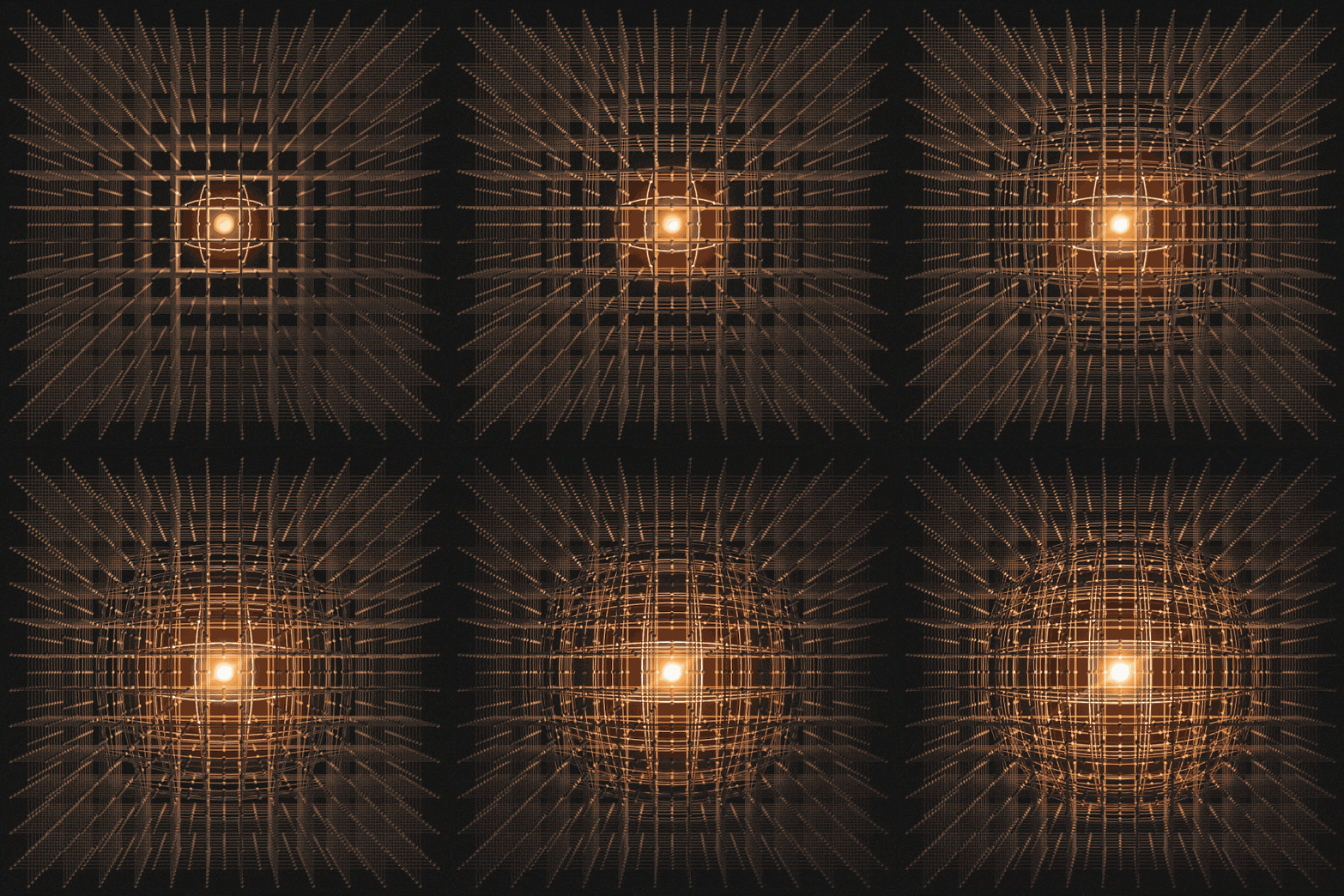
Animation of polaronic distortions expanding in an atomic lattice
Illustration

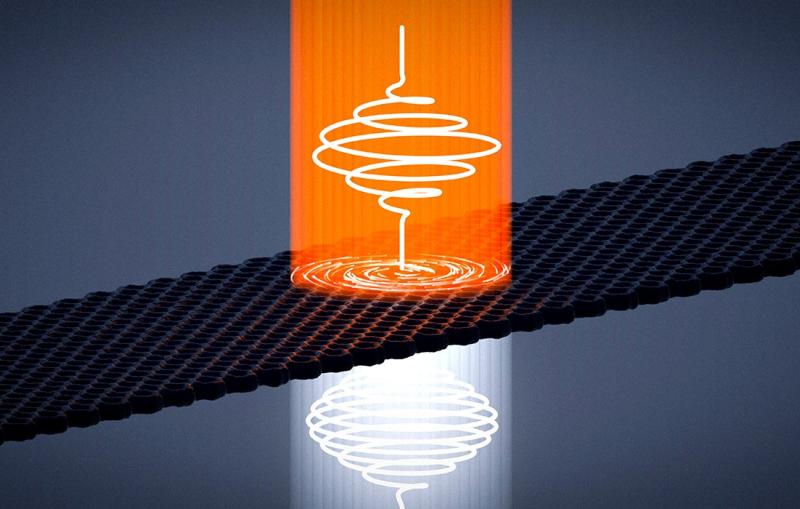
An illustration shows polarons – fleeting distortions in a material’s atomic lattice ––in a promising next-generation energy material, lead hybrid perovskite.
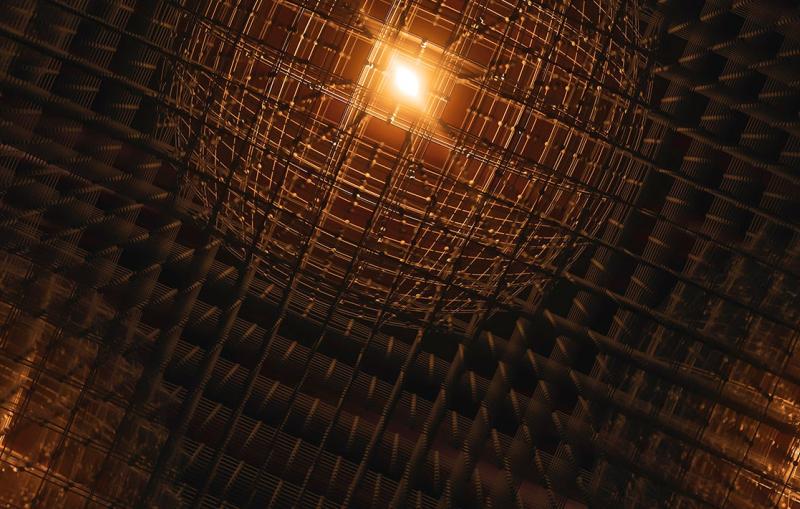

Polarons, bubbles of distortion in a perovskite lattice.
Feature

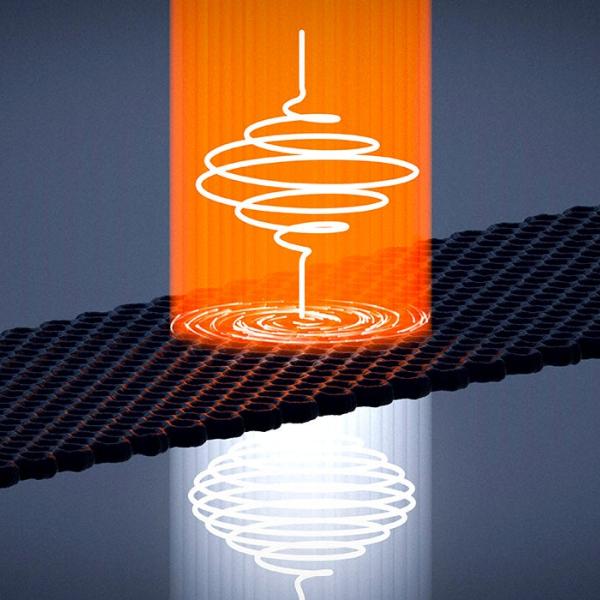
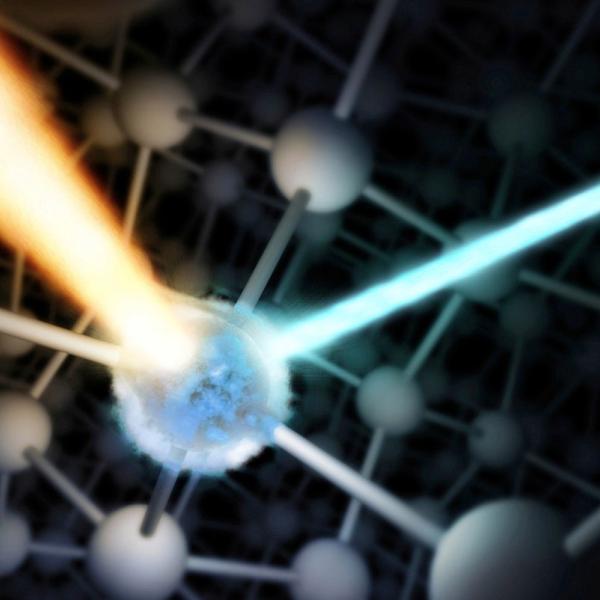
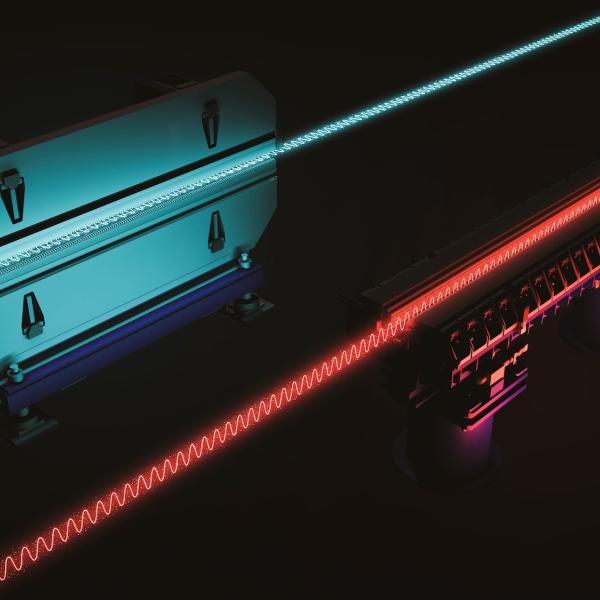
A better understanding of how this happens could help researchers hone future electronic measurements and offer insights into how X-rays interact with matter on...

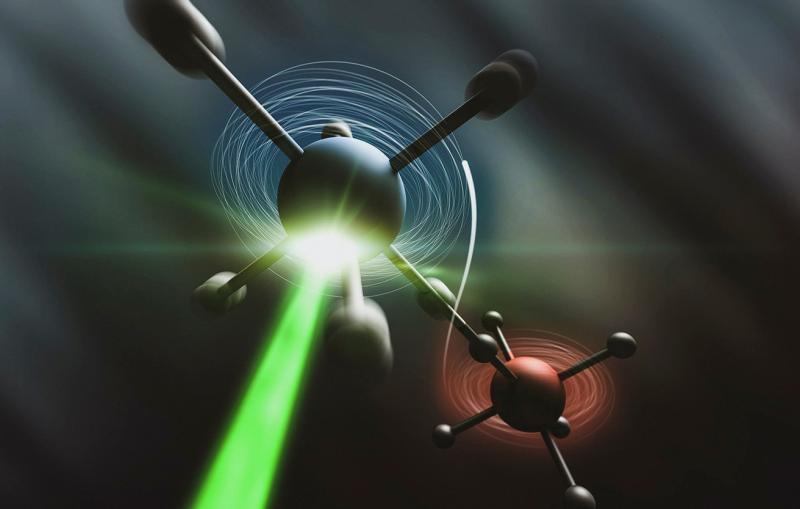
Image - Artist's rendering of two laser beams striking sample.
Feature

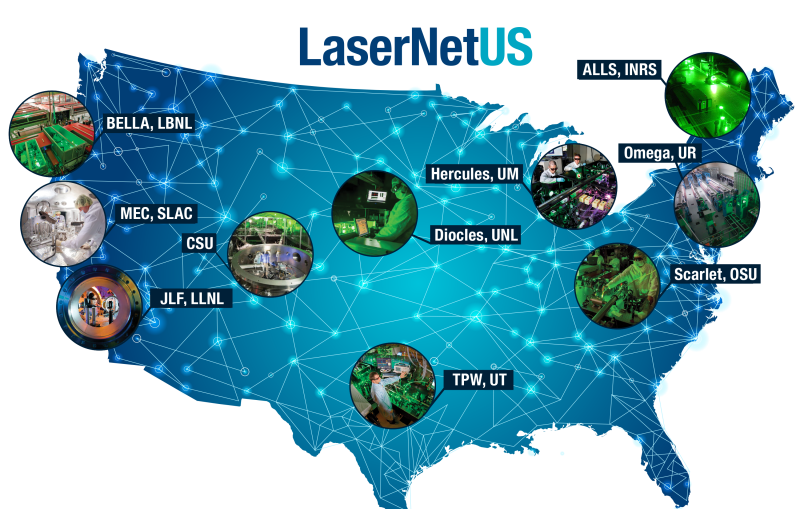
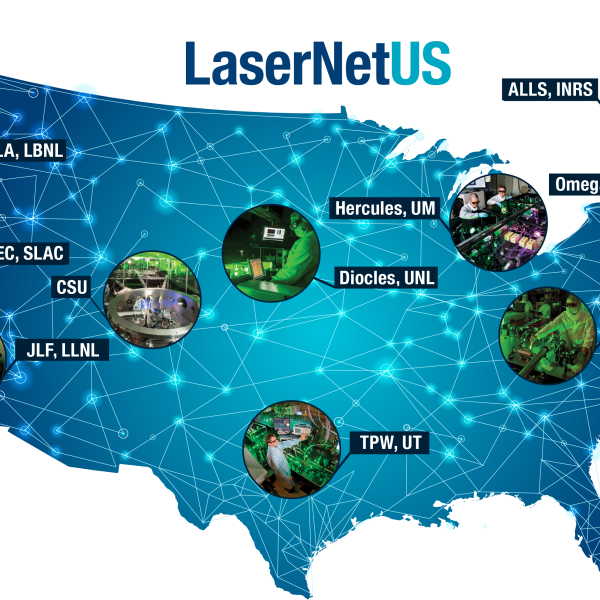
The initiative will give scientists more access to powerful lasers at universities and labs.

LaserNetUS
News Release

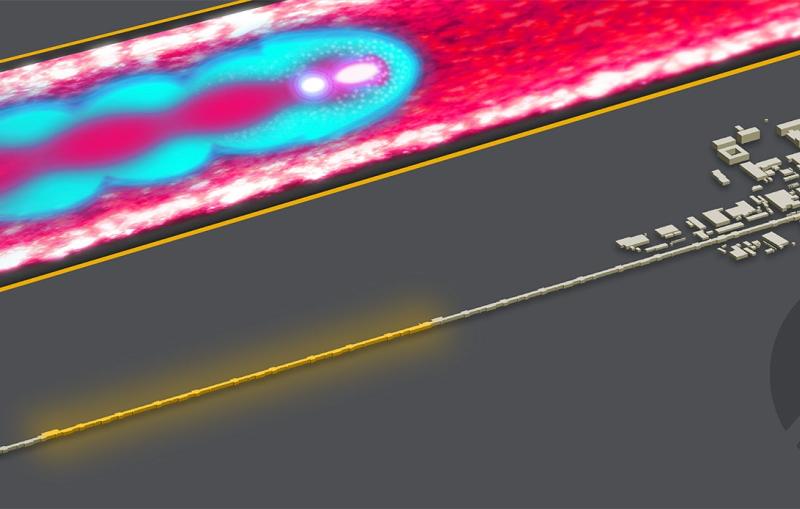
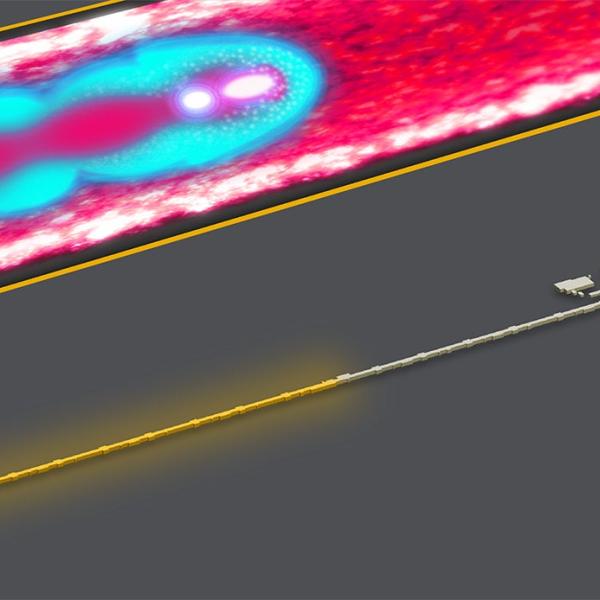
FACET-II will pave the way for a future generation of particle colliders and powerful light sources, opening avenues in high-energy physics, medicine, and materials...

FACET-II
Illustration
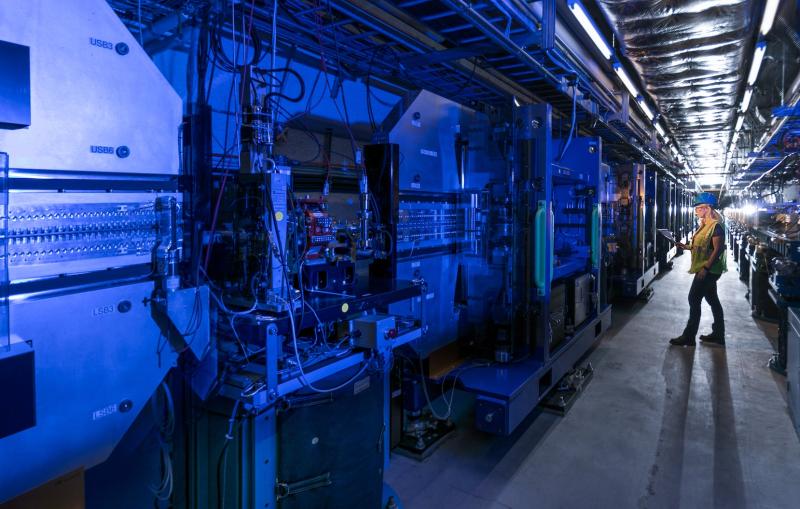
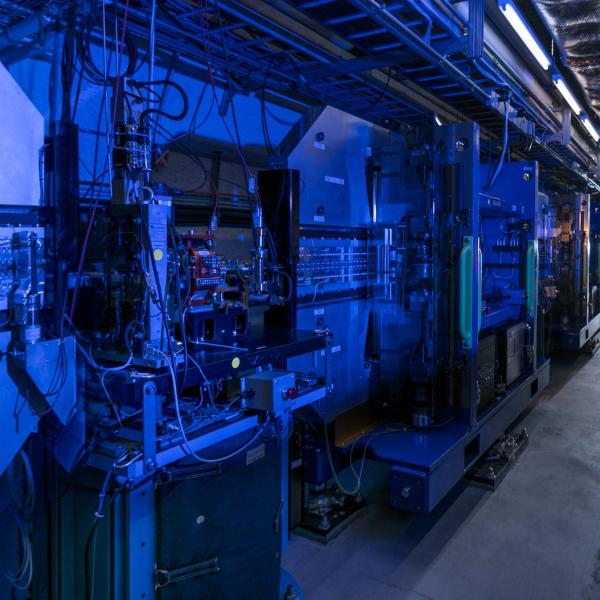
The second phase of a major upgrade project is now online at SLAC’S Linac Coherent Light Source (LCLS). On Saturday...
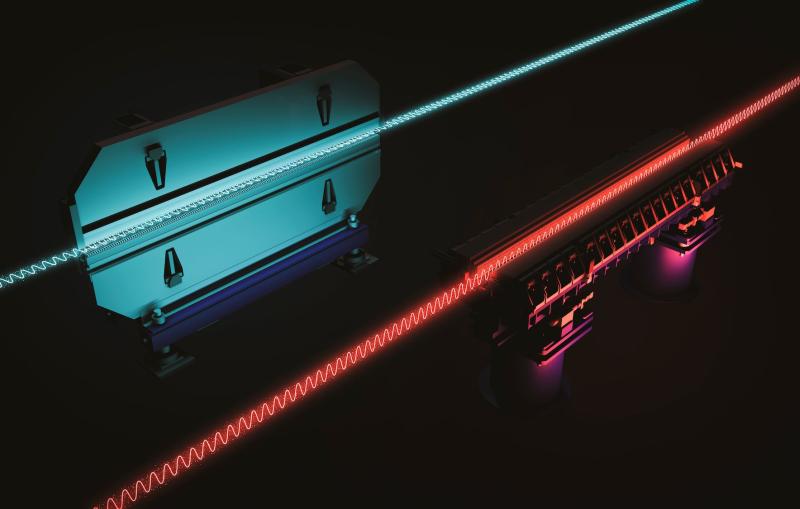
SXU
News Brief

This leap in capability will allow scientists to investigate quantum and chemical systems more directly than ever before.

SXU
Feature

The technique could improve the efficiency of data collection and pave the way for new kinds of experiments.

undulatorhall
News Release

Marking the beginning of the LCLS-II era, the first phase of the major upgrade comes online.

New undulator hall
Feature

New research could offer insights into the formation of planets like Earth and inform the design of more resilient materials.

Iron impact header
Feature

A proposed device could expand the reach of X-ray lasers, opening new experimental avenues in biology, chemistry, materials science and physics.

x-ray laser oscillator