SLAC topics

Chemistry and catalysis RSS feed

Catalysts are the unsung heroes of chemistry, accelerating reactions used to make fertilizers, fuels and consumer products. Our work aims to make catalysts more efficient and reduce the use of fossil fuels.

Related link: Energy sciences
Browse tagged content below

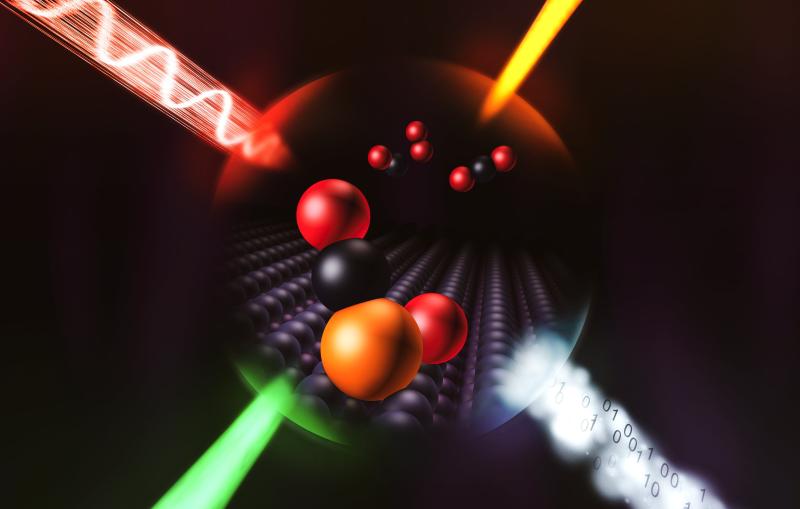
Depiction of four techniques used to study a single-atom catalyst.
Feature

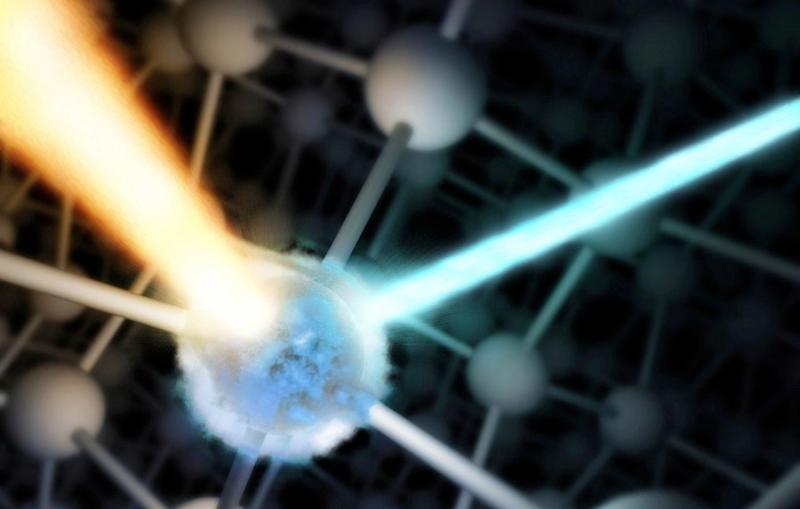
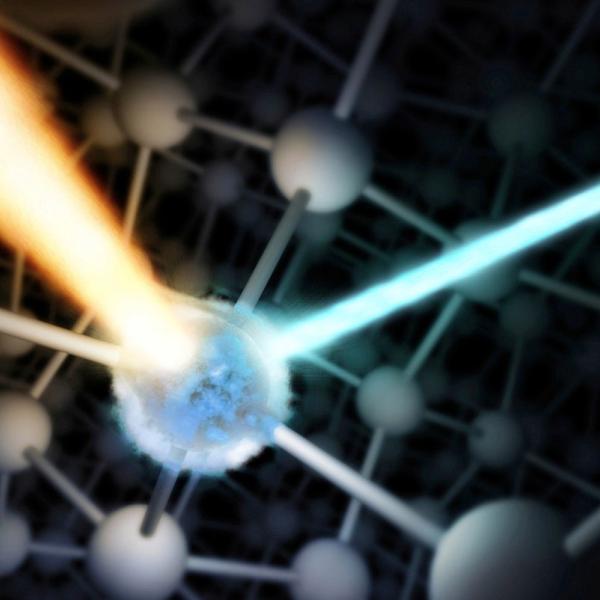
A better understanding of how this happens could help researchers hone future electronic measurements and offer insights into how X-rays interact with matter on...

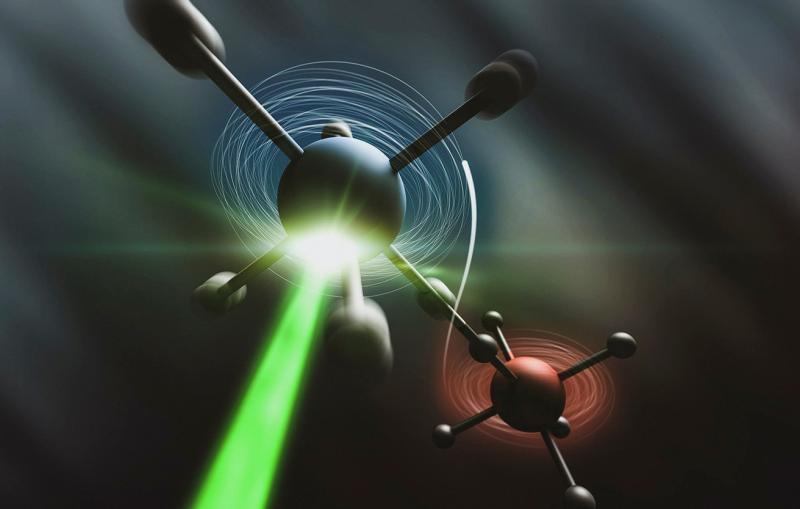
Image - Artist's rendering of two laser beams striking sample.
News Brief

Scientists at the Stanford Synchrotron Radiation Lightsource will study plastics and biologically-motivated processes that break them down in hopes of finding more efficient ways...

Clear plastic bottles
News Release

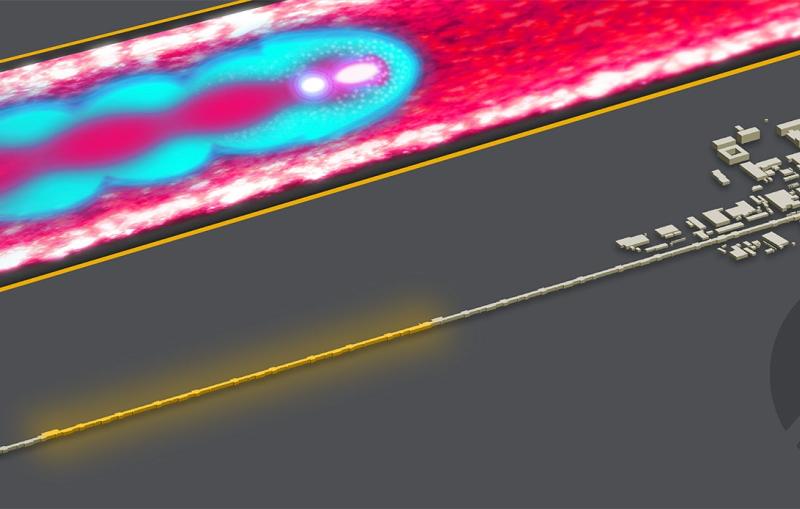
FACET-II will pave the way for a future generation of particle colliders and powerful light sources, opening avenues in high-energy physics, medicine, and materials...

FACET-II
Feature

Using SLAC’s synchrotron, Summers improves fundamental knowledge of the role of copper in the brain and investigates treatments for Alzheimer’s disease.

Kelly Summer portrait
News Brief

The technique they used will offer insight into many different chemical reactions.

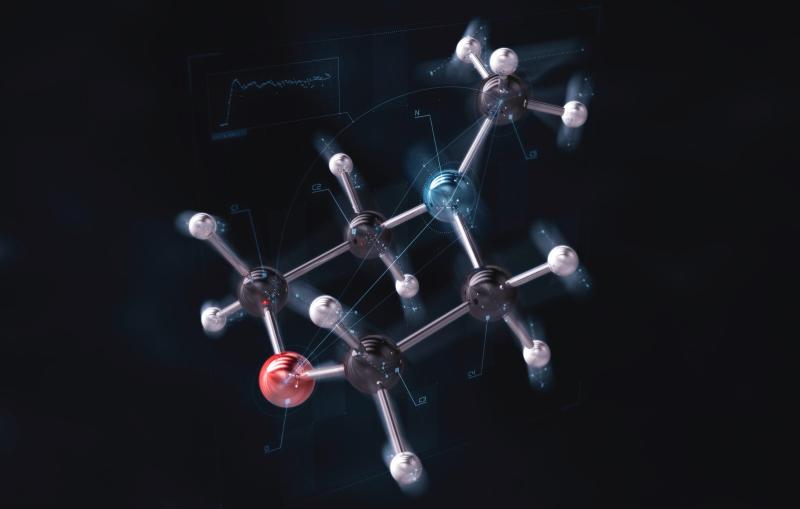
hydroxyl radical
Illustration

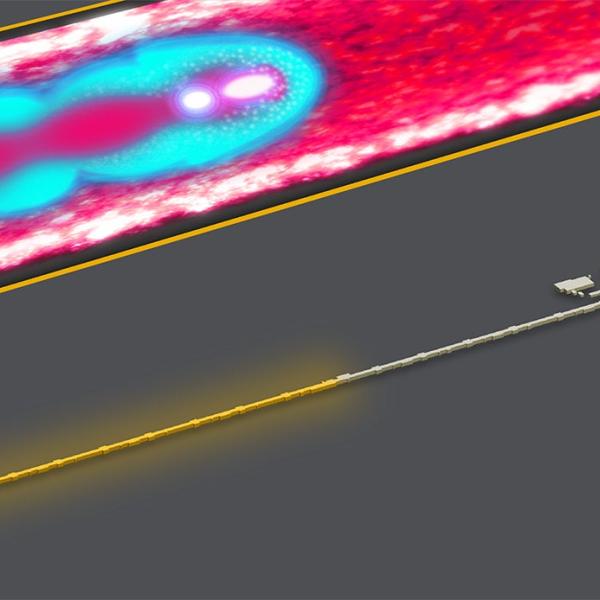
Researchers used SLAC’s ultrafast electron diffraction (UED) as an electron camera to take snapshots of a three-atom-thick layer of a promising material as it...

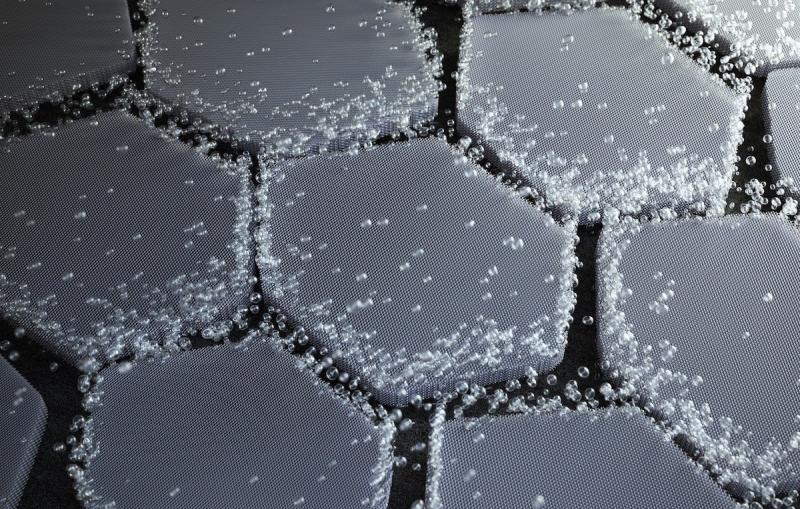
UED electron camera takes snapshots of dynamic ripples.
Feature

The prestigious awards provide at least $2.5 million over five years in support of their work in understanding photochemical reactions and improving accelerator beams.

SLAC staff scientists Amy Cordones-Hahn and Brendan O'Shea
Feature

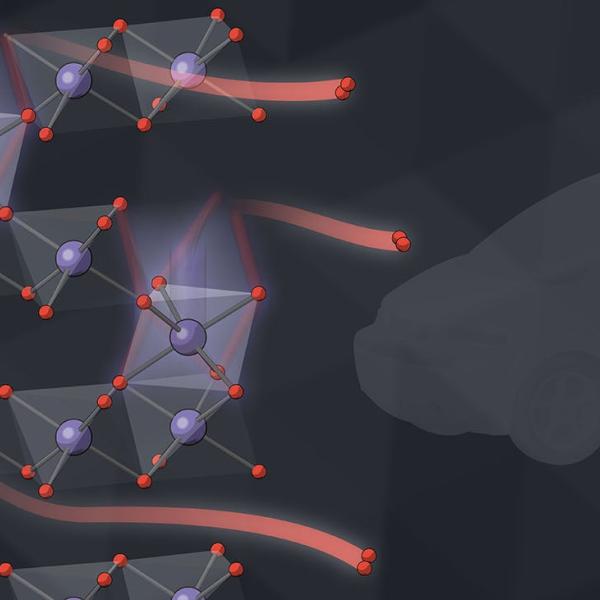
They discovered the messy environment of a chemical reaction can actually change the shape of a catalytic nanoparticle in a way that makes it...

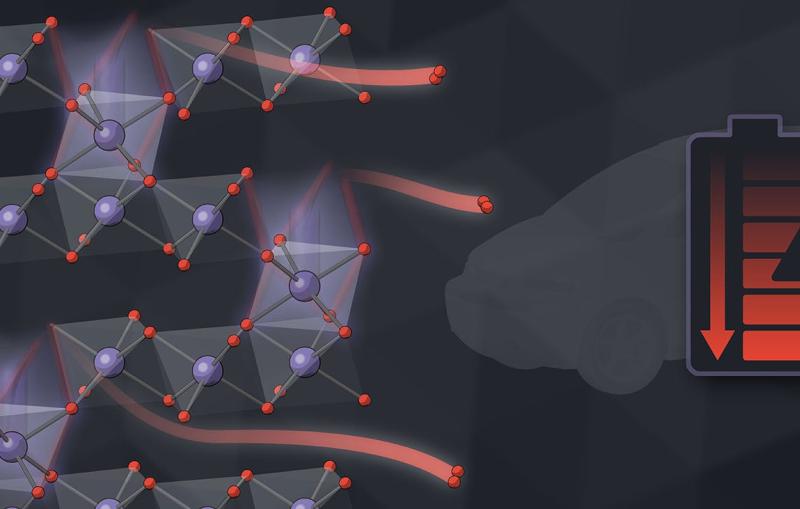
Illustration of catalyst nanoparticle and car with exhaust emissions
Feature

A new lithium-based electrolyte invented by Stanford University scientists could pave the way for the next generation of battery-powered electric vehicles.

Photo of vials containing new electrolyte for lithium metal batteries
News Brief

For the first time, scientists have revealed the steps needed to turn on a receptor that helps regulate neuron firing. The findings might help...

yellow and blue protein structures.
Feature

It could offer insights into the evolution of planetary systems and guide scientists hoping to harness nuclear fusion as a new source of energy.

Scattered photons
Feature

Revealing both sides of the story in a single experiment has been a grand scientific challenge.

nuclear and electronic