SLAC topics

Chemistry and catalysis RSS feed

Catalysts are the unsung heroes of chemistry, accelerating reactions used to make fertilizers, fuels and consumer products. Our work aims to make catalysts more efficient and reduce the use of fossil fuels.

Related link: Energy sciences

Browse tagged content below

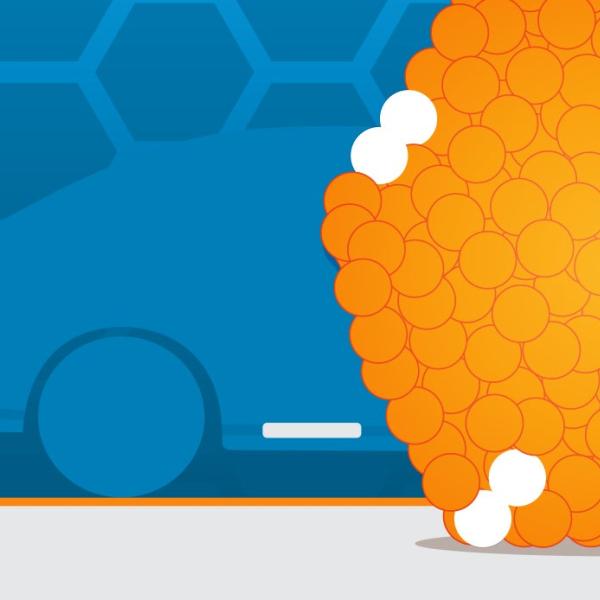
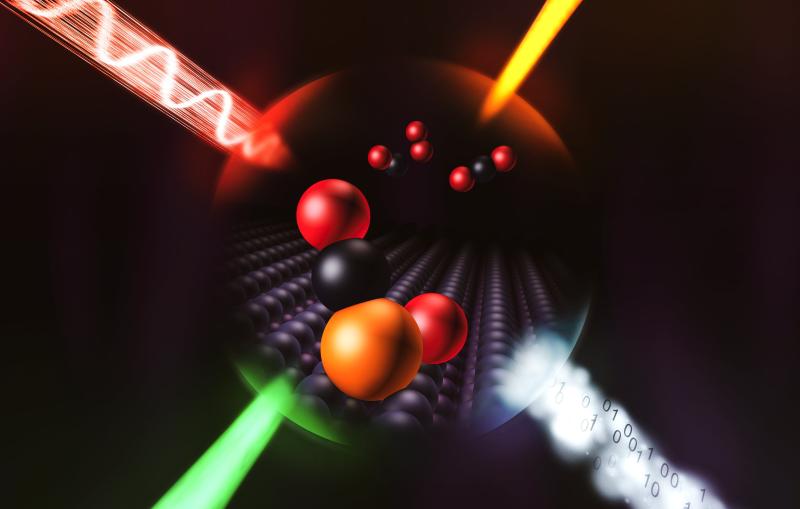
Depiction of four techniques used to study a single-atom catalyst.
Feature

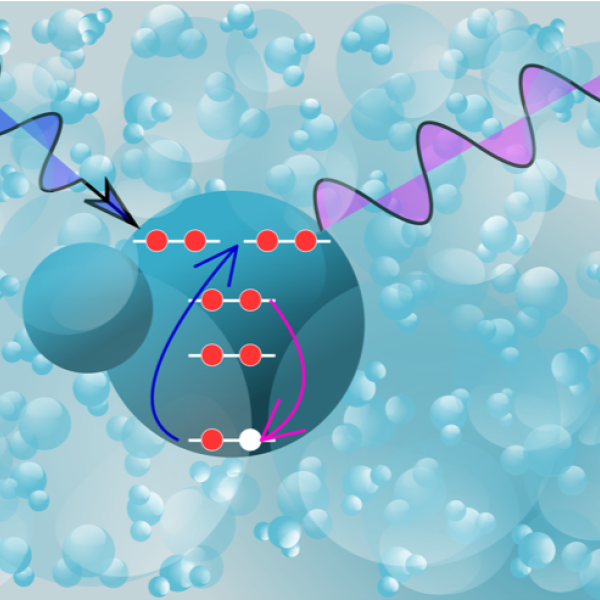
Understanding nature’s process could inform the next generation of artificial photosynthetic systems that produce clean and renewable energy from sunlight and water.

How electrons flow in the oxygen-evolving complex of Photosystem II.
Animation

In photosystem II, the water-splitting center cycles through four stable states, S0-S3. On a baseball field, S0 would be...

Photosystem II
Feature

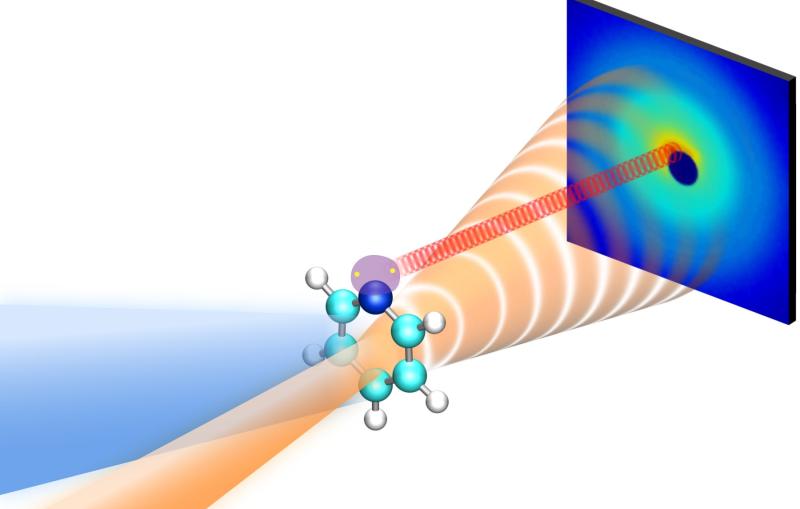
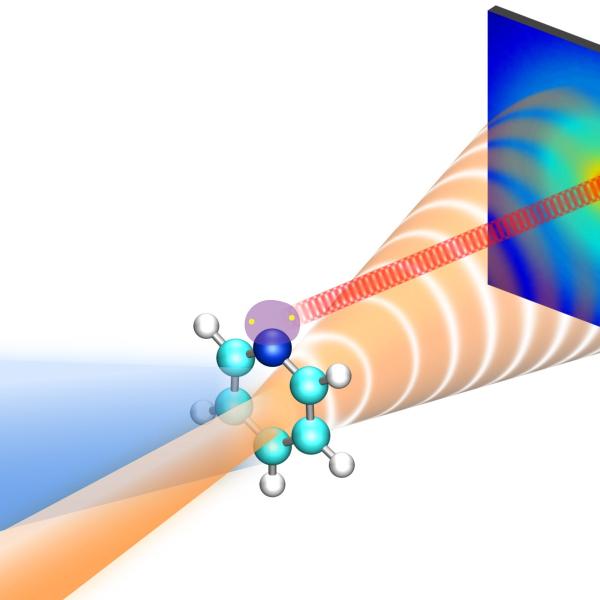
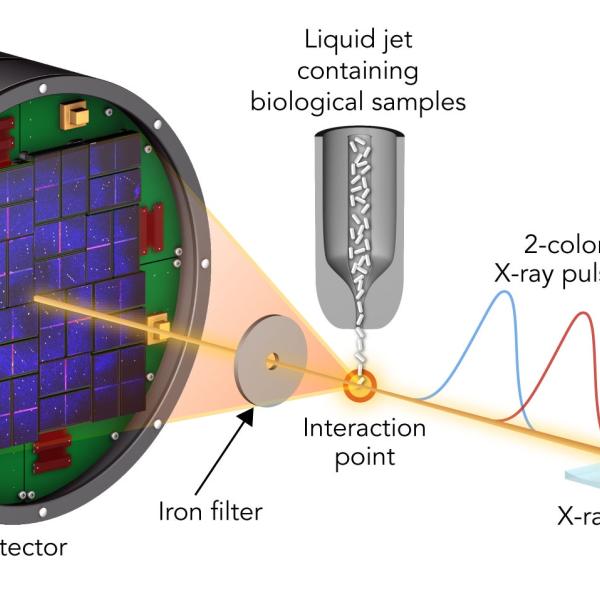
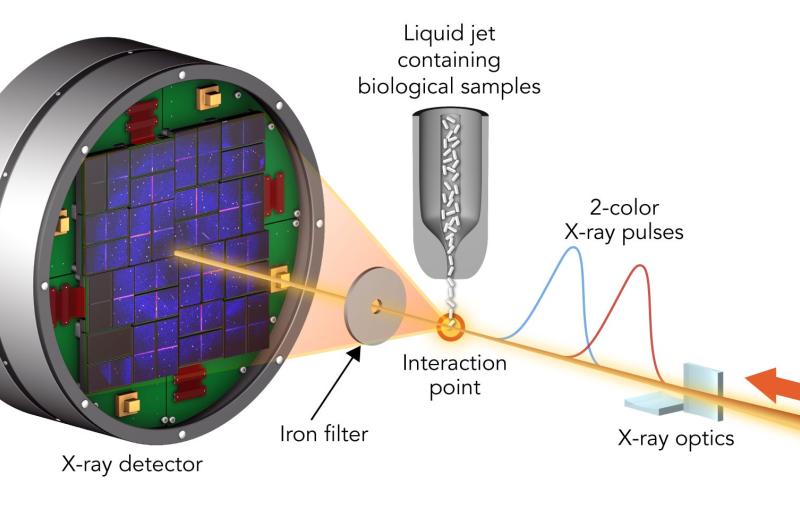
Researchers investigate how much damage spreads through molecules struck by a pulse from LCLS.

Two color mode
Feature

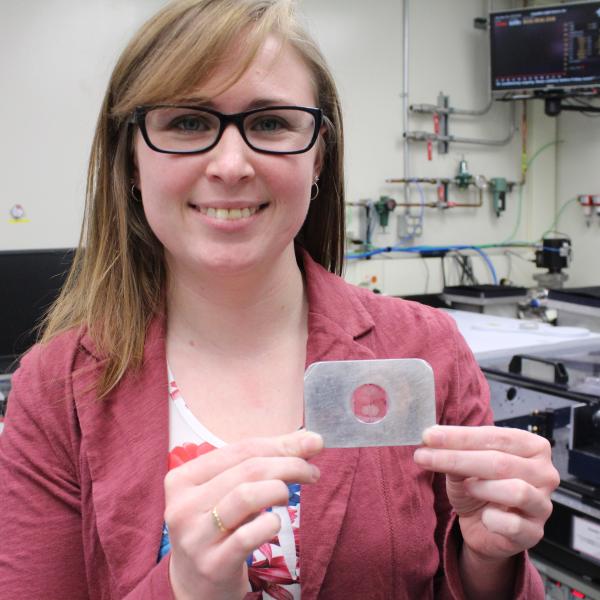
This new technology could enable future insights into chemical and biological processes that occur in solution, such as vision, catalysis and photosynthesis.

UED liquid
Feature

An LCLS imaging technique reveals how a mosquito-borne bacterium deploys a toxin to kill mosquito larvae. Scientists hope to harness it to fight disease.

A photograph of mosquito larvae.
News Brief

The 1950s and ‘60s poisoning event was long attributed to methylmercury, but studies at SLAC suggest a different compound was to blame. The findings...

Illustration of toxic waste being dumped from a pipe, a molecule, and a map showing the location of Minamata, Japan.
Feature

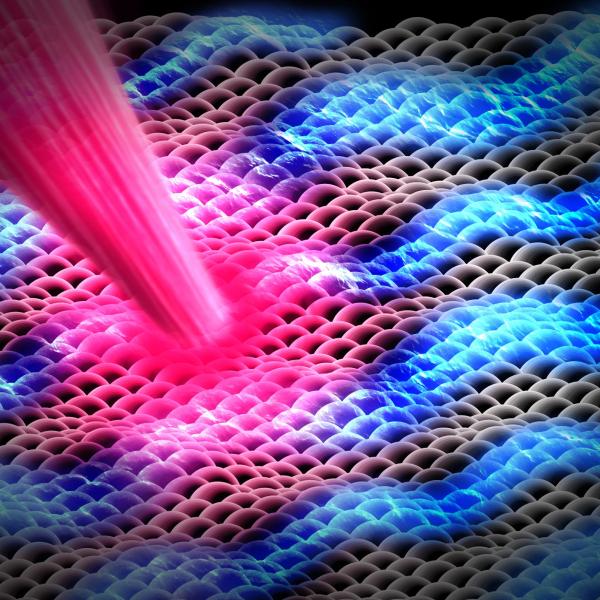
A better understanding of this phenomenon, which is crucial to many processes that occur in biological systems and materials, could enable researchers to develop...

photoexcitation
News Brief

These inexpensive photosensitizers could make solar power and chemical manufacturing more efficient. Experiments at SLAC offer insight into how they work.

Illustration of carbene reaction pathways
Feature

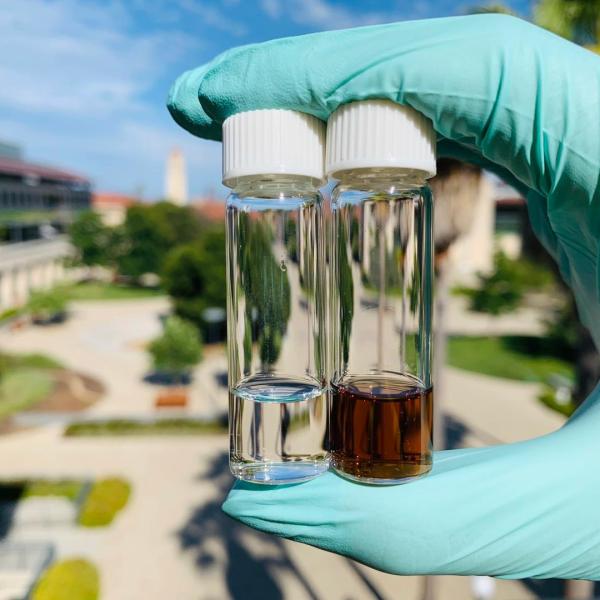
In regions that lack the resources to treat the contaminated water, it can lead to disease, cancer, and even death.

Electrode tank
Feature

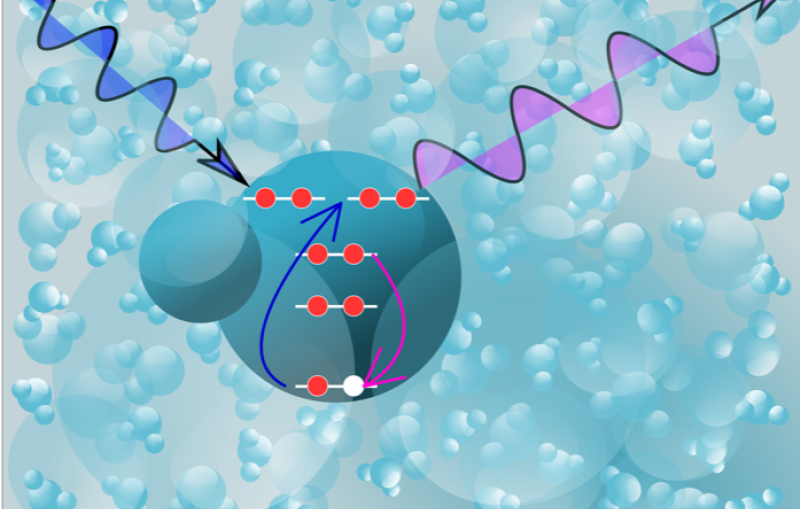
What they learned could lead to a better understanding of how ionizing radiation can damage material systems, including cells.

Radiolysis
News Brief

What they learned could lead to a better understanding of how antibiotics are broken down in the body, potentially leading to the development of...

Feature

A better understanding of these materials and how they store and transport oil and gas could one day enable more efficient fossil fuel production.

Aromatic carbon