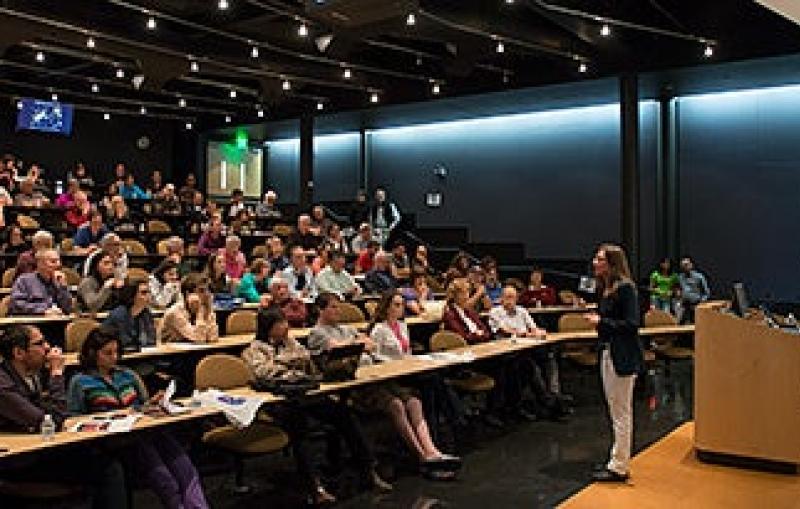
A venue for the SLAC community to hear about a wide range of scientific and science-related topics, presented by notable speakers from SLAC, Stanford, and institutions from around the country and the world.
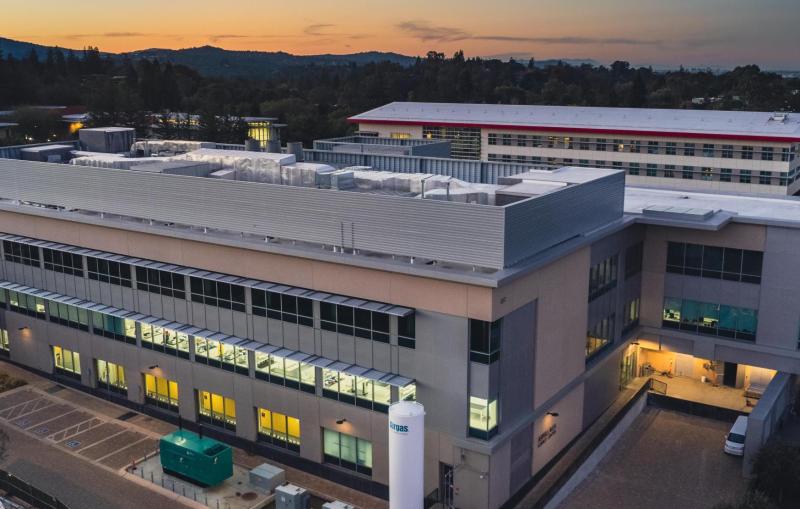
The SLAC-Stanford Battery Center enables translational research in electrochemical science and technology bridging across fundamental science to deployment.
Machine Learning (ML) algorithms are found across all scientific directorates at SLAC, with applications to a wide range of tasks including online data reduction, system controls, simulation and analysis of big data.
This guide provides information, instructions, and additional knowledge about SLAC’s Drupal template and platform for site owners. Use this guide to learn how to build content, launch your website, and more.
The SLAC Faculty Affairs Office is responsible for implementing University policy regarding appointments and promotions, salary setting, leaves, endowed chair appointments and other matters of an academic nature.
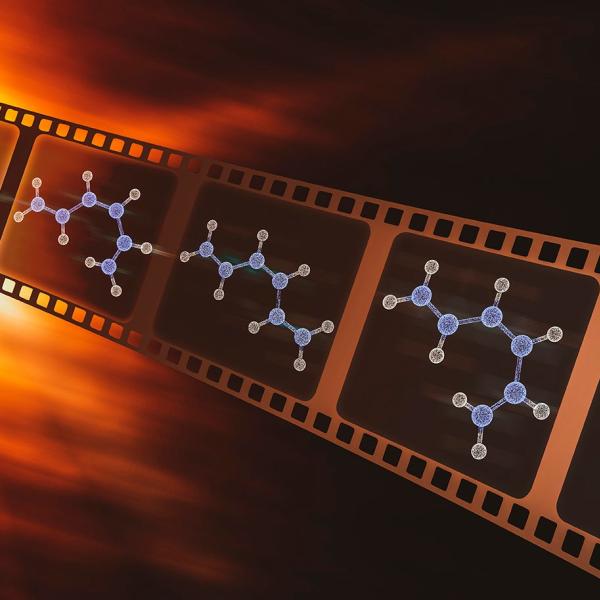
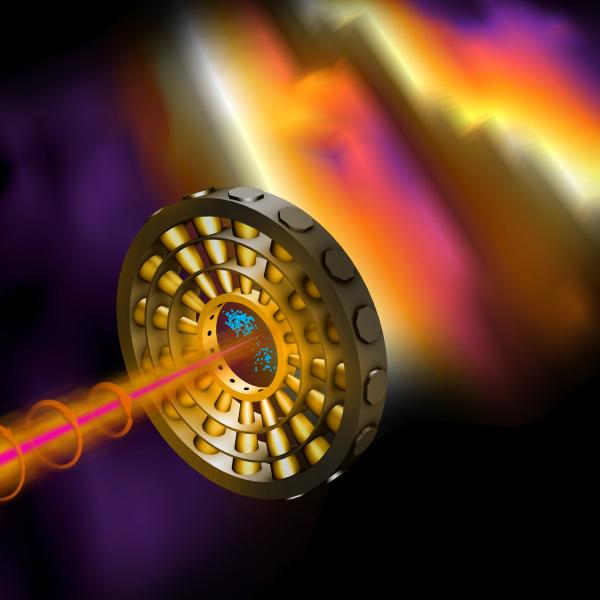
When it comes to making molecular movies, producing the world’s fastest X-ray pulses is only half the battle. A new technique reveals details about the timing and energy of pulses that are less than a millionth of a billionth of...
With SLAC’s X-ray laser, a research team captured ultrafast changes in fluorescent proteins between “dark” and “light” states. The insights allowed the scientists to design improved markers for biological imaging.