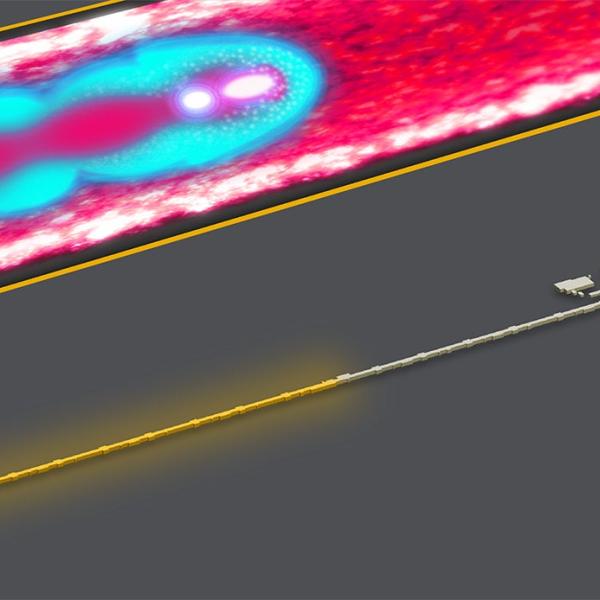
FACET-II will pave the way for a future generation of particle colliders and powerful light sources, opening avenues in high-energy physics, medicine, and materials, biological and energy science.
The annual conference for scientists who conduct research at SLAC’s light sources engaged more than 1,700 researchers in talks, workshops and discussions.
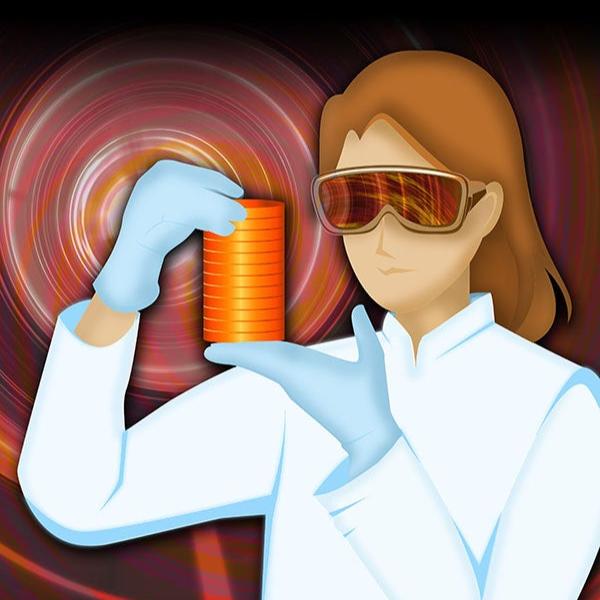
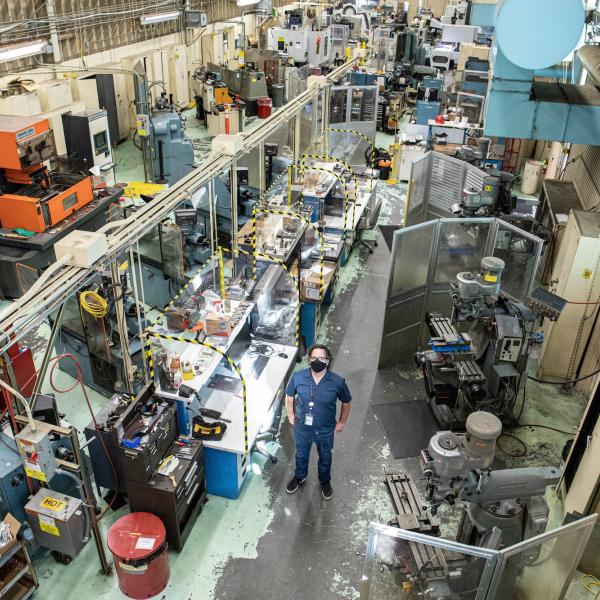
Presented by Diana Gamzina. In particle accelerators, electrons are pushed to extreme energies by electromagnetic fields that oscillate inside evacuated metal cavities. Those cavities are usually made of copper.
Scientists at the Stanford Synchrotron Radiation Lightsource will study plastics and biologically-motivated processes that break them down in hopes of finding more efficient ways to “upcycle” them.
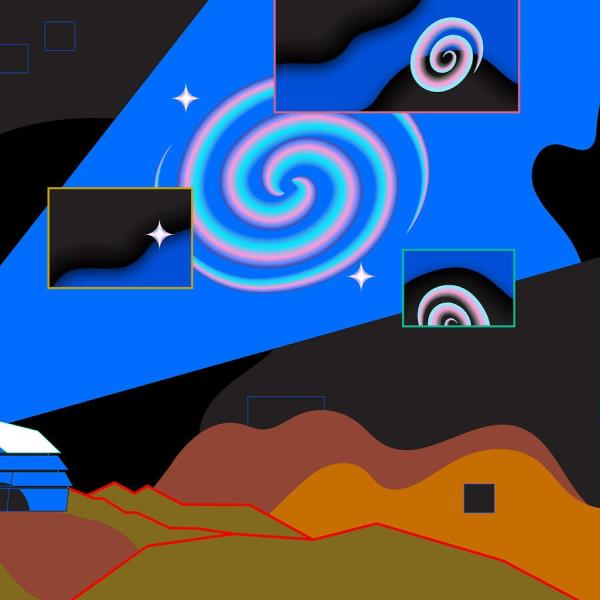
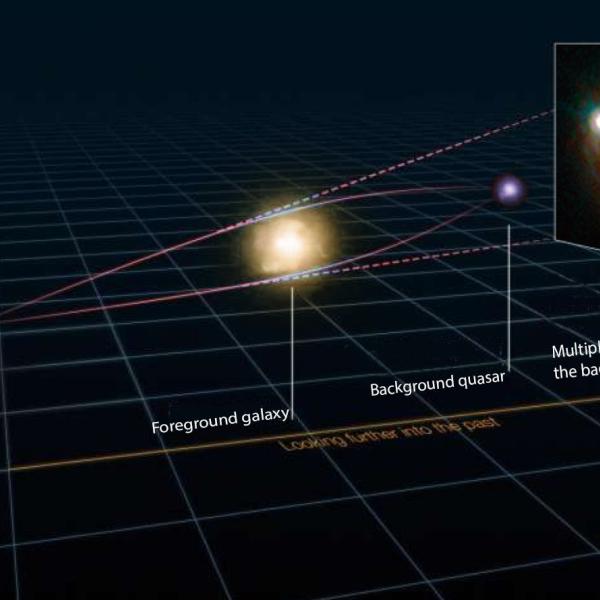
SLAC cosmologists are using multiple images of the same quasars, produced by massive galaxies’ gravitational pull, to calibrate cosmic distances. Their work may help resolve long-standing debates about how quickly the universe is expanding.
SLAC and Stanford partner with two Illinois universities to create the Center for Quantum Sensing and Quantum Materials, which aims to unravel mysteries associated with exotic superconductors, topological insulators and strange metals.