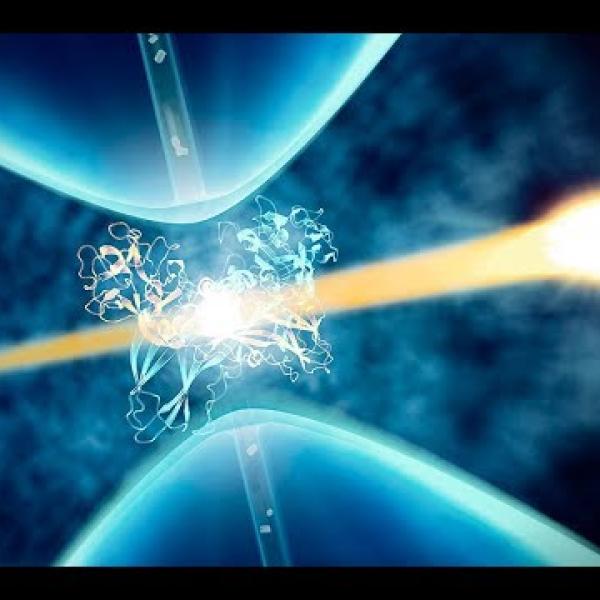
Presented by Sebastien Boutet. SLAC's X-ray laser, the Linac Coherent Light Source, launched a new generation of light sources when it opened 10 years ago last month, with beams 10 billion times brighter than any before.
Monika Schleier-Smith and Kent Irwin explain how their projects in quantum information science could help us better understand black holes and dark matter.
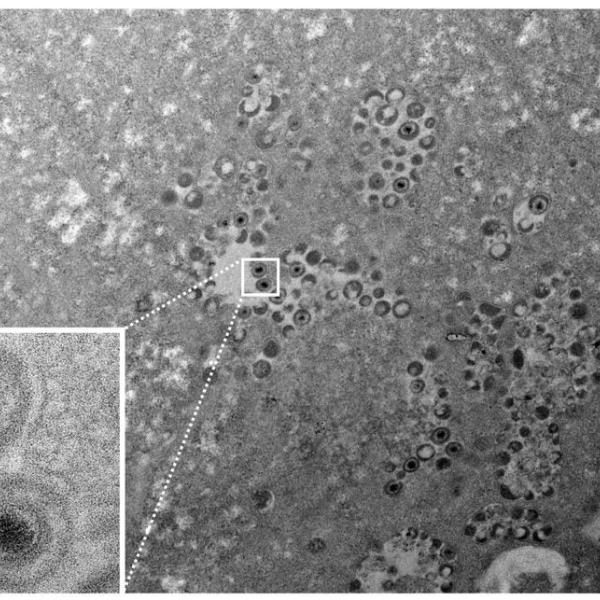
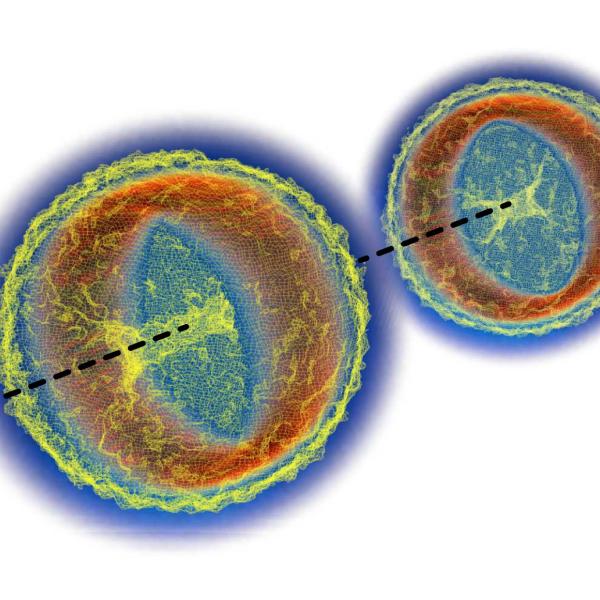
Stanford virologists are working with scientists at the new Stanford-SLAC Cryo-Electron Microscopy facility to take a new look at how herpesviruses infect cells.
Researchers produced an underwater sound with an intensity that eclipses that of a rocket launch while investigating what happens when they blast tiny jets of water with X-ray laser pulses.
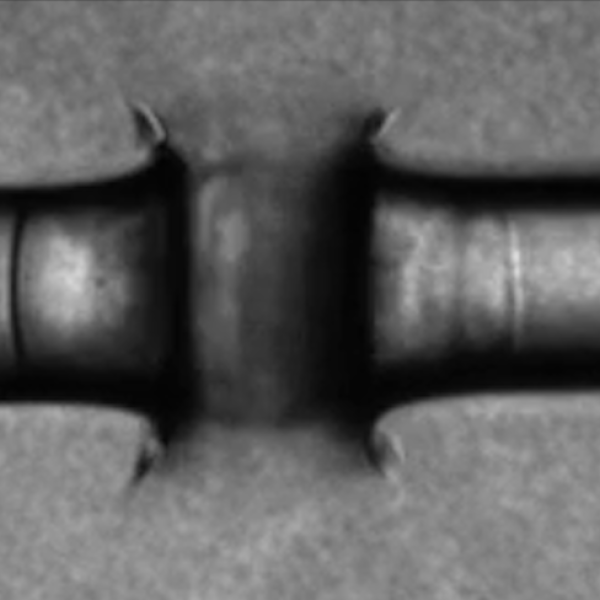
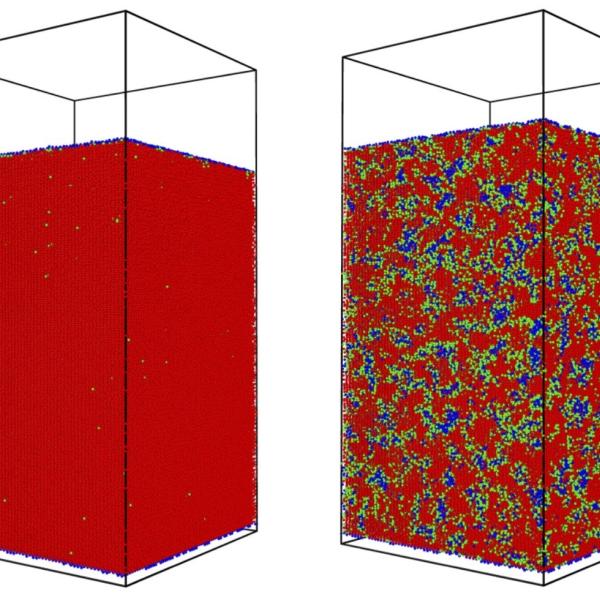
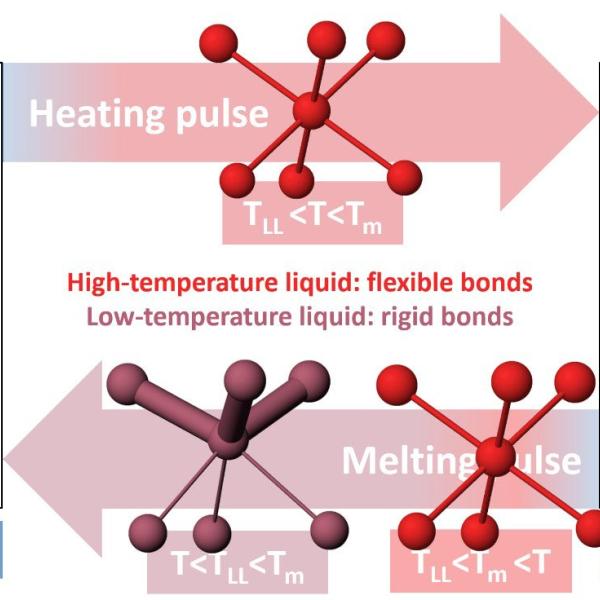
Experiments at SLAC’s X-ray laser reveal in atomic detail how two distinct liquid phases in these materials enable fast switching between glassy and crystalline states that represent 0s and 1s in memory devices.