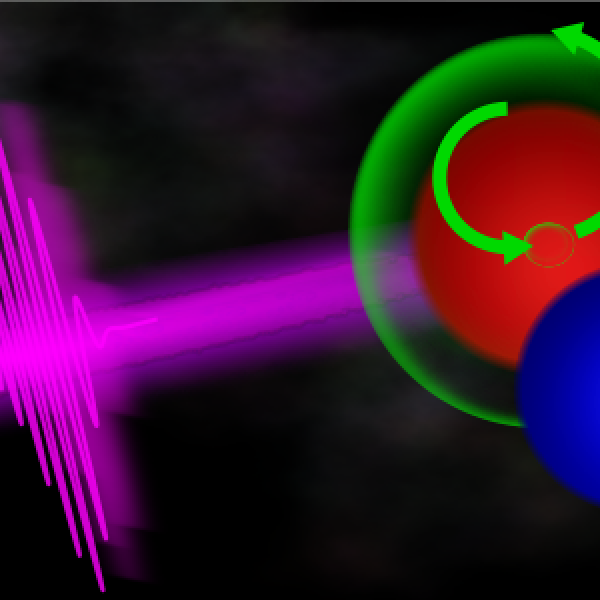
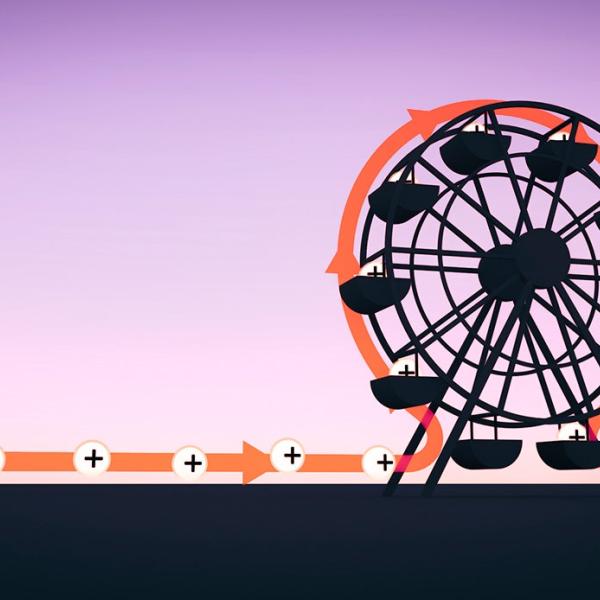
Researchers demonstrate a new ability to drive and track electronic motion, which is crucial to understanding the role of electrons in chemical processes and how quantum coherence evolves on the shortest timescales.
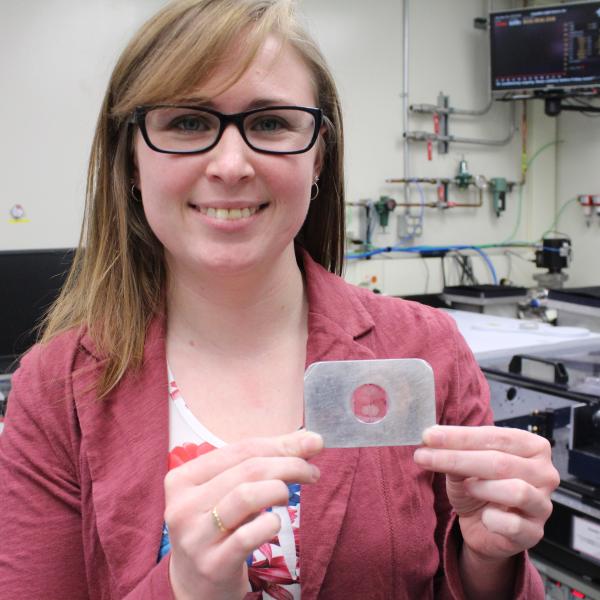
Using SLAC’s synchrotron, Summers improves fundamental knowledge of the role of copper in the brain and investigates treatments for Alzheimer’s disease.
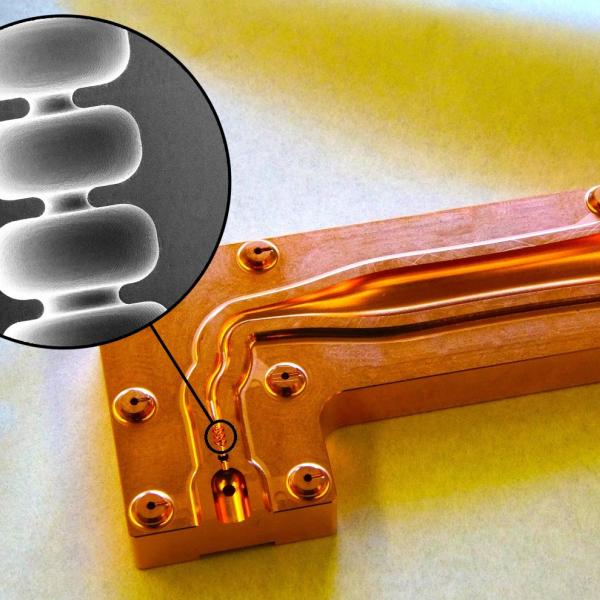
Institute of Electrical and Electronics Engineers recognizes his contributions to developing electron beams that power unique ‘electron cameras’ and could advance X-ray lasers.
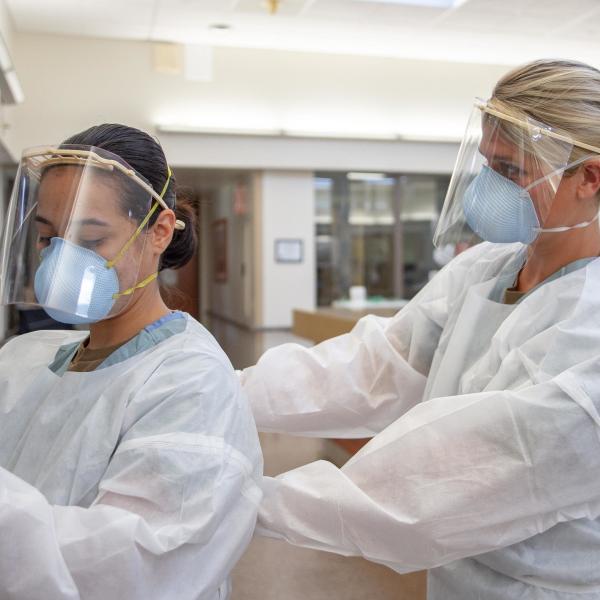
They found that gently heating N95 masks in high relative humidity could inactivate SARS-CoV-2 virus trapped within the masks, without degrading the masks’ performance.
Presented by Zeeshan Ahmed. Shortly after the birth of the universe, space was filled by a plasma that was literally red-hot. The light radiated by that plasma has traveled the vast emptiness of space for billions of years, with the...
Daniel Ratner, head of SLAC’s machine learning initiative, explains the lab’s unique opportunities to advance scientific discovery through machine learning.
Cryan is an investigator with the Stanford PULSE Institute at SLAC, while Marsden is an associate professor of pediatrics and of bioengineering at Stanford.