Understanding nature’s process could inform the next generation of artificial photosynthetic systems that produce clean and renewable energy from sunlight and water.
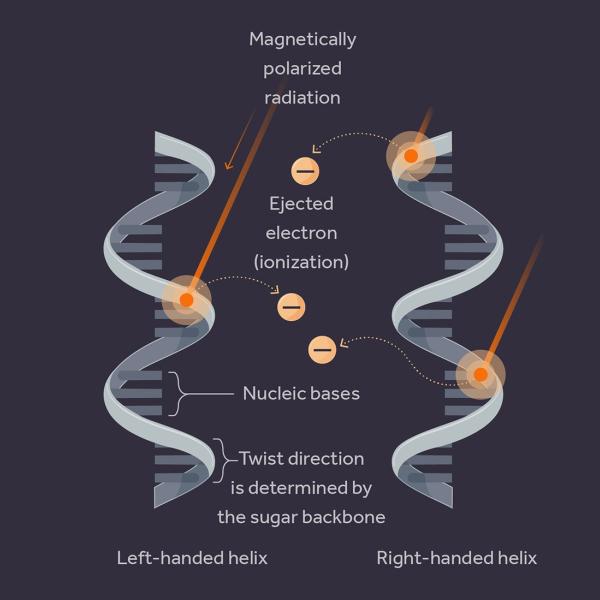
Physicists at SLAC and Stanford propose that the influence of cosmic rays on early life may explain nature’s preference for a uniform “handedness” among biology’s critical molecules.
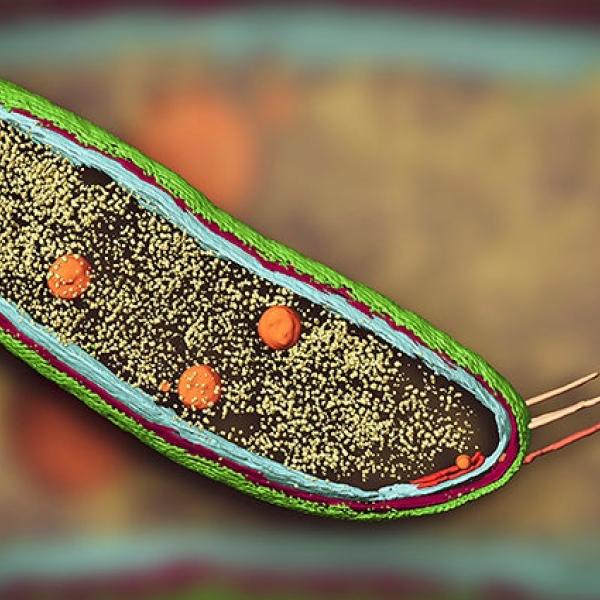
Researchers expect the new method to answer fundamental questions in biology and materials science. First up: Images showing molecules that help guide cell division in bacteria.
Blandford’s major contributions range from energetic jets ripping forth from colossal black holes to cosmic “magnifying” glasses to gravitational waves.
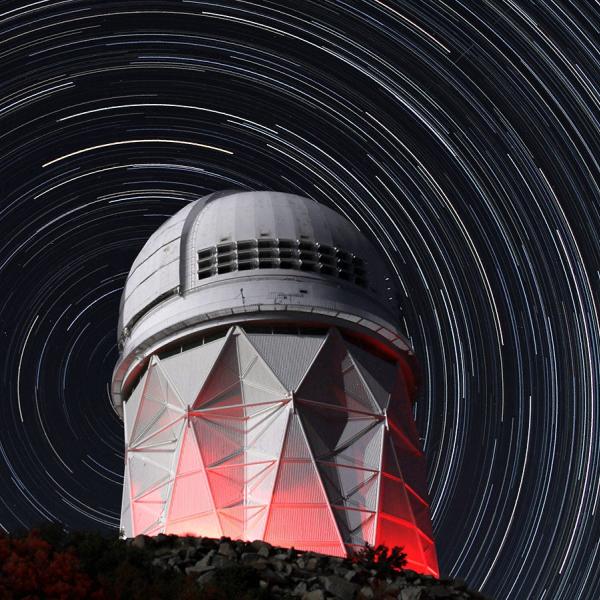
The Dark Energy Spectroscopic Instrument, which will map millions of galaxies in 3D from a mountaintop in Arizona, has reached its final milestone toward its startup.
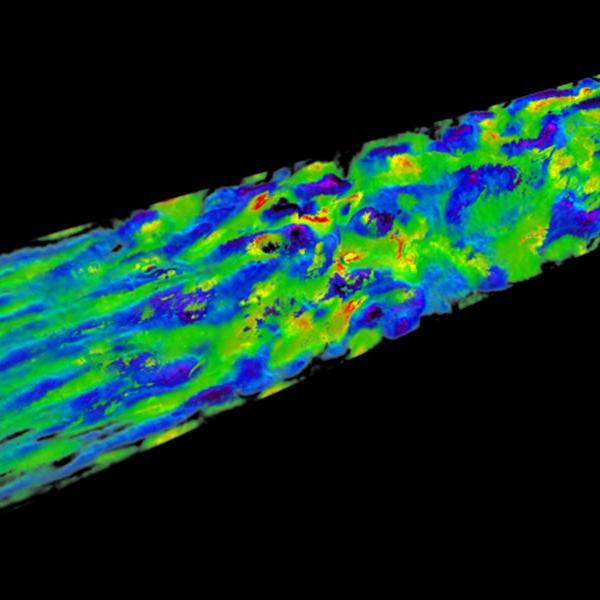
In experiments at the National Ignition Facility, a SLAC-led team found new details about how supernovas boost charged particles to nearly the speed of light.
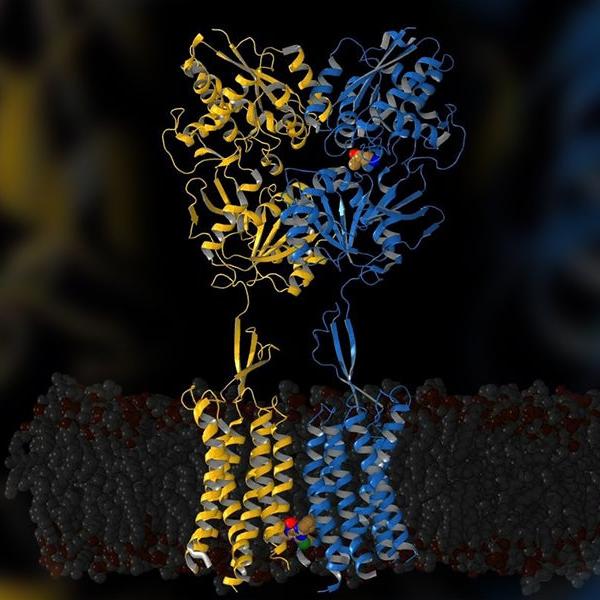
For the first time, scientists have revealed the steps needed to turn on a receptor that helps regulate neuron firing. The findings might help researchers understand and someday treat addiction, psychosis and other neuropsychological diseases.