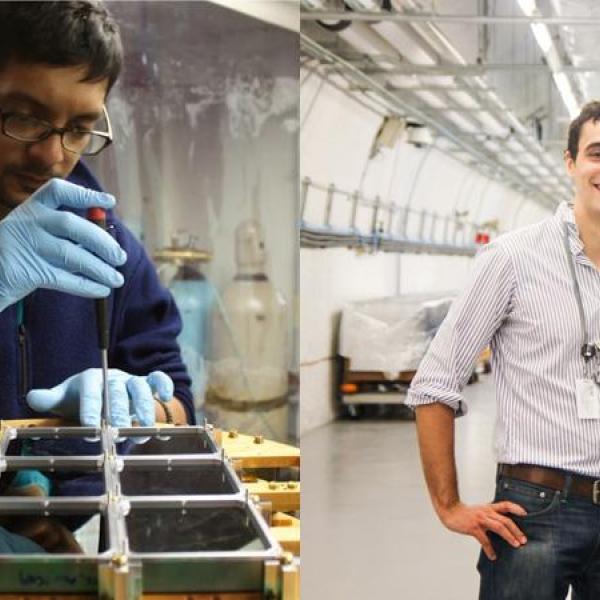
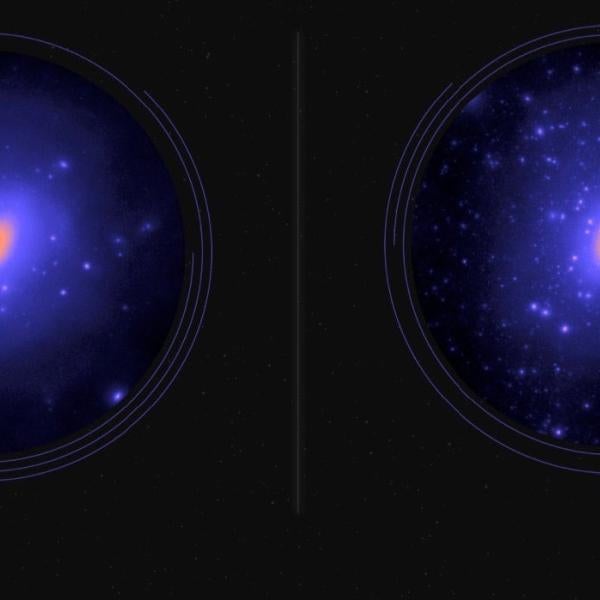
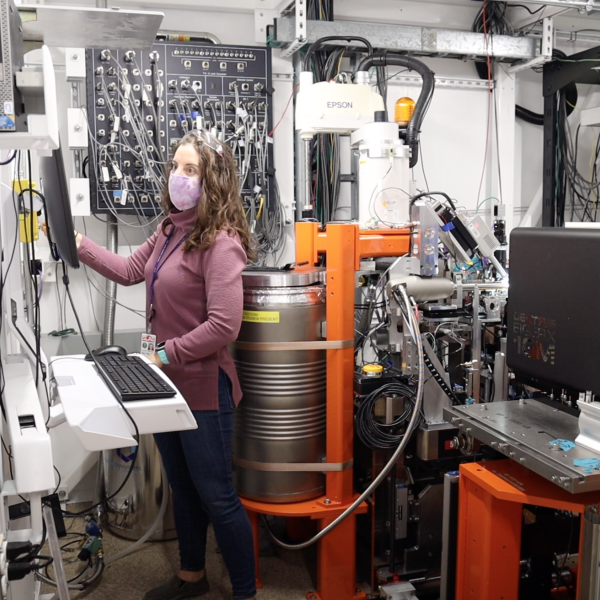
The fellowship will support their research on new capabilities for the lab's X-ray free-electron lasers and new telescope technology to look for signs of cosmic inflation.
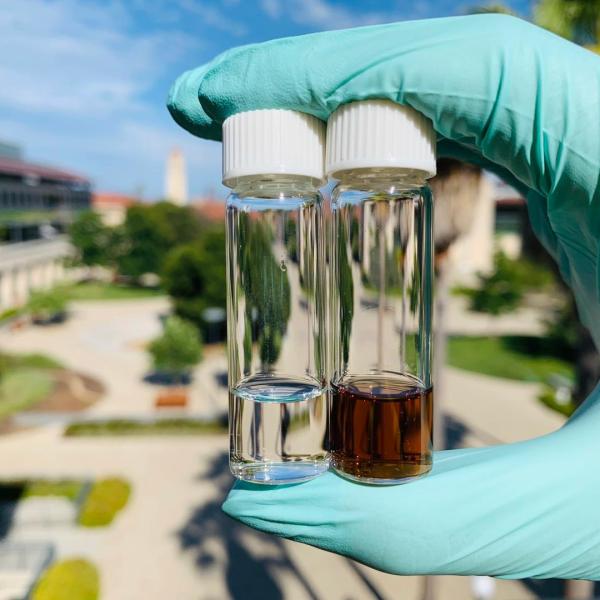
They discovered the messy environment of a chemical reaction can actually change the shape of a catalytic nanoparticle in a way that makes it more active.
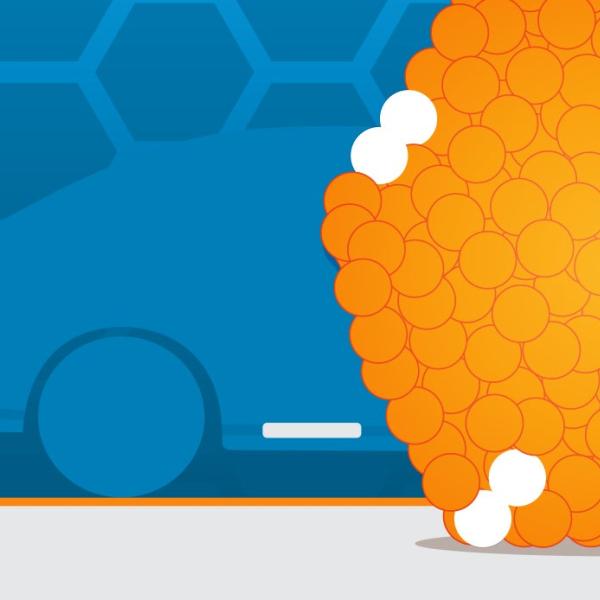
A new lithium-based electrolyte invented by Stanford University scientists could pave the way for the next generation of battery-powered electric vehicles.
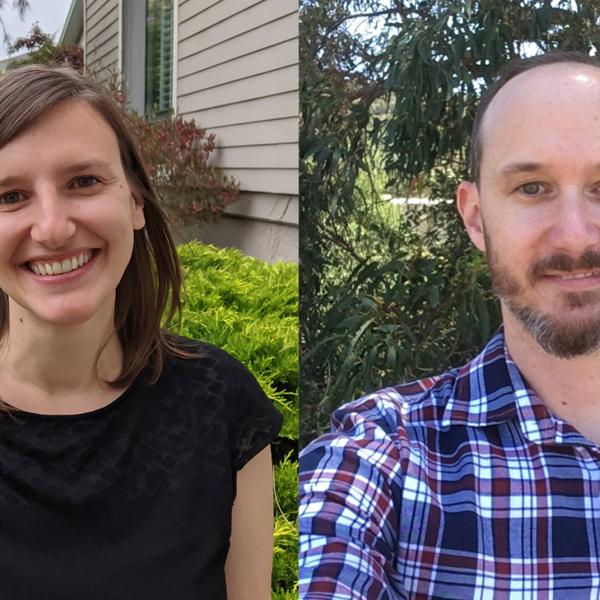
The prestigious awards provide at least $2.5 million over five years in support of their work in understanding photochemical reactions and improving accelerator beams.
Researchers have invented a way to slide atomically-thin layers of 2D materials over one another to store more data, in less space and using less energy.
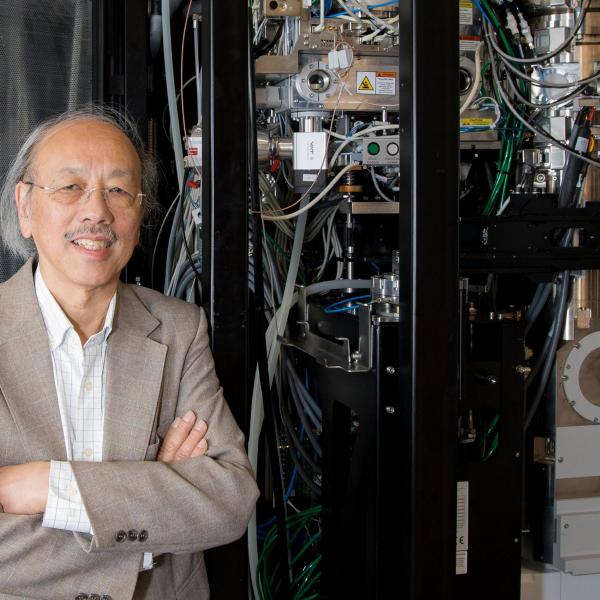
A pioneer in developing methods for cryogenic electron microscopy, he directs two joint facilities for cryo-EM research and development on the SLAC campus.
In a new perspective, SLAC and University of Paderborn scientists argue that research at synchrotrons could help improve water-purifying materials in ways that might not otherwise be possible.