The team developed a platform that uses powerful X-rays from the lab’s LCLS X-ray laser to resolve for the first time the evolution of instabilities in high-density plasmas.
SLAC and Stanford researchers have developed a breakthrough technique that quantifies energy dissipation in complex, small systems, offering insights into energy use, efficiency, and...
Pages from the Codex Climaci Rescriptus palimpsest from the Museum of the Bible in Washington, DC, were brought to the Stanford Synchrotron Radiation Lightsource...
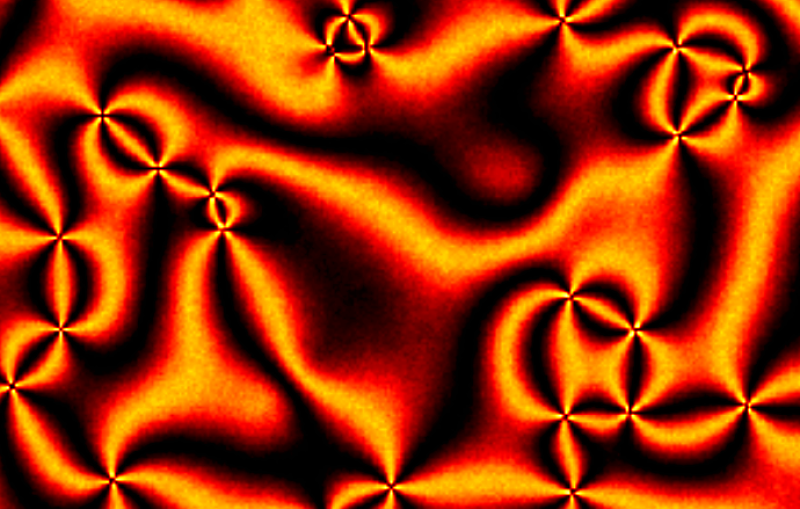
Imaging at SLAC's synchrotron demonstrates the twisted structures’ exotic properties that could benefit the development of superconductors and quantum materials.
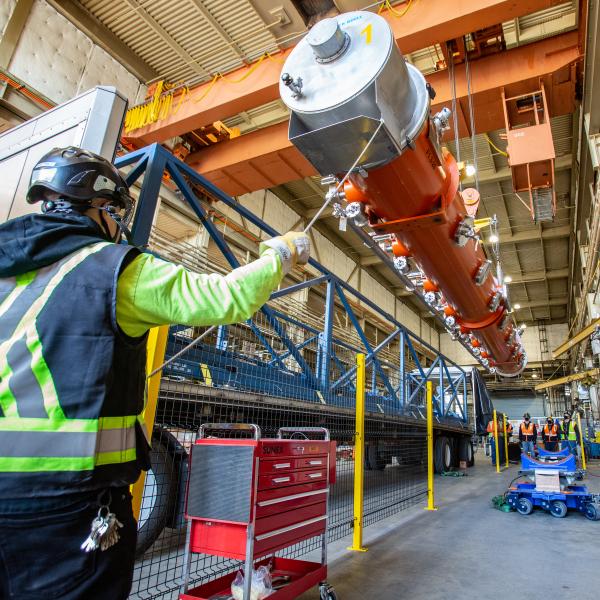
An upgrade to SLAC’s renowned Linac Coherent Light Source will allow it to deliver X-ray laser beams that are 10,000 times brighter with pulses that arrive up to a million times per second.
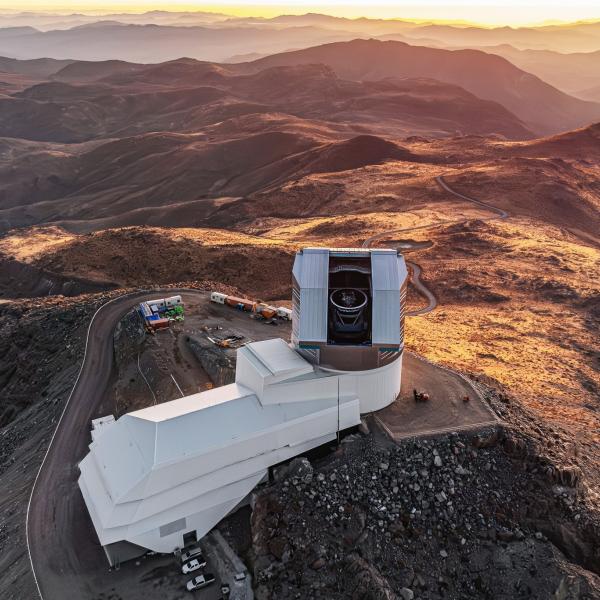
Learn more about the LSST Camera for the NSF-DOE Vera C. Rubin Observatory in Chile. SLAC National Accelerator Laboratory led the construction of the LSST Camera – the largest digital camera ever built for astrophysics and cosmology.
SLAC is uniquely equipped to study viruses like SARS-CoV-2; in fact, we’ve been doing it for decades. This news collection gathers the latest information on COVID-19 research at SLAC.
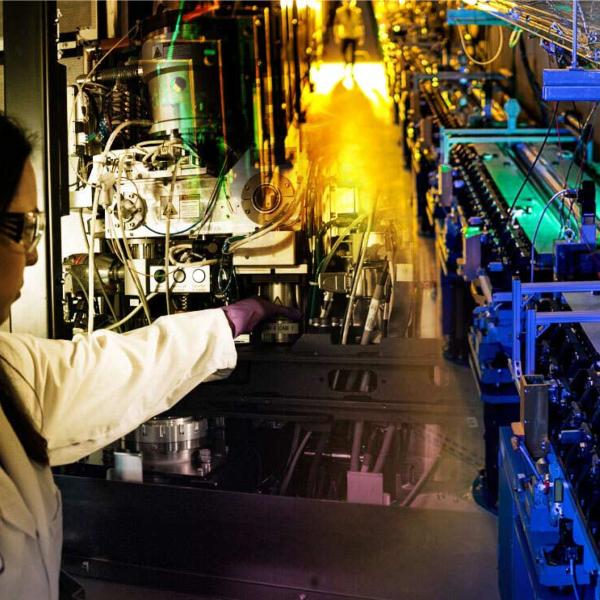
On April 20, 2023 we celebrated 50 years of transformative science at SSRL. This unique event acknowledged many individuals who have made SSRL such a vital and impactful facility through partnerships among SSRL users and staff that fuel our success.