
SLAC topics

X-ray light sources and electron imaging RSS feed

X-ray light sources and electron imaging are advanced techniques used to study the structure and properties of materials. X-ray light sources use high-energy photons to produce X-rays, while electron imaging uses high-energy electrons to produce detailed images of samples. 

Browse tagged content

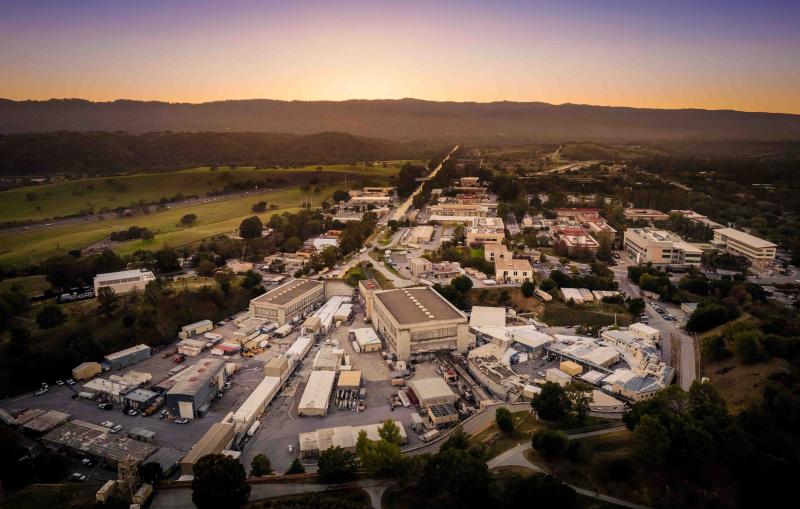
Aerial view of SLAC
Feature

The results show how a particle’s surface and interior influence each other, an important thing to know when developing more robust batteries.

Closeup of an illustration showing how battery cathode material degrades
News Brief

University of Alberta researchers worked with SLAC X-ray scientists to explore the potential of a feline coronavirus drug that may be effective against SARS-CoV-2.

Feature

Q-NEXT will tackle next-generation quantum science challenges through a public-private partnership, ensuring U.S. leadership in an economically crucial arena.

QIS public-private partnership.
Feature

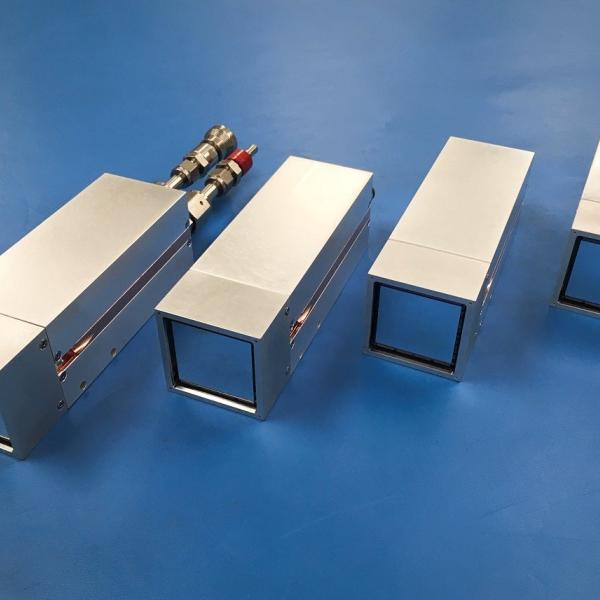
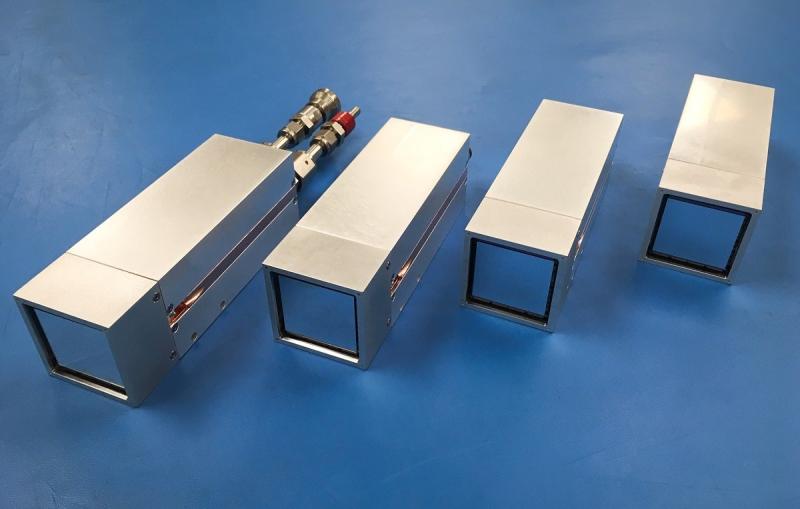
The ePix10k detector is ready to advance science at SLAC’s Linac Coherent Light Source X-ray laser and at facilities around the world.

ePix10k
News Brief

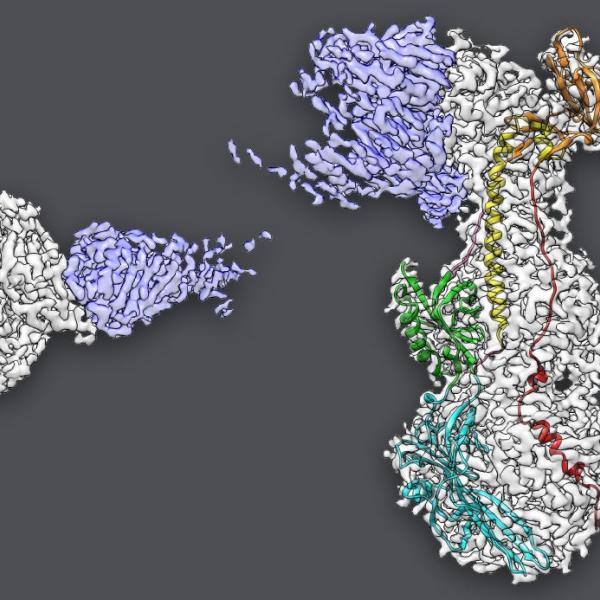
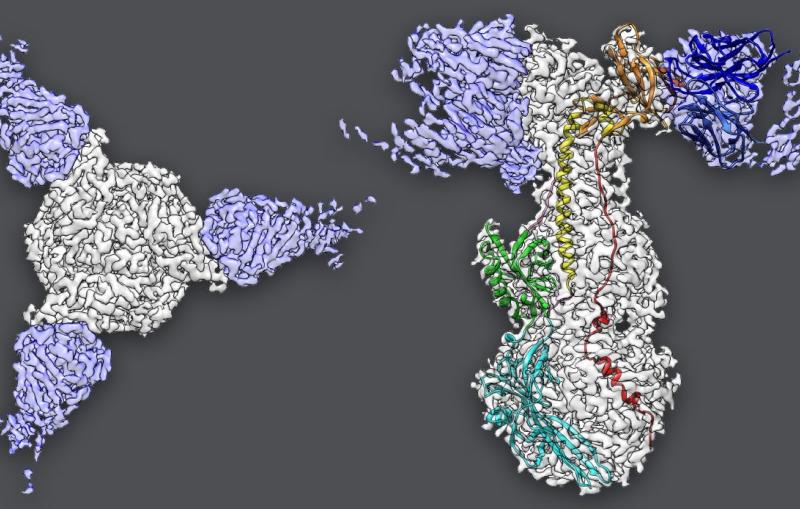
Stanford and SLAC scientists studying the varicella zoster virus found that an antibody that blocks infection doesn’t work exactly as they’d thought.

Images extracted from cryo-EM data
Feature

The technique could improve the efficiency of data collection and pave the way for new kinds of experiments.

undulatorhall
News Brief

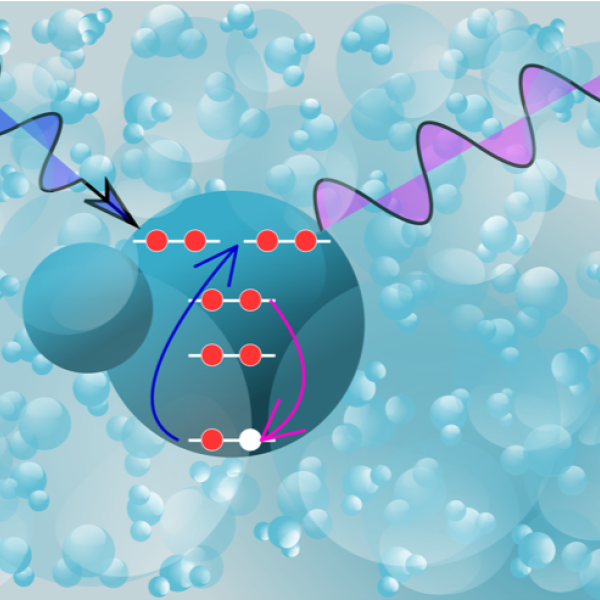
The technique they used will offer insight into many different chemical reactions.

hydroxyl radical
Photograph
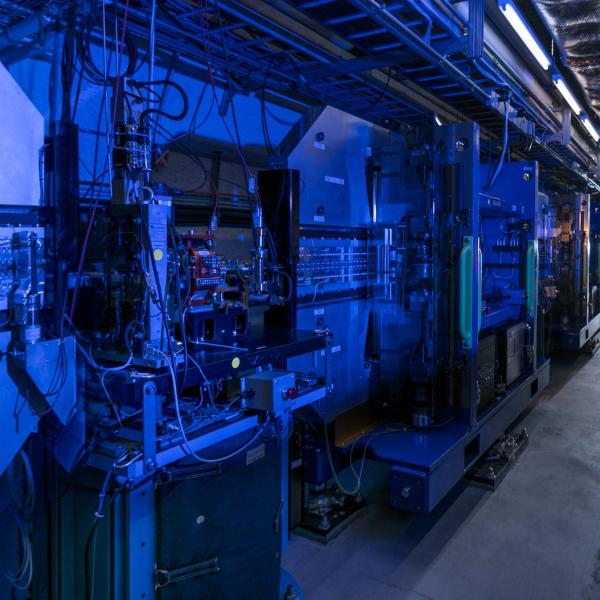
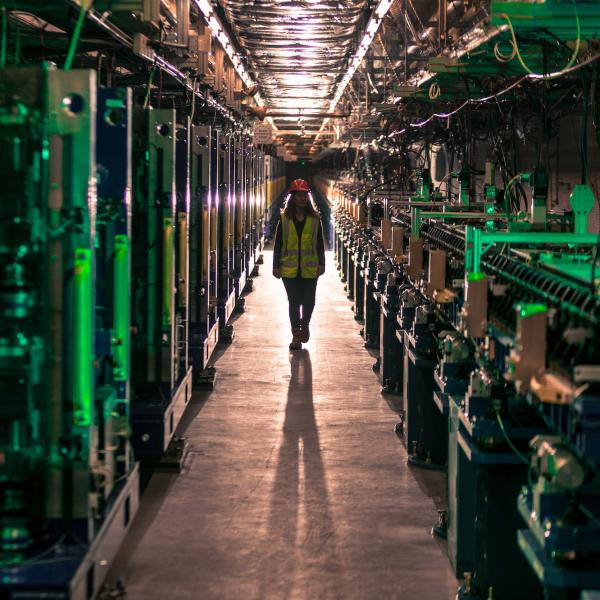
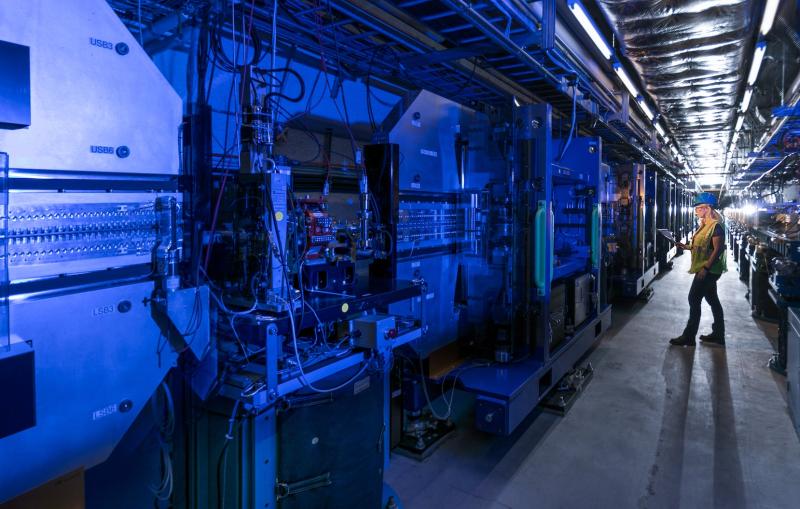
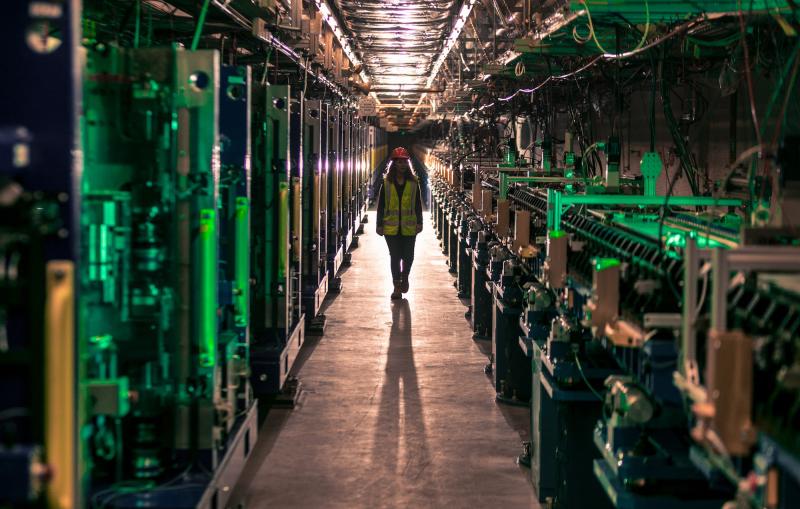
The original LCLS undulator system was removed and replaced with two totally new systems that offer dramatic new capabilities. 
New undulator hall
News Release

Marking the beginning of the LCLS-II era, the first phase of the major upgrade comes online.

New undulator hall
Feature

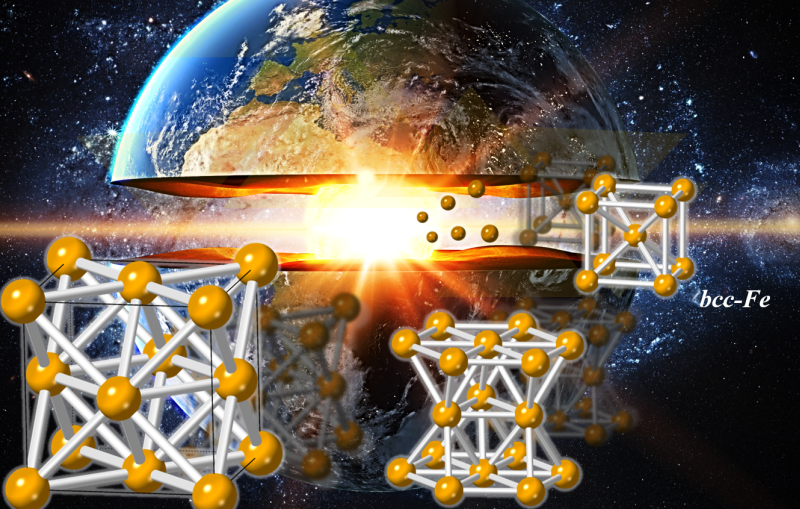
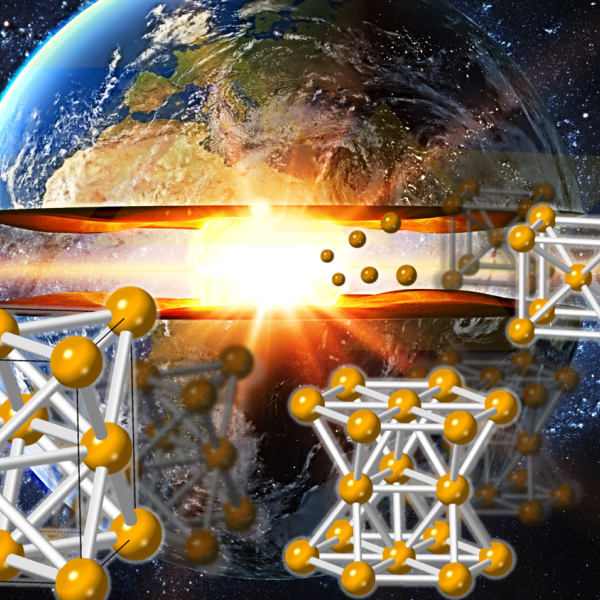
New research could offer insights into the formation of planets like Earth and inform the design of more resilient materials.

Iron impact header
Feature

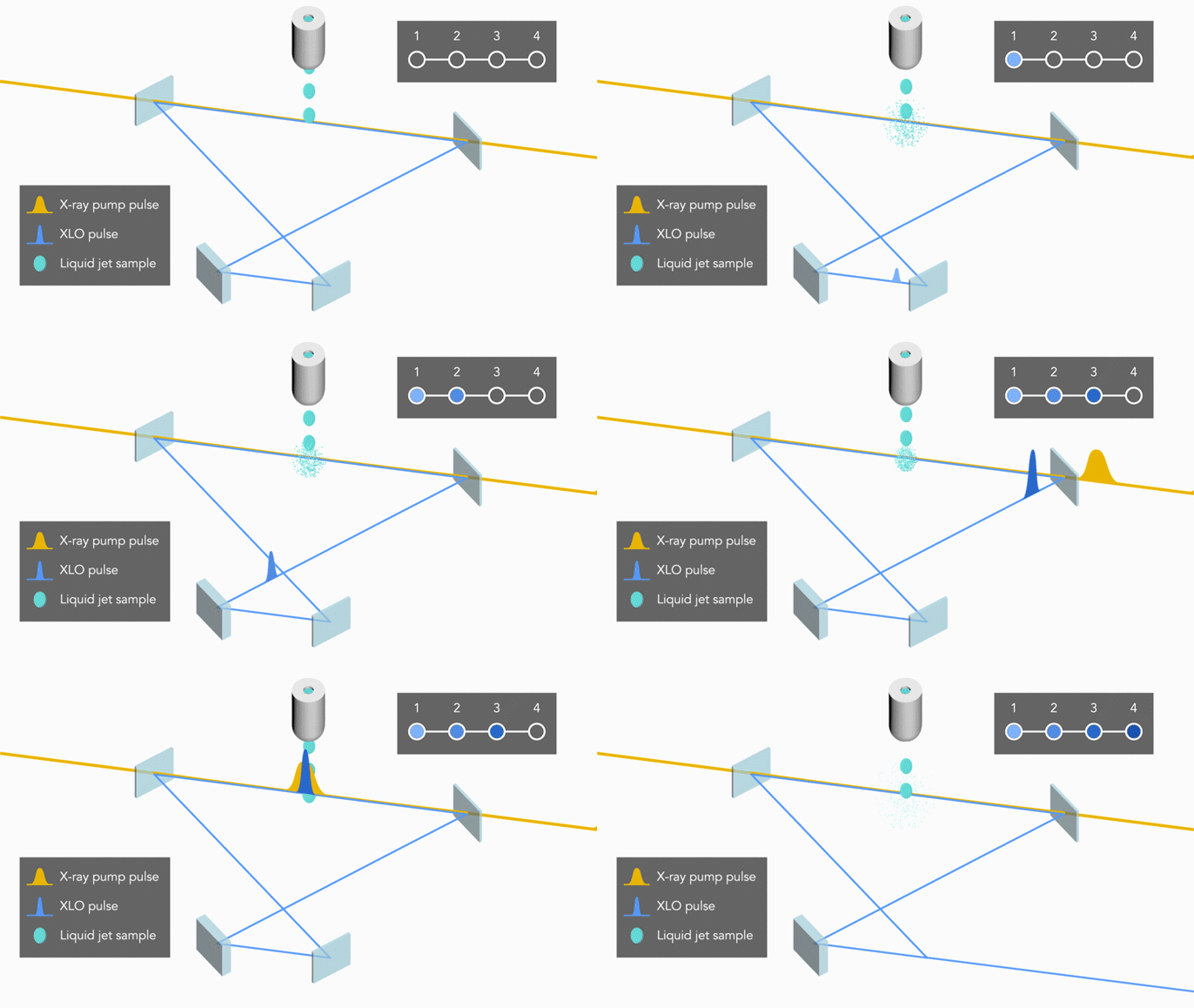
A proposed device could expand the reach of X-ray lasers, opening new experimental avenues in biology, chemistry, materials science and physics.

x-ray laser oscillator
Feature

The prestigious awards provide at least $2.5 million over five years in support of their work in understanding photochemical reactions and improving accelerator beams.

SLAC staff scientists Amy Cordones-Hahn and Brendan O'Shea