


SLAC topics

X-ray light sources and electron imaging RSS feed

X-ray light sources and electron imaging are advanced techniques used to study the structure and properties of materials. X-ray light sources use high-energy photons to produce X-rays, while electron imaging uses high-energy electrons to produce detailed images of samples. 
Browse tagged content

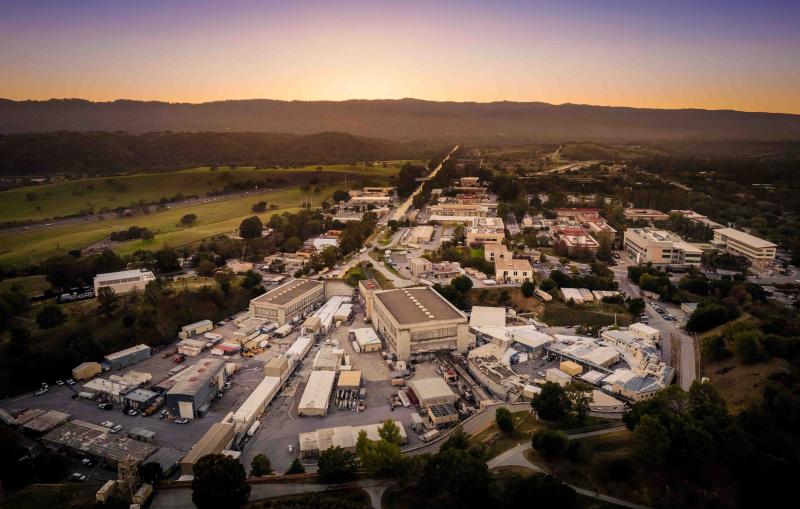
Aerial view of SLAC
Feature

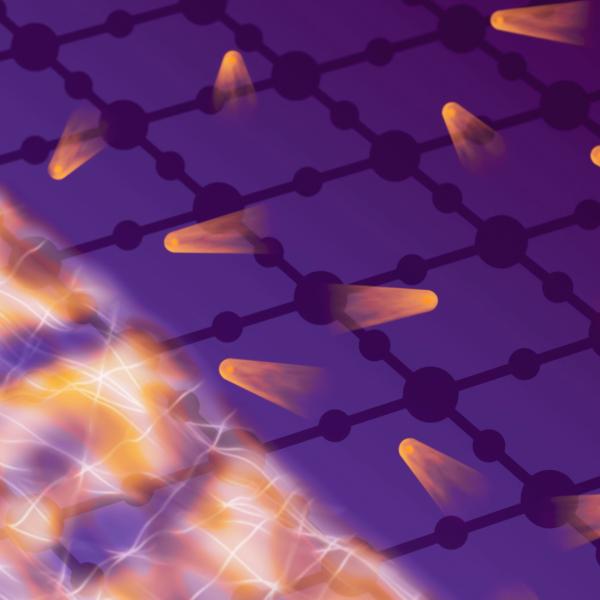
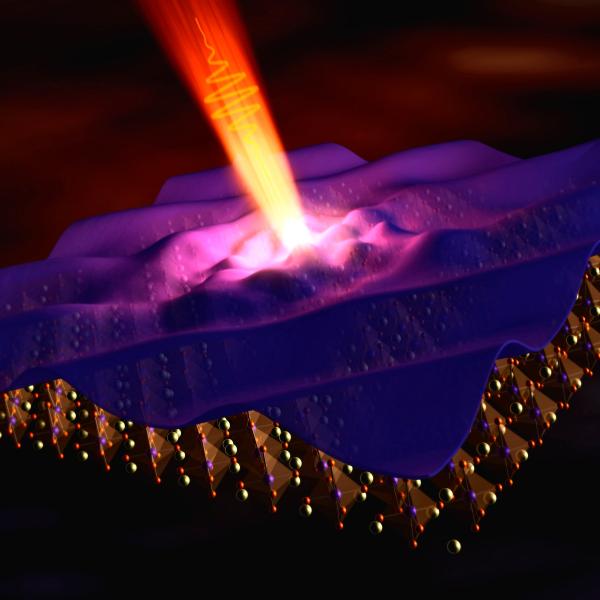
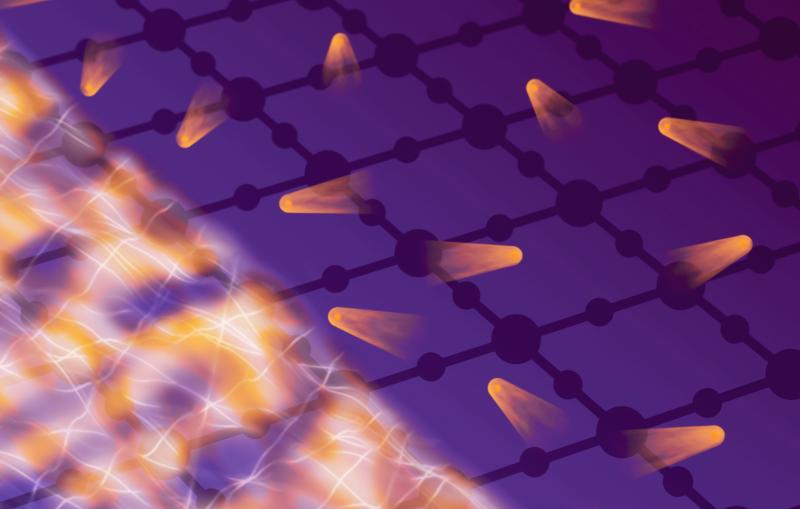
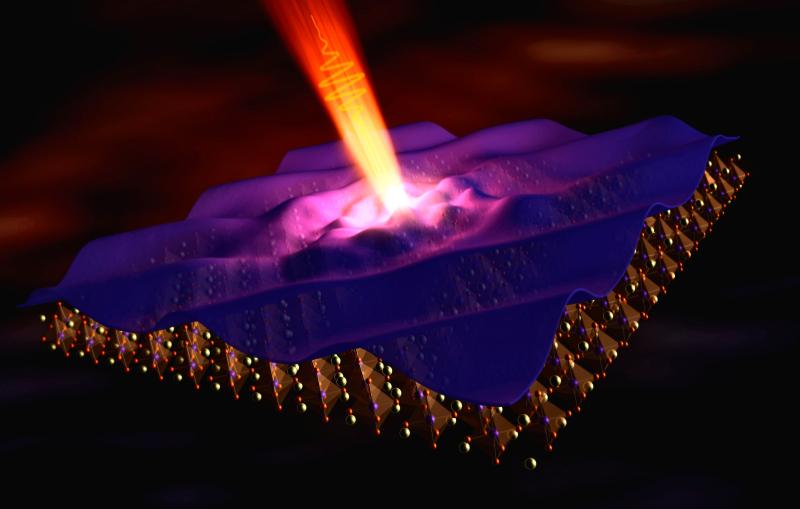
It reveals an abrupt transition in cuprates where particles give up their individuality. The results flip a popular theory on its head.

Illustration of abrupt transition in normal state of a cuprate
News Release

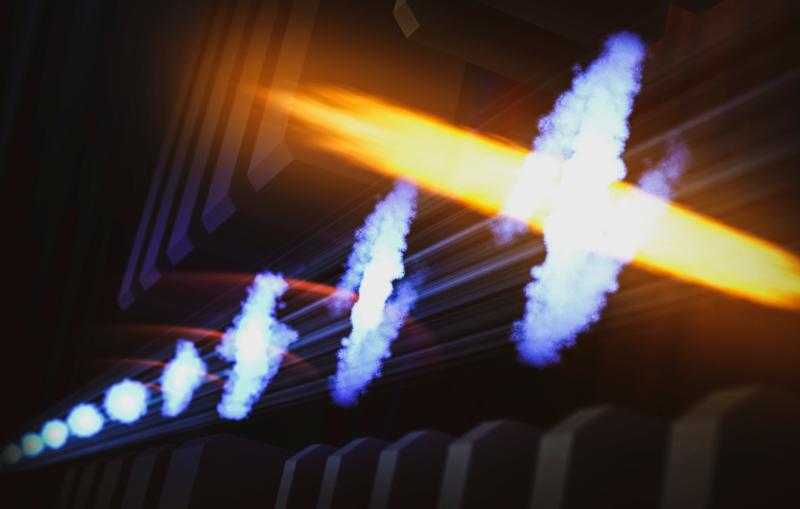
Called XLEAP, the new method will provide sharp views of electrons in chemical processes that take place in billionths of a billionth of a...

XLEAP illustration.
Feature

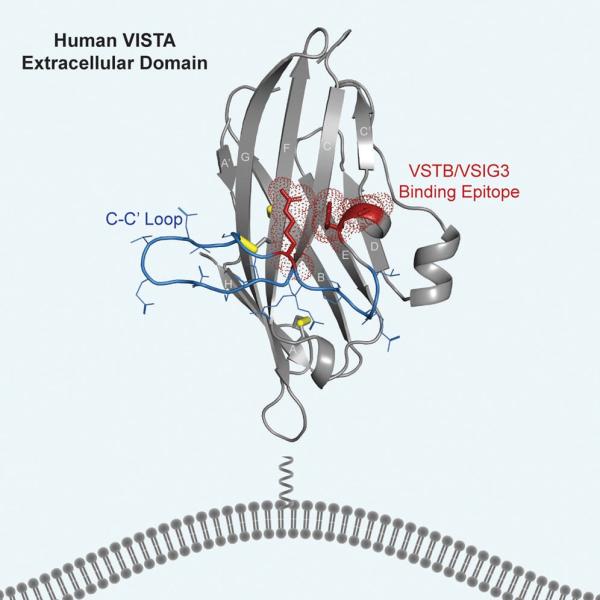
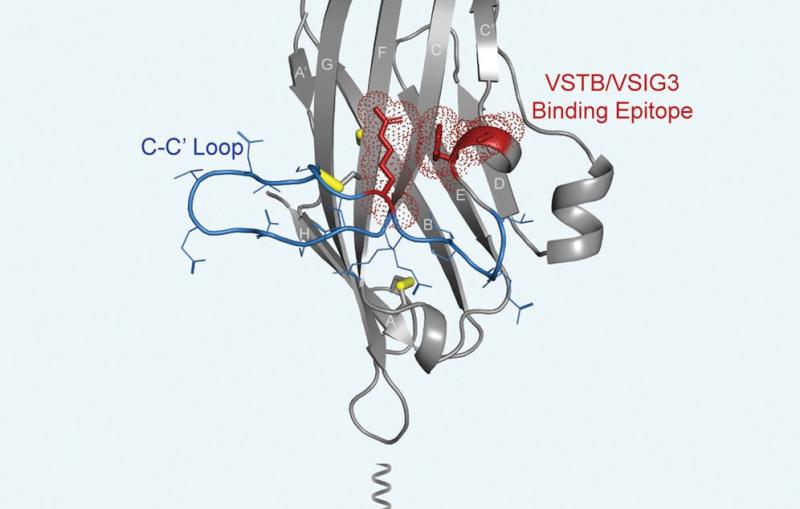
A better understanding of ‘checkpoint proteins,’ which protect cancer cells against immune system strikes, could lead to the development of more effective drugs.

VISTA
Feature

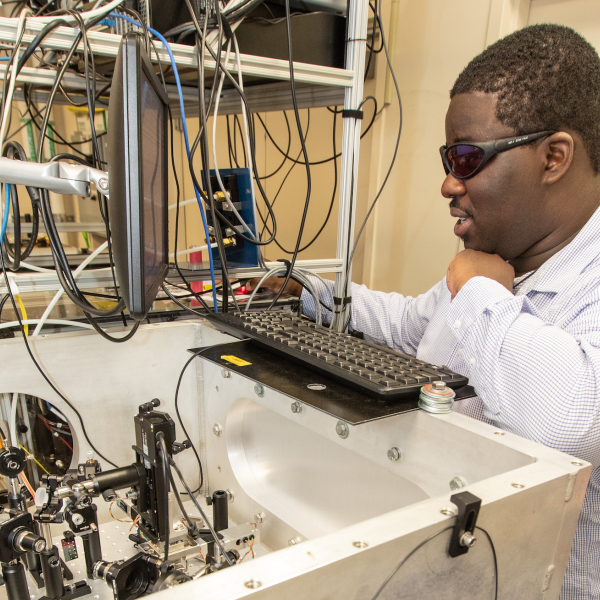
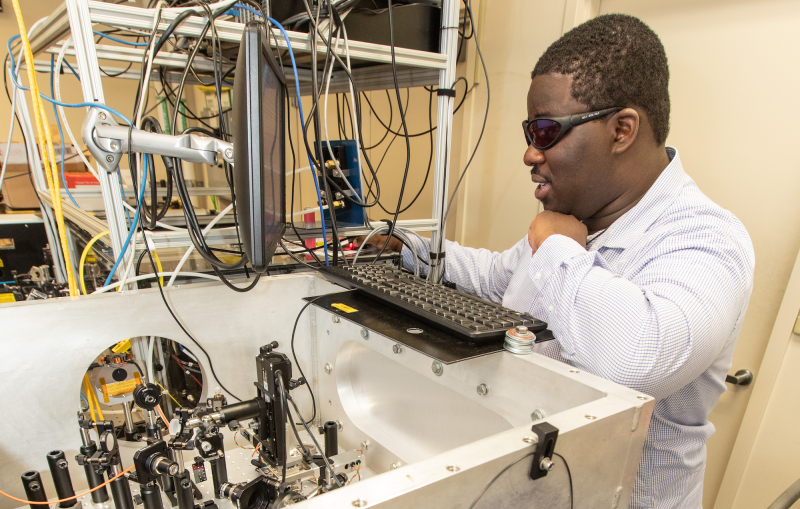
Chemist Ben Ofori-Okai investigates what happens to matter under extreme conditions at microscopic scales to better understand its behavior at massive scales, such as...

Ben Ofori-Okai
Feature

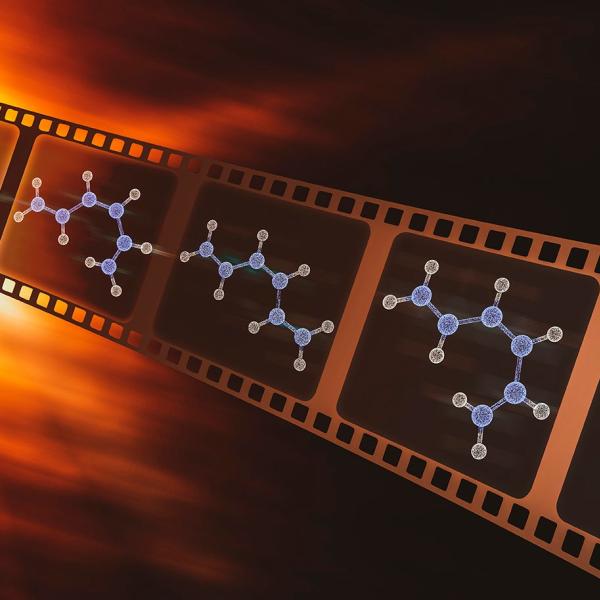
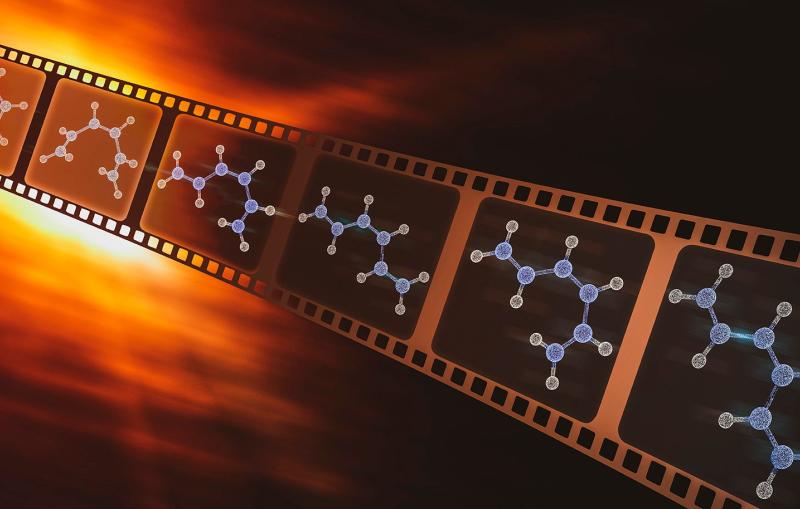
Molecular movie-making is both an art and a science; the results let us watch how nature works on the smallest scales.

Molecular movie frames for the light-triggered transition of the ring-shaped 1,3-CHD molecule.
Feature

The annual conference for scientists who conduct research at SLAC’s light sources engaged about 350 researchers in talks, workshops and discussions.

Users meeting
Feature

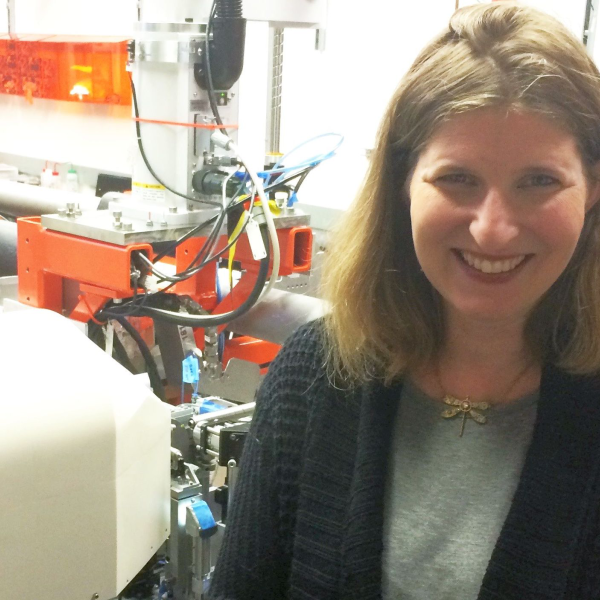
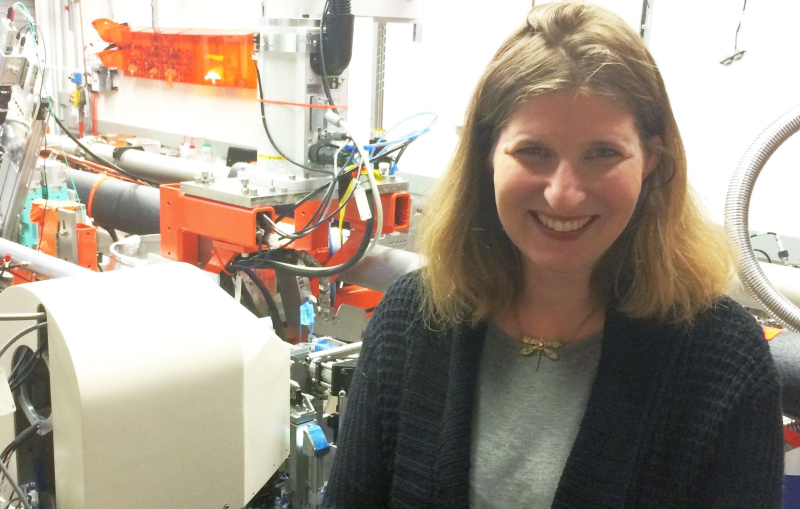
She is recognized for two decades of innovation and excellence at the Stanford Synchrotron Radiation Lightsource.

Aina Cohen
Feature

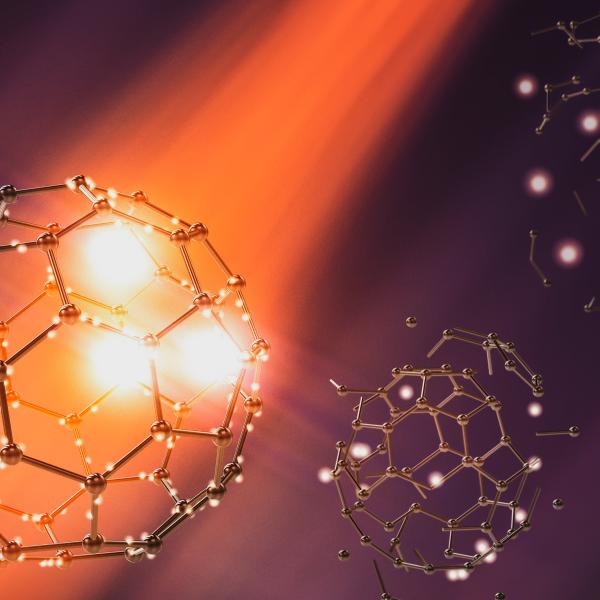
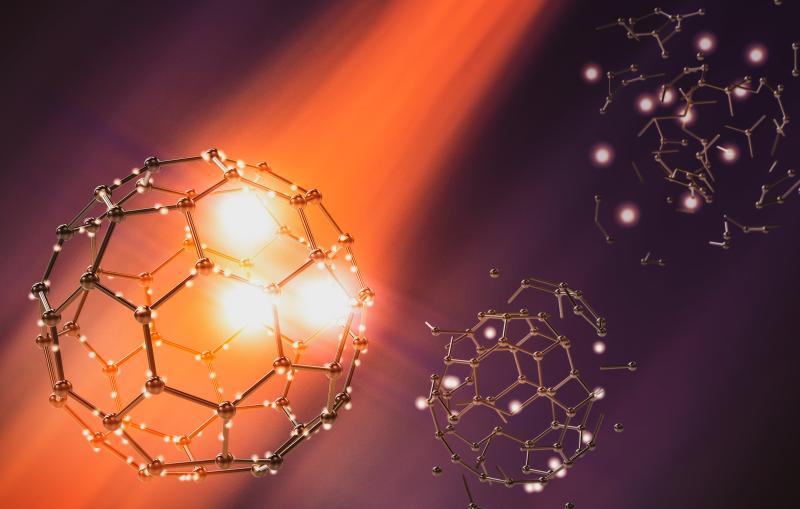
A new study shows how soccer ball-shaped molecules burst more slowly than expected when blasted with an X-ray laser beam.

Buckyballs
Feature

Early career award recognizes Mitrano’s work in ultrafast X-ray scattering.

Matteo Mitrano
Feature

Using SLAC’s X-ray synchrotron SSRL, Wang improves fundamental knowledge about how cells communicate, which could enable the development of more effective drugs.

Xinru Wang
Feature

The studies could lead to a new understanding of how high-temperature superconductors operate.

fluctuating charge stripes
Feature

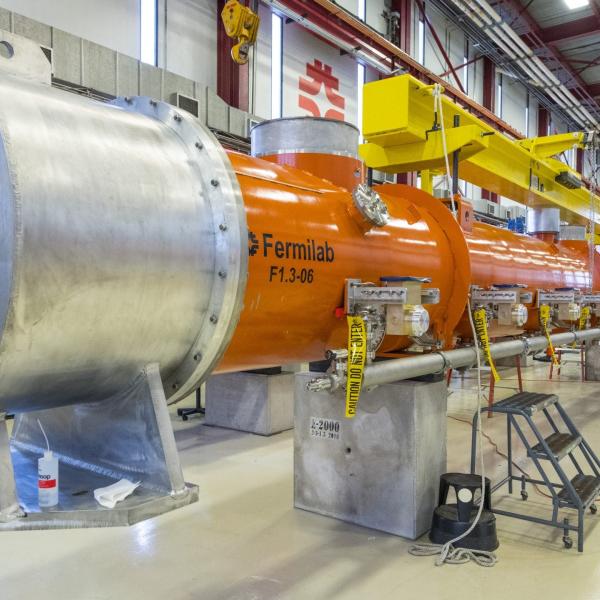
The next revolutionary X-ray laser in a class of its own, LCLS-II, is under construction at SLAC, with support from four other DOE national...