SLAC topics

X-ray light sources and electron imaging RSS feed

X-ray light sources and electron imaging are advanced techniques used to study the structure and properties of materials. X-ray light sources use high-energy photons to produce X-rays, while electron imaging uses high-energy electrons to produce detailed images of samples. 

Browse tagged content

Aerial view of SLAC
Photograph

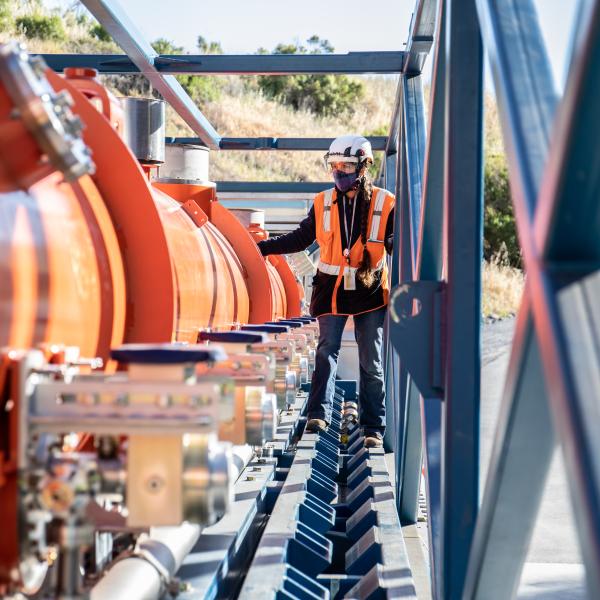
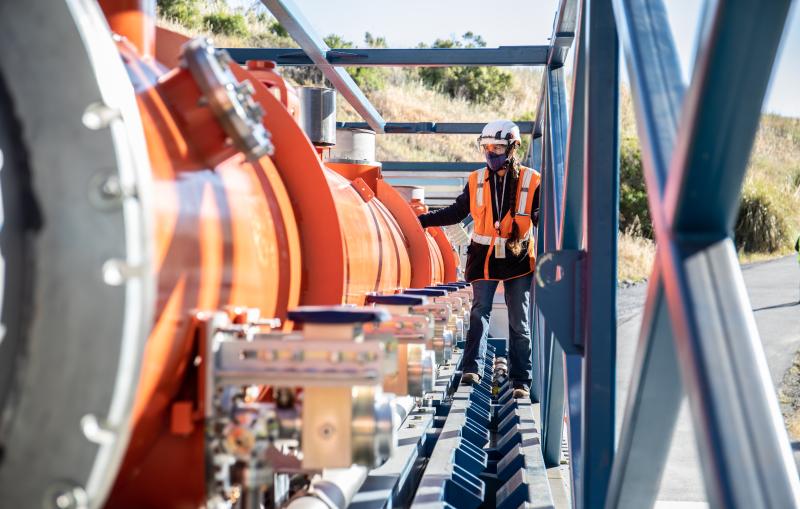
Last cryomodule unload, #41 from Fermilab F1.3-06. This one will be one of a few spares for LCLS-II. 

Last cryomodule unload, #41 from Fermilab F1.3-06. This one will be one of a few spares for LCLS-II.
Feature

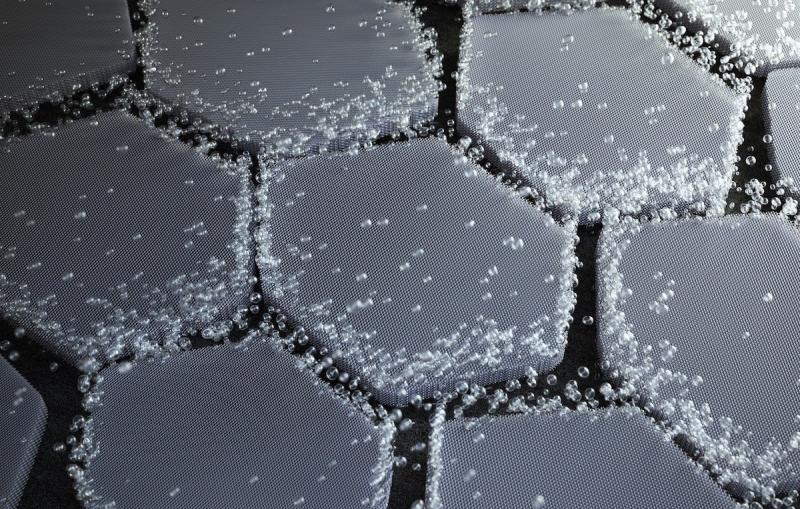
With a new suite of tools, scientists discovered exactly how tiny plate-like catalyst particles carry out a key step in that conversion – the...

Illustration of nanoscale catalyst particles.
Feature

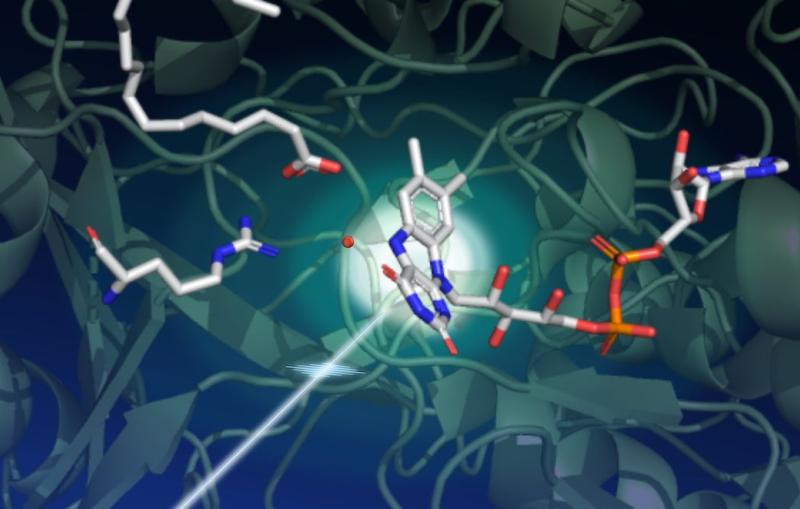
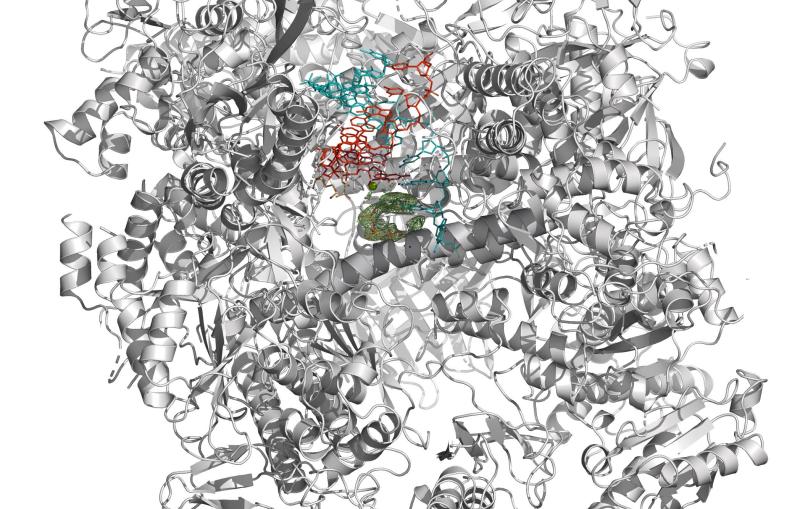
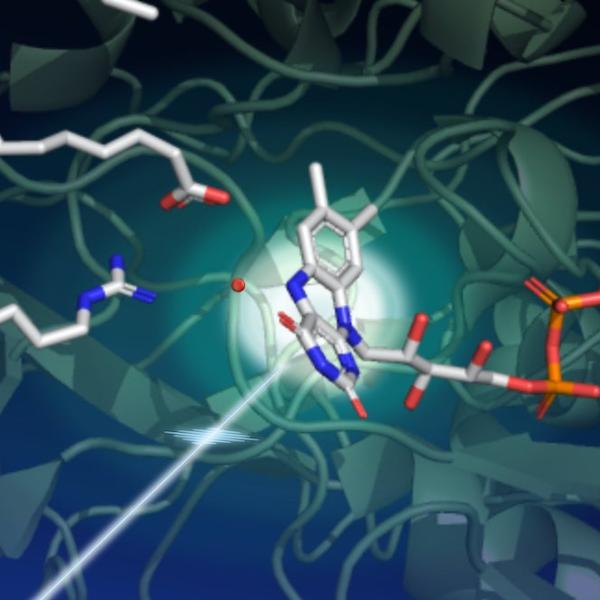
Derived from microscopic algae, the rare, light-driven enzyme converts fatty acids into starting ingredients for solvents and fuels.

Illustration of molecular structure of an enzyme that is powered by sunlight
Feature

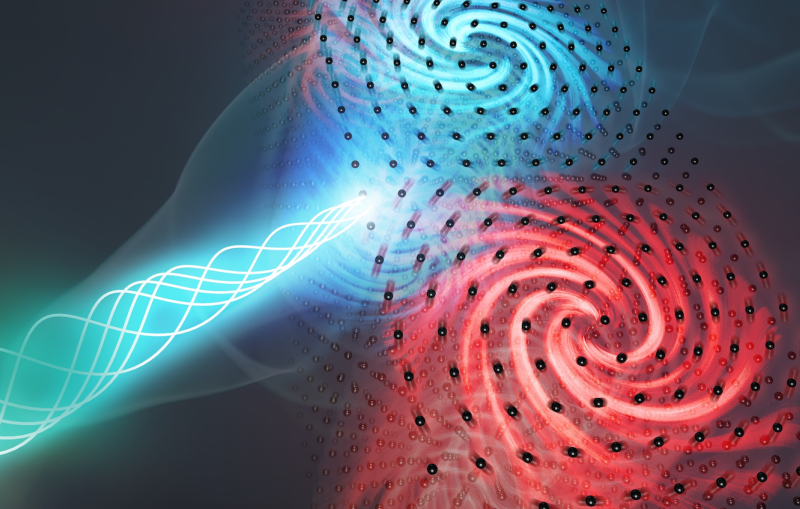
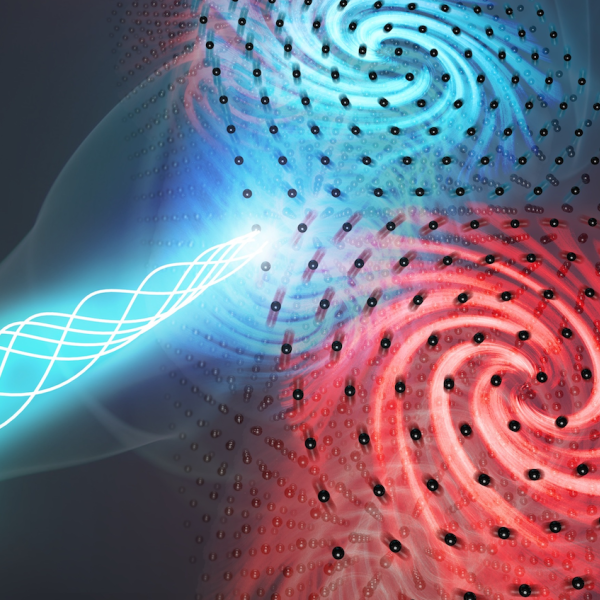
Exploring and manipulating the behavior of polar vortices in materials may lead to new technology for faster data transfer and storage.

polar vortices
News Brief

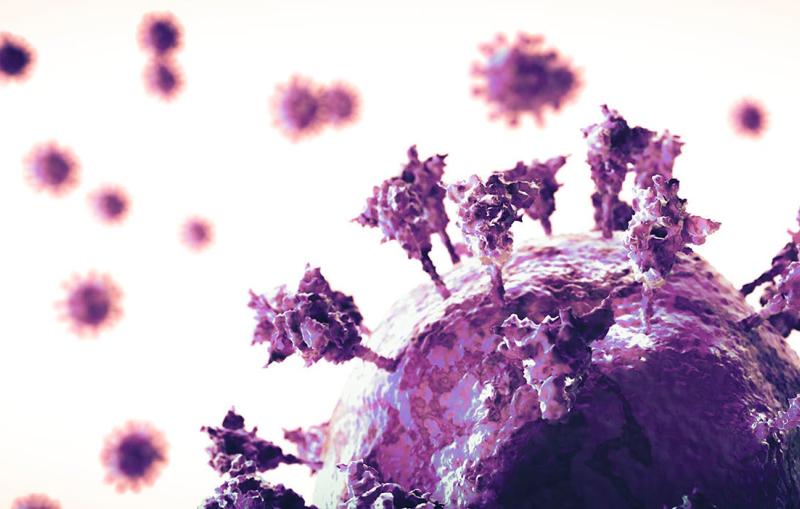
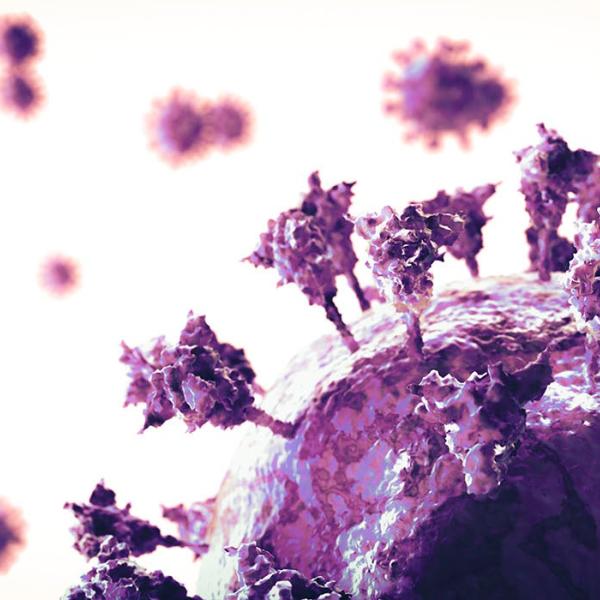
Two groups of researchers drew on SLAC tools to better understand how to target a key part of the virus that causes COVID-19.

Illustration of SARS-CoV-2, a round ball with spikes.
Feature

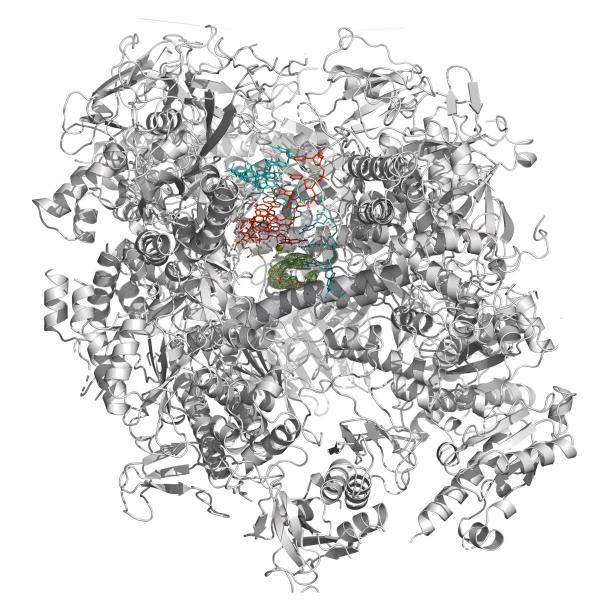
SSRL and LCLS scientists will help visiting research teams solve their experimental challenges, then apply what they’ve learned to help others work more efficiently.

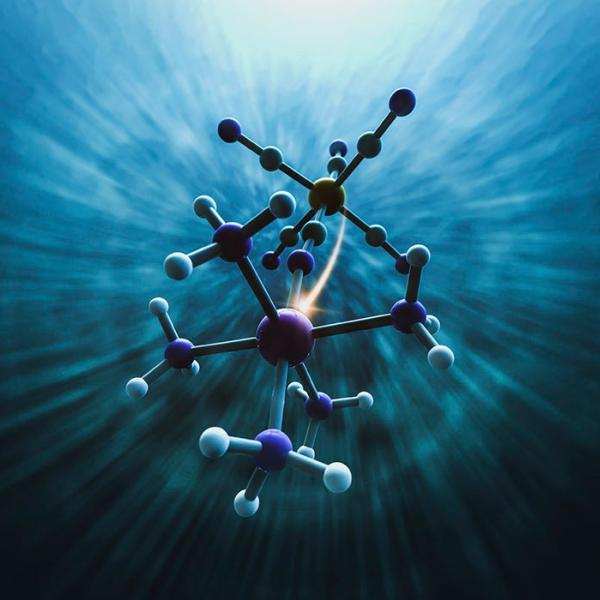
Diagram of a complex molecule
News Brief

It can help operators optimize the performance of X-ray lasers, electron microscopes, medical accelerators and other devices that depend on high-quality beams.

Artistic representation of a neural network superimposed on an electron beam profile
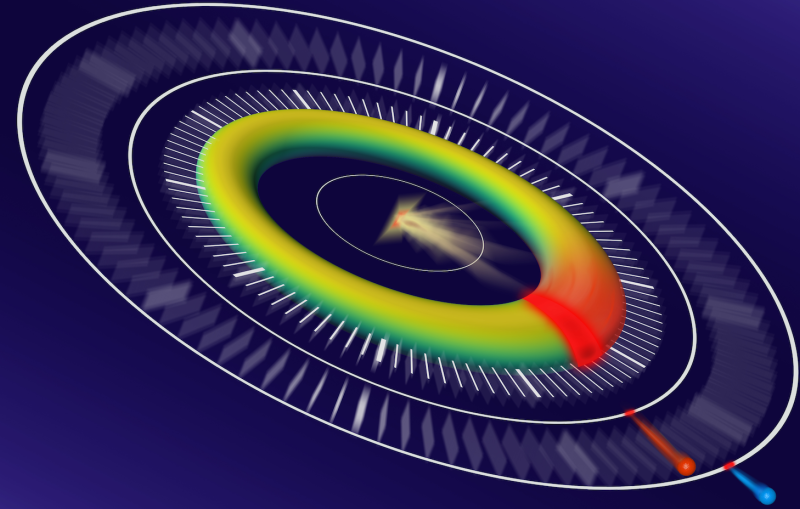
Feature

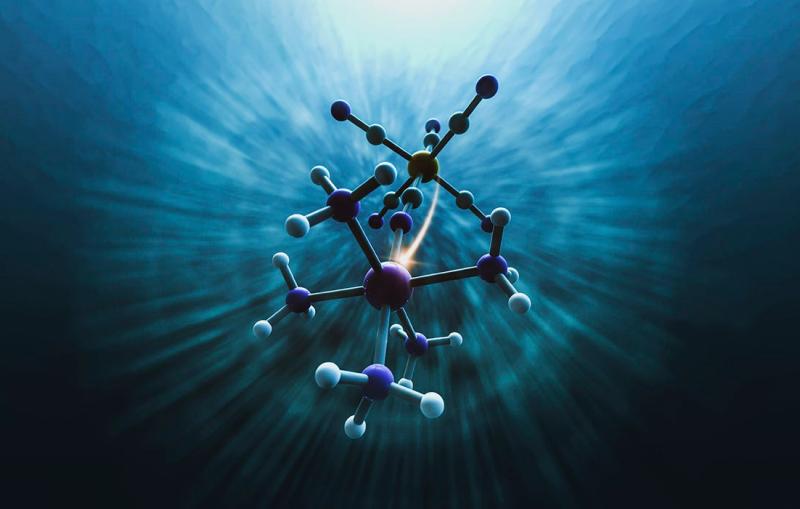
This new understanding could aid the development of more efficient clean energy sources.

electron transfer
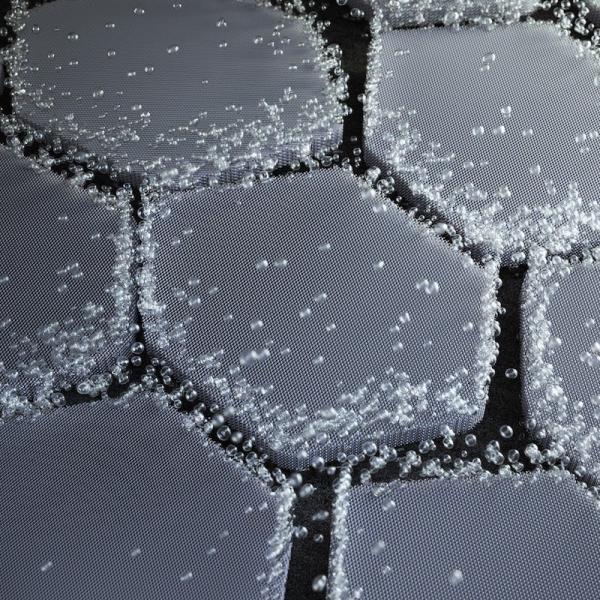
Feature

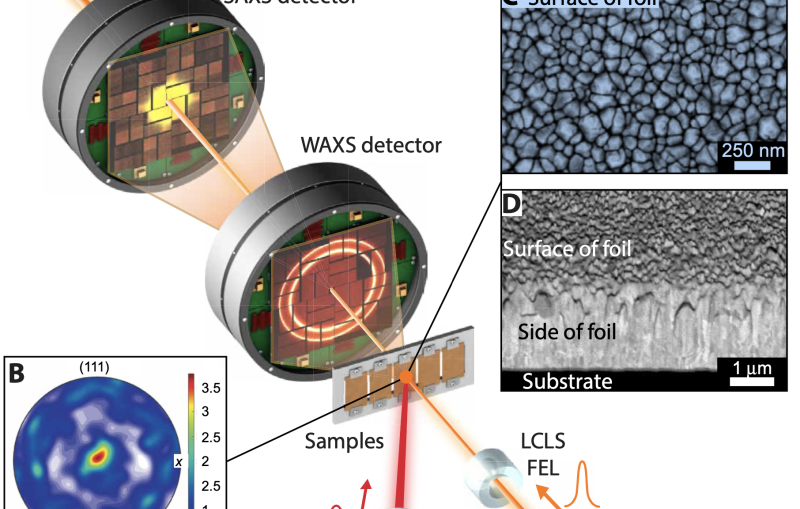
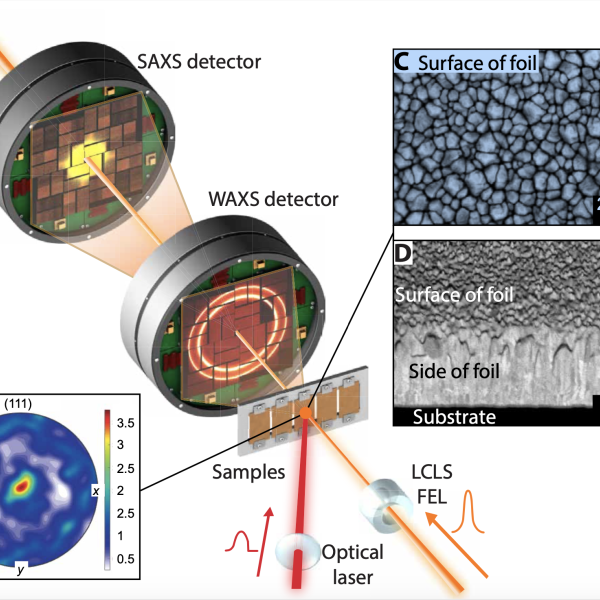
A better understanding of the failure process will help researchers design new materials that can better withstand intense events such as high-velocity impacts.

material failure
Feature

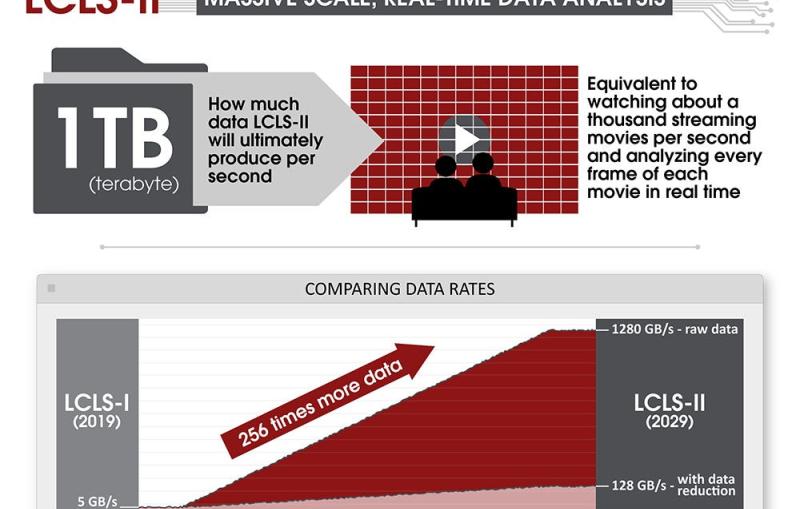
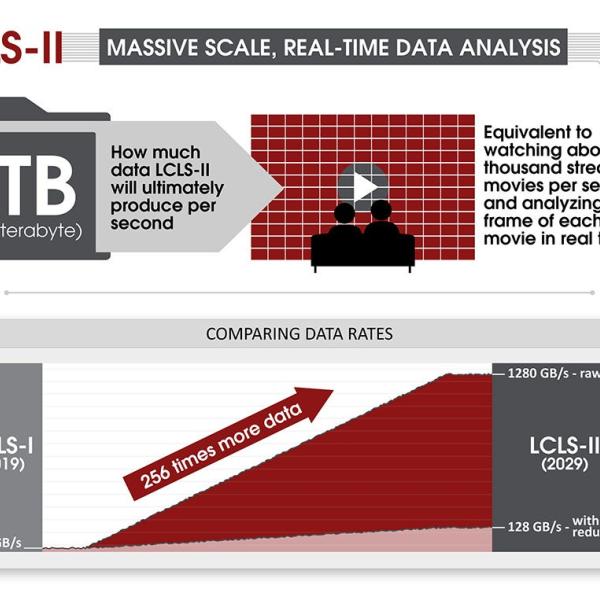
When upgrades to the X-ray laser at the Department of Energy’s SLAC National Accelerator Laboratory are complete, the powerful new machine will capture up...

Infographic on LCLS-II data.
Feature

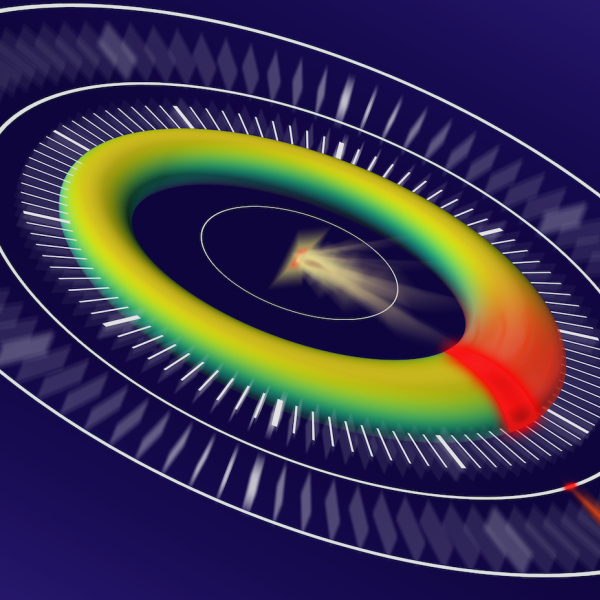
Scientists get dramatically better resolution at X-ray free-electron lasers with a new technique.

timingjitter
Feature

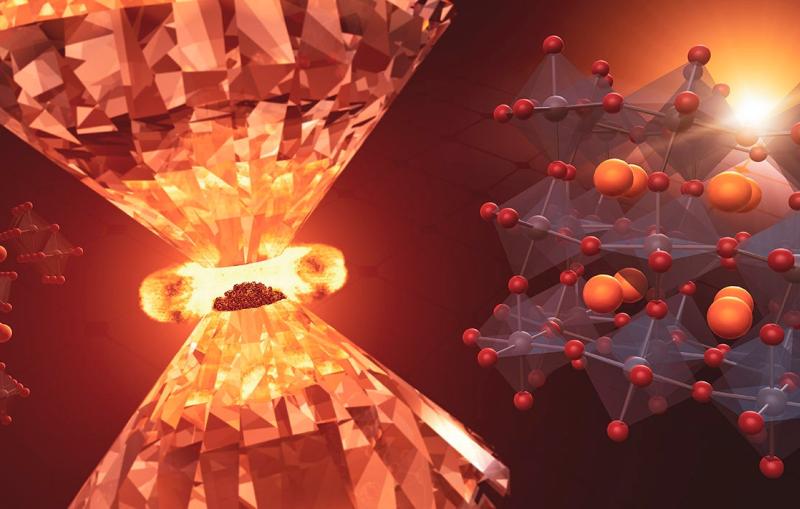
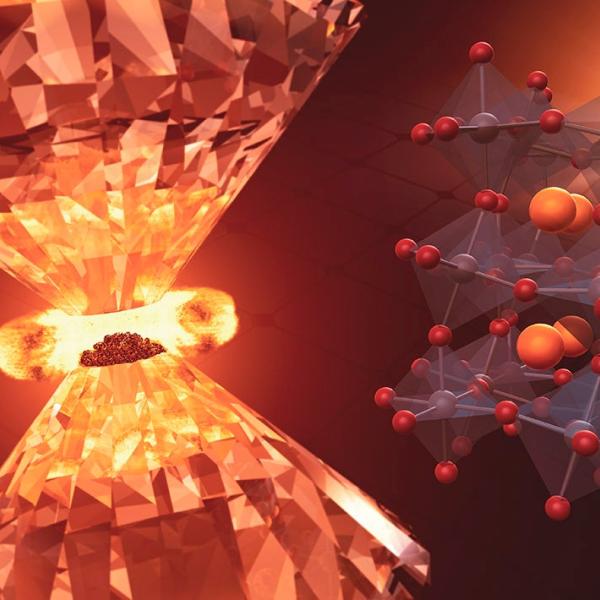
A promising lead halide perovskite is great at converting sunlight to electricity, but it breaks down at room temperature. Now scientists have discovered how...

Lead halide material being squeezed in a diamond anvil cell.