
SLAC topics

X-ray light sources and electron imaging RSS feed

X-ray light sources and electron imaging are advanced techniques used to study the structure and properties of materials. X-ray light sources use high-energy photons to produce X-rays, while electron imaging uses high-energy electrons to produce detailed images of samples. 

Browse tagged content

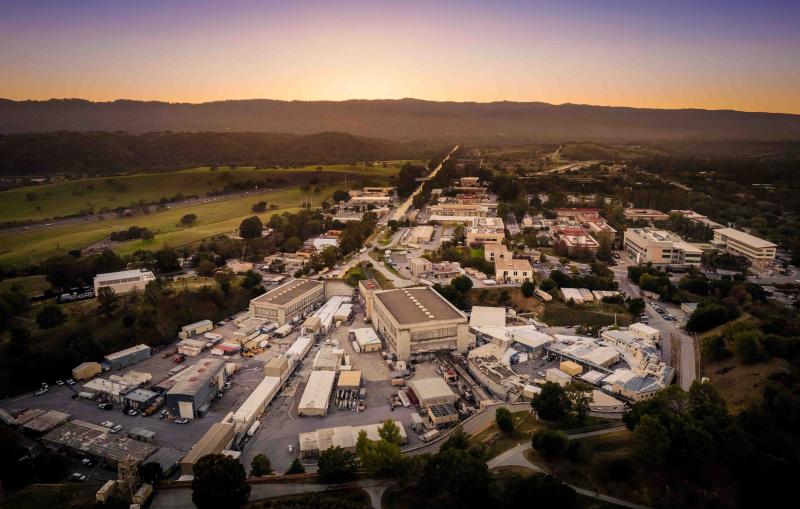
Aerial view of SLAC
Feature

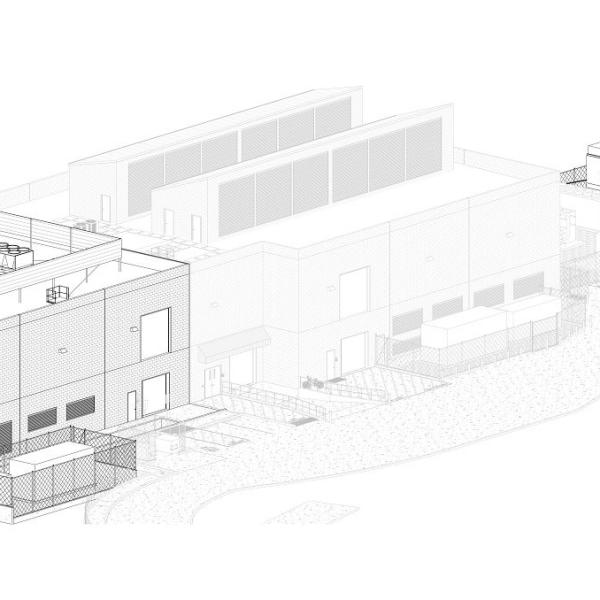
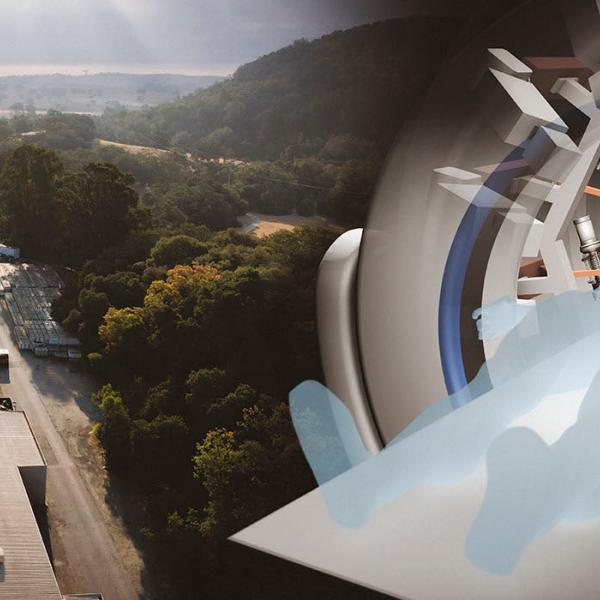
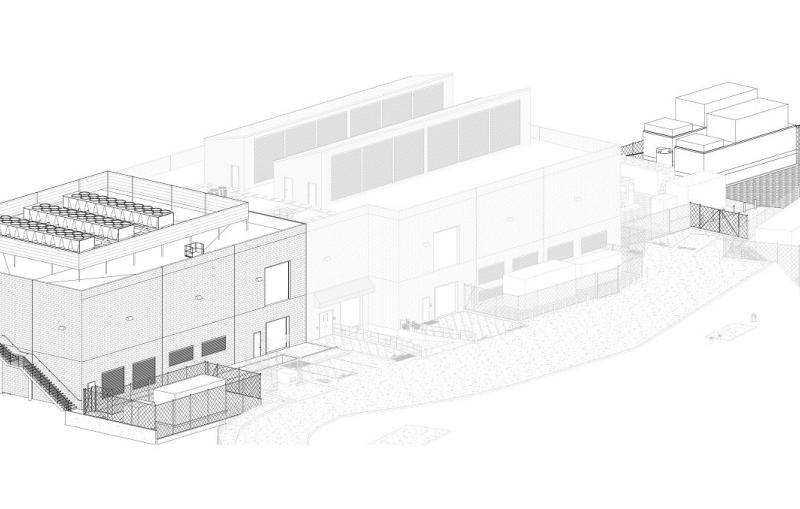
An extension of the Stanford Research Computing Facility will host several data centers to handle the unprecedented data streams that will be produced by...

SRCF-II
Feature

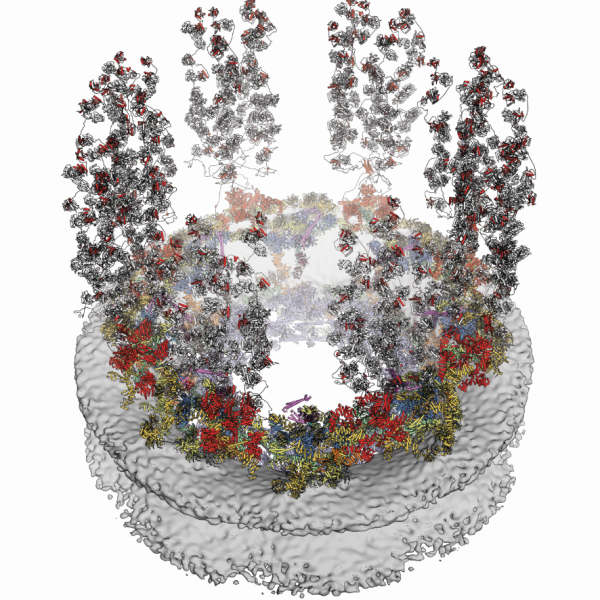
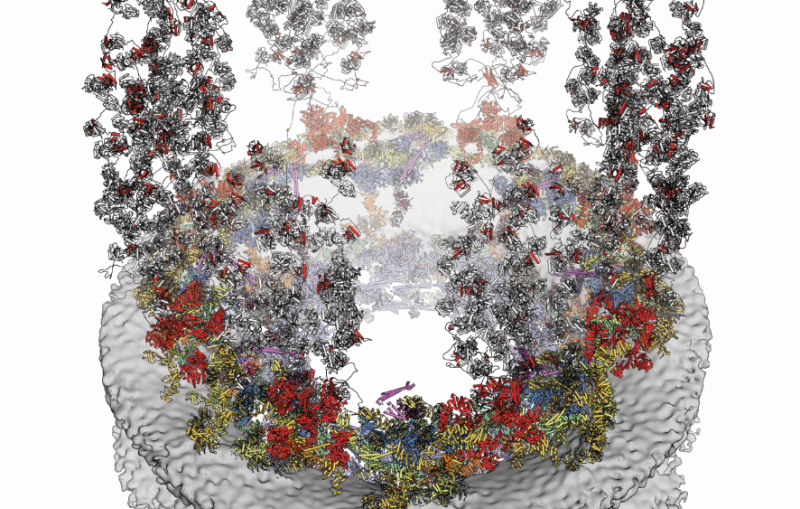
After almost two decades of synchrotron experiments, Caltech scientists have captured a clear picture of a cell’s nuclear pores, which are the doors and...

The nuclear pore and its components.
SLAC Science Explained

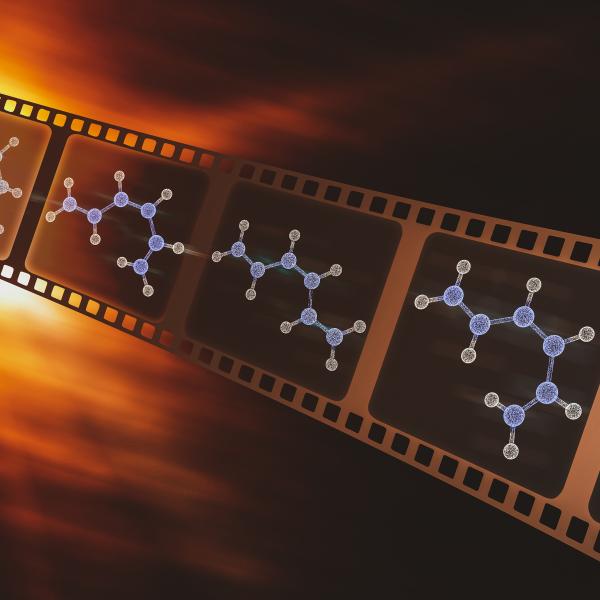
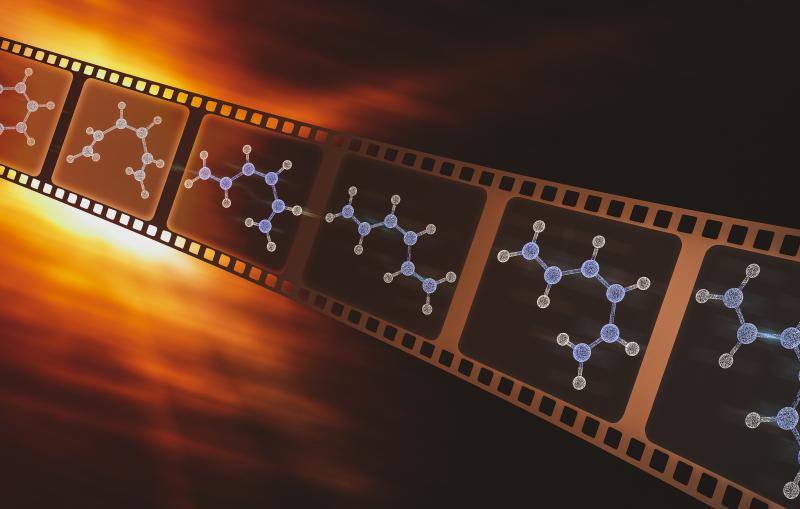
Molecular movie-making is both an art and a science; the results let us watch how nature works on the smallest scales.

Molecular movie filmstrip.
Feature

By revealing the chemistry of plant secretions, or exudates, these studies build a basis for better understanding and conserving art and tools made with...

Plant secretion from what is called "grass tree."
News Release

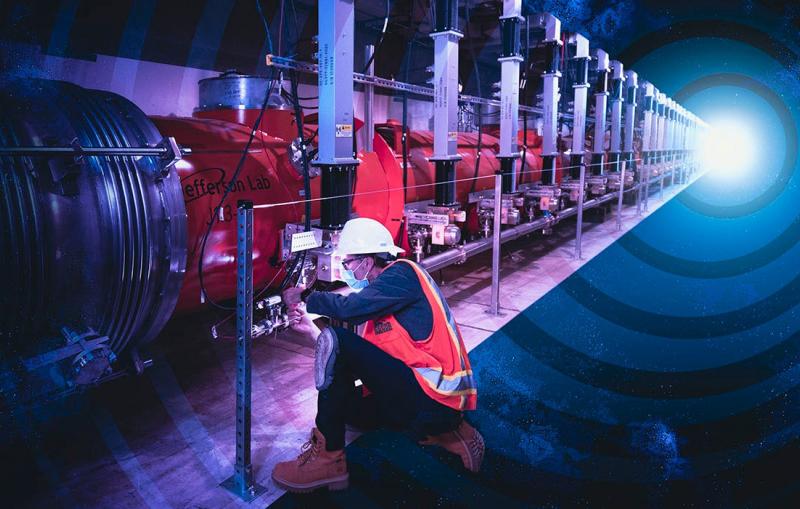
The facility, LCLS-II, will soon sharpen our view of how nature works on ultrasmall, ultrafast scales, impacting everything from quantum devices to clean energy.

LCLS-II cooldown
Animation
Now that the cavities have been cooled, the next step is to pump them with more than a megawatt of...
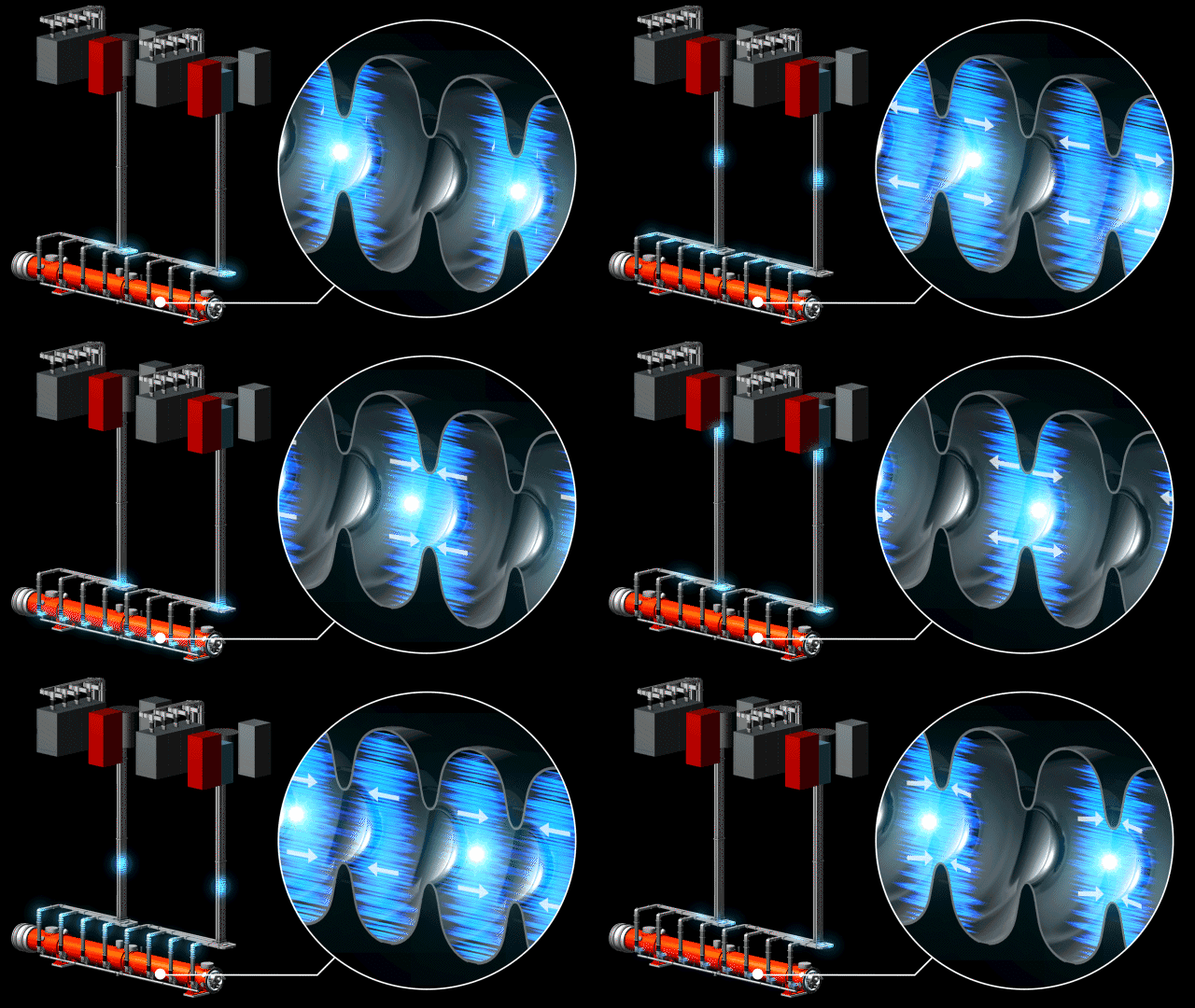
Cryomodule cavity animation
Video

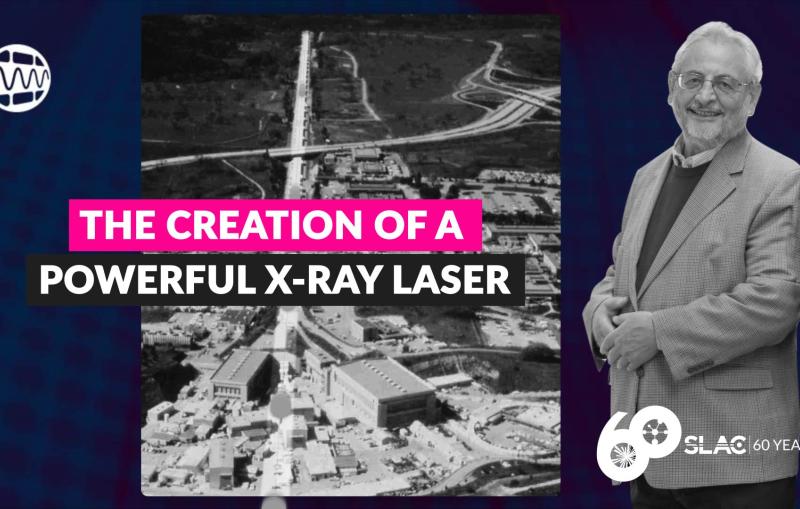
SLAC Recent History (1990s-today SLAC Linac Coherent Light Source) – The creation of a powerful X-ray laser. 

SLAC Recent History: The creation of a powerful X-ray laser
Video
Video

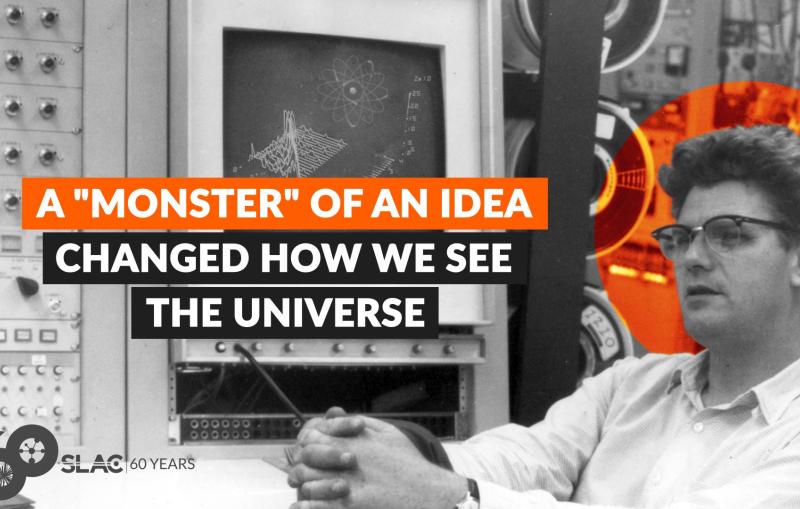
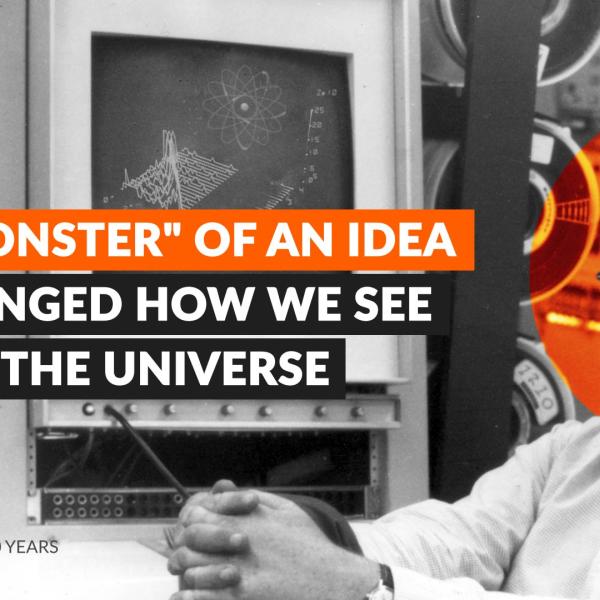
SLAC National Accelerator Laboratory celebrated 60 years of science in 2022. This video is the first part in a series of videos celebrating SLAC’s...

SLAC's early history: A "monster" of an idea changed how we see the universe
Video
Feature

The leaders of SLAC's Technology Innovation Directorate discuss how their group supports the lab's most innovative projects.

TID senior managers
Feature

SLAC’s Matt Garrett and Susan Simpkins talk about tech transfer that brings innovations from the national lab to the people, including advances for medical...

Tech Transfer
Feature

A laser compressing an aluminum crystal provides a clearer view of a material’s plastic deformation, potentially leading to the design of stronger nuclear fusion...

an abstract illustration of rippling waves made of shining dots
Feature

Researchers mimicked these extreme impacts in the lab and discovered new details about how they transform minerals in Earth’s crust.

meteor