

SLAC topics

X-ray light sources and electron imaging RSS feed

X-ray light sources and electron imaging are advanced techniques used to study the structure and properties of materials. X-ray light sources use high-energy photons to produce X-rays, while electron imaging uses high-energy electrons to produce detailed images of samples. 

Browse tagged content

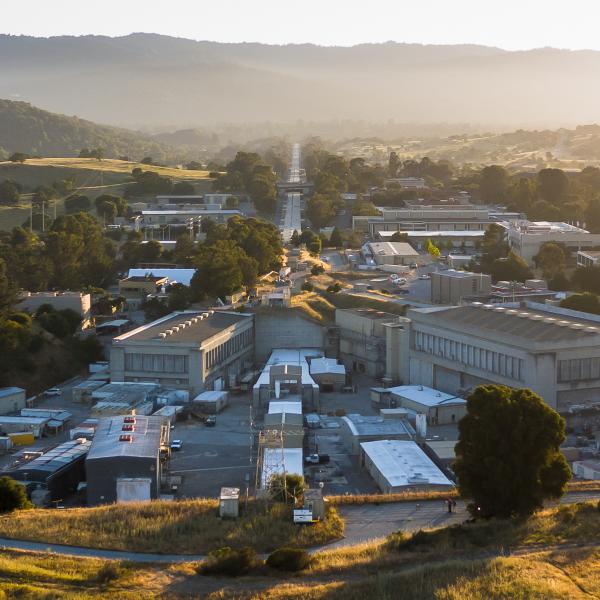
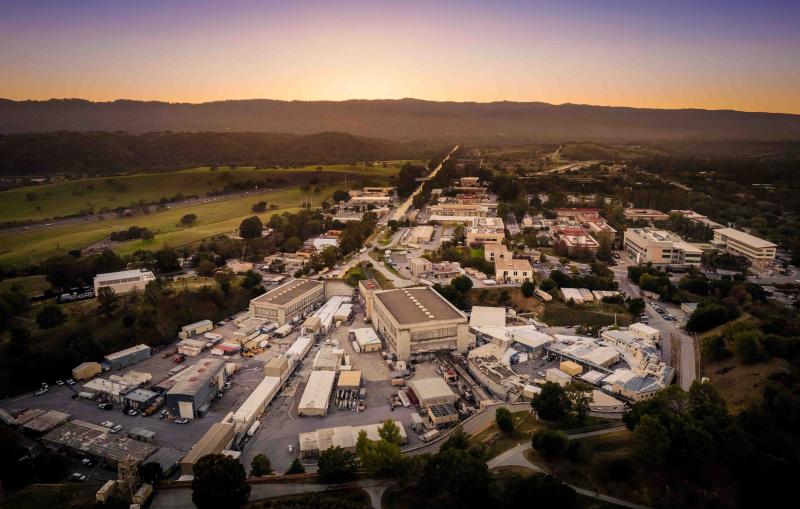
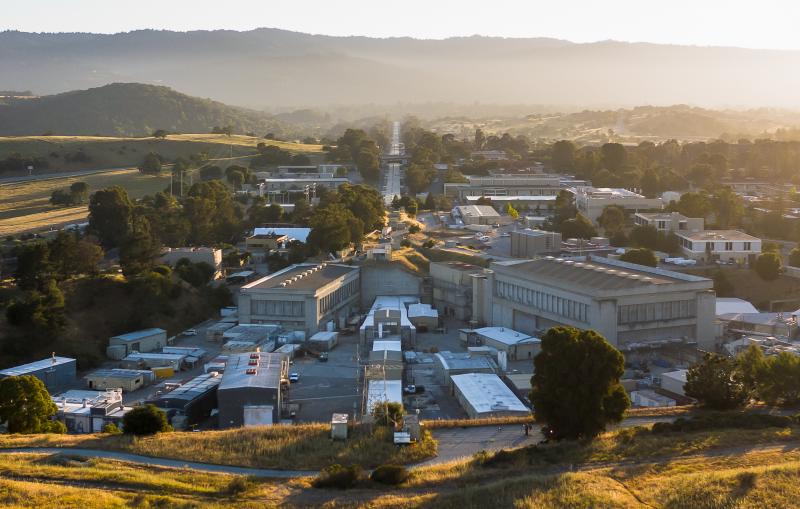
Aerial view of SLAC
Feature

The award celebrates Huang’s achievements studying atom-scale physics with fast X-ray pulses.

Yijing Huang at Stanford University
News Brief

His work has led to new treatments for advanced lung cancer and a better understanding of dangerous parasites.

Blaine Mooers
Feature

The Stanford Board of Trustees held its first meeting of the 2022-23 academic year Oct. 17-18. Trustees toured the SLAC National Accelerator Laboratory and...

Aerial photo of SLAC research yard
Illustration

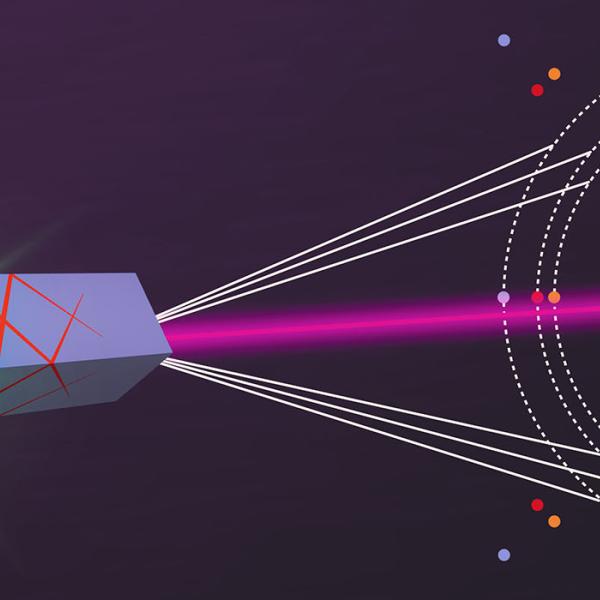
Illustration of how a single crystal sample of silicon deforms during shock compression on nanosecond timescales.
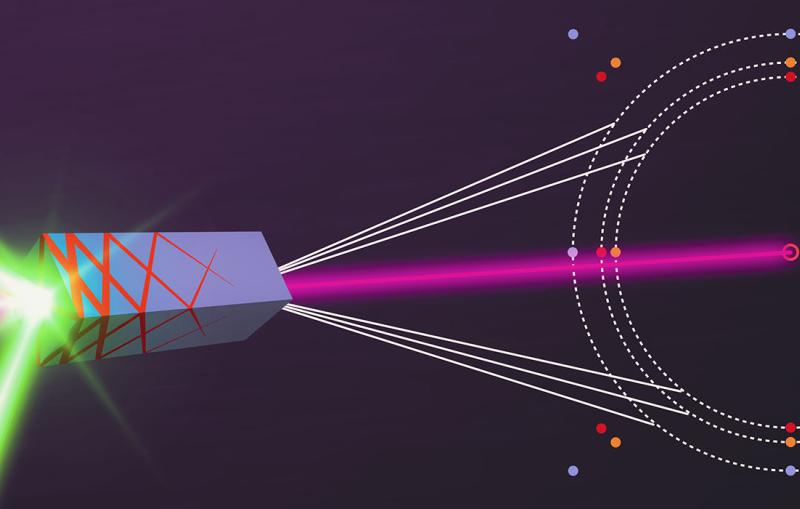
MEC silicon
Feature

They saw how the material finds a path to contorting and flexing to avoid being irreversibly crushed.

MEC silicon
Illustration
When light drives electron transfer in a molecular complex, the surrounding solvent molecules also rapidly move.

Photograph

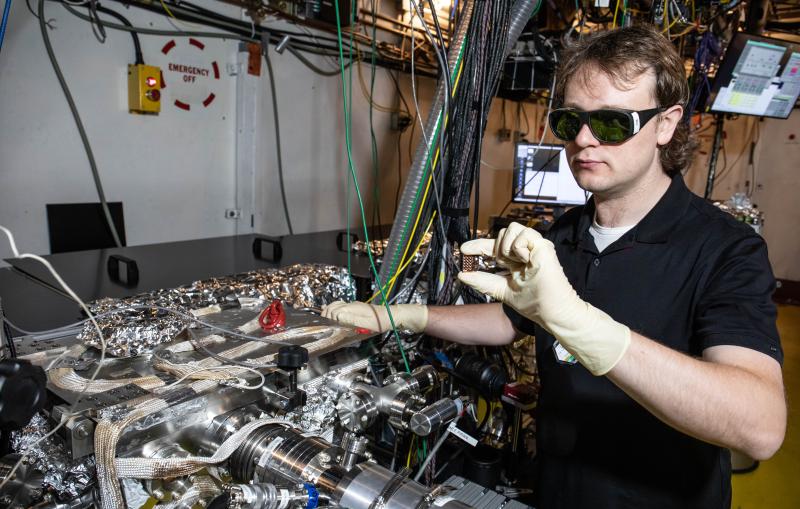
SLAC staff scientist Alexander Reid

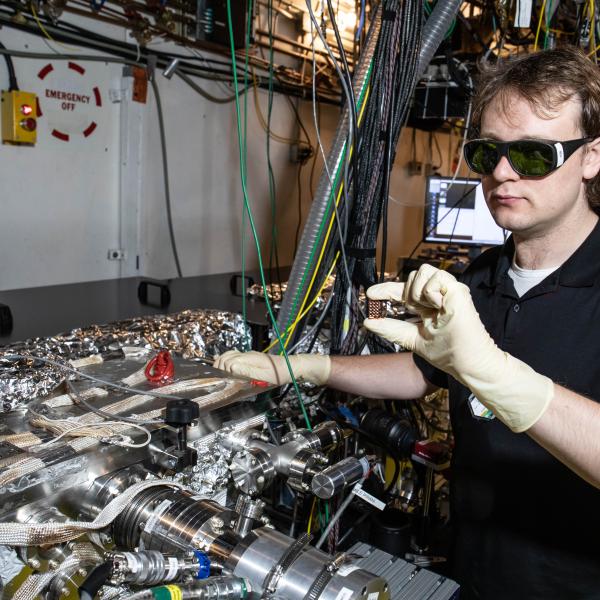
SLAC staff scientist Alexander Reid, the first user of the lab's instrument for ultrafast electron diffraction (MeV-UED).
Video
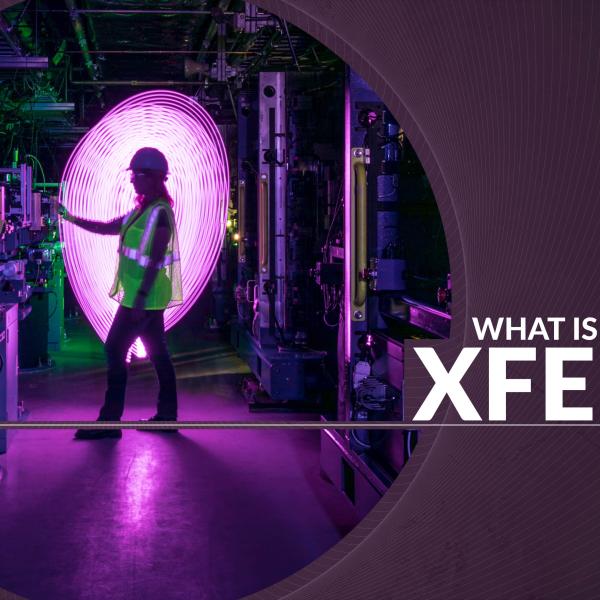
Play this video for a simple explanation of what an XFEL is and what kind of research scientists can do with this engineering marvel.
video still frame from explainer about X-ray Free Electron Lasers.
Video
Photograph

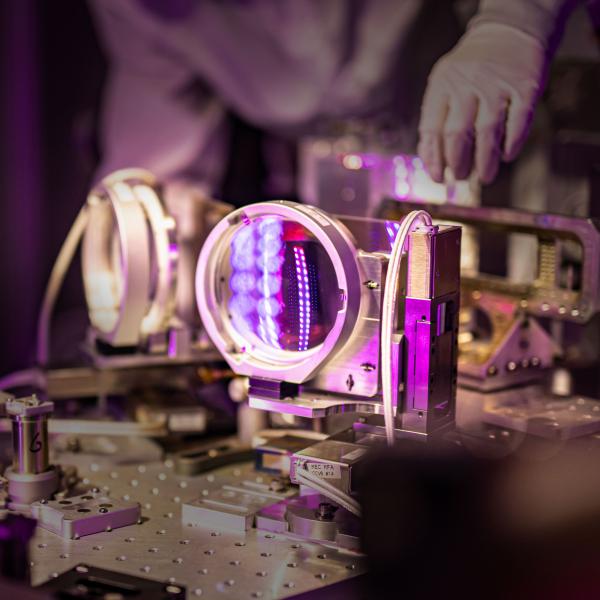
Matter in Extreme Conditions (MEC) Hutch 6, located in the LCLS Far Experimental Hall.
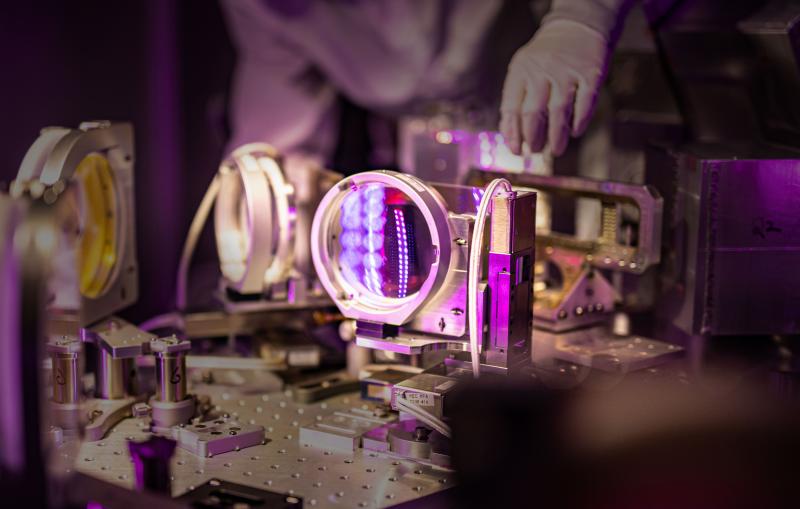
Matter in Extreme Conditions (MEC) Hutch 6, located in the LCLS Far Experimental Hall.
Illustration

Scientists use a series of magnets to transform an electron bunch into a narrow current spike which then produces a very intense attosecond X-ray...
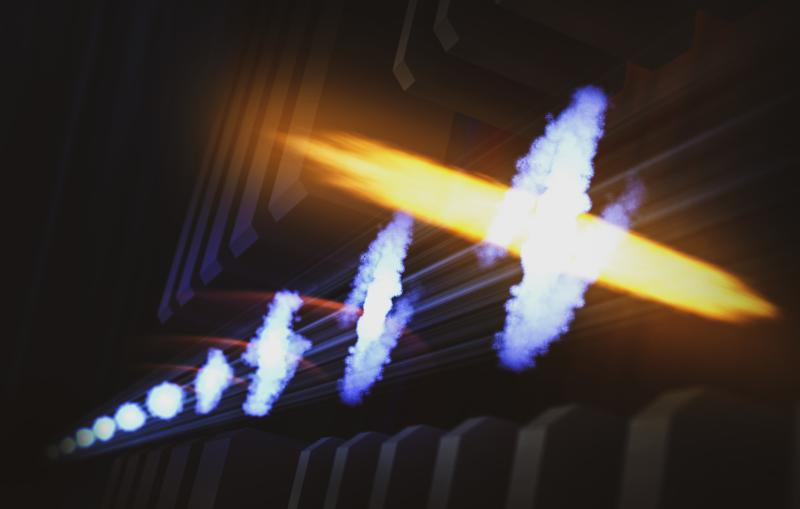

XLEAP illustration
Photograph

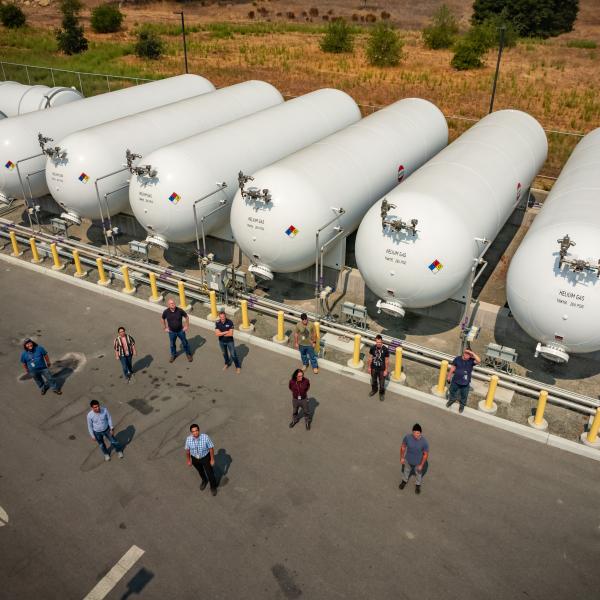
Drone photo of the team working on LCLS-II cryoplant.

Cryoplant team
Illustration

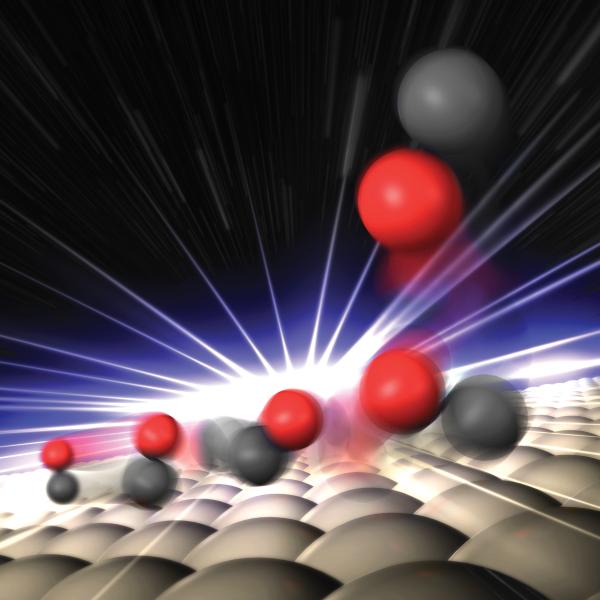
The ultrafast, ultrabright X-ray pulses of the Linac Coherent Light Source (LCLS) have enabled unprecedented views of a catalyst in action, an important step...
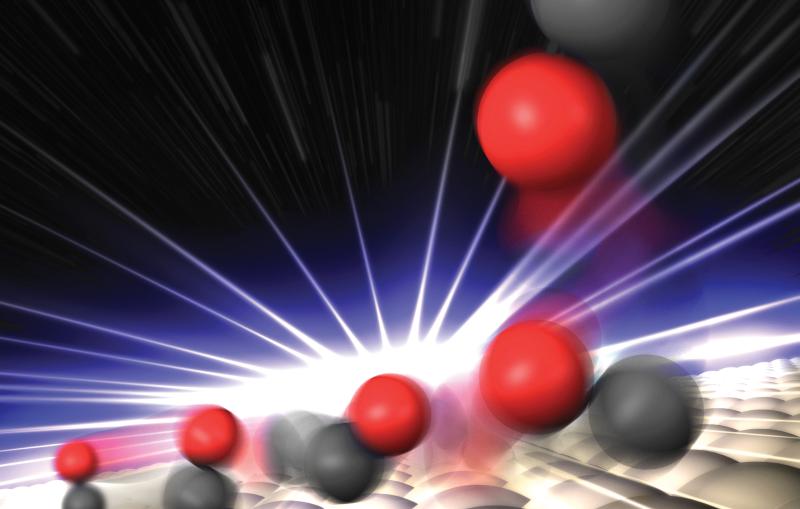

Nilsson science cover