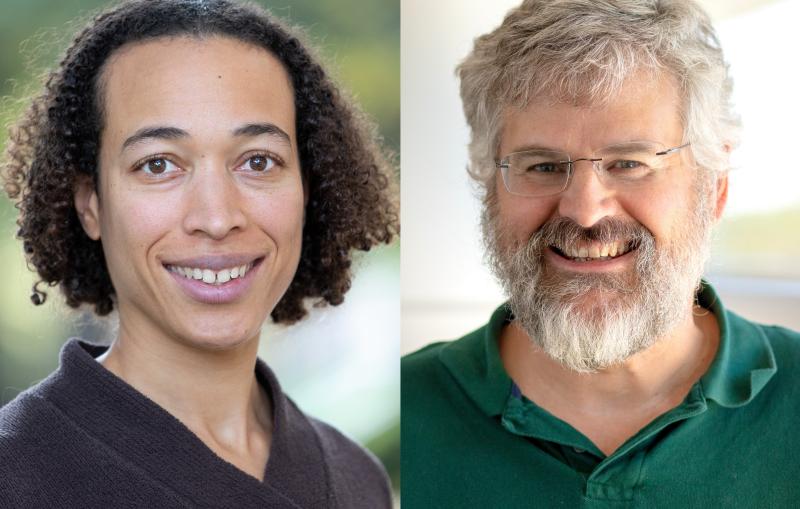
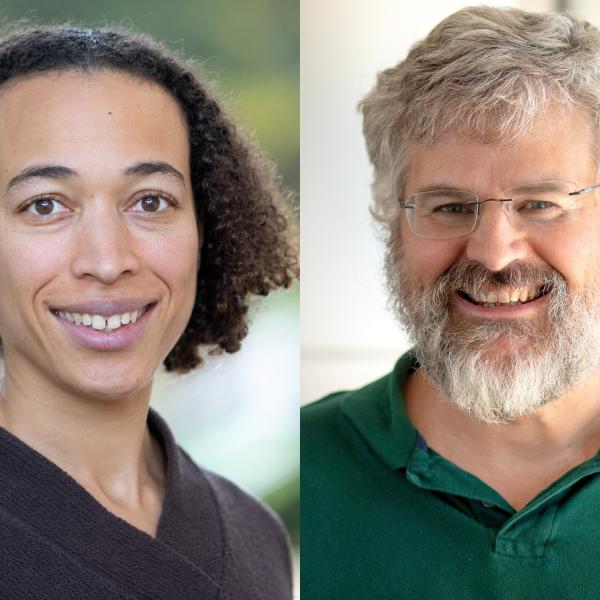
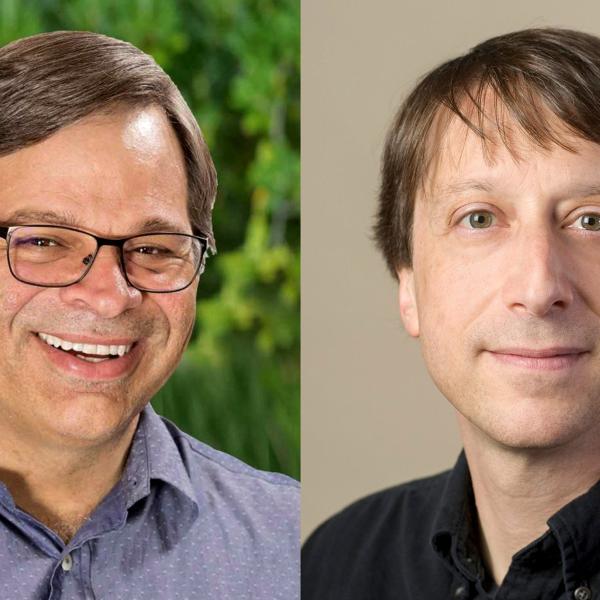
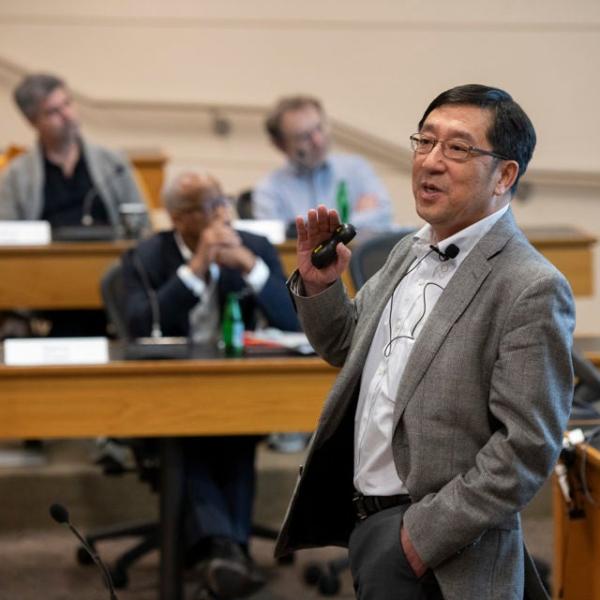
Monika Schleier-Smith and Kent Irwin explain how their projects in quantum information science could help us better understand black holes and dark matter.
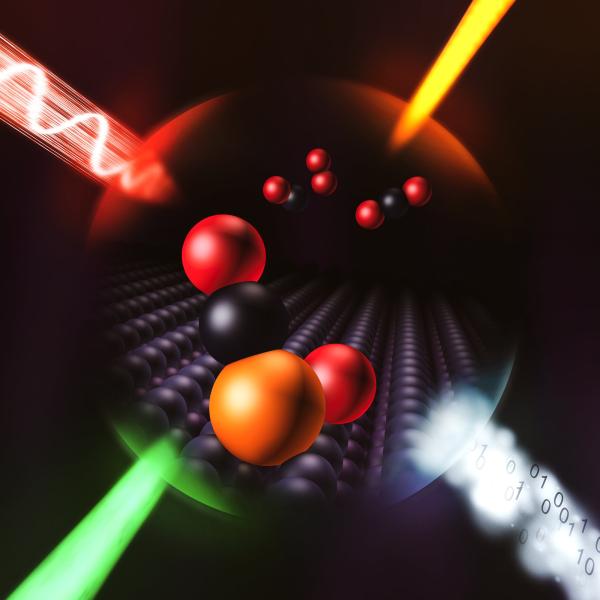
The newly launched Quantum Fundamentals, ARchitecture and Machines initiative will build upon existing strengths in theoretical and experimental quantum science and engineering at Stanford...
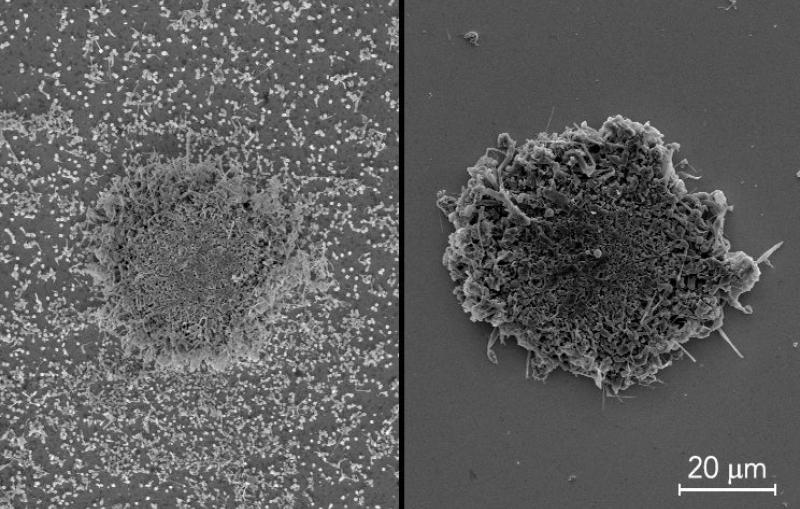
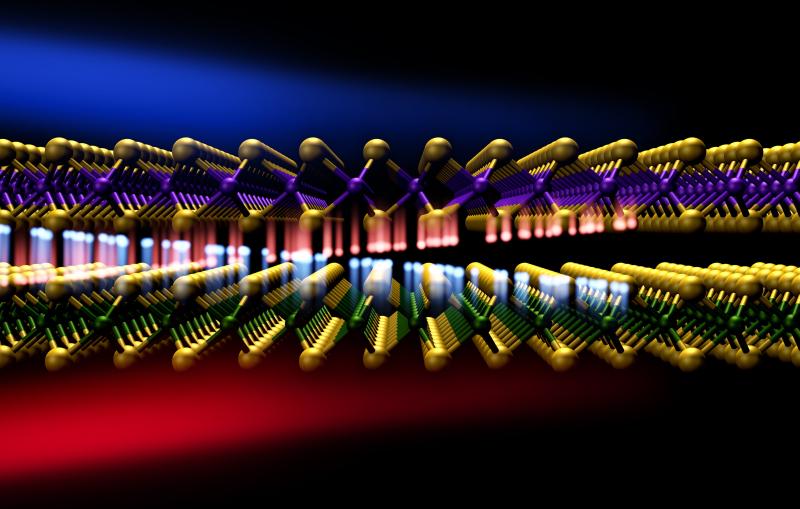
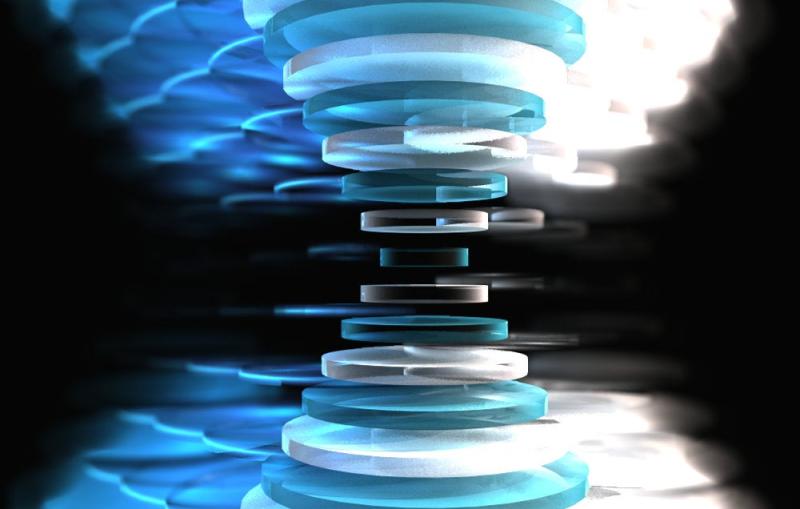
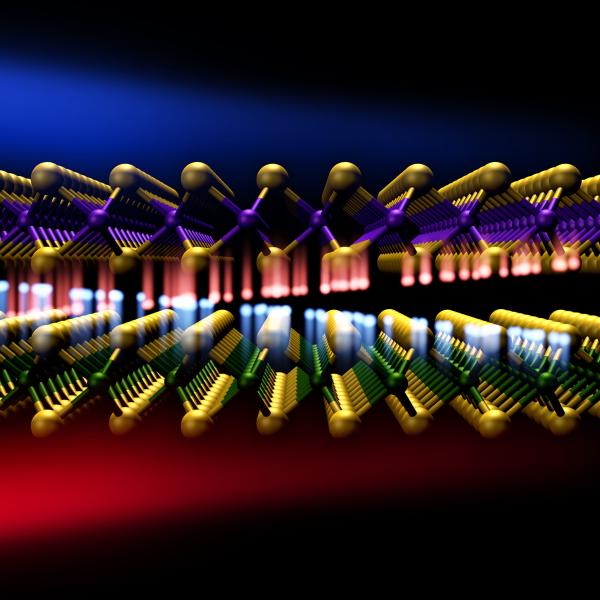
Watching electrons sprint between atomically thin layers of material will shed light on the fundamental workings of semiconductors, solar cells and other key technologies.
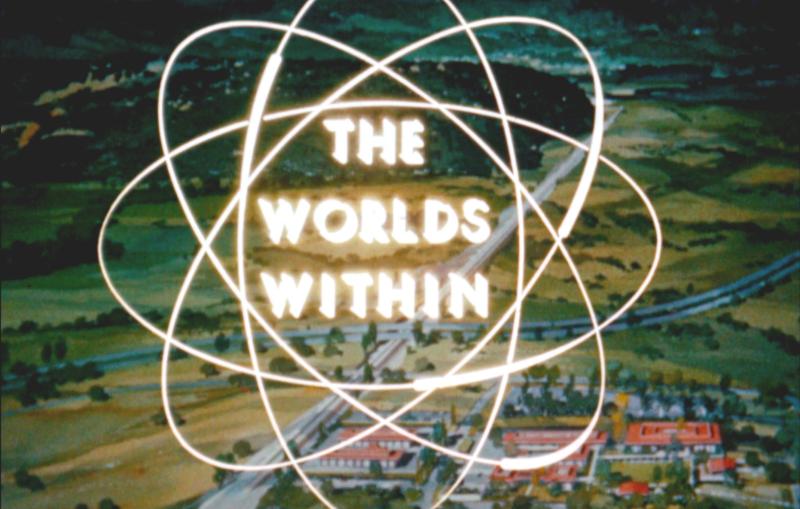
“The Worlds Within” and “Fabrication of the Accelerator Structure,” now available digitally in high fidelity, tell the story of Stanford Linear Accelerator Center’s inception...
Monika Schleier-Smith and Kent Irwin explain how their projects in quantum information science could help us better understand black holes and dark matter.
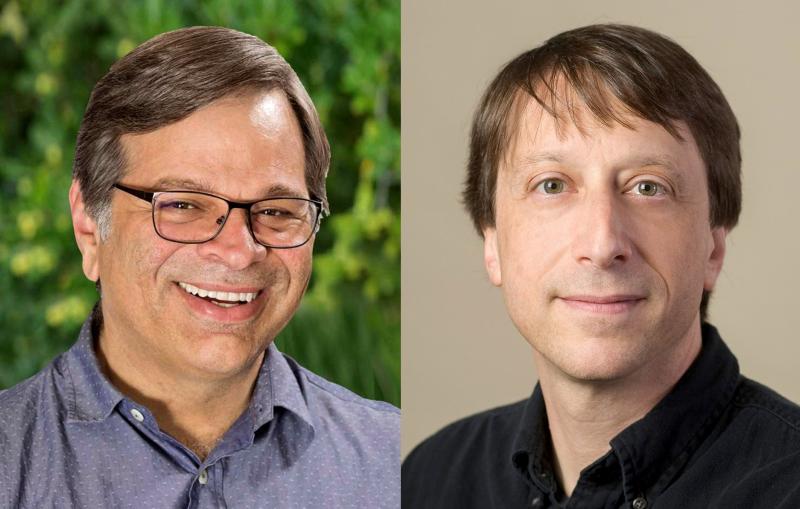
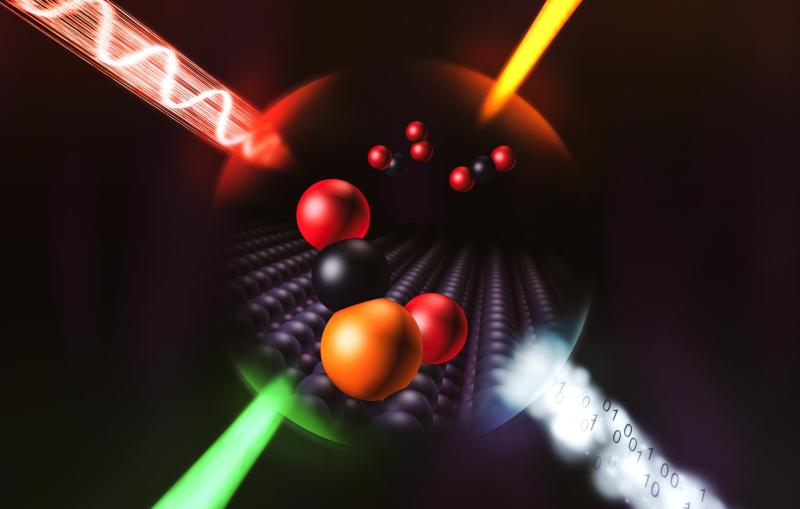
The newly launched Quantum Fundamentals, ARchitecture and Machines initiative will build upon existing strengths in theoretical and experimental quantum science and engineering at Stanford and SLAC.
Watching electrons sprint between atomically thin layers of material will shed light on the fundamental workings of semiconductors, solar cells and other key technologies.
“The Worlds Within” and “Fabrication of the Accelerator Structure,” now available digitally in high fidelity, tell the story of Stanford Linear Accelerator Center’s inception and construction.