SLAC topics

Science news RSS feed

The latest news about SLAC research, science programs, facilities and people. 

More on our News Center and Media Resources pages

Browse tagged content

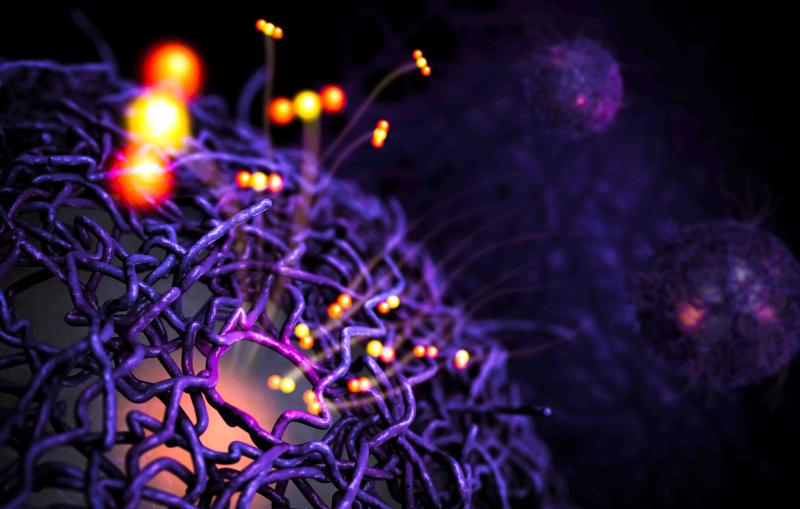
Scientists create artificial catalysts inspired by living enzymes
Feature

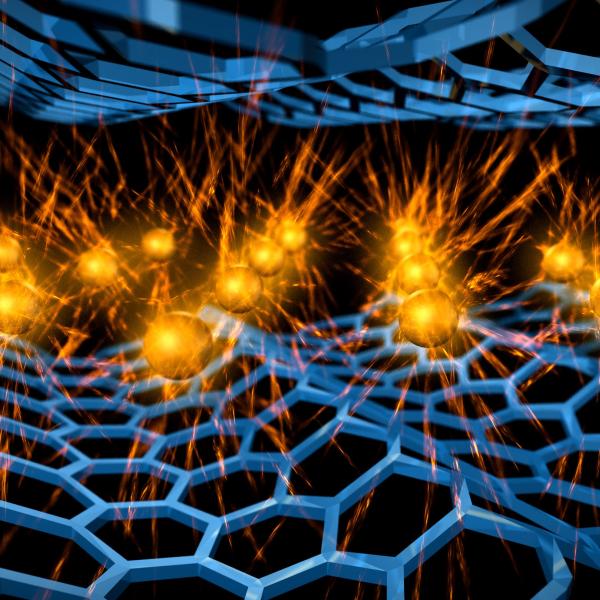
While this particular material is very unstable, the research shows it may be possible to find a material with the properties graphene has to...

photo of zhongkai liu
Feature

A 2-ton instrument the size of a compact car, now available at SLAC's X-ray laser, makes it possible to capture more detailed images of...

Photo - A view of the LAMP instrument at SLAC's Linac Coherent Light Source X-ray laser. (SLAC)
Feature

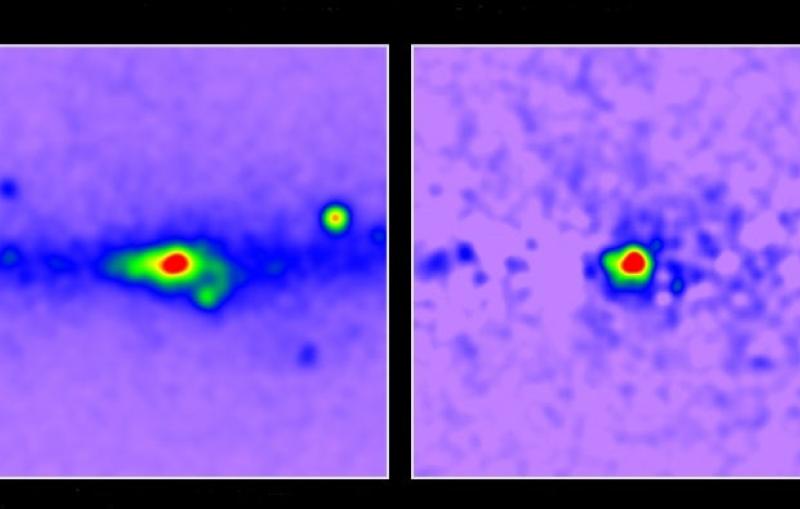
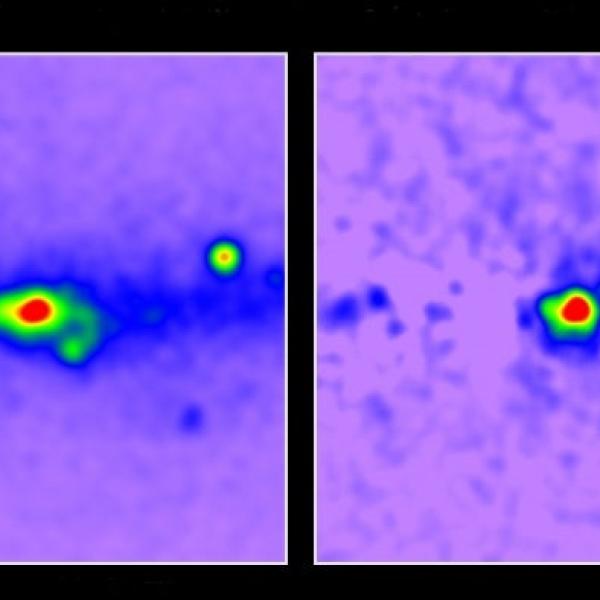
Scientists studying five years of data from the Fermi Gamma-ray Space Telescope have found the first gamma-ray variable pulsar.

Feature

The distant universe looks a little clearer, thanks to tens of thousands of citizen scientists who classified more than 6 million images over the...

Feature

Crafted in a single atomic layer, it could be a natural fit for making thin, flexible light-based electronics, as well as futuristic 'spintronics' and...

This diagram shows a single layer of MoSe2 thin film (green and yellow balls) grown on a layer of graphene (black balls) that has formed on the surface of a silicon carbide substrate. (Yi Zhang, SIMES and ALS/Berkeley Lab)
Feature

Teams from Stanford, SLAC and the University of Nebraska-Lincoln collaborate to make thin, transparent semiconductors that could become the foundation for cheap, high-performance displays.

See caption

Using an entire galaxy as a lens to look at an object in the far distance, researchers are learning more about powerful jets emitted...

Feature

Editors of the journal Science, published by the American Association for the Advancement of Science, have selected their annual Top 10 Science Breakthroughs of...

Image - Artist's illustration of a supernova, with a shockwave spreading out from it.
Feature

A study with SLAC's X-ray laser is a key step toward producing movies that show how a single molecule changes during a chemical reaction

Image - Scientists at SLAC's Linac Coherent Light Source used an optical laser to orient molecules along a common axis, like a compass needle to a magnet, and then used X-ray laser pulses to explore structural details. (koocbor/Flickr: http://www.flickr.c
News Release

New Technology Allows Faster, More Accurate Imaging of Hard-to-study Membrane Proteins

Illustration - man with migraine, serotonin receptor bound to anti-migraine drug
Feature

A discovery by SLAC researchers into how chemical reactions take place on a platinum catalyst could lead to more efficient, less costly fuel cells.

Photo – SLAC researchers Hernan Sanchez Casalongue (left) and Hirohito Ogasawara
Feature

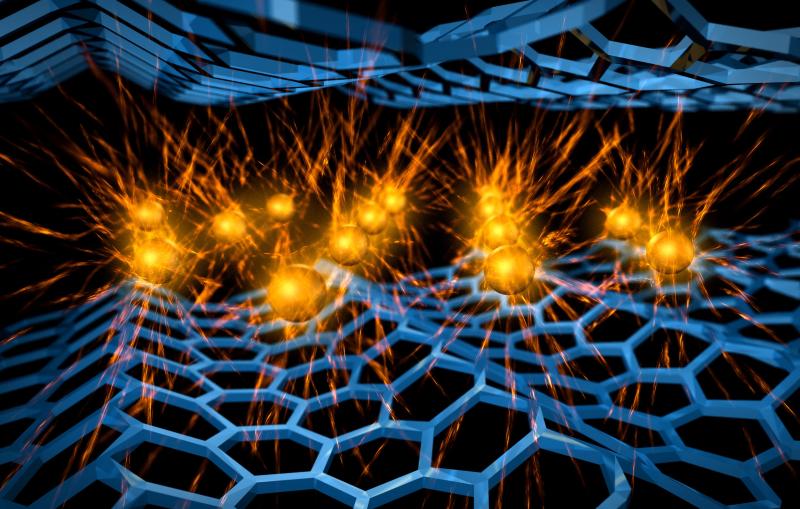
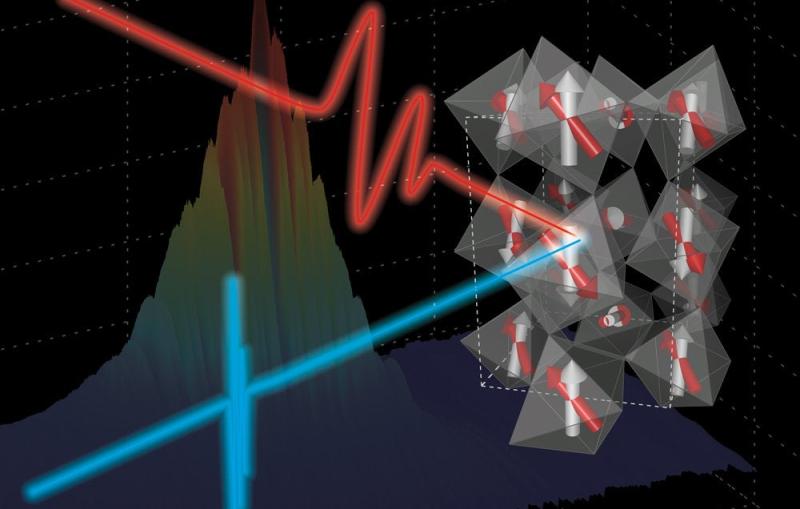
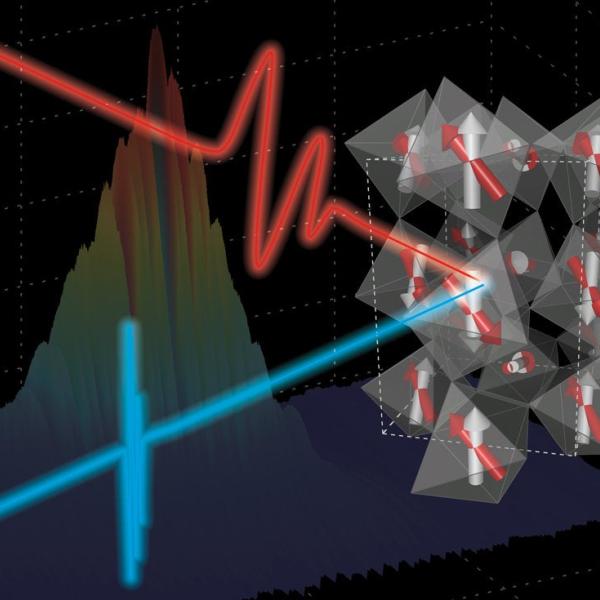
An international team led by scientists from two SLAC/Stanford institutes has devised a much faster and more accurate way of measuring subtle atomic vibrations...

Image showing laser beam energizing atoms in crystal lattic