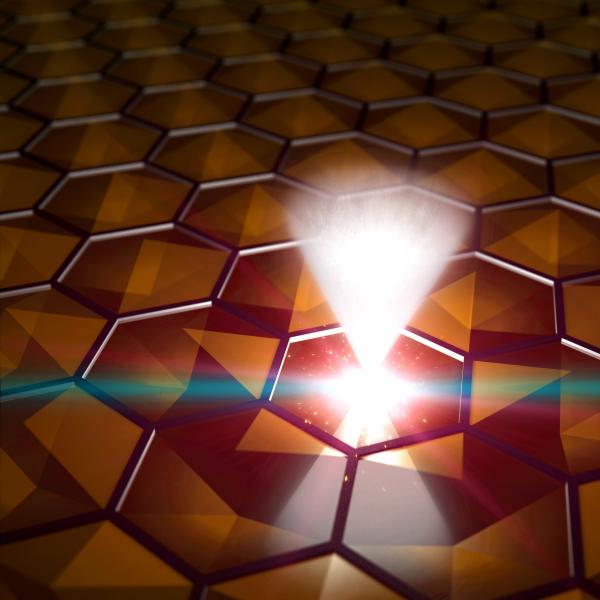
SLAC scientists have found a new way to produce bright pulses of light from accelerated electrons that could shrink "light source" technology used around...
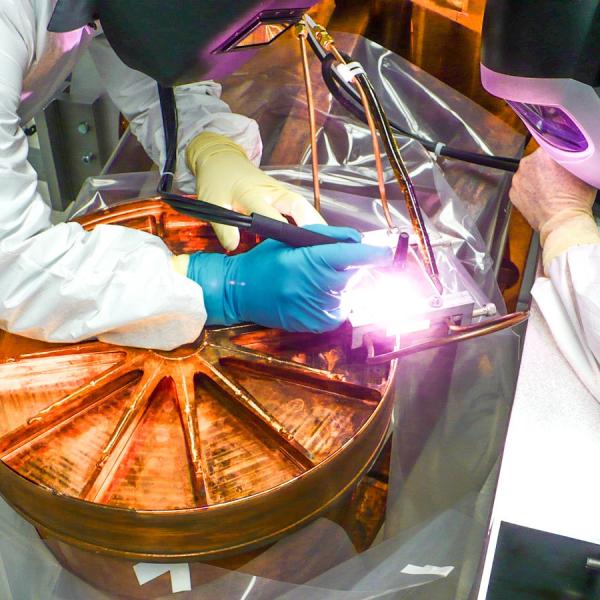
If it exists, a type of decay called neutrinoless double-beta decay will show that neutrinos are their own antiparticles and can help scientists determine...
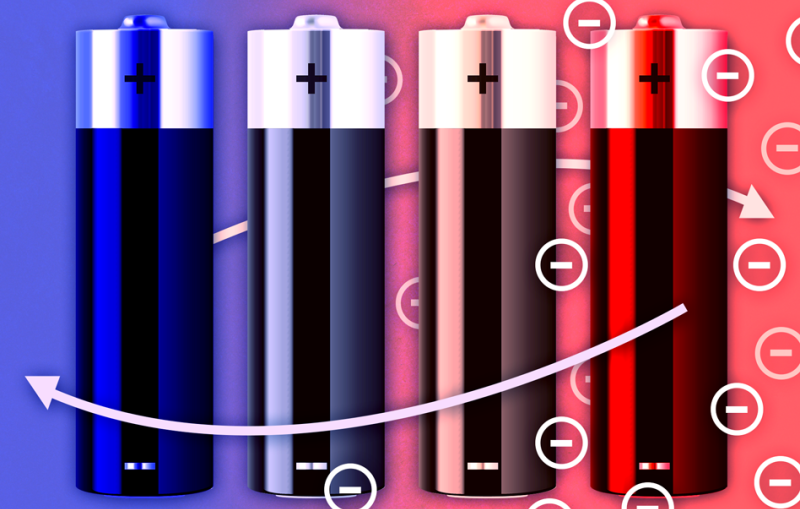
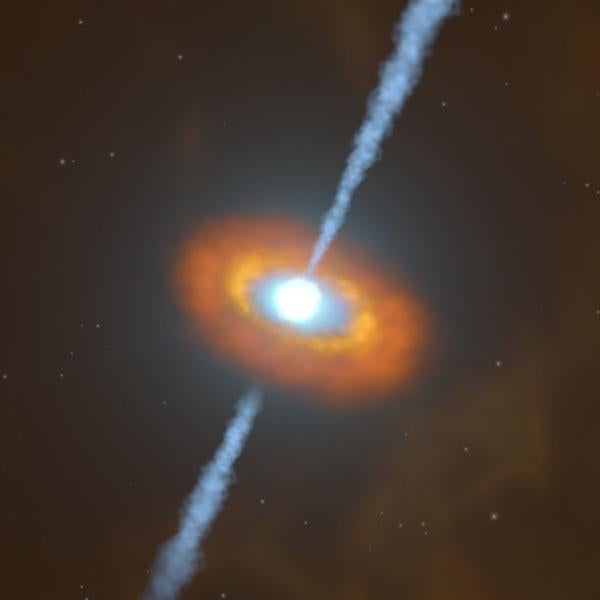
Researchers from Oxford, SIMES and Berkeley Lab say cadmium arsenide could yield practical devices with the same extraordinary electronic properties as 2-D graphene.
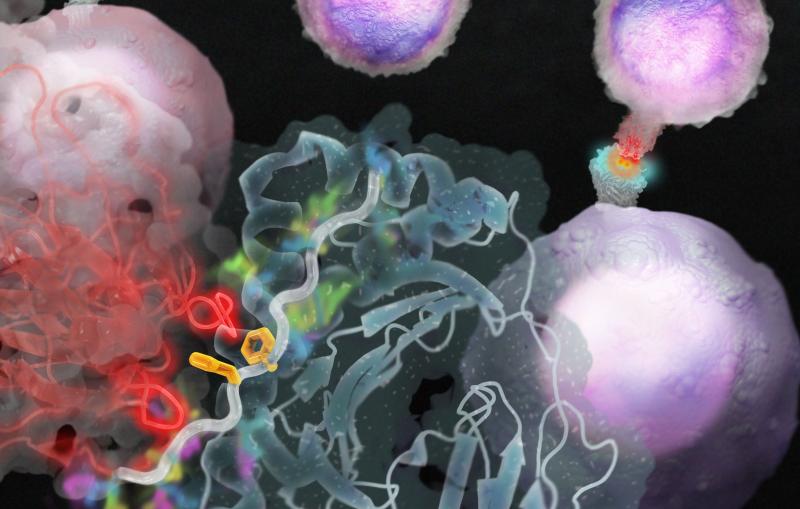
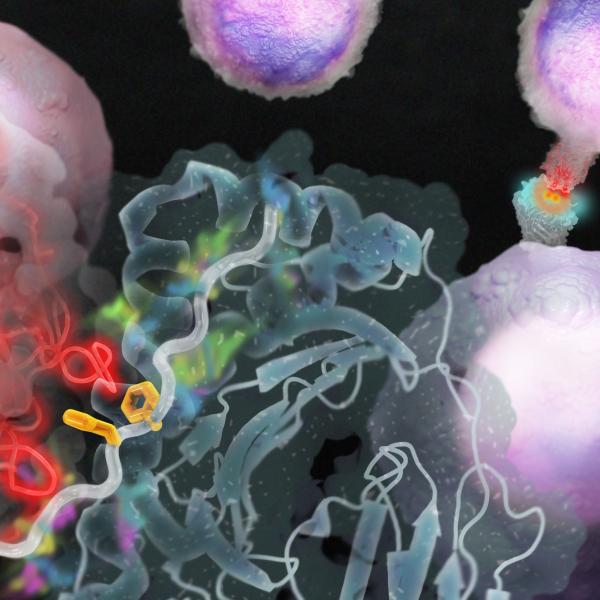
By finding surprising similarities in the way immune system defenders bind to disease-causing invaders, a new study may help scientists develop new treatments.
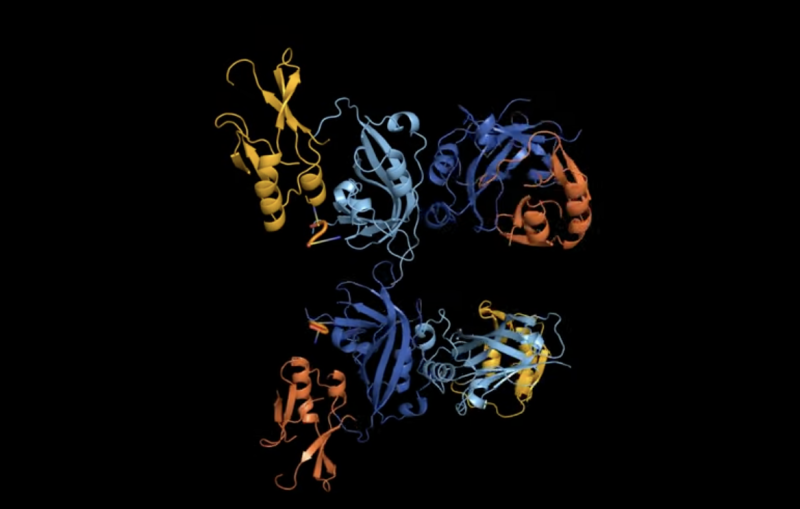
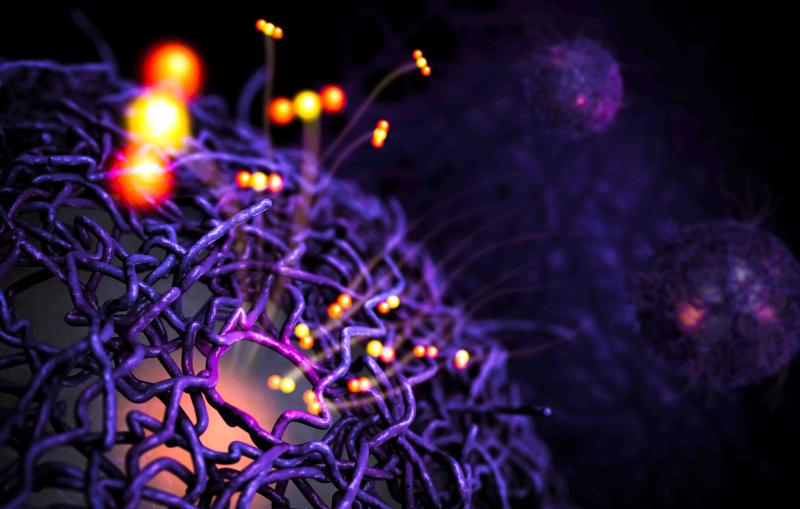
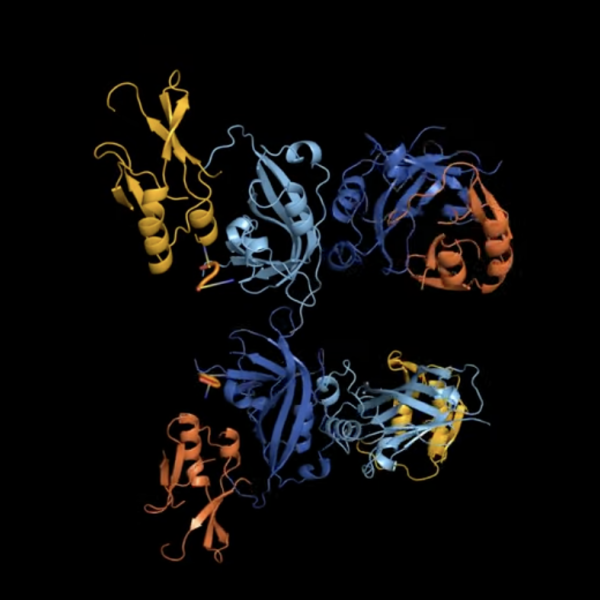
Researchers have discovered that an Ebola virus protein can transform into three distinct structures with different functions. This rather uncommon property provides new clues...
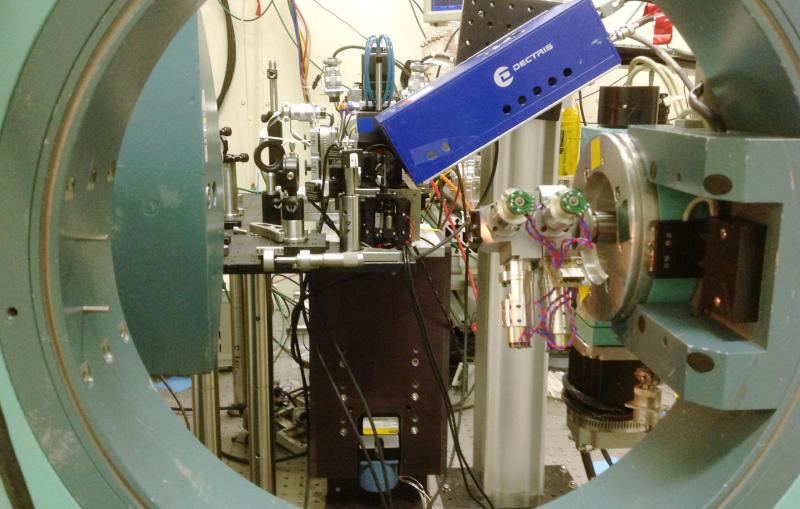
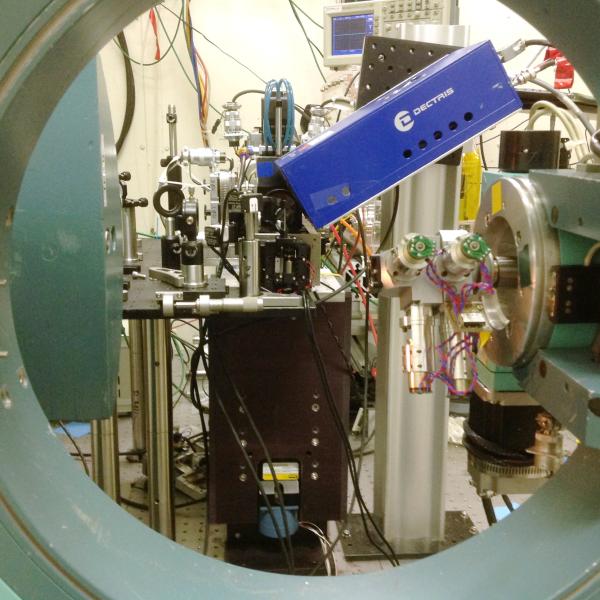
In a recent experiment at SLAC's Stanford Synchrotron Radiation Lightsource, scientists "tickled" atoms to explore the flow of heat and energy across materials at...
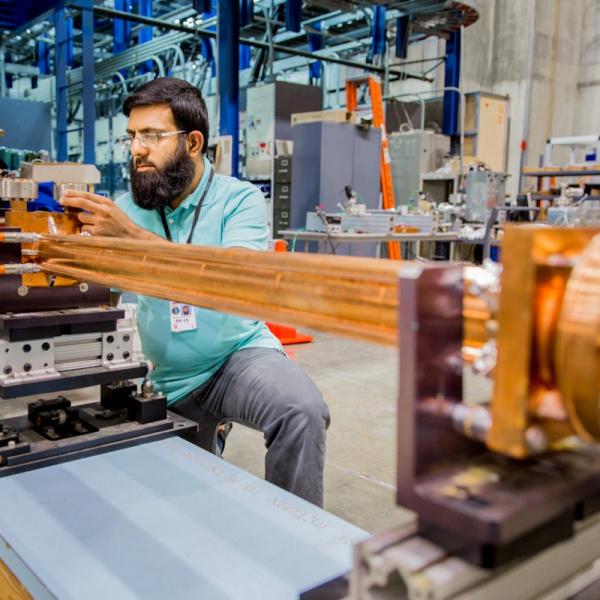
SLAC scientists have found a new way to produce bright pulses of light from accelerated electrons that could shrink "light source" technology used around the world since the 1970s to examine details of atoms and chemical reactions.
If it exists, a type of decay called neutrinoless double-beta decay will show that neutrinos are their own antiparticles and can help scientists determine their masses.
Researchers from Oxford, SIMES and Berkeley Lab say cadmium arsenide could yield practical devices with the same extraordinary electronic properties as 2-D graphene.
By finding surprising similarities in the way immune system defenders bind to disease-causing invaders, a new study may help scientists develop new treatments.
Researchers have discovered that an Ebola virus protein can transform into three distinct structures with different functions. This rather uncommon property provides new clues for the development of potential drugs for deadly hemorrhagic fever.
In a recent experiment at SLAC's Stanford Synchrotron Radiation Lightsource, scientists "tickled" atoms to explore the flow of heat and energy across materials at ultrasmall scales.
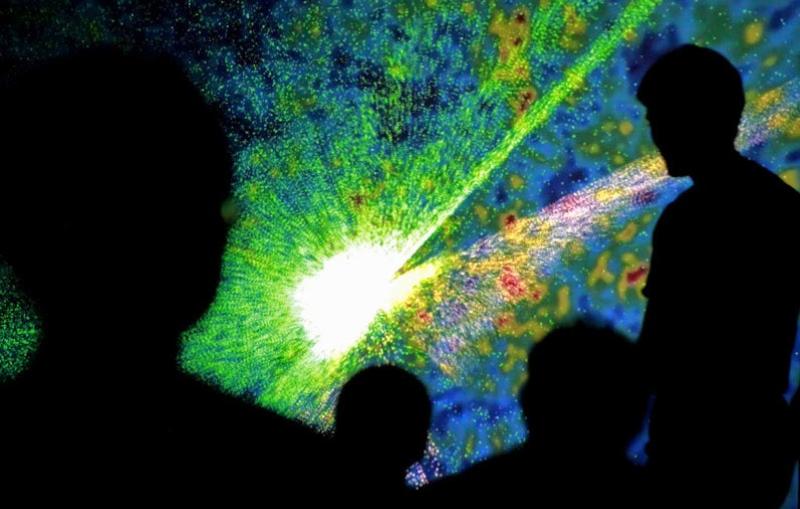
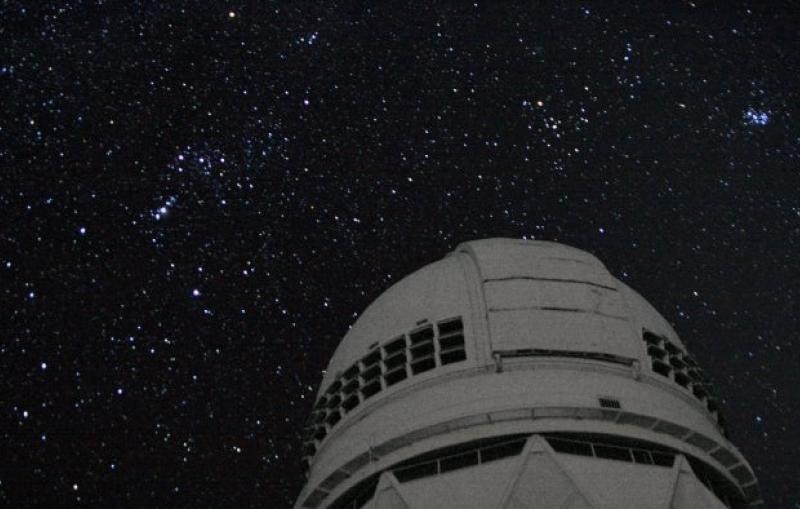
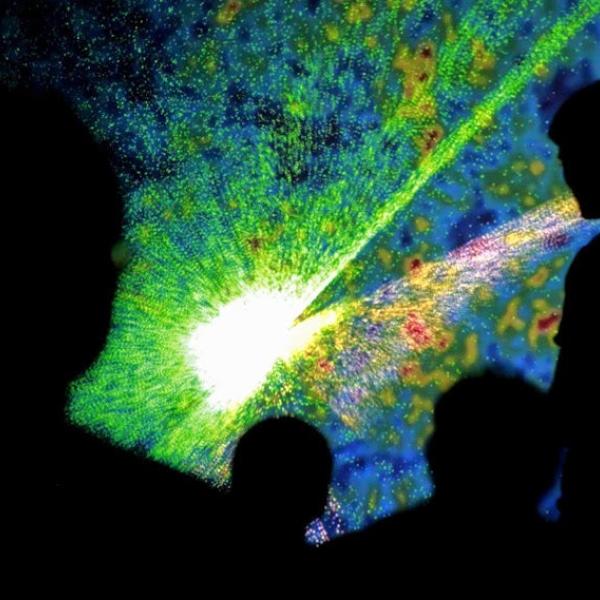
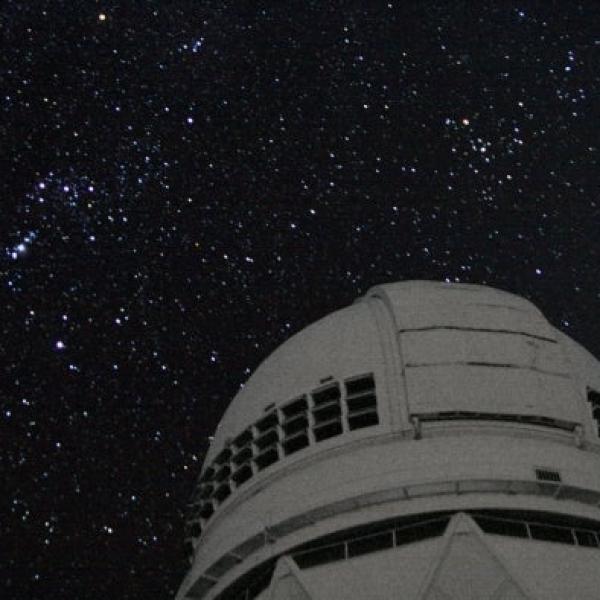
In a few years, scientists will come out with a new map of a third of the sky, one that will go deeper and bring that depth into sharper focus than any survey has yet achieved.