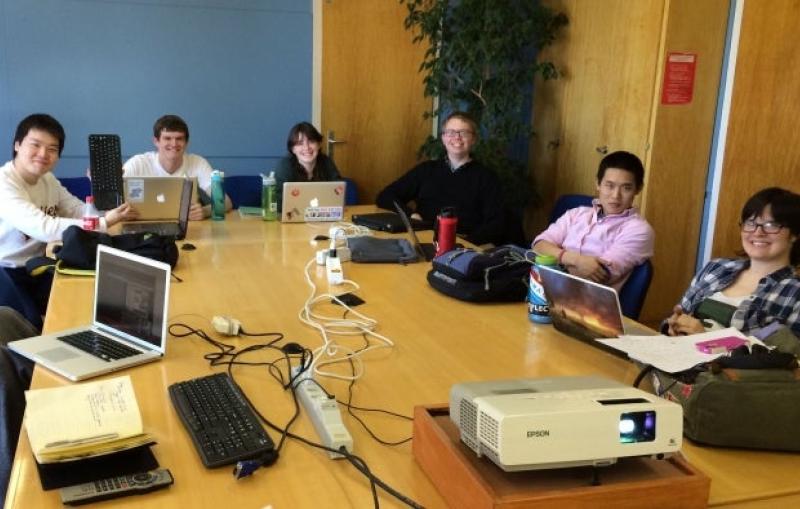
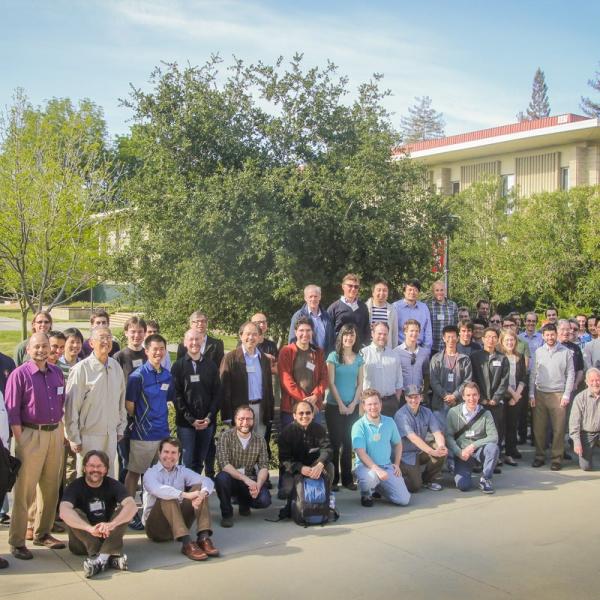
SLAC recently hosted a forward-looking group of theoretical and experimental particle physicists. Their purpose: Follow the science to determine what a post-LHC collider could...
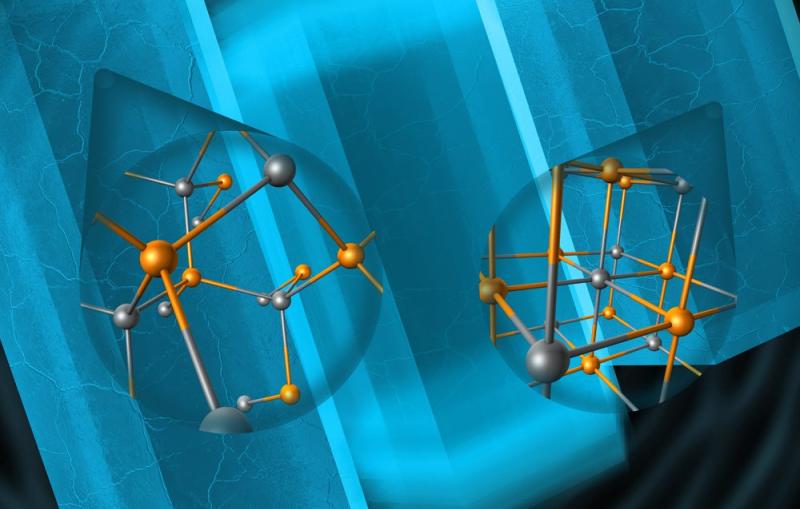
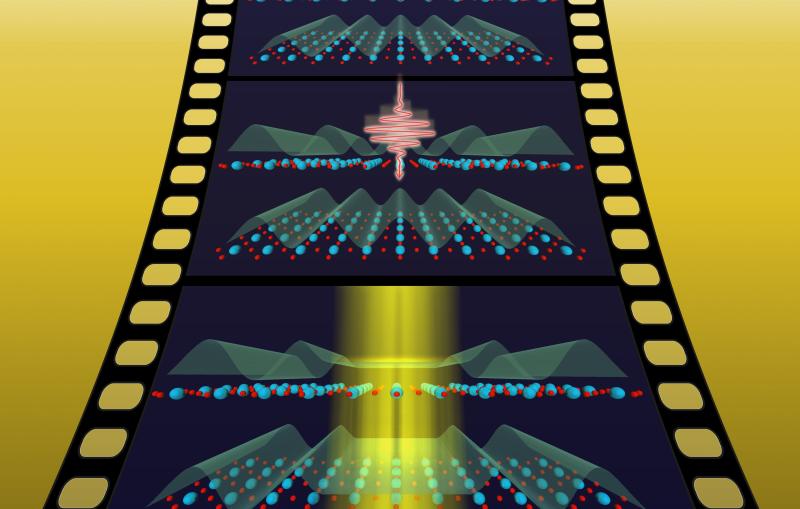
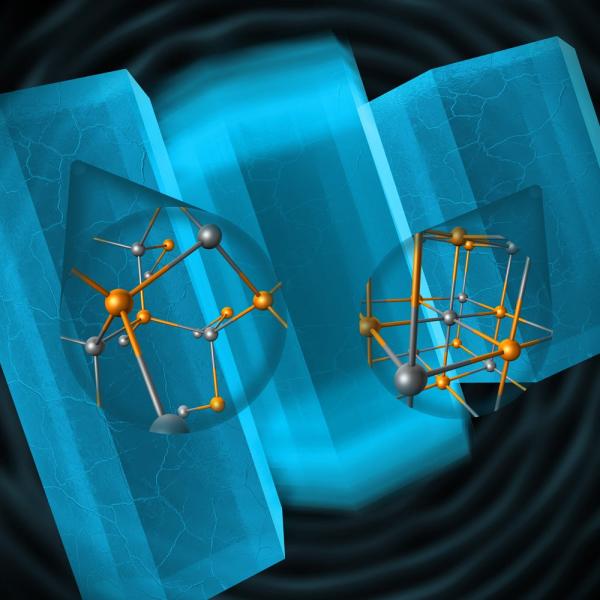
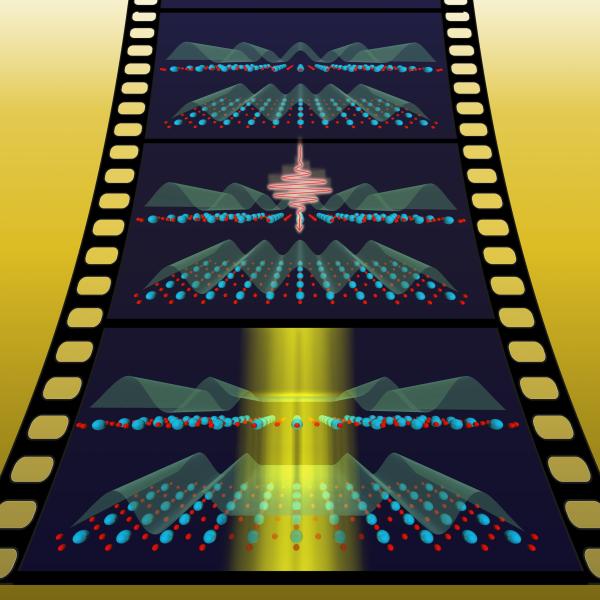
SLAC-led researchers have made the first direct measurements of a small, extremely rapid atomic rearrangement that dramatically changes the properties of many important materials.
Scientists at SLAC and Stanford show how high-temperature superconductivity emerges out of magnetism in an iron pnictide, a class of materials with great potential...
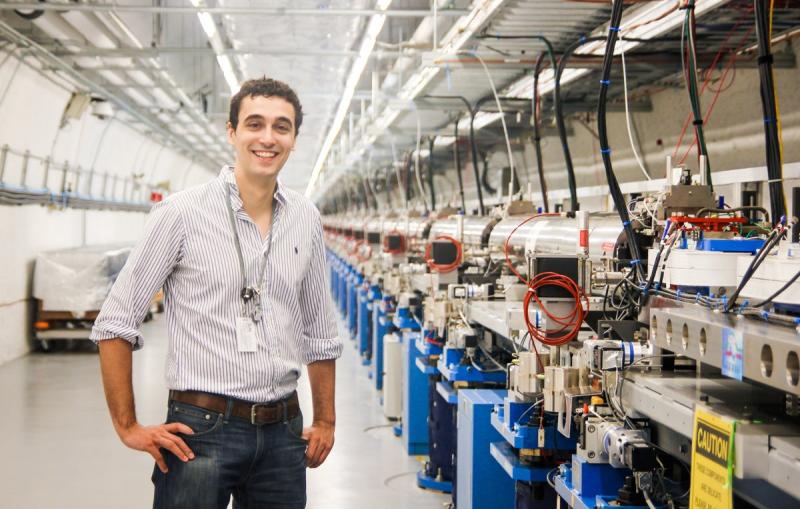
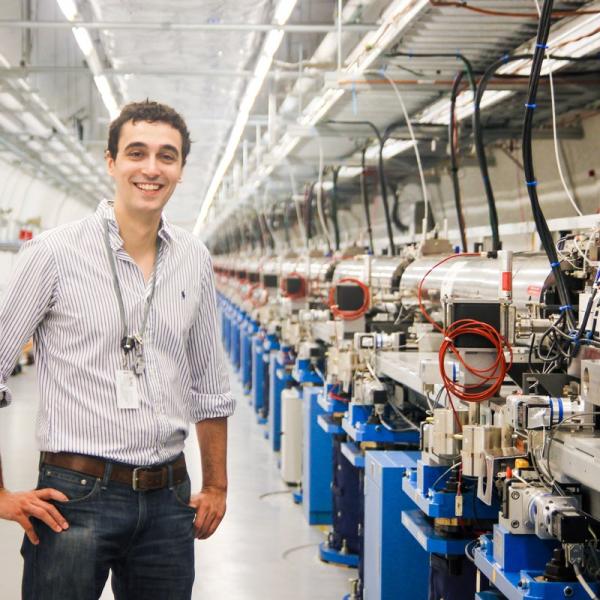
Agostino Marinelli, a postdoctoral researcher in the Accelerator Directorate, has been named the 2014 recipient of the Frank Sacherer Prize from the European Physical...
SLAC's Siegfried Glenzer has been selected to receive an Ernest Orlando Lawrence Award, presented by the U.S. Secretary of Energy to honor scientists across...
A new study, based on an experiment at SLAC's X-ray laser, pins down a major factor behind the appearance of superconductivity—the ability to conduct...
A new theory and computer simulation by SLAC and Stanford researchers rule out high-energy magnetic interactions as a major factor in making copper oxide...
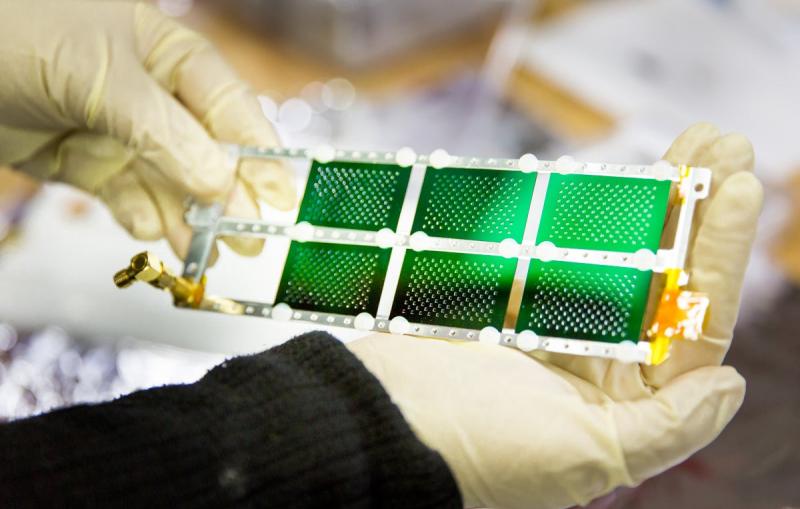
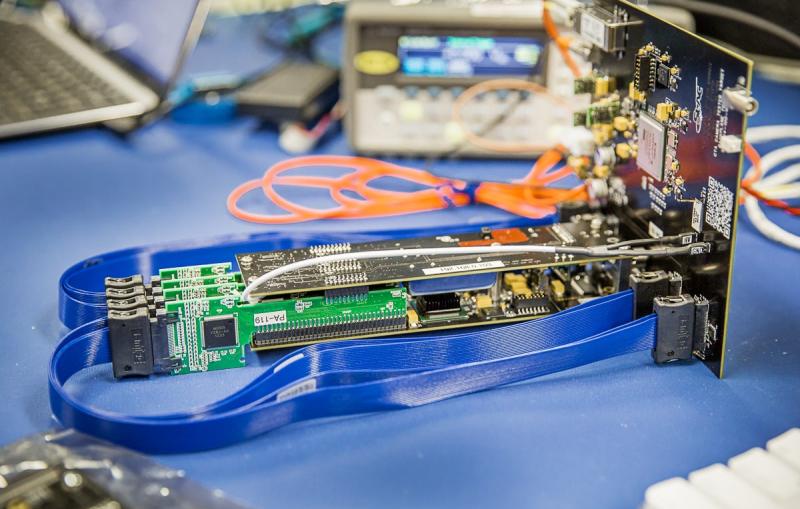
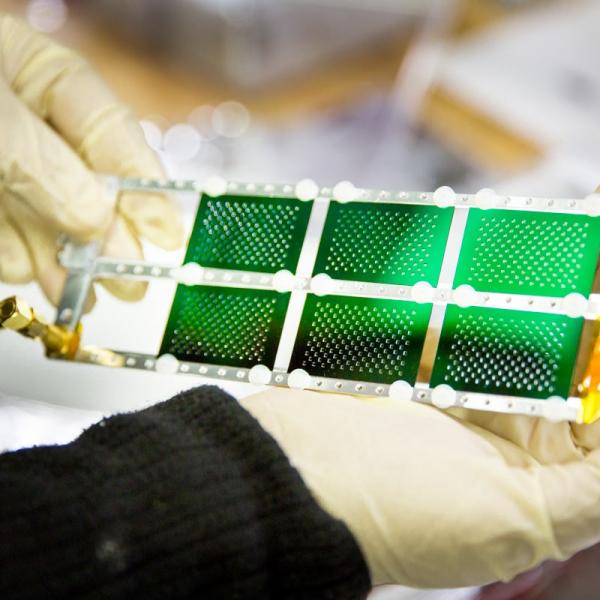
Scientists from the Kavli Institute for Particle Astrophysics and Cosmology are helping build cameras for the Cherenkov Telescope Array, an advanced, ground-based gamma-ray observatory.
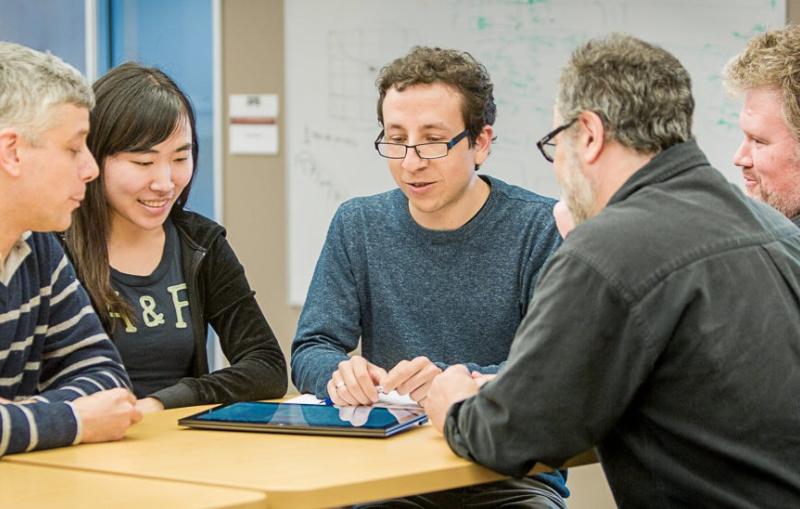
SLAC recently hosted a forward-looking group of theoretical and experimental particle physicists. Their purpose: Follow the science to determine what a post-LHC collider could teach us about the universe.
SLAC-led researchers have made the first direct measurements of a small, extremely rapid atomic rearrangement that dramatically changes the properties of many important materials.
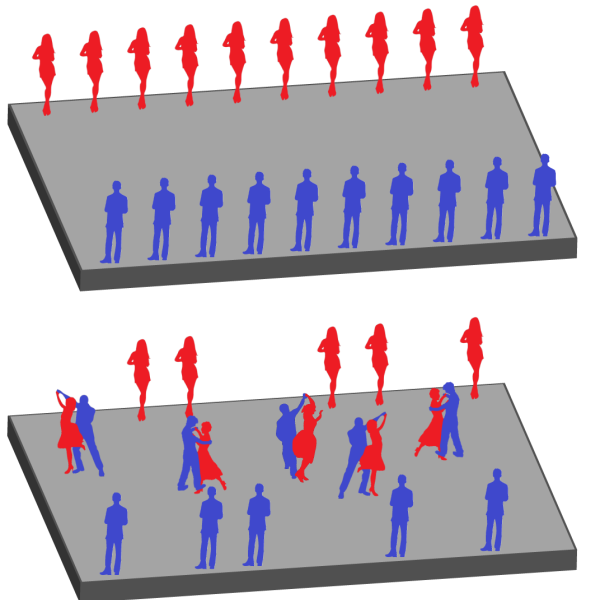
Science is no longer the wallflower who doesn’t get asked to the dance, writes physicist Glen Crawford in an essay about science outreach past and present.
Scientists at SLAC and Stanford show how high-temperature superconductivity emerges out of magnetism in an iron pnictide, a class of materials with great potential for making devices that conduct electricity with 100 percent efficiency.
Rolls-Royce researchers came to SLAC earlier this month as part of a team testing titanium and its alloys, such as those used in engine parts, landing gear and other aircraft components
Agostino Marinelli, a postdoctoral researcher in the Accelerator Directorate, has been named the 2014 recipient of the Frank Sacherer Prize from the European Physical Society.
SLAC's Siegfried Glenzer has been selected to receive an Ernest Orlando Lawrence Award, presented by the U.S. Secretary of Energy to honor scientists across a range of fields.
A new study, based on an experiment at SLAC's X-ray laser, pins down a major factor behind the appearance of superconductivity—the ability to conduct electricity with 100 percent efficiency—in a promising copper-oxide material.
A new theory and computer simulation by SLAC and Stanford researchers rule out high-energy magnetic interactions as a major factor in making copper oxide materials perfect electrical conductors – superconductors – at relatively high temperatures.
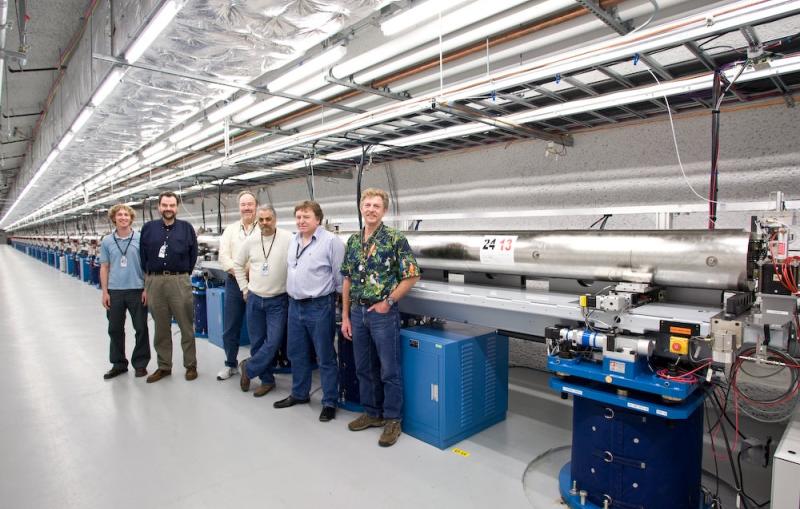
Five years ago, the brightest source of X-rays on the planet lit up at SLAC. The Linac Coherent Light Source (LCLS) X-ray laser's scientific and technical progress since its momentous "first light" have been no less luminous, say those who...
Scientists from the Kavli Institute for Particle Astrophysics and Cosmology are helping build cameras for the Cherenkov Telescope Array, an advanced, ground-based gamma-ray observatory.