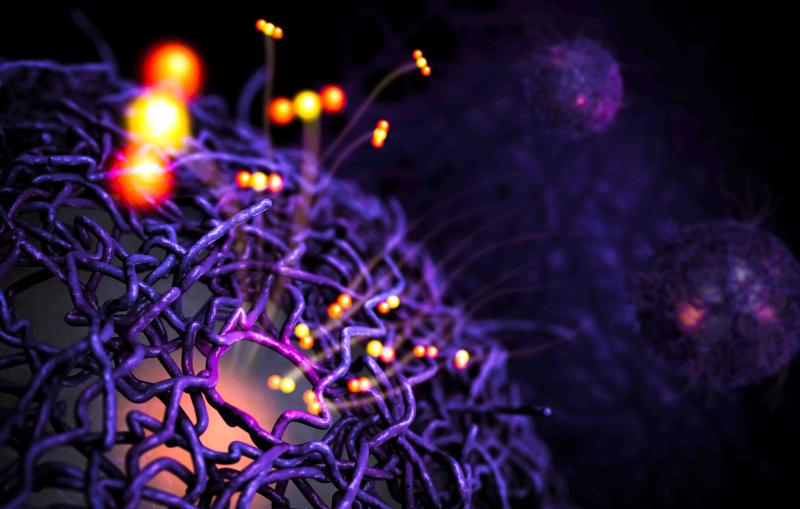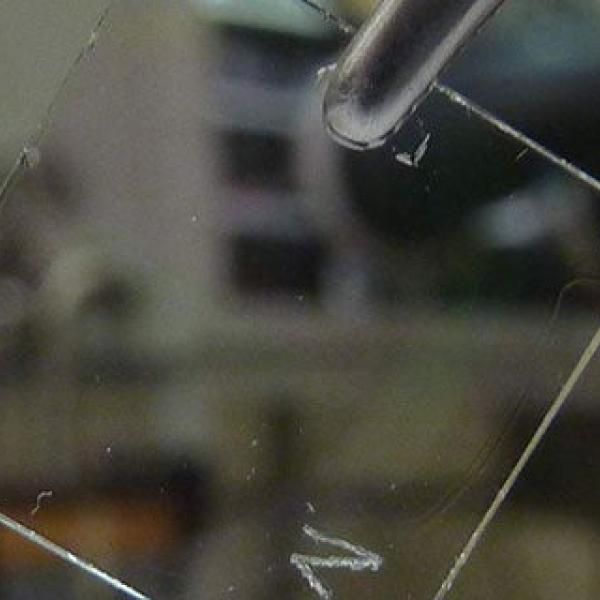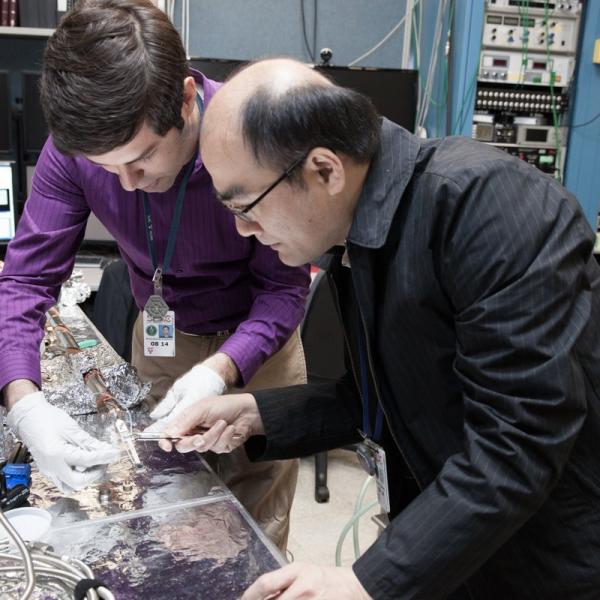
In a new state-of-the-art lab at SLAC National Accelerator Laboratory, components of ribosomes – tiny biological machines that make new proteins and play a...
The first complete chemical analysis of feathers from Archaeopteryx, a famous fossil linking dinosaurs and birds, reveals that the feathers were patterned—light in color...
At first glance the beautifully bound 1797 Luigi Cherubini opera Médée looks like an impeccably preserved relic of opera's golden age. However, flip to...
Through innovations to a printing process, researchers have made major improvements to organic electronics – a technology in demand for lightweight, low-cost solar cells...
Pushing gold exploration to the nanoscale, scientists used SLAC's Linac Coherent Light Source X-ray laser to produce a series of 3-D images that detail...
Two SLAC physicists with decades of particle accelerator experience helped a Silicon Valley company design and build X-ray devices that scan cargo containers for...
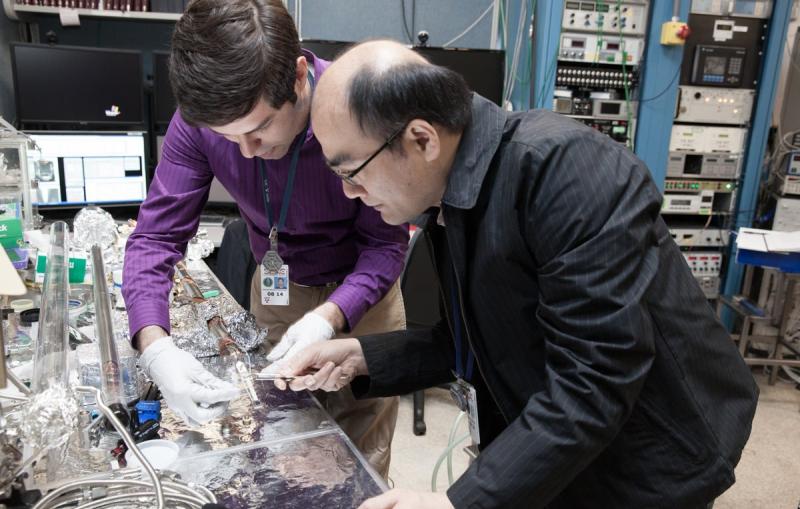
In a new state-of-the-art lab at SLAC National Accelerator Laboratory, components of ribosomes – tiny biological machines that make new proteins and play a vital role in gene expression and antibiotic treatments – form crystals in a liquid solution.
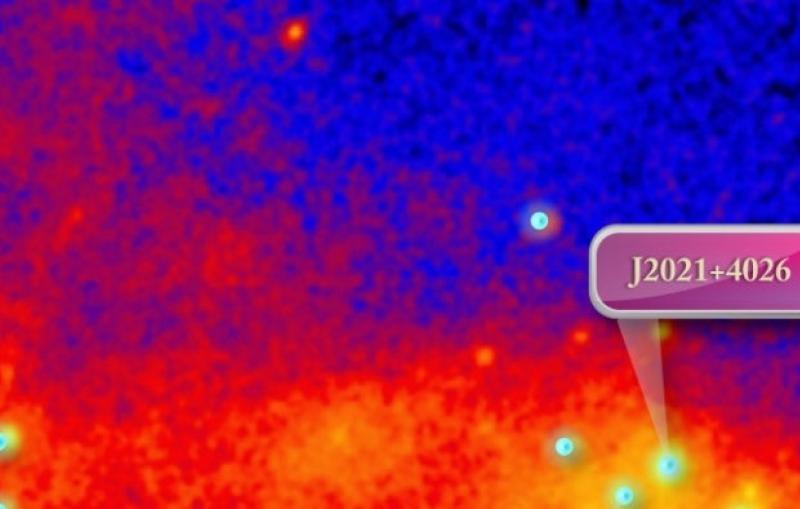
On June 11, 2008, what was then the Gamma-ray Large Area Space Telescope rode a Delta II rocket into low-Earth orbit. After two months of tests and checks and calibrations, on August 11, 2008, NASA declared GLAST open for business...
When it comes to improving the performance of lithium-ion batteries, no part should be overlooked – not even the glue that binds materials together in the cathode, researchers at SLAC and Stanford have found.
In an advance that will help scientists design and engineer proteins, a team including researchers from SLAC and Stanford has found a way to identify how protein molecules flex into specific atomic arrangements required to catalyze chemical reactions essential for...
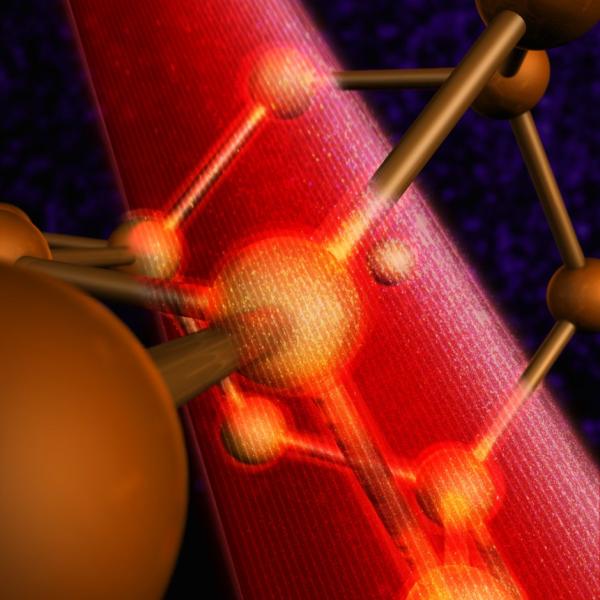
A new tool at SLAC's Linac Coherent Light Source splits individual X-ray laser pulses into two pulses that can hit a target one right after another with precisely controlled timing, allowing scientists to trigger and measure specific ultrafast changes in...
The first complete chemical analysis of feathers from Archaeopteryx, a famous fossil linking dinosaurs and birds, reveals that the feathers were patterned—light in color, with a dark edge and tip—rather than all black, as previously thought.
At first glance the beautifully bound 1797 Luigi Cherubini opera Médée looks like an impeccably preserved relic of opera's golden age. However, flip to the final pages of the aria "Du trouble affreux qui me dévore" ("The terrible disorder that...
Through innovations to a printing process, researchers have made major improvements to organic electronics – a technology in demand for lightweight, low-cost solar cells, flexible electronic displays and tiny sensors. The printing method is fast and works with a variety...
Pushing gold exploration to the nanoscale, scientists used SLAC's Linac Coherent Light Source X-ray laser to produce a series of 3-D images that detail a ringing effect in tiny gold crystals.
Two SLAC physicists with decades of particle accelerator experience helped a Silicon Valley company design and build X-ray devices that scan cargo containers for nuclear materials and other hazards.