


SLAC topics

Engineering RSS feed

Engineering is at the heart of SLAC’s scientific innovation, from large scale projects like the LSST Camera and the LCLS X-ray laser upgrade to detectors and software solutions.

Browse tagged content below
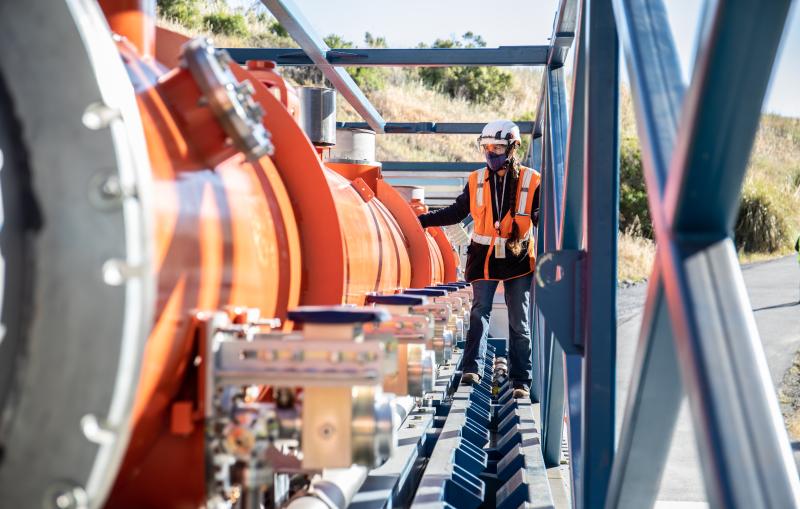
Last cryomodule unload, #41 from Fermilab F1.3-06. This one will be one of a few spares for LCLS-II.
News Brief

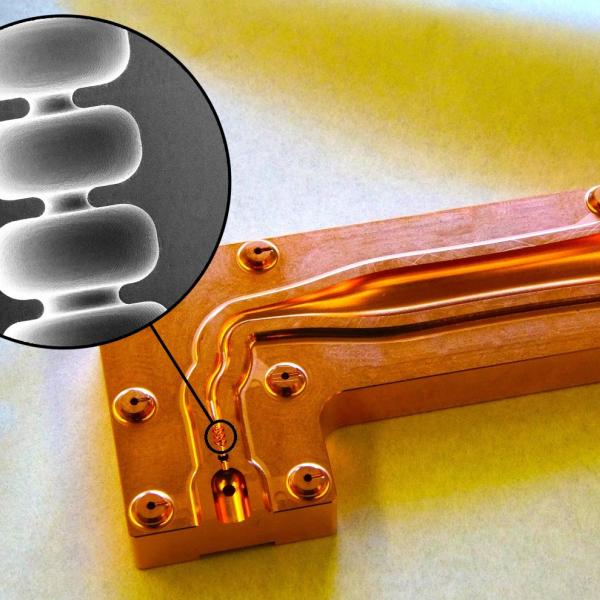
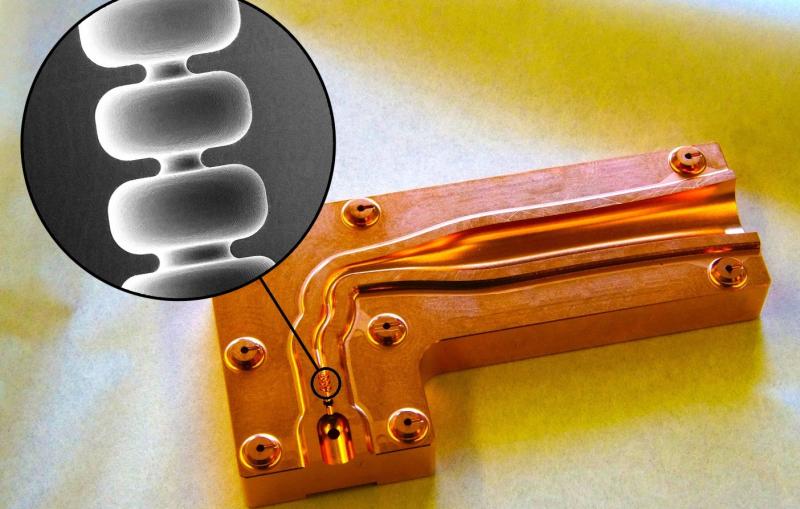
It uses terahertz radiation to power a miniscule copper accelerator structure.

Terahertz accelerator structure
News Release

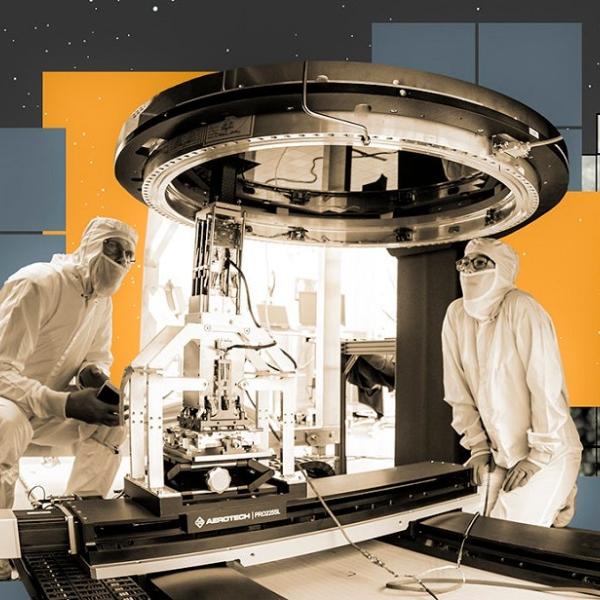
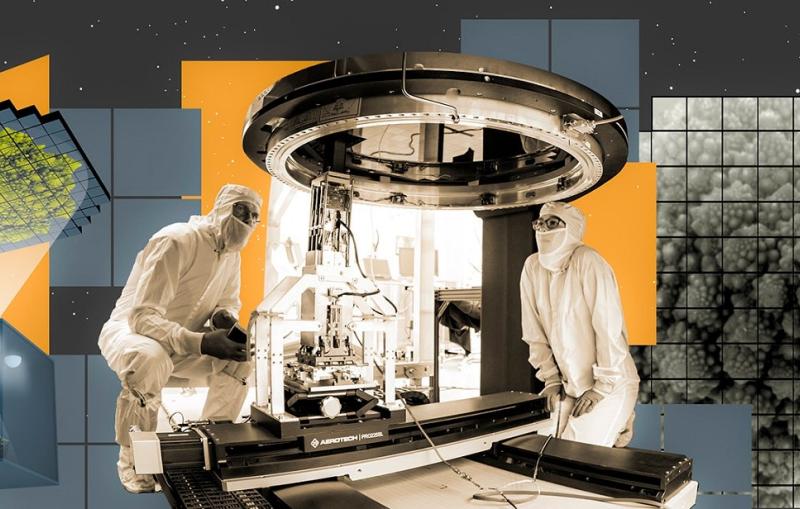
The camera will explore cosmic mysteries as part of the Rubin Observatory’s Legacy Survey of Space and Time.

LSSTCam Focal Plane Header
Feature

Q-NEXT will tackle next-generation quantum science challenges through a public-private partnership, ensuring U.S. leadership in an economically crucial arena.

QIS public-private partnership.
Feature

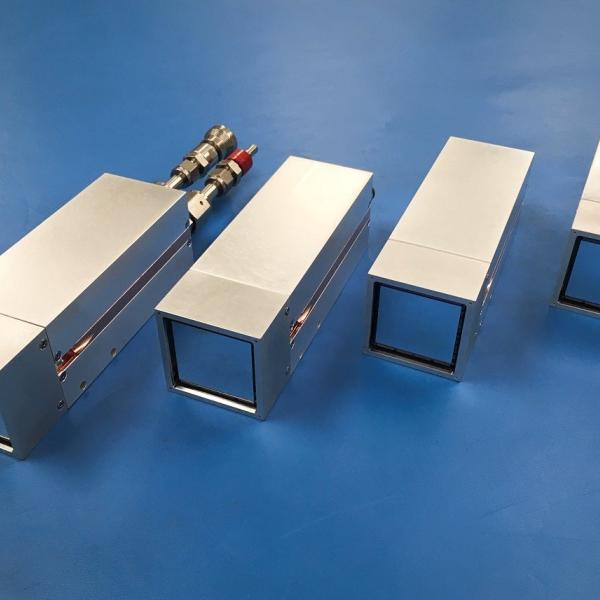
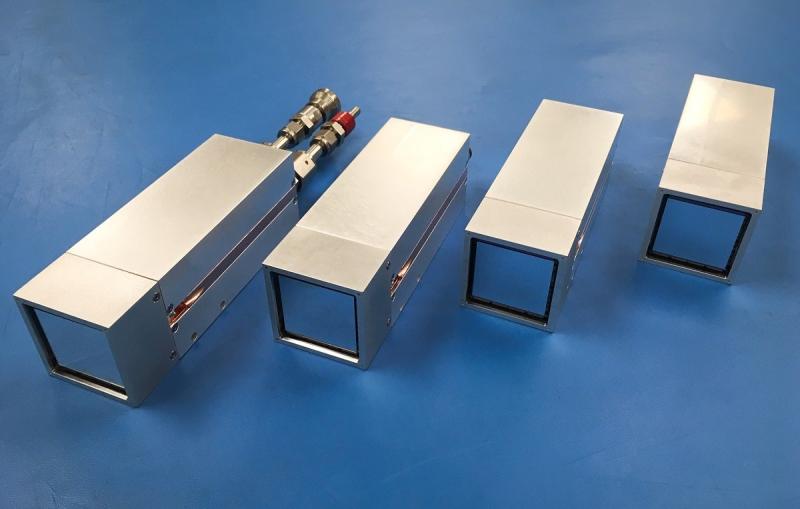
The ePix10k detector is ready to advance science at SLAC’s Linac Coherent Light Source X-ray laser and at facilities around the world.

ePix10k
News Release

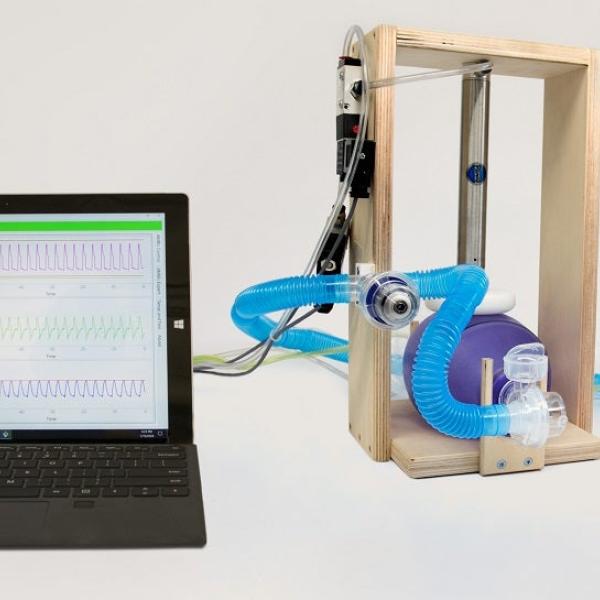
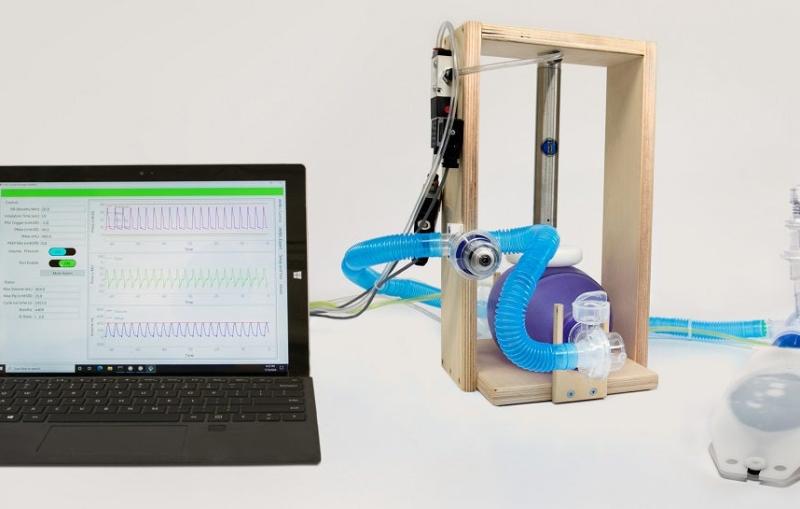
The technology could save the lives of COVID-19 patients when more advanced ventilators are too expensive or not available.

Ventilator Prototype
Feature

Siegfried Glenzer's team and collaborators from Tel Aviv University are working on a method that could make proton accelerators 100 times smaller without giving...

Glenzer-LaserProtonAcceleration
Feature

The SLAC/Stanford scientists are among 120 new members of an organization that advises the nation on science and technology issues.

NAS 2020
Feature

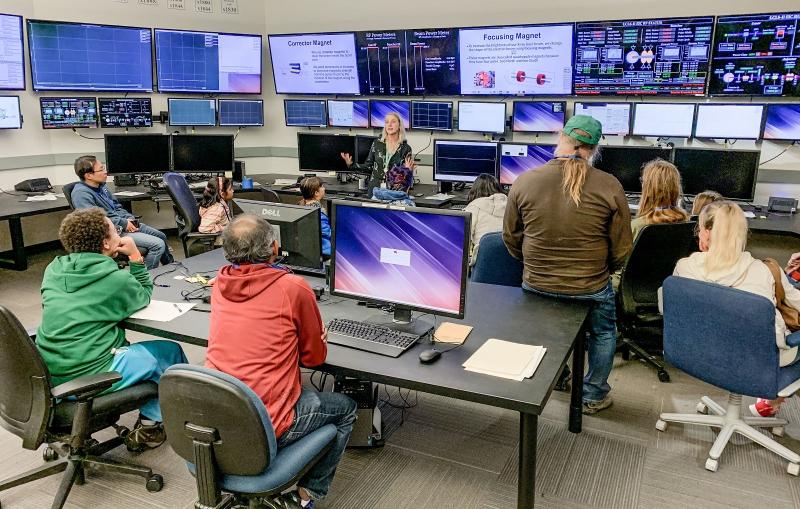
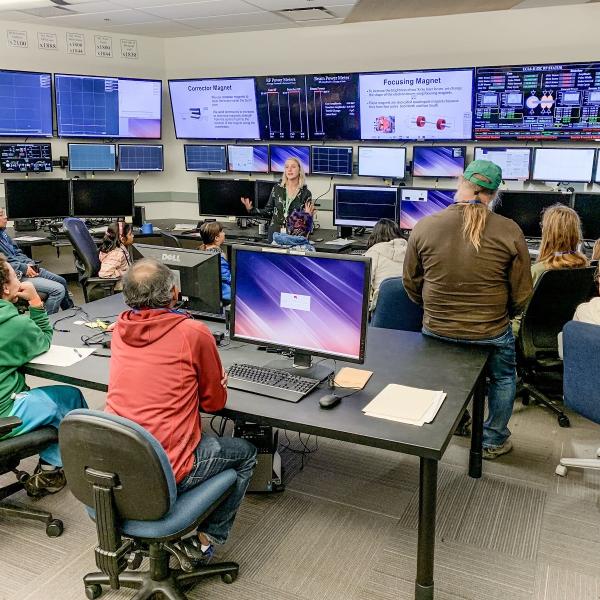
It combines human knowledge and expertise with the speed and efficiency of “smart” computer algorithms.

Accelerator Control Room
Feature

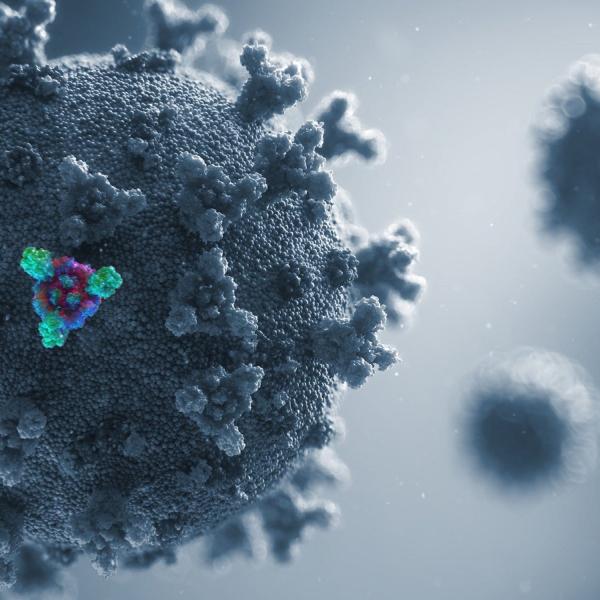
The lab is responding to the coronavirus crisis by imaging disease-related biomolecules, developing standards for reliable coronavirus testing and enabling other essential research.

SARS-CoV-2
Feature

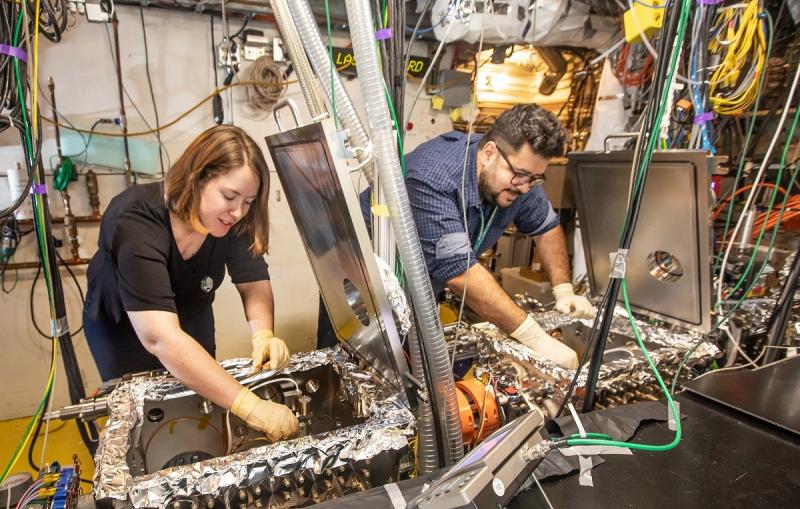
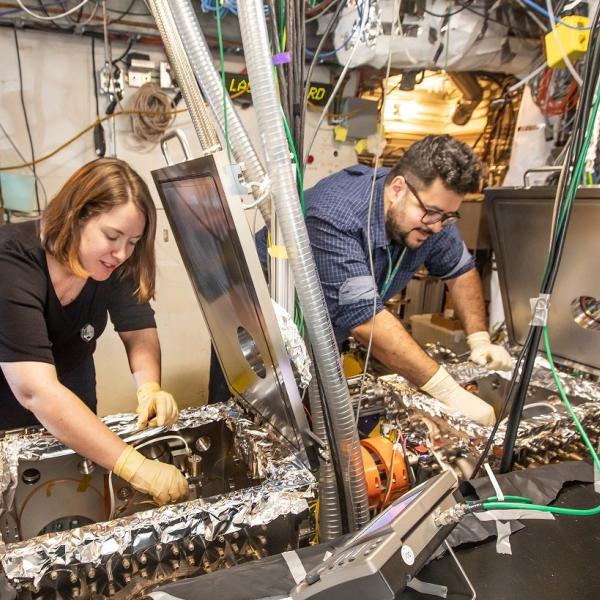
Researchers have squeezed a high-energy electron beam into tight bundles using terahertz radiation, a promising advance in watching the ultrafast world of atoms unfold.

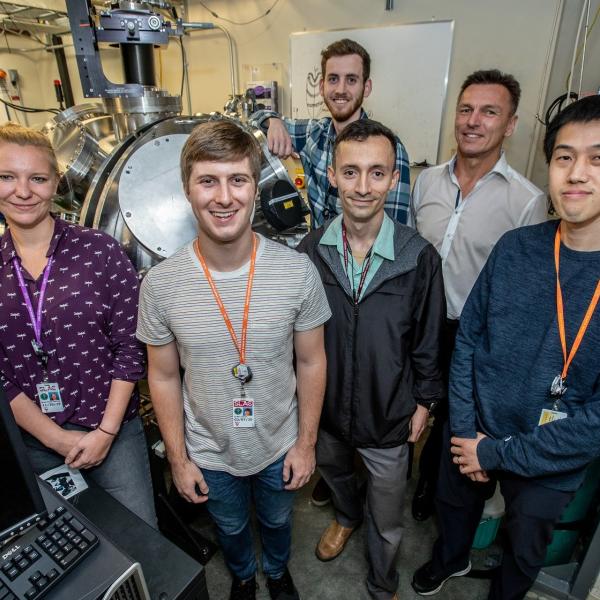
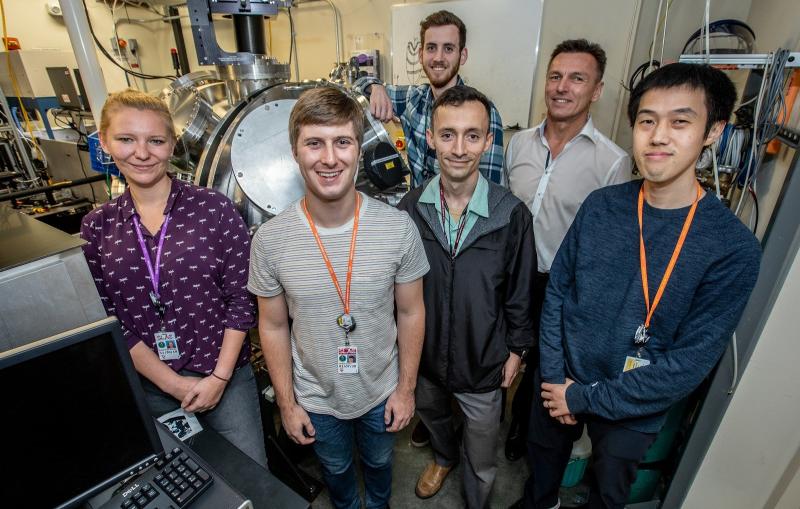
SLAC’s Emma Snively and Mohamed Othman at the lab’s high-speed “electron camera."
Feature

SLAC scientists and collaborators are developing 3D copper printing techniques to build accelerator components.

3D-printed copper components
News Release

Called XLEAP, the new method will provide sharp views of electrons in chemical processes that take place in billionths of a billionth of a...

XLEAP illustration.