SLAC topics

Engineering RSS feed

Engineering is at the heart of SLAC’s scientific innovation, from large scale projects like the LSST Camera and the LCLS X-ray laser upgrade to detectors and software solutions.

Browse tagged content below

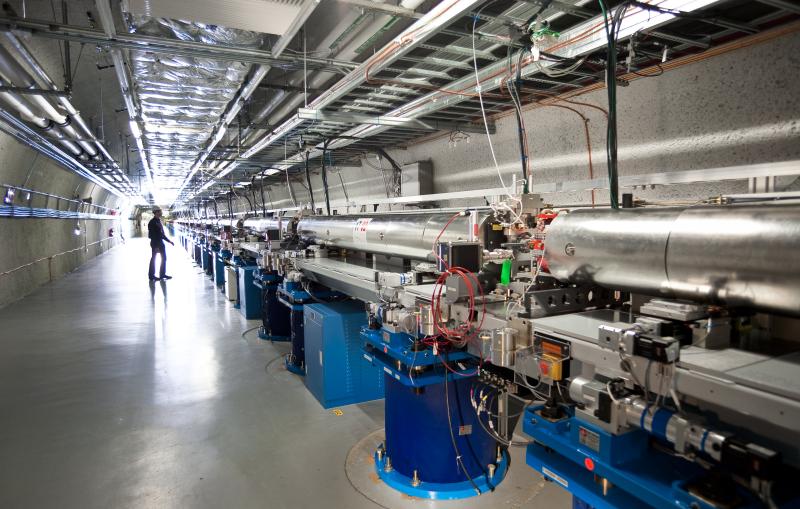
Last cryomodule unload, #41 from Fermilab F1.3-06. This one will be one of a few spares for LCLS-II.
Feature

Ultrafast manipulation of material properties with light could stimulate the development of novel electronics, including quantum computers.

Topological Switch Lead Art
News Release

SLAC and Stanford researchers secure support for two projects that share one goal: to reduce the side effects of radiation therapy by vastly shrinking...

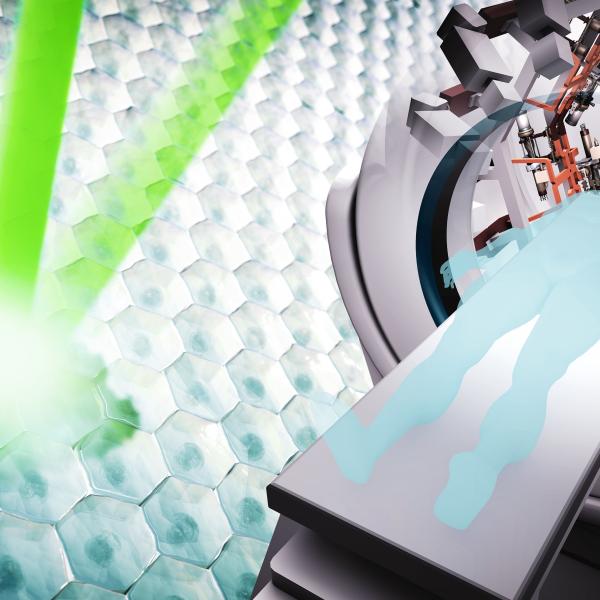
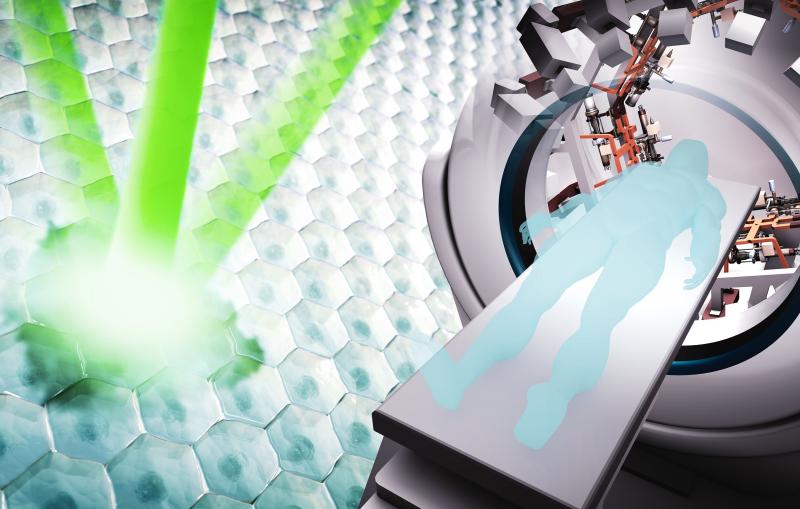
Researchers at SLAC and Stanford are developing new accelerator-based technology that aims to speed up cancer radiation therapy.
Feature

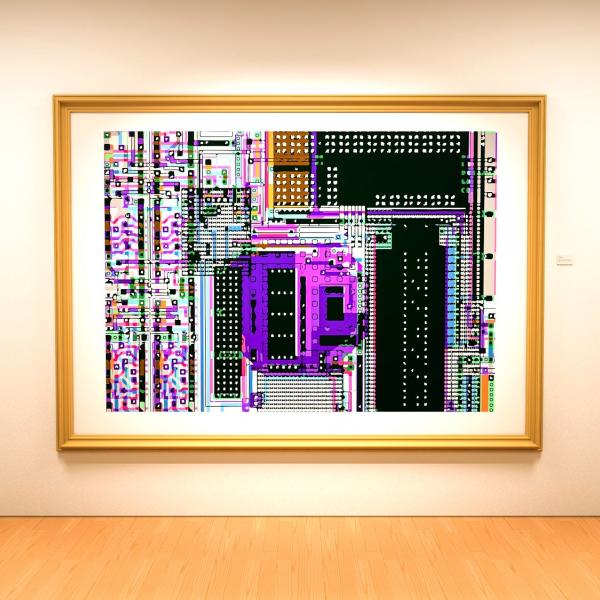
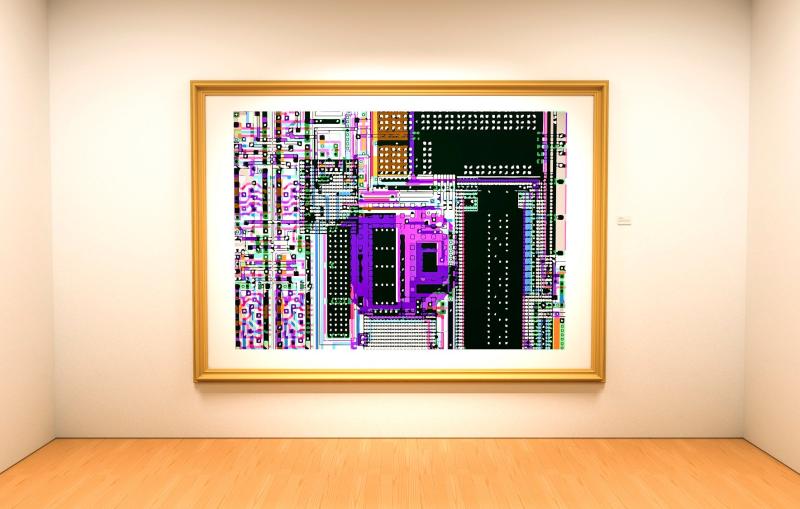
A team of electrical designers develops specialized microchips for a broad range of scientific applications, including X-ray science and particle physics.

This illustration shows the layout of an application-specific integrated circuit, or ASIC, at an imaginary art exhibition.
Feature

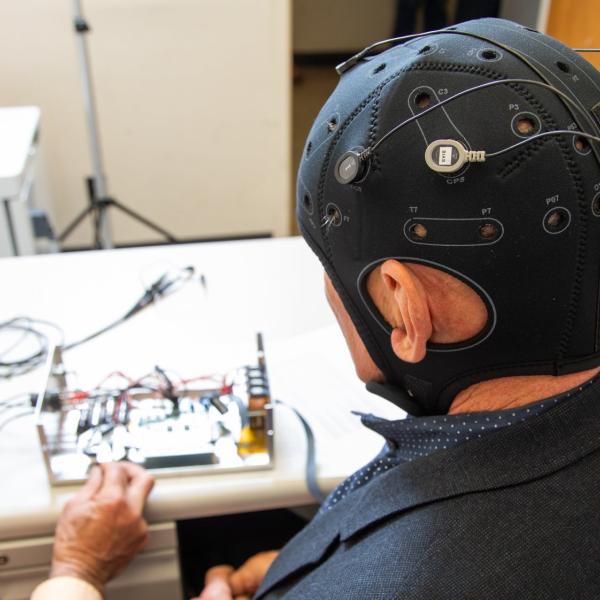
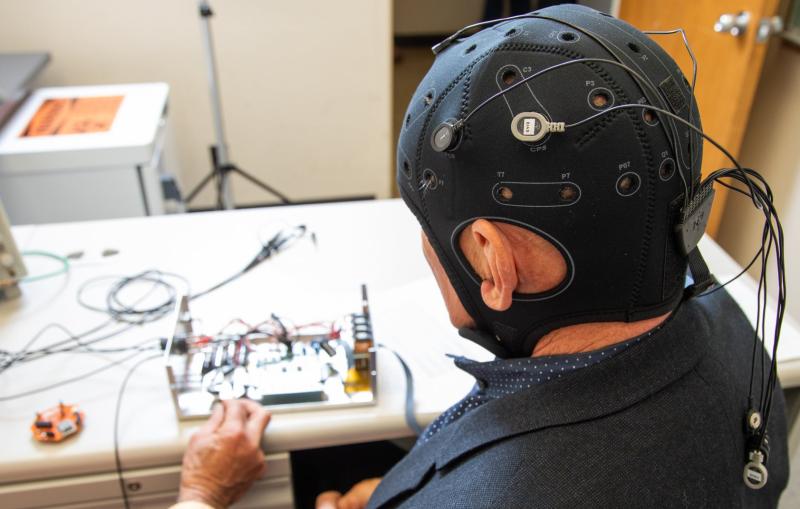
SLAC and Stanford researchers are developing a device that combines electrical brain stimulation with EEG recording, opening potential new paths for treating neurological disorders.

Neurostimulation
News Release

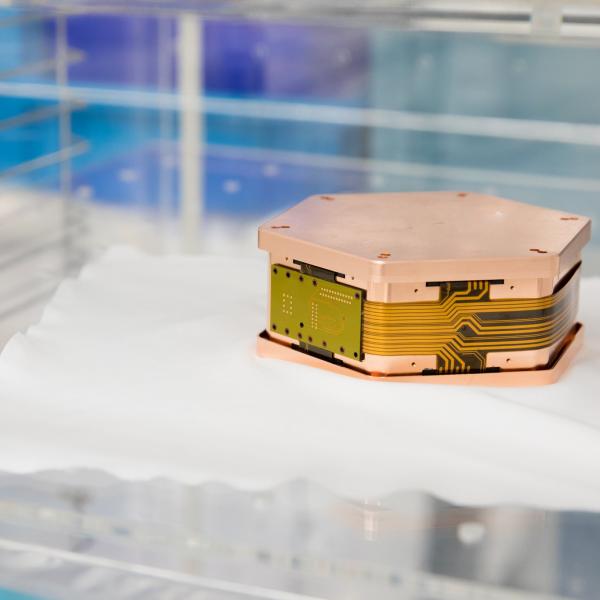
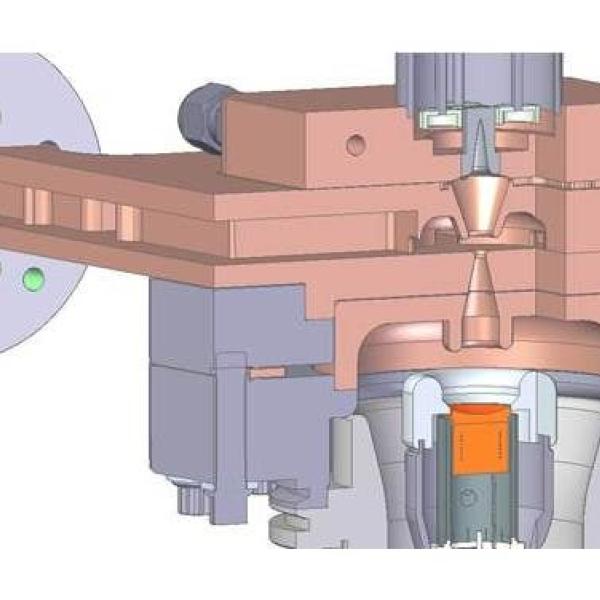
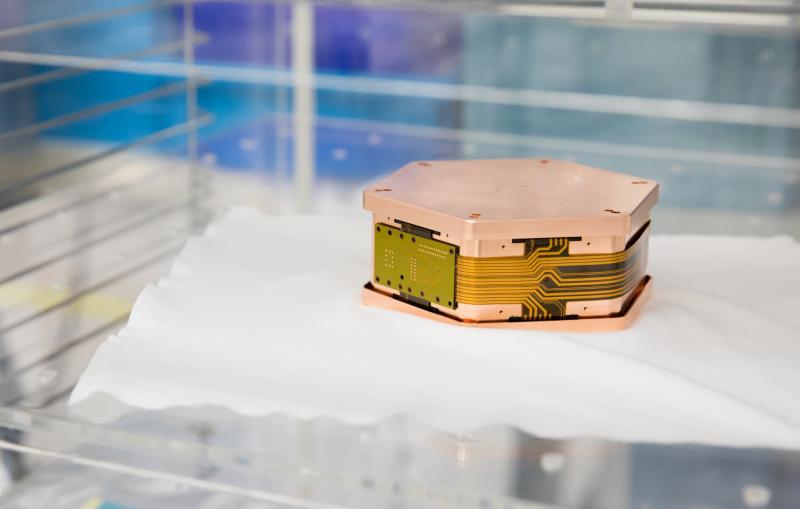
The SuperCDMS SNOLAB project, a multi-institutional effort led by SLAC, is expanding the hunt for dark matter to particles with properties not accessible to...

SuperCDMS Detector 2
Illustration
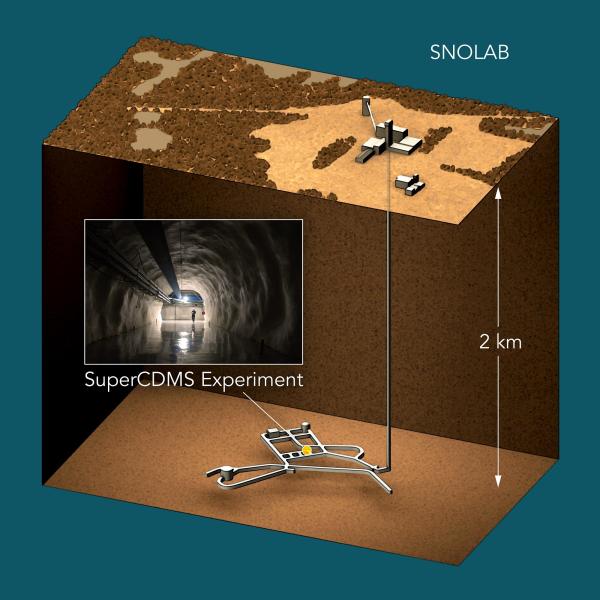
The SuperCDMS dark matter experiment will be located at the Canadian laboratory SNOLAB, 2 kilometers (6,800 feet) underground inside a...
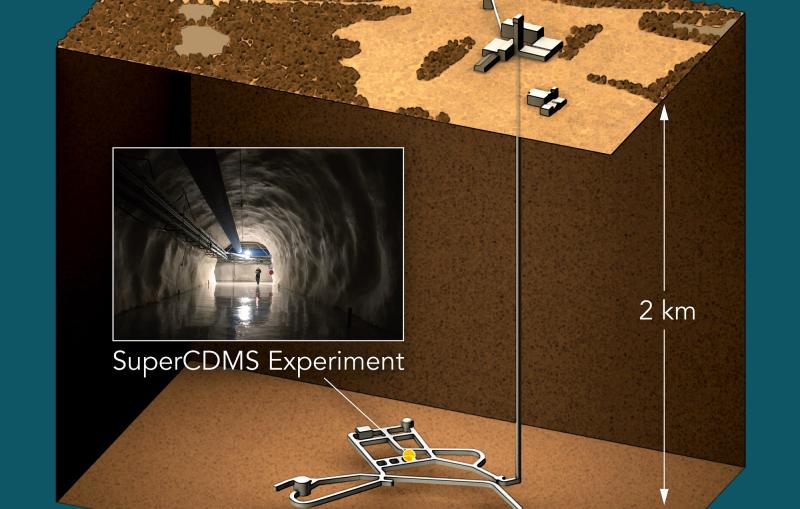
SuperCDMS Location
Feature

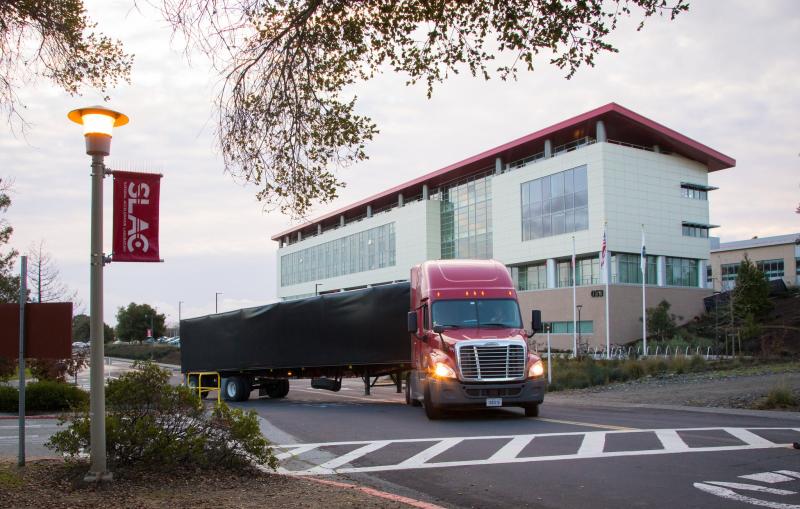
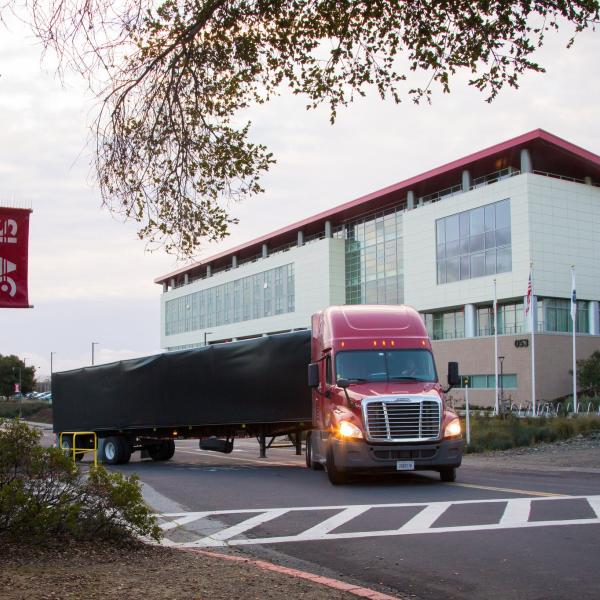
The 40-foot-long segment of the new superconducting accelerator arrived on January 19, 2018 after a cross-country trip from Fermilab.

Feature
VIA Symmetry Magazine

Something Borrowed

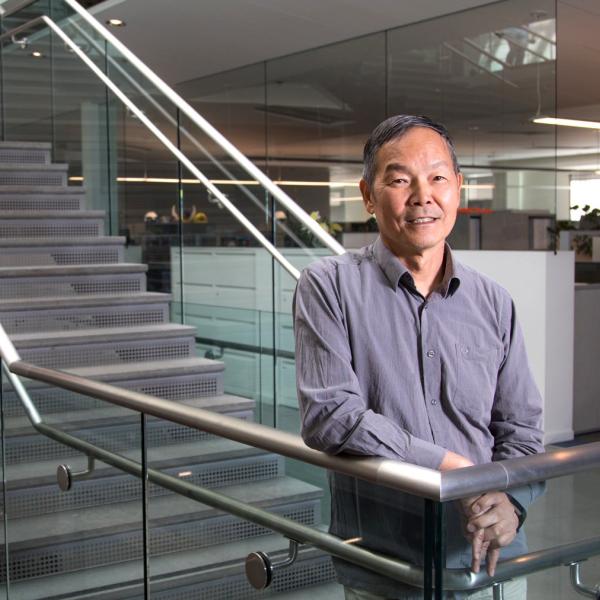
SLAC engineer Knut Skarpaas designs some of physics’ most challenging machines, finding inspiration in unexpected places.

Feature

He is recognized for his numerous contributions to the advancement of accelerator physics, community service and education.

Alexander Chao
Feature

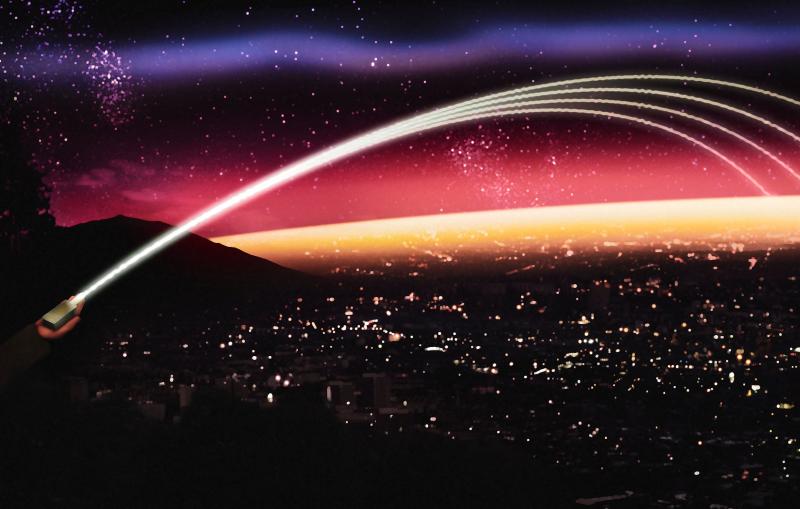
A new device could open new avenues for the generation of high-frequency radiation with applications in science, radar, communications, security and medical imaging.

New Millimeter Source
Feature

More than 100 students worked on projects ranging from website development to imaging techniques for X-ray studies, learning new ways to apply their talents.

SSRL interns Sabine Hollatz, left, and Anastasiia Makhniaieva, right
Feature

Tripling the energy and refining the shape of optical laser pulses at LCLS’s Matter in Extreme Conditions instrument allows researchers to recreate higher-pressure conditions...

Laser engineers with the upgraded Matter in Extreme Conditions optical laser