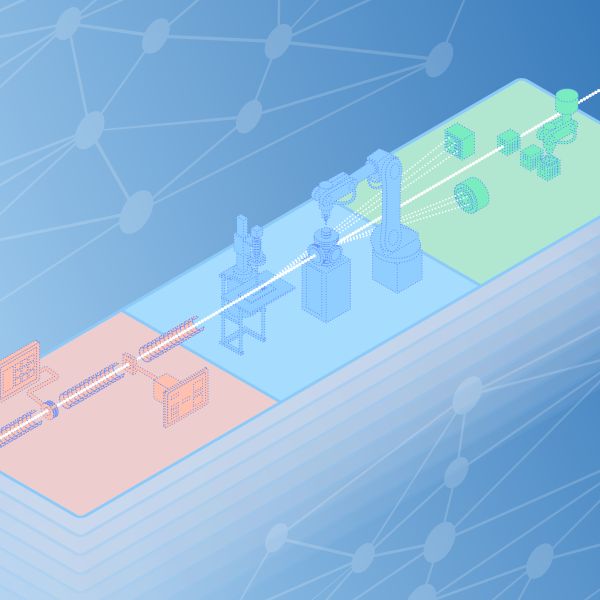
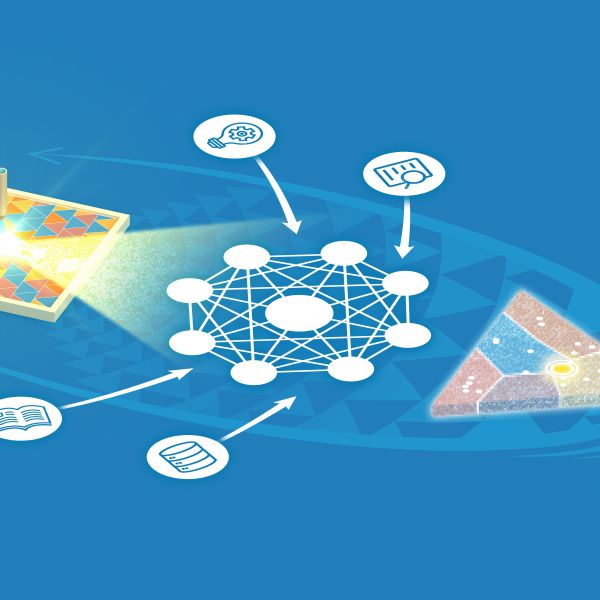
Tomorrow's innovations will come from autonomous labs that slash discovery time, and SLAC's facilities are taking the lead in a new collaboration with Stanford, other national labs, universities, and industry.
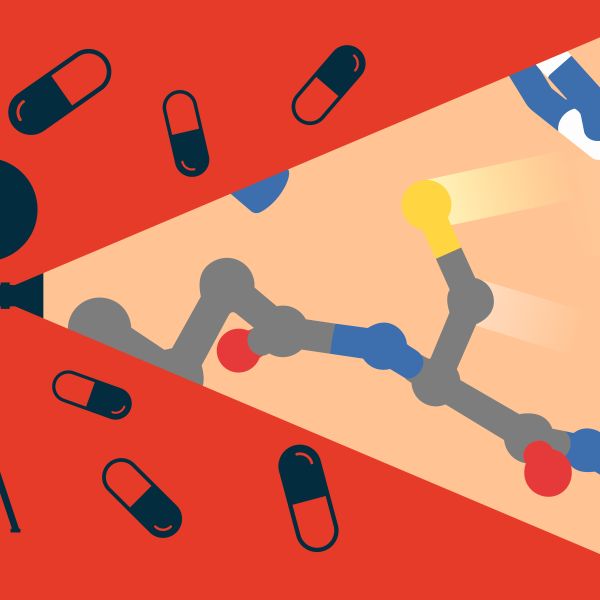
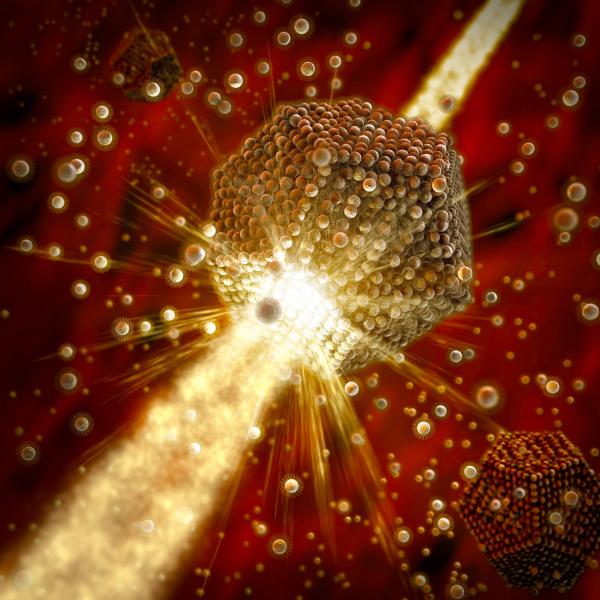
Using X-ray free-electron lasers like SLAC’s LCLS, researchers study how enzymes catalyze reactions, which could help them develop drugs and other medical treatments.
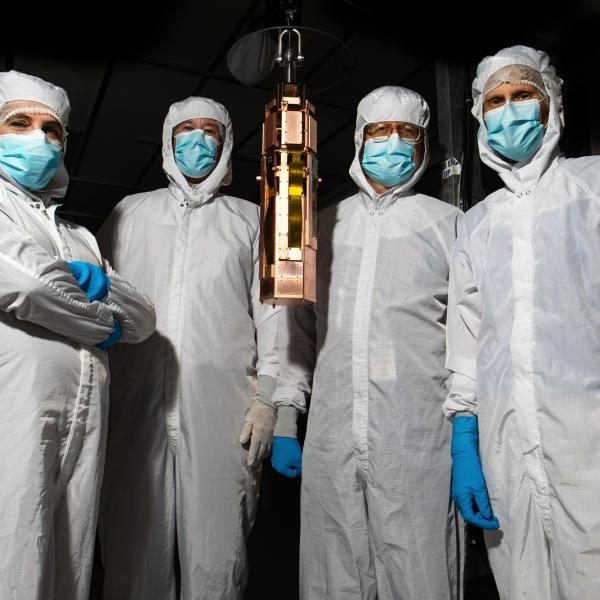
Something is lurking in the dark. Dark matter makes up most of the matter in the universe, yet it continues to slip through our grasp. But could scientists be closing in? The LUX-ZEPLIN (LZ) experiment recently made headlines after researchers...
SLAC research explores nature on all scales, from the unseen realms of fundamental particles and unbelievably fast processes to astrophysical phenomena of cosmic dimensions that unfold over the age of the universe. Our research opens new windows to the natural...
Stanford and SLAC faculty members Wendy Mao and Alberto Salleo have been honored for work in compressed-matter physics and polymer electronic materials.
SLAC’s advanced facilities, expertise in energy science and technology, and strong partnerships are breaking new ground in securing abundant, reliable energy. Visit our energy research page to learn more.
Announced by the DOE today, the funded project will explore the use of Super Intelligence to accelerate our understanding of a process central to energy and chemical production. SLAC will also play a key role in eight other Genesis Mission...