Groundbreaking instrument back online, marking a key milestone in high-energy upgrade to SLAC’s X-ray laser
The X-ray Pump Probe instrument is returning to normal operations this spring and will see a major capability boost when the high-energy beam comes online near the end of 2027.
Key takeaways:
- XPP, an instrument at SLAC’s X-ray laser that has enabled groundbreaking science, is returning to normal operations this spring after a year-long rebuild.
- The overhaul is a key milestone for the ongoing high-energy upgrade to the Linac Coherent Light Source.
- It will see a major capability boost when the high-energy beam comes online toward the end of 2027.
XPP, the X-ray Pump Probe instrument at the Linac Coherent Light Source (LCLS), is back online and welcoming researchers after a complete rebuild. The overhaul has readied XPP for the significant increase in X-ray output expected from the ongoing high-energy upgrade to LCLS at the Department of Energy’s SLAC National Accelerator Laboratory. LCLS is a pioneering X-ray free-electron laser facility used by scientists around the world to capture ultrafast snapshots of natural processes.
“Completing the XPP rebuild on-time and on-budget is a key milestone for the high-energy upgrade effort, and we’re thrilled that the instrument is back to supporting researchers from around the world,” said John Hogan, project director for the LCLS high-energy upgrade. “This was a huge team effort, involving partners across SLAC’s engineering, science and project teams.”

Rebuilding the X-Ray Pump Probe Instrument
Since its 2010 debut, XPP has enabled groundbreaking research across materials science – from quantum information storage to material dynamics across timescales – as well as studies in chemistry, physics and bioscience. Researchers have leveraged XPP to pioneer X-ray optics technologies, including cavity-based X-ray oscillators that are shaping future X-ray free-electron laser facilities.
The recent, year-long rebuild prepared XPP for the upcoming high-energy upgrade to LCLS, which began in 2025 and will take about two years to complete. After the upgrade, LCLS will produce high-energy X-rays at repetition rates up to a million pulses per second, enabling XPP to gather more data, achieve higher spatial resolution and support a wider range of experiments.
“In 2010, XPP became the first instrument in the world to use hard X-rays from an X-ray free-electron laser,” said Takahiro Sato, XPP instrument lead. “It’s been an instrument we’ve used to develop new experimental tools and techniques and to showcase ultrafast science. With this upgrade, we’re enabling it to remain at the forefront of this field.”
To ready XPP for the major increase in photons, higher energies and associated heat loads, teams stripped out the entire instrument, removing legacy components and rebuilding the instrument with new and refurbished parts.
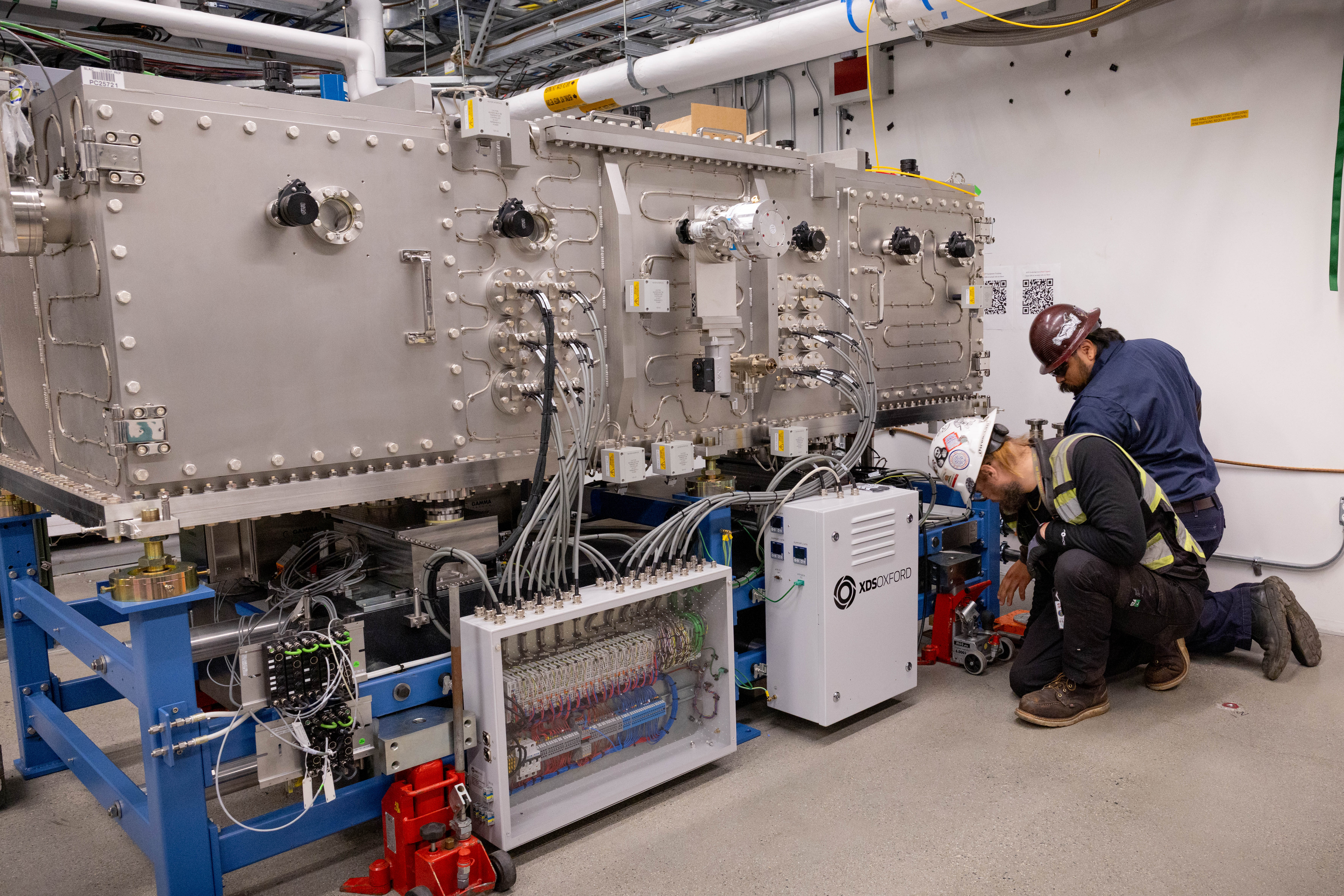
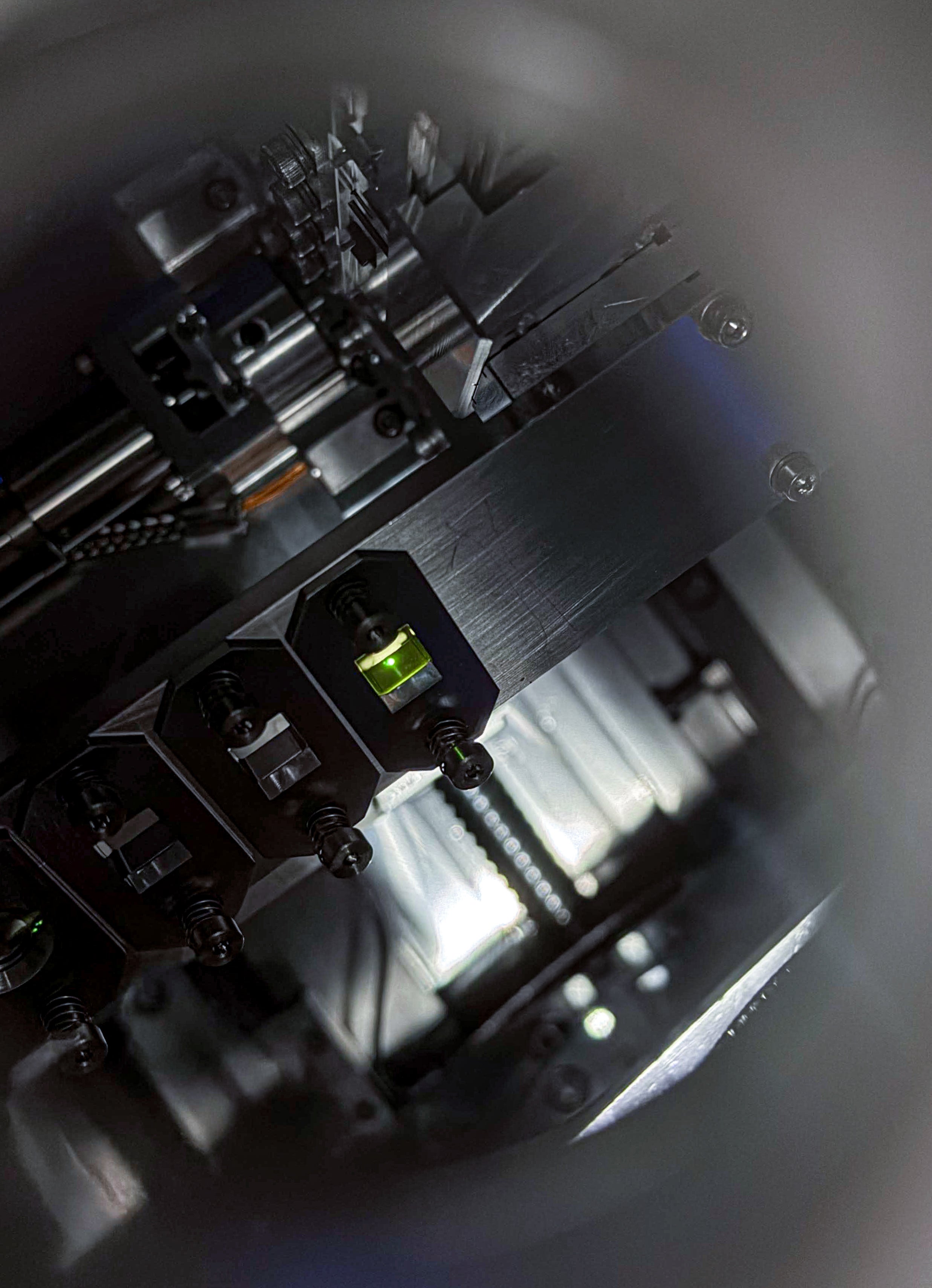
A key addition is a Large Offset Double Crystal Monochromator, which will be cryo-cooled using liquid nitrogen to approximately minus 260 degrees Fahrenheit to handle increased heat loads and minimize temperature fluctuations during experiments.

2025_1217_LCLS_HE_XPP_upgrade_LODCM_Bonin-6.jpg

The team also upgraded the multiplexing system, which can split the LCLS X-ray beam in two – directing one stream to XPP while sending another downstream to other instruments – so multiple experiments can run at once. The new multiplexing system replaces the old one and is more reliable and stable.
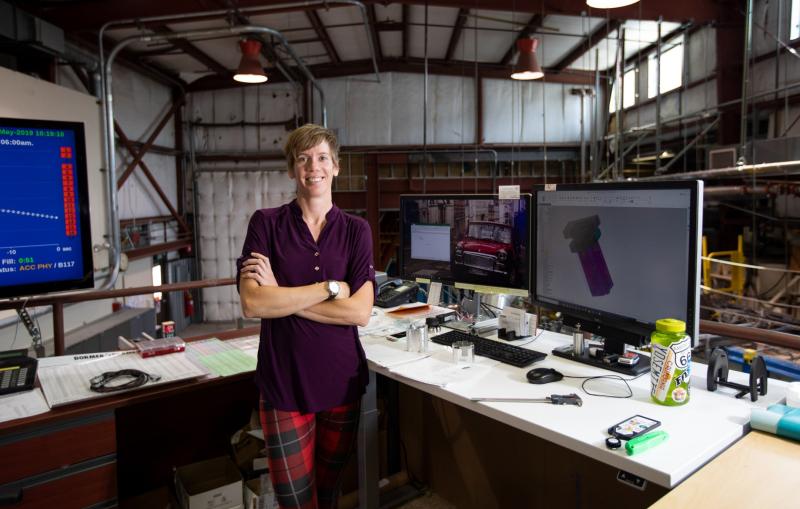
“This large-scale rebuild took place within an operating facility, and I’m proud of how our team worked to carefully time schedules and coordinate with other teams to make it happen,” said Rebecca Armenta, lead engineer for the XPP rebuild.
XPP is returning to normal operations this spring and will see a major capability boost when the high-energy beam comes online toward the end of 2027.
The team will continue select upgrades during scheduled downtimes this year, including replacing the existing beam containment systems with versions that will be compatible with higher energies and upgrading the optical pump laser with a new system designed for the upgraded LCLS.
“There’s still work to do, but it’s great to see the instrument back in service to users,” said Diling Zhu, a lead instrument scientist for the LCLS high-energy upgrade and deputy division director for the LCLS Science, Research and Development Division. “We have collaborators from around the world who have been anxiously waiting for XPP to come back online, and we’re excited to welcome them back.”
LCLS is a DOE Office of Science user facility. The LCLS-II High Energy upgrade is funded by the DOE Office of Science program for Basic Energy Sciences.
For media inquiries, please contact media@slac.stanford.edu. For other questions or comments, contact SLAC Strategic Communications & External Affairs at communications@slac.stanford.edu.

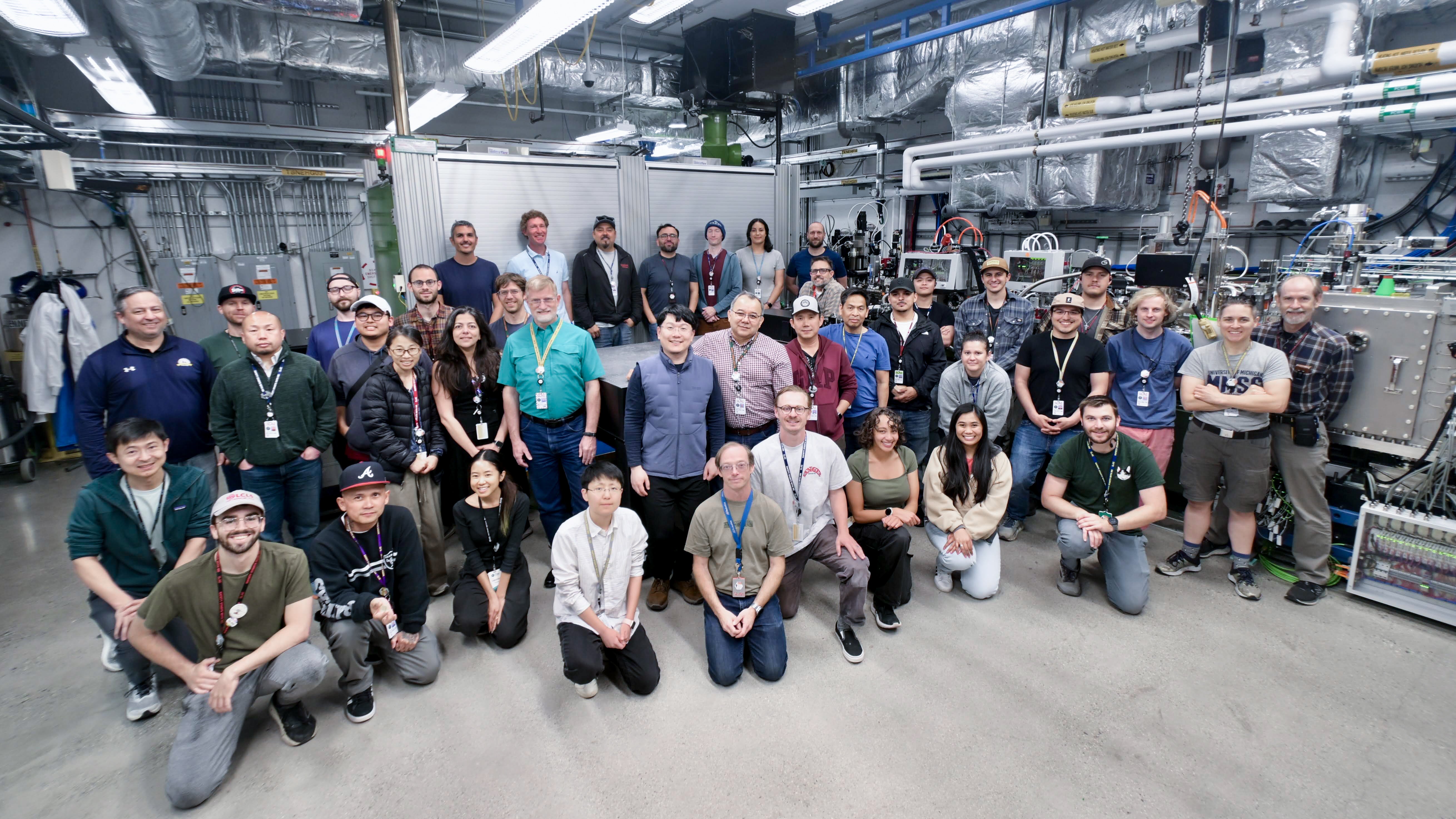
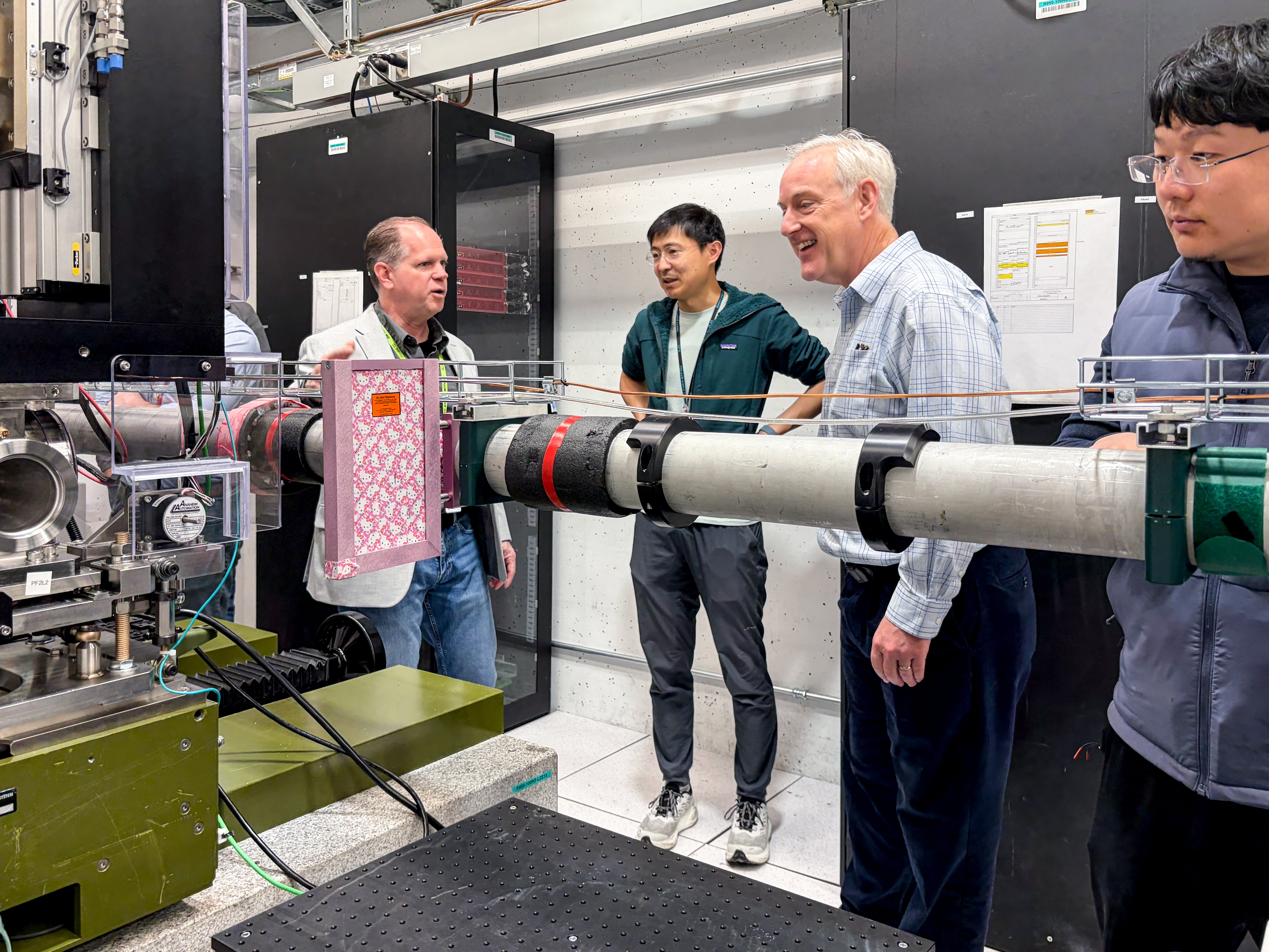
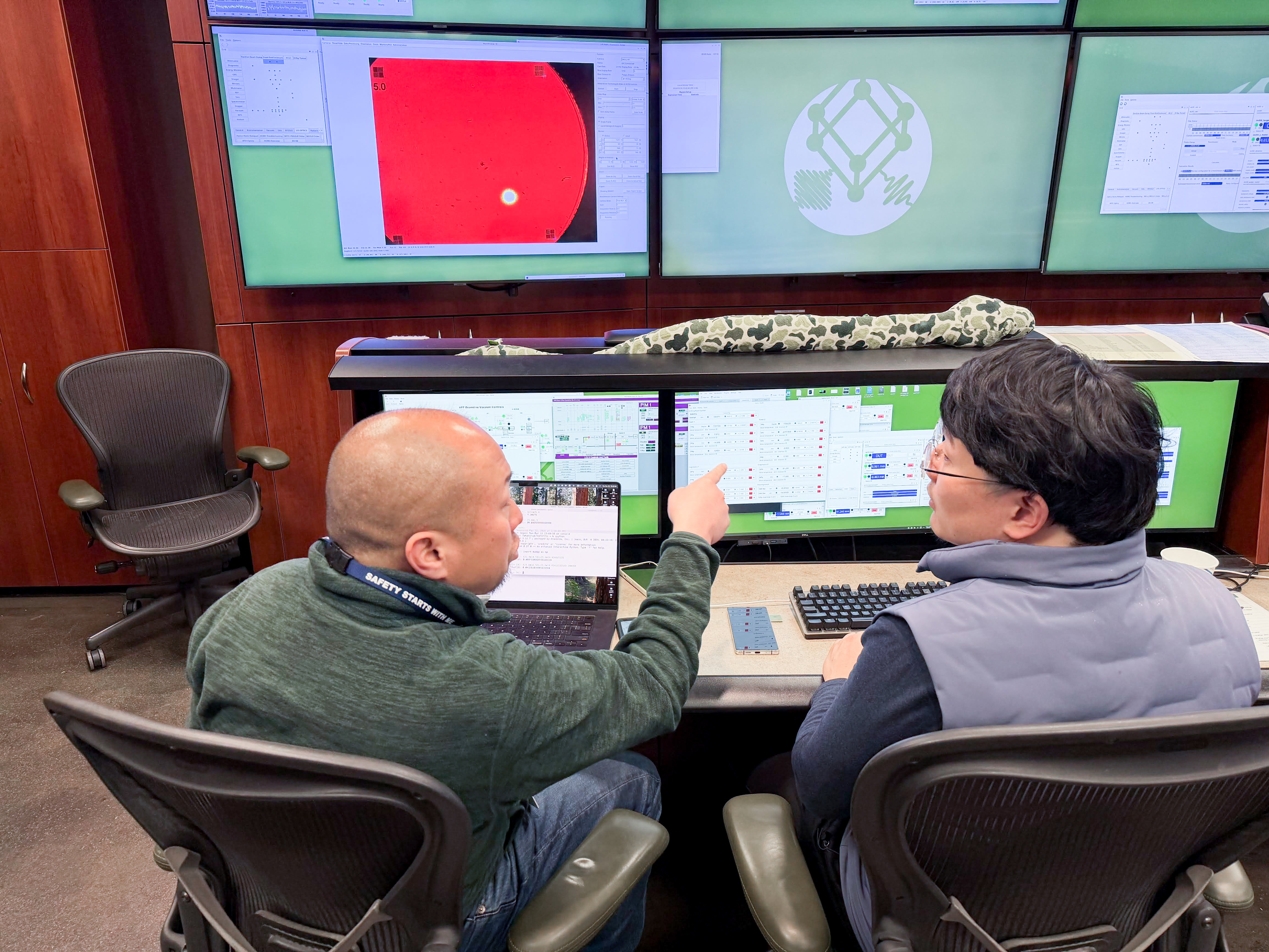
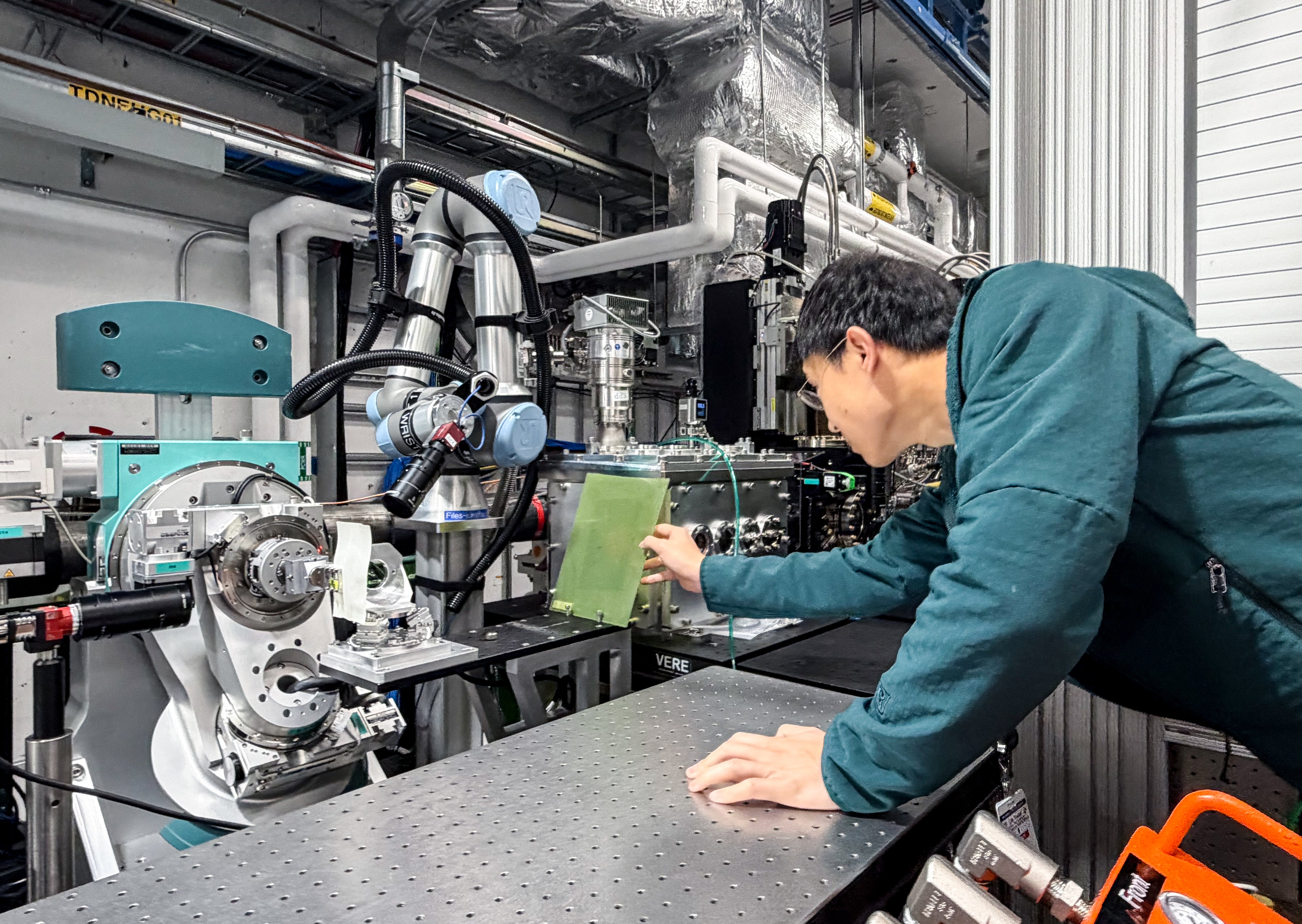
2026_0326_XPP_First_Light_Photos-6.jpg


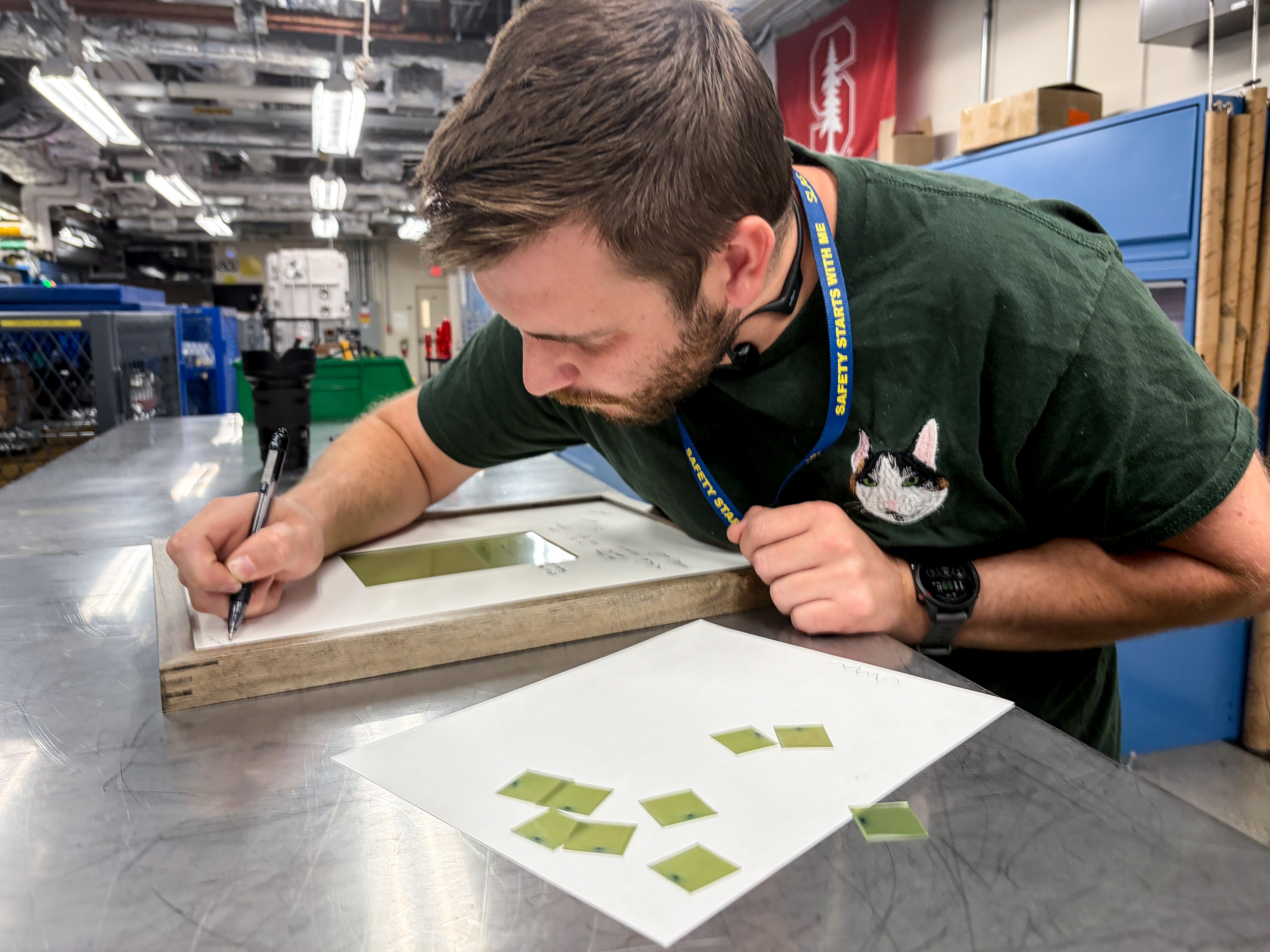
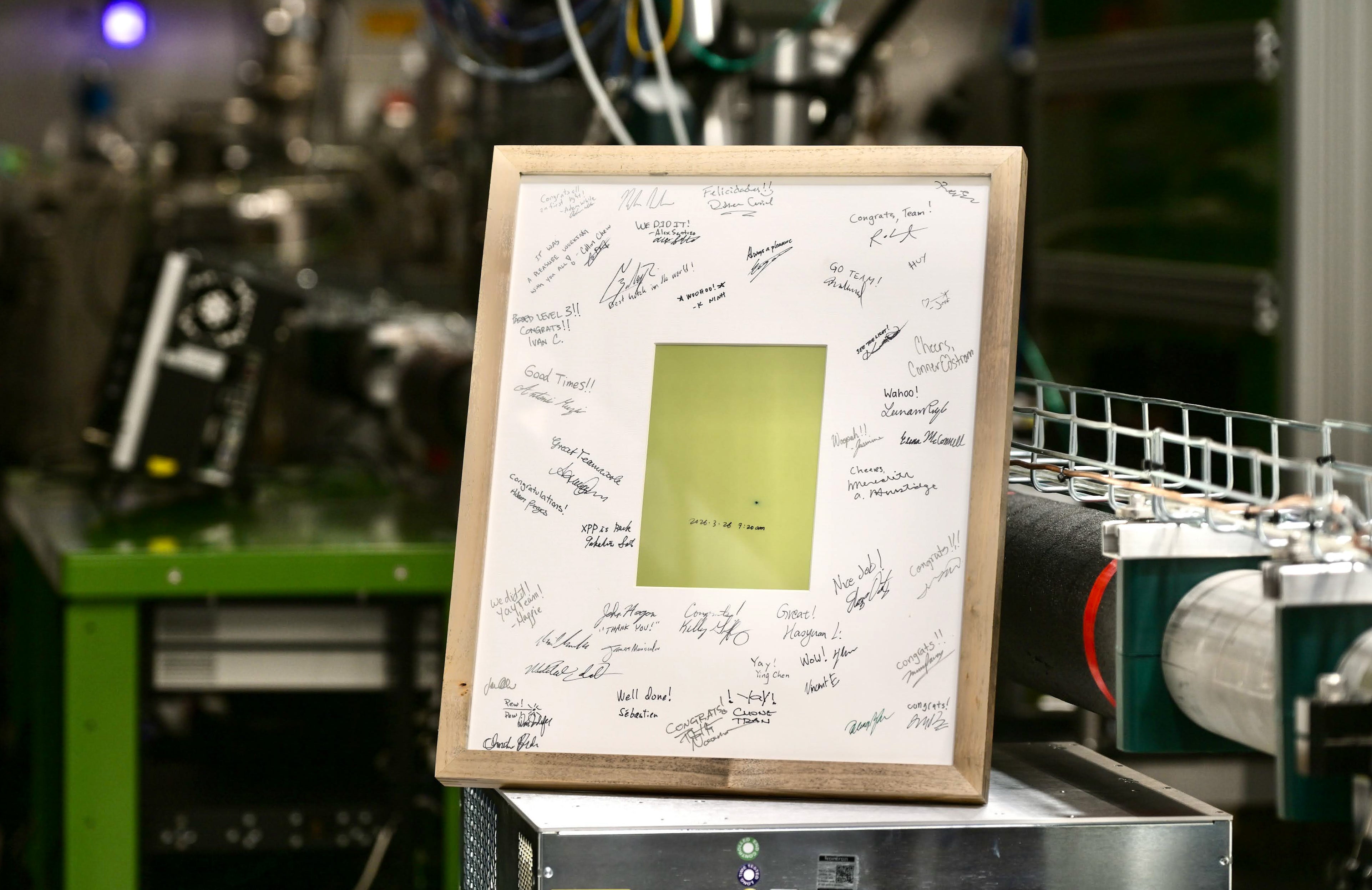
XPP First Light (03/26/2026)


XPP First Light (03/26/2026)


XPP First Light (03/26/2026)


XPP First Light (03/26/2026)


XPP First Light (03/26/2026)

XPP First Light (03/26/2026)

XPP First Light (03/26/2026)

About SLAC
SLAC National Accelerator Laboratory explores how the universe works at the biggest, smallest and fastest scales and invents powerful tools used by researchers around the globe. As world leaders in ultrafast science and bold explorers of the physics of the universe, we forge new ground in understanding our origins and building a healthier and more sustainable future. Our discovery and innovation help develop new materials and chemical processes and open unprecedented views of the cosmos and life’s most delicate machinery. Building on more than 60 years of visionary research, we help shape the future by advancing areas such as quantum technology, scientific computing and the development of next-generation accelerators.
SLAC is operated by Stanford University for the U.S. Department of Energy’s Office of Science. The Office of Science is the single largest supporter of basic research in the physical sciences in the United States and is working to address some of the most pressing challenges of our time.