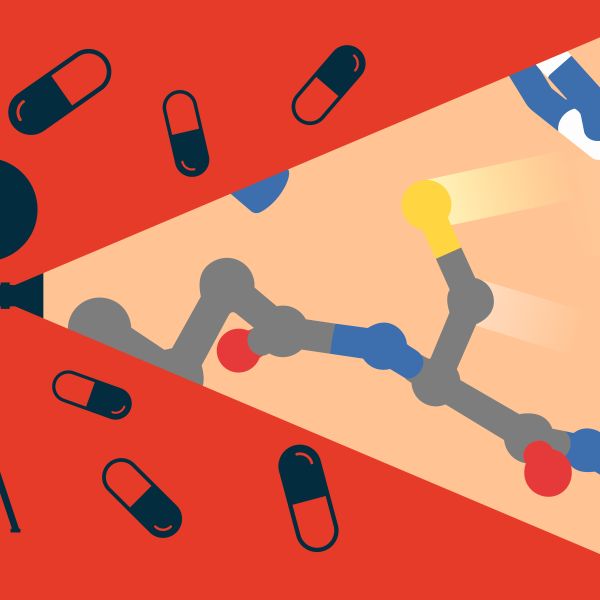
Using X-ray free-electron lasers like SLAC’s LCLS, researchers study how enzymes catalyze reactions, which could help them develop drugs and other medical treatments.
The X-ray Pump Probe instrument is returning to normal operations this spring, anticipating a major capability boost when the high-energy beam comes online.
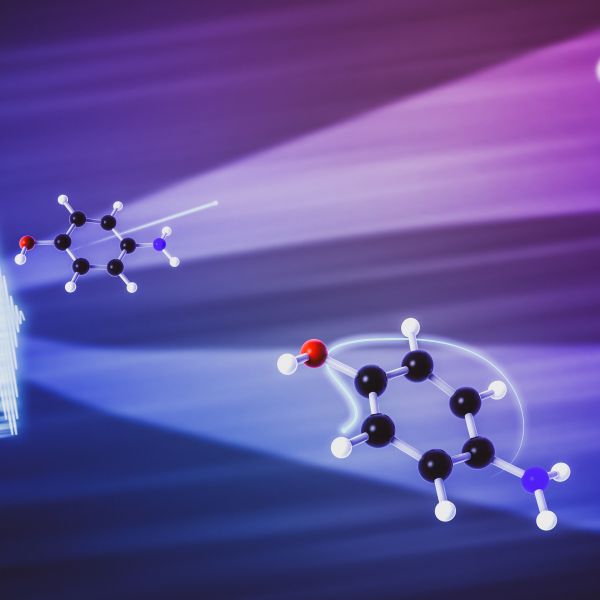
Electrons are tiny, charged particles with huge jobs: They hold all matter together, they drive the chemical reactions that power life, and they transport...
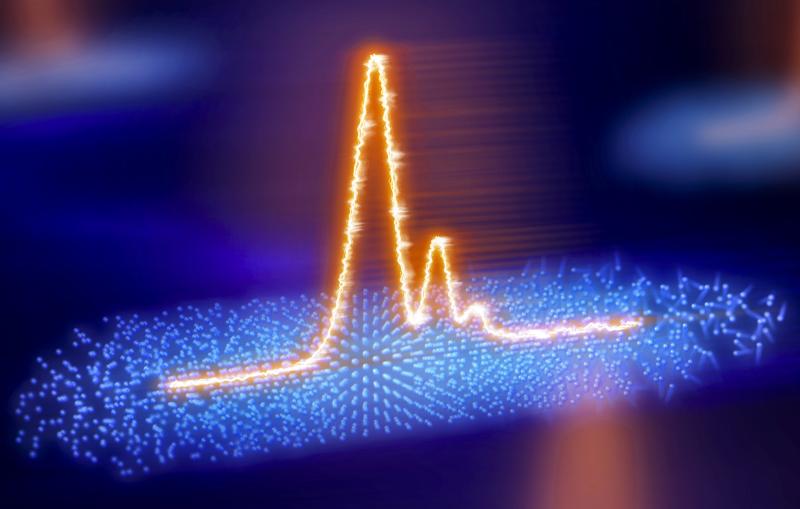
One-quintillionth of a second lasing breakthrough could lead to next-generation X-ray technologies, improving imaging in medical, material, and quantum science.
Using X-ray free-electron lasers like SLAC’s LCLS, researchers study how enzymes catalyze reactions, which could help them develop drugs and other medical treatments.
The X-ray Pump Probe instrument is returning to normal operations this spring, anticipating a major capability boost when the high-energy beam comes online.
Electrons are tiny, charged particles with huge jobs: They hold all matter together, they drive the chemical reactions that power life, and they transport information and energy across the globe. Despite their importance, we still don’t fully understand how they...
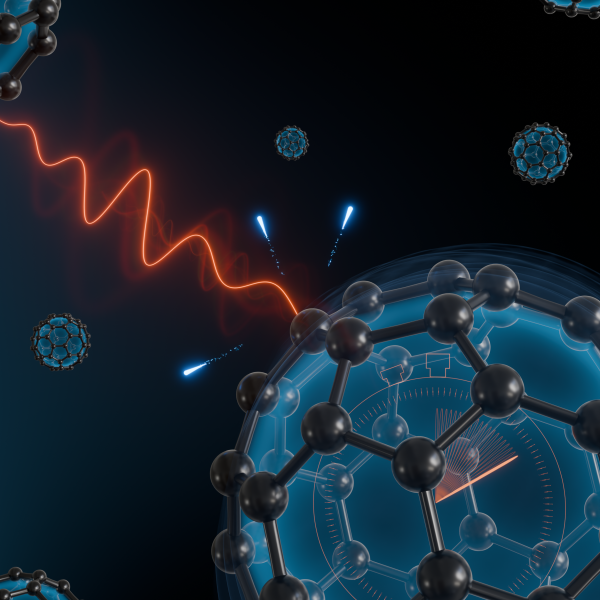
One-quintillionth of a second lasing breakthrough could lead to next-generation X-ray technologies, improving imaging in medical, material, and quantum science.
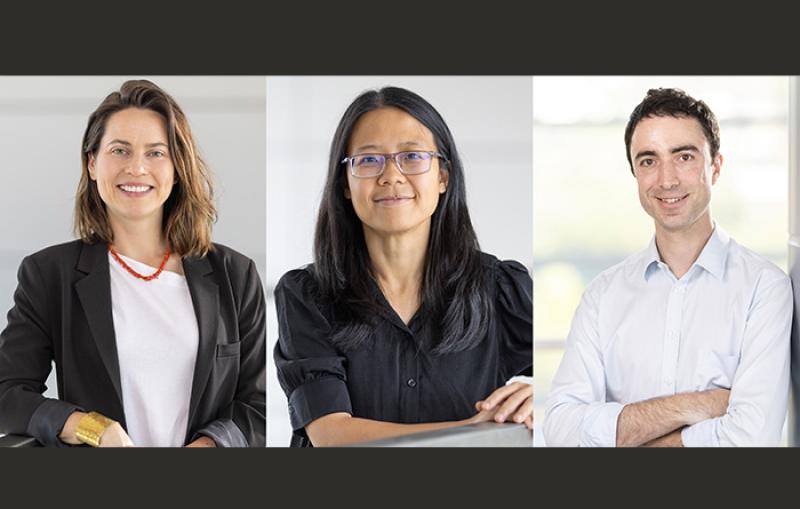
David Cesar, Julia Gonski and W.L. Kimmy Wu will each receive $2.75 million issued over five years for their research in X-ray and ultrafast science, new physics and primordial gravitational waves.